Last updated:


Berlengas suits a day built around island history and nature, with time on the water as well as on land.
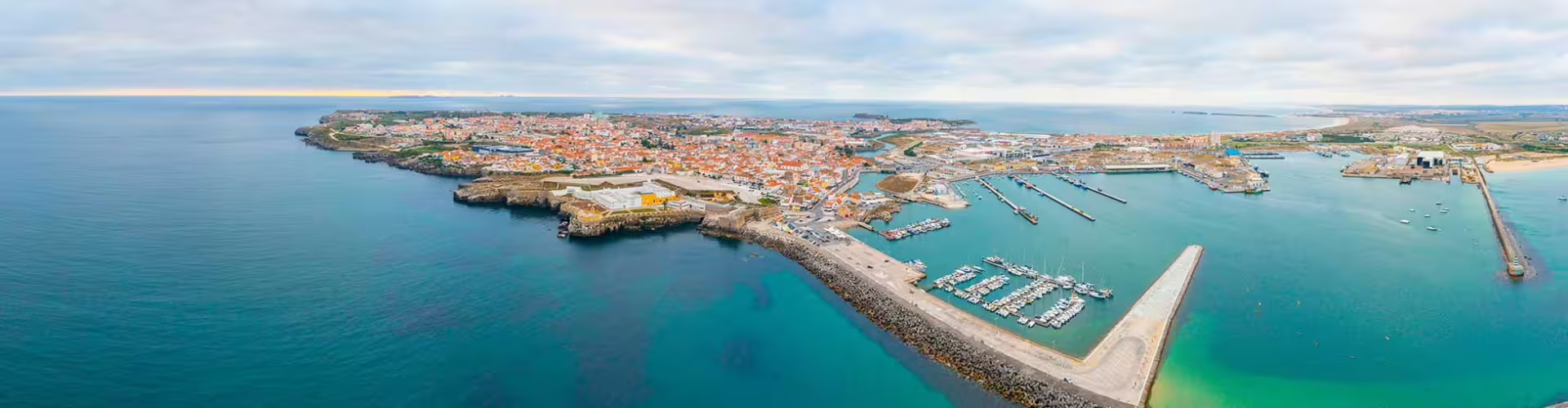
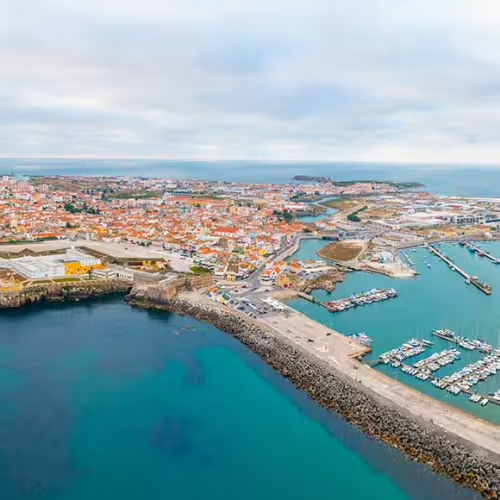
The archipelago is offshore from Peniche, in the Oeste region of Portugal, and Berlenga Grande is its main island.
A visit centred on the fort, lighthouse and island wildlife gives you a mix of history and nature.
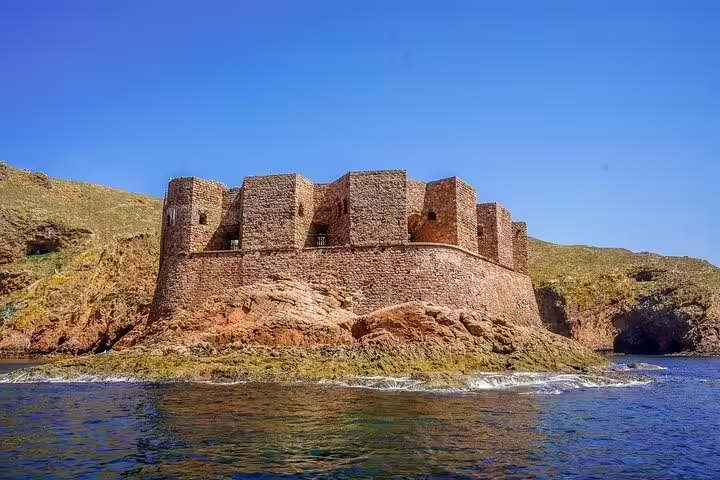
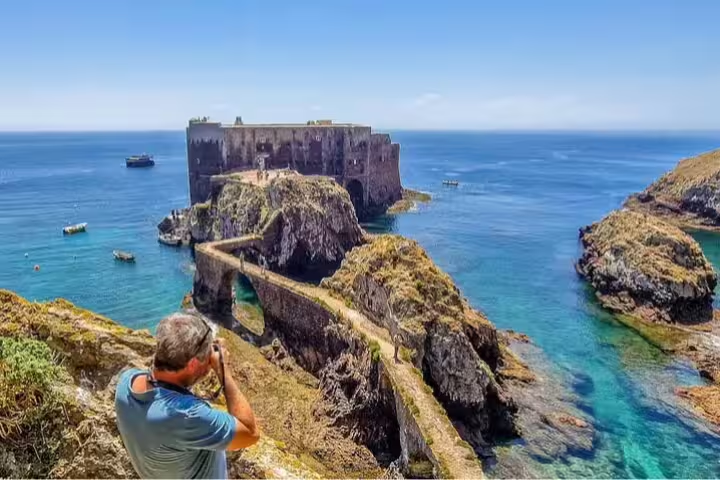
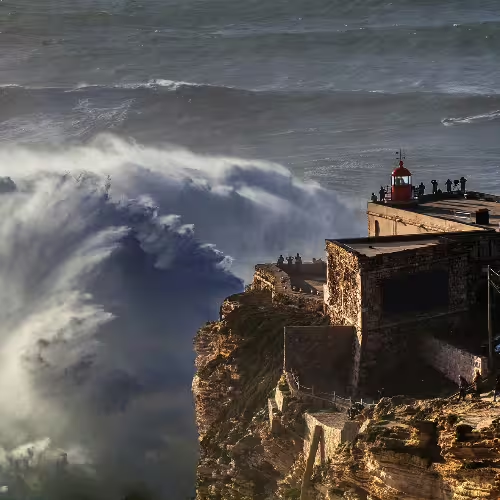
The fort incorporates material from a former monastery, linking its military story to an earlier religious settlement. Monks from the Order of São Jerónimo arrived on Berlenga Grande in 1513, supported by Queen Leonor. The Duque de Bragança lighthouse dates from 1841; its white masonry tower is quadrangular and rises 29 metres.
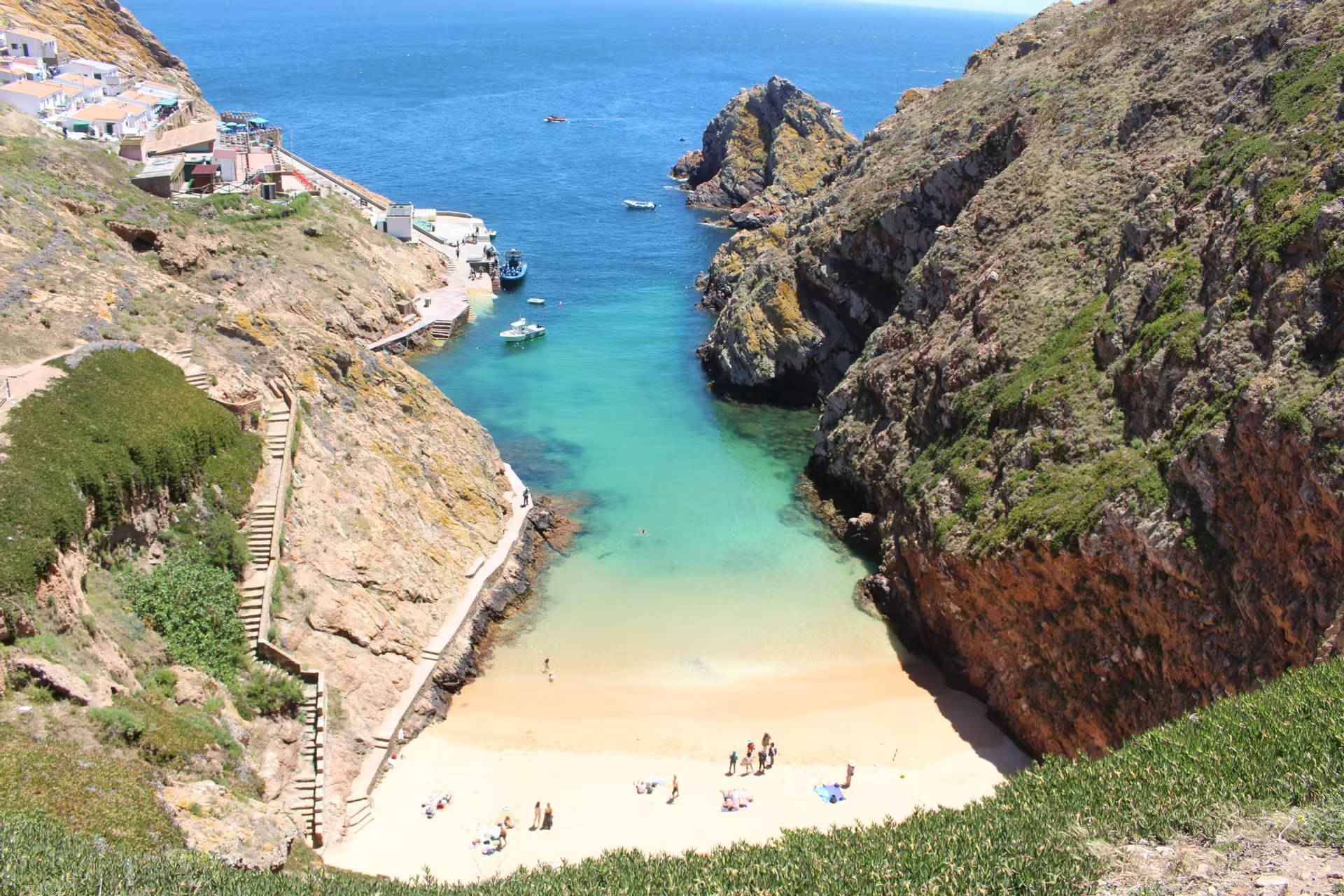
On the nature side, look for the contrast between pink granite and the sparse vegetation where seabirds nest on the cliffs. Roughly a hundred plant species grow here despite the thin covering of soil over the rocks. They include Armeria berlengensis and Pulicaria microcephala, both endemic to the islands.
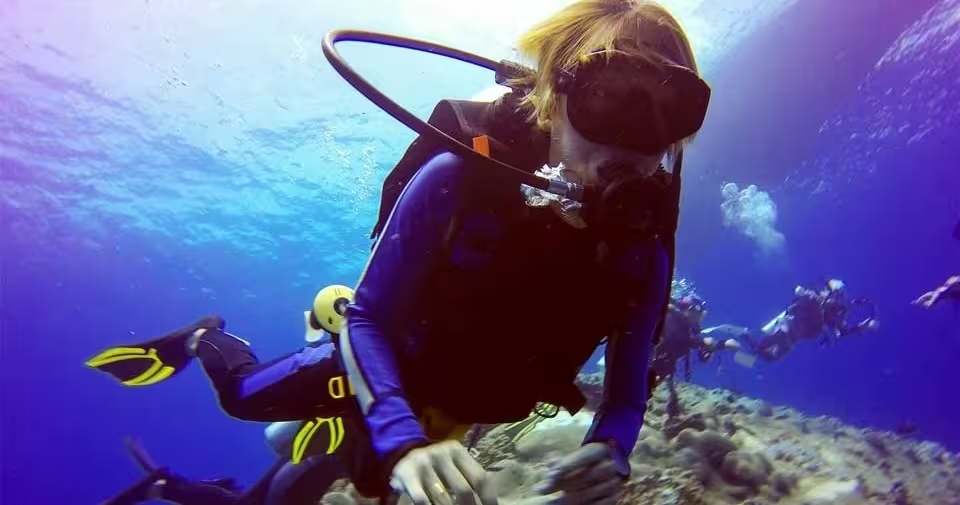
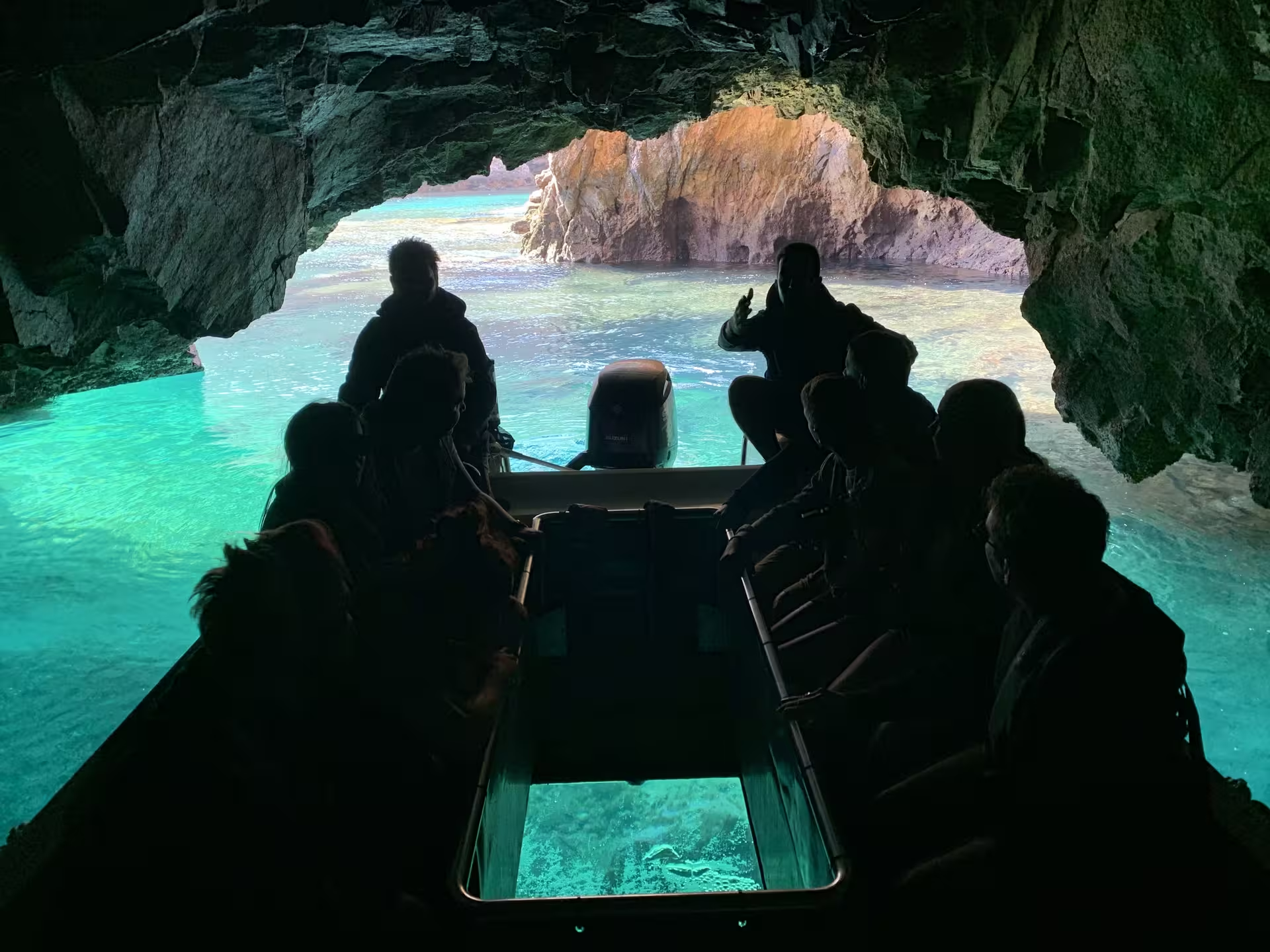
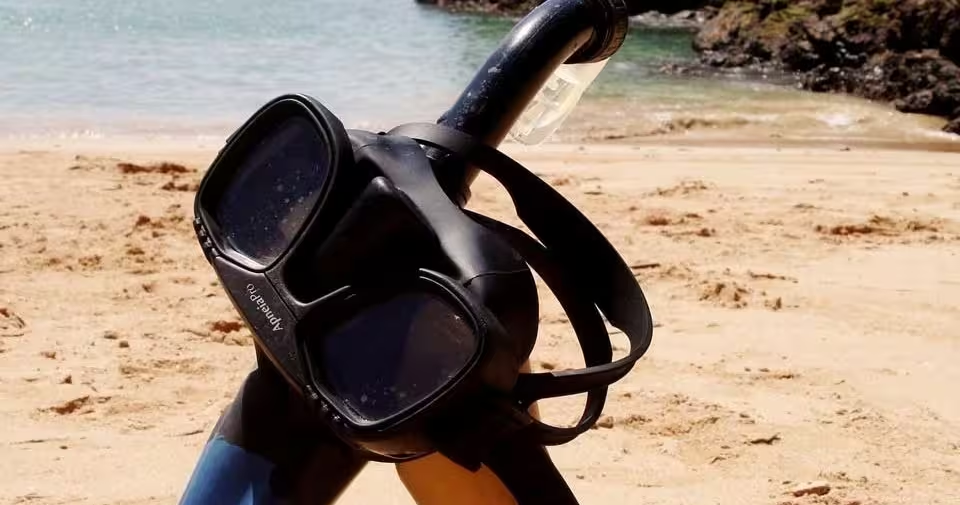
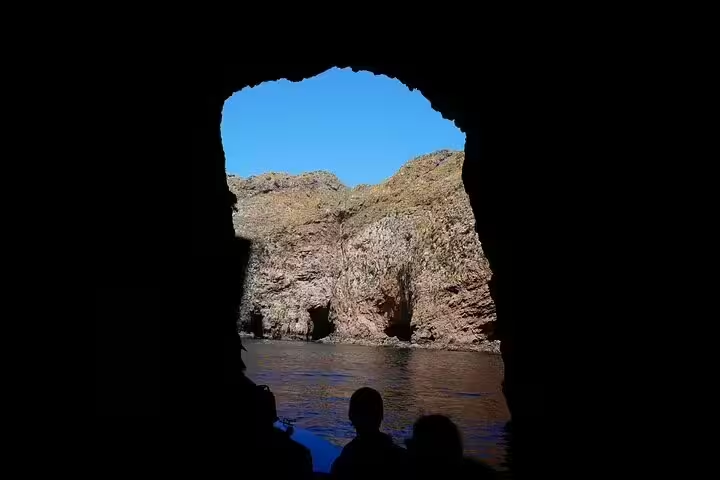
For time on the water, the Berlenga Island boat tour with caves and a snorkeling kit includes a return crossing from Peniche, around 25 minutes exploring caves in a glass-bottom boat, a mask, snorkel and fins, and a skipper, sailor and guide throughout. The waters around the islands have records of more than 40 fish species, adding an underwater dimension to the visit.
One day is a practical plan for Berlenga Grande, with a fort visit, a nature trail walk and the lighthouse as your focus.
At 1.5 km long and 0.8 km across, the island gives this plan a compact setting. Keep the day centred on Berlenga Grande rather than trying to cover the wider archipelago, which also includes the Estelas and Farilhões-Forcados islet groups.
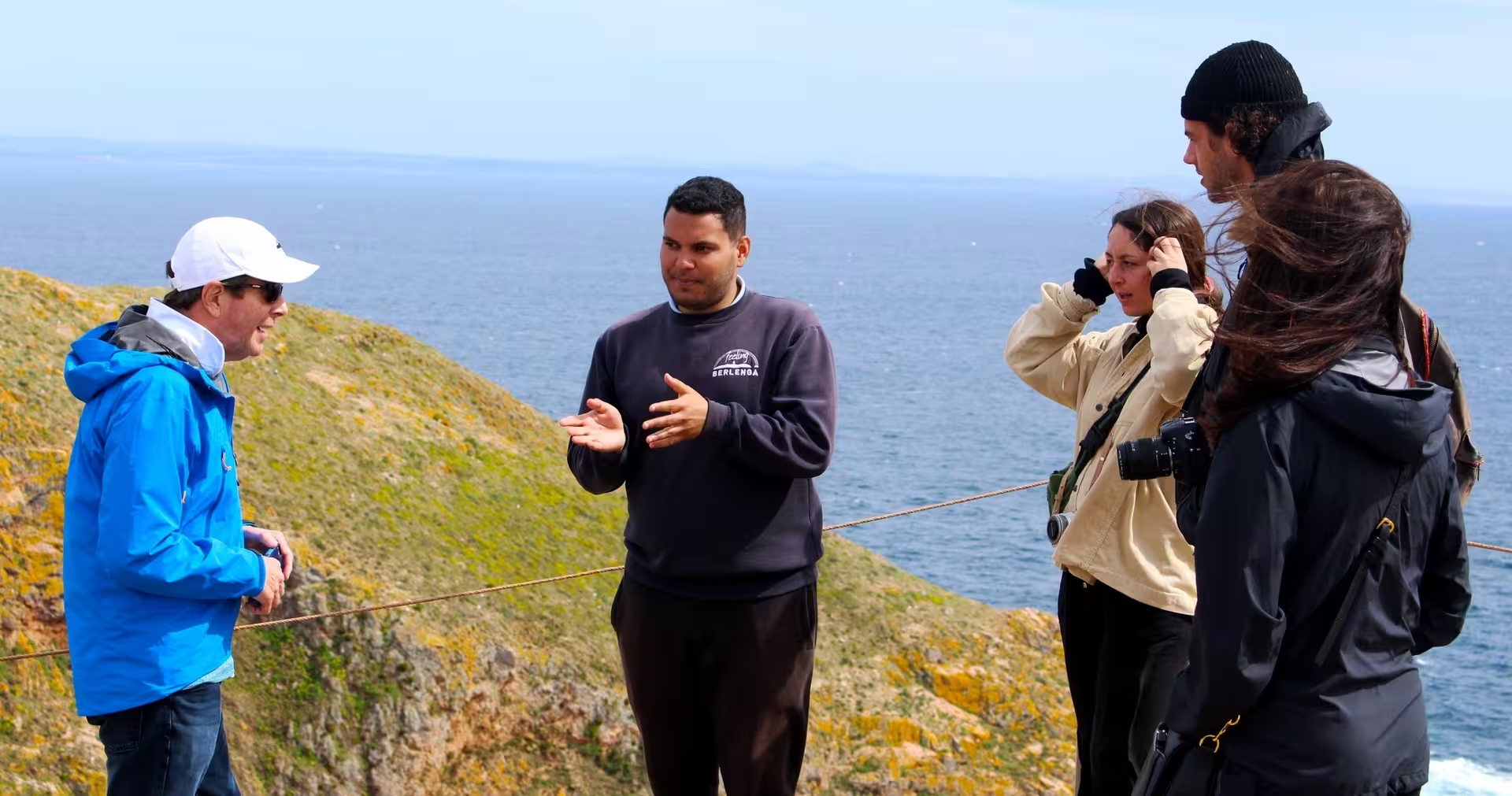
The private Berlengas Islands day tour from Lisbon with Óbidos and Peniche lasts 9 hours and includes private return transport from Lisbon, a dedicated professional guide, a guided visit to São João Baptista Fort and a nature trail walk on Berlenga Grande.
The main visiting season runs from May to September, when boat crossings from Peniche are regular; outside it crossings are limited and depend on sea conditions, and winter also brings heavy rain. Summer suits a trip focused on walking, with moderate temperatures and the main boat season, when the fort area can be visited. Summer monthly means remain under 20 °C, and temperatures above 25 °C are unusual.
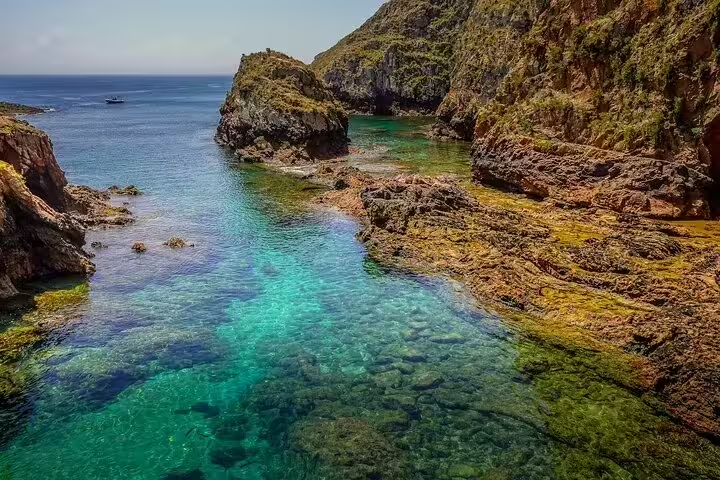
Dry spells occur between spring and autumn, while winter brings substantial rainfall. Winter is mild, with monthly means of around 12 °C, but the heavy rain makes it a less appealing choice for a walking-focused visit.
A return boat crossing from Peniche is an option for reaching Berlenga Island and coming back the same day.
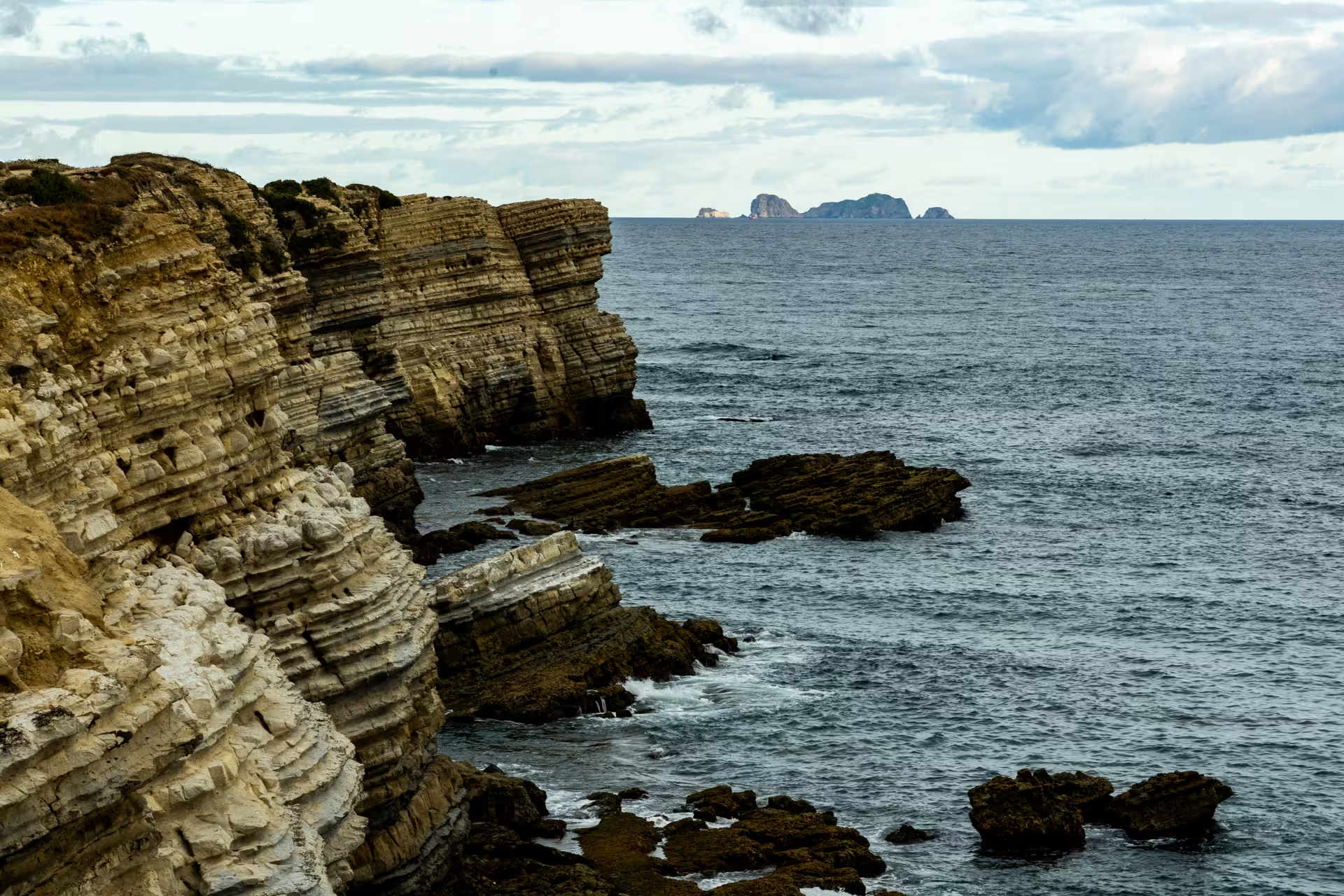
The return trip to Berlenga Island by fast boat and catamaran includes the crossing in both directions with an experienced skipper and crew.
Visits to the island require online registration in advance and a small daily access fee, and the number of people on land at the same time is capped, so it is worth booking early in summer.
A nature trail walk is an option for exploring Berlenga Grande on foot, as included in the day tour above. Walking and the guided fort visit fit together in a day focused on both nature and history.
On Berlenga Grande, the lighthouse stands at an elevation of 88 metres above sea level.
Guides for the fortress can be booked through Casa Abrigo.
The archipelago has no permanent residents. Temporary residence is limited to Berlenga Island.