Last updated:


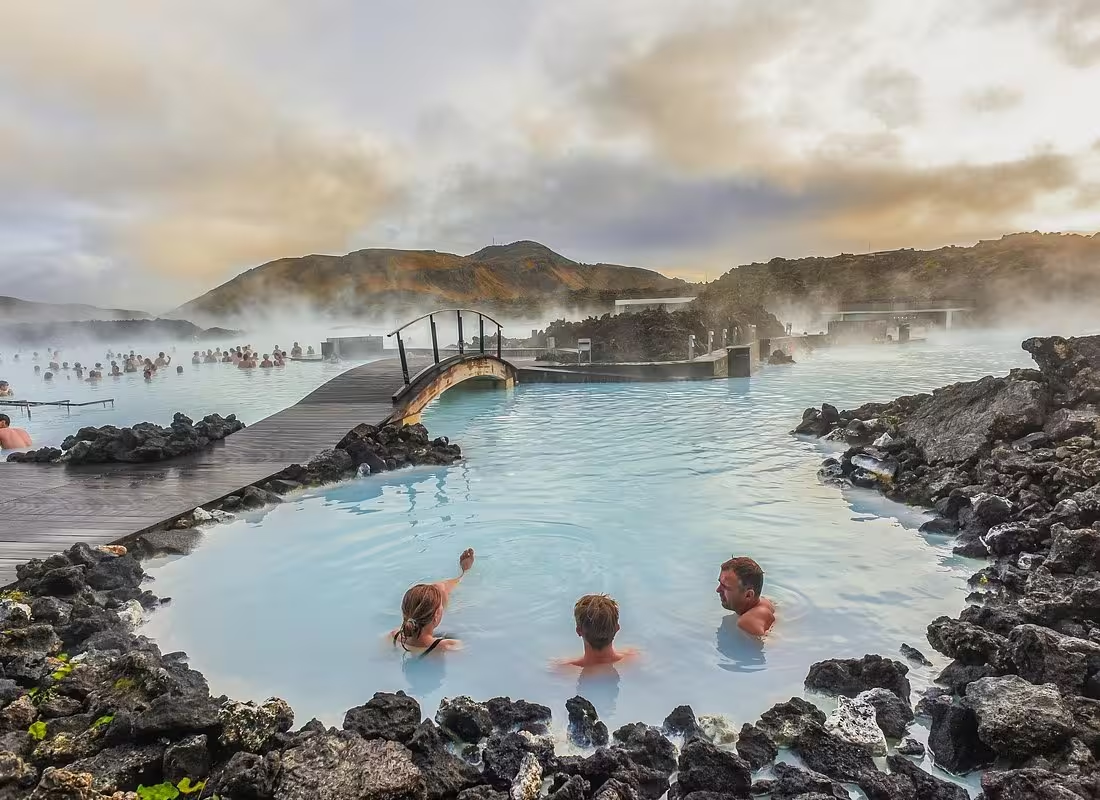
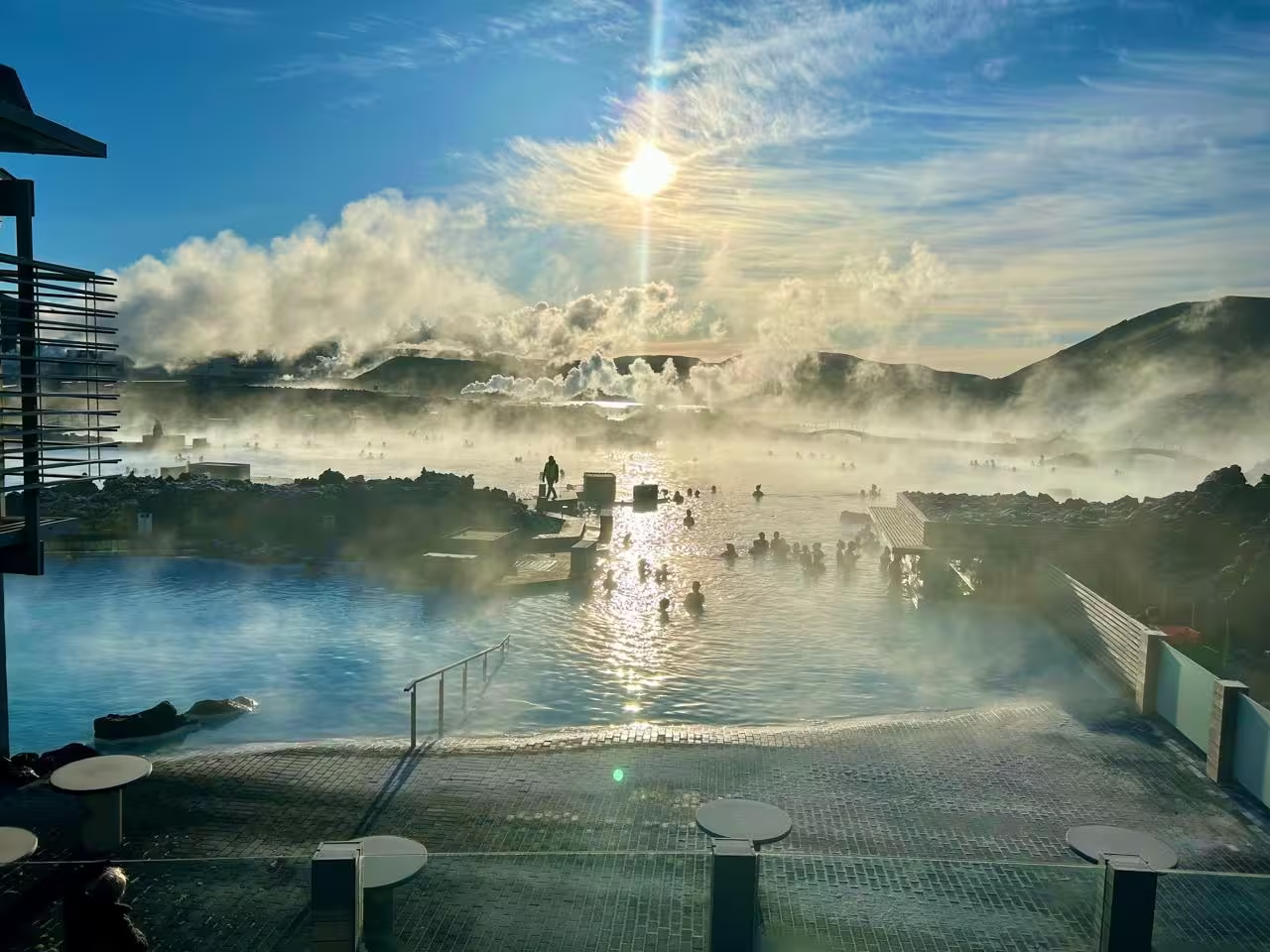
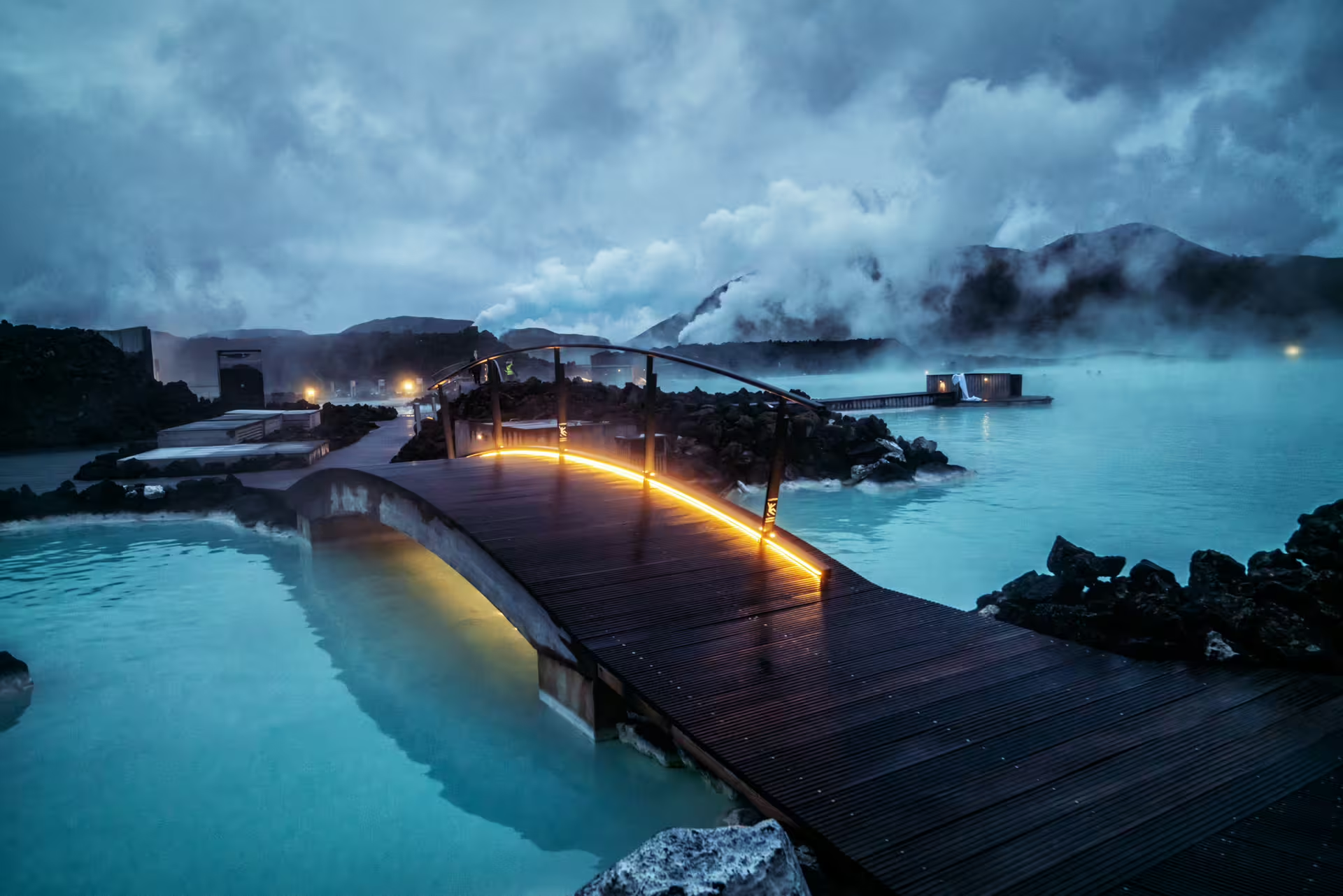
A visit to the Blue Lagoon centres on warm bathing water in a lava-field setting, with the option of exploring the surrounding Reykjanes Peninsula. The spa sits 5 km from Grindavík, with Mount Þorbjörn behind it. Its cloudy blue colour comes from the large amount of silica in the water.
Allow one day for a Blue Lagoon visit paired with a volcano hike. The volcano hike and Blue Lagoon day trip from Reykjavik lasts 9 hours and includes an expert local hiking guide, return transport from Reykjavik, Comfort admission to the lagoon and a safety briefing.
A lagoon-focused visit puts the bathing experience at the centre of the day: the bathing water is usually between 37 and 40 °C. Besides silica, which gives the water its colour, the water also contains algae and minerals.
Plan the lagoon around your airport journey if that suits your trip, since Keflavík International Airport is approximately 20 km away. The airport is in the Reykjanes region and is a major gateway into Iceland. That distance makes an airport-linked visit worth considering, without needing to turn the lagoon into a separate destination for several days.
For getting around on a combined sightseeing day, transport can be included with the visit. The private Reykjanes Peninsula and Blue Lagoon day trip takes 8 hours, with a licensed local guide, a private vehicle throughout and visits to the listed peninsula geosites. Its Comfort admission includes a silica mask, a towel and one drink in the water.
A Reykjanes day trip suits a closer look at the lava-field landscape around the lagoon. The lagoon lies on the Reykjanes Peninsula, a few kilometres from Grindavík, a town on the peninsula's south coast.
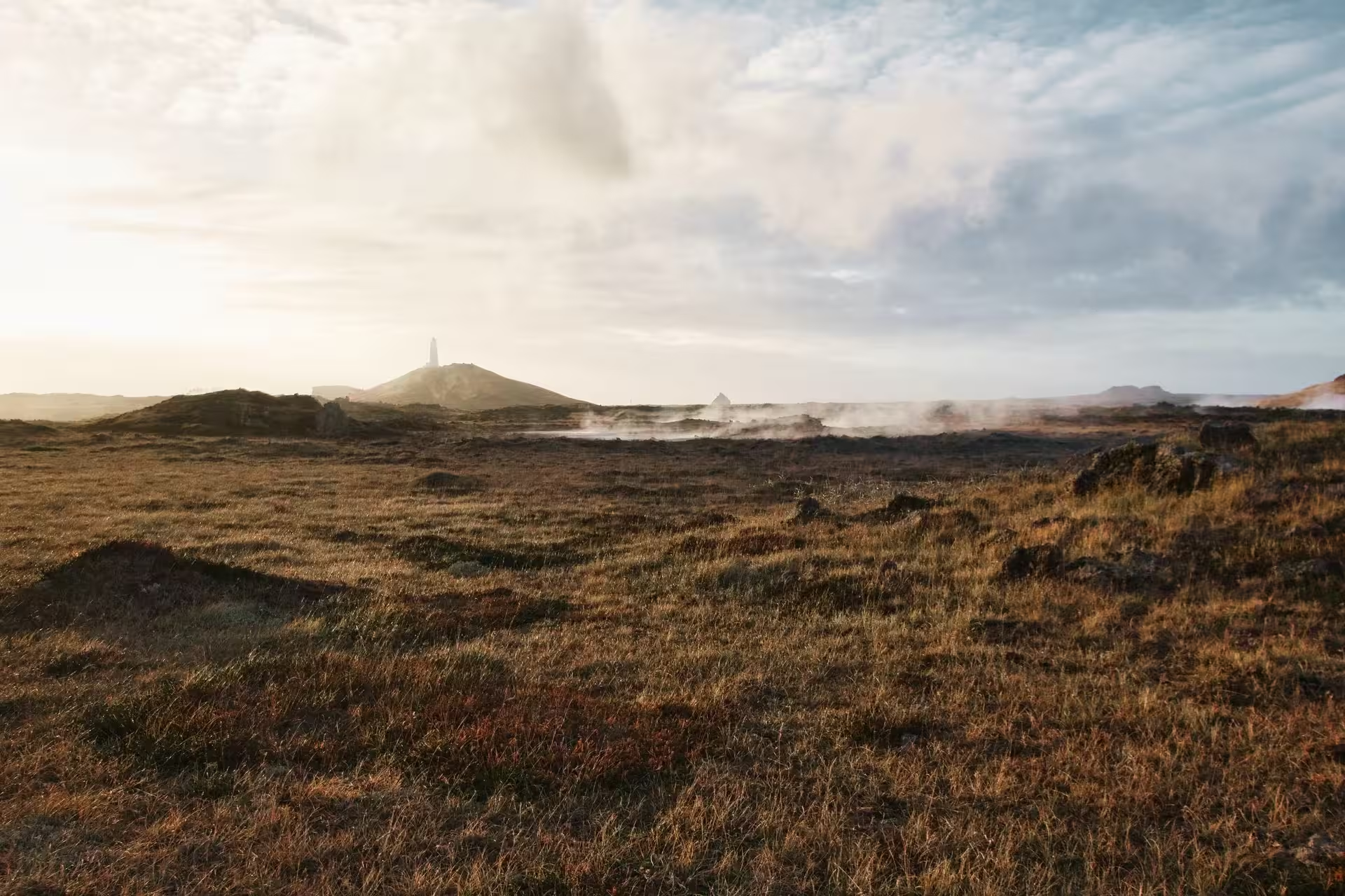
The guided day trip to the Reykjanes Peninsula lava fields lasts 8 hours and includes an English-speaking professional guide, vehicle transport, access to the listed stops and guided explanations at each site.
Expect a man-made geothermal lagoon whose origins are linked to the nearby Svartsengi power plant. Pools formed from the plant's runoff soon after it began operating in 1976. Silica deposits stopped the warm water draining into the ground.
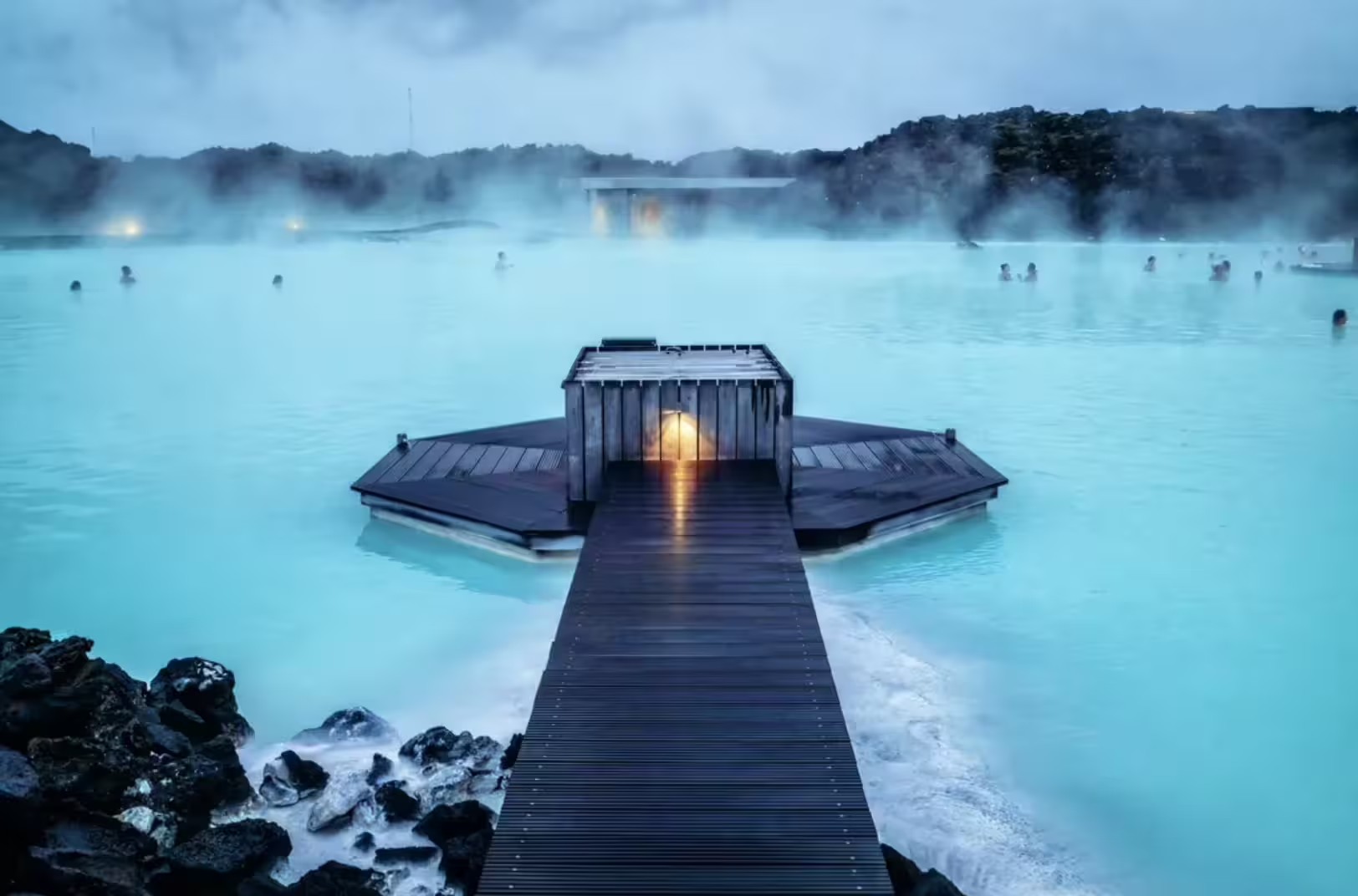
Bathing facilities welcomed visitors in 1987, and the Blue Lagoon company followed in 1992. The lagoon's water renews itself about every 40 hours.
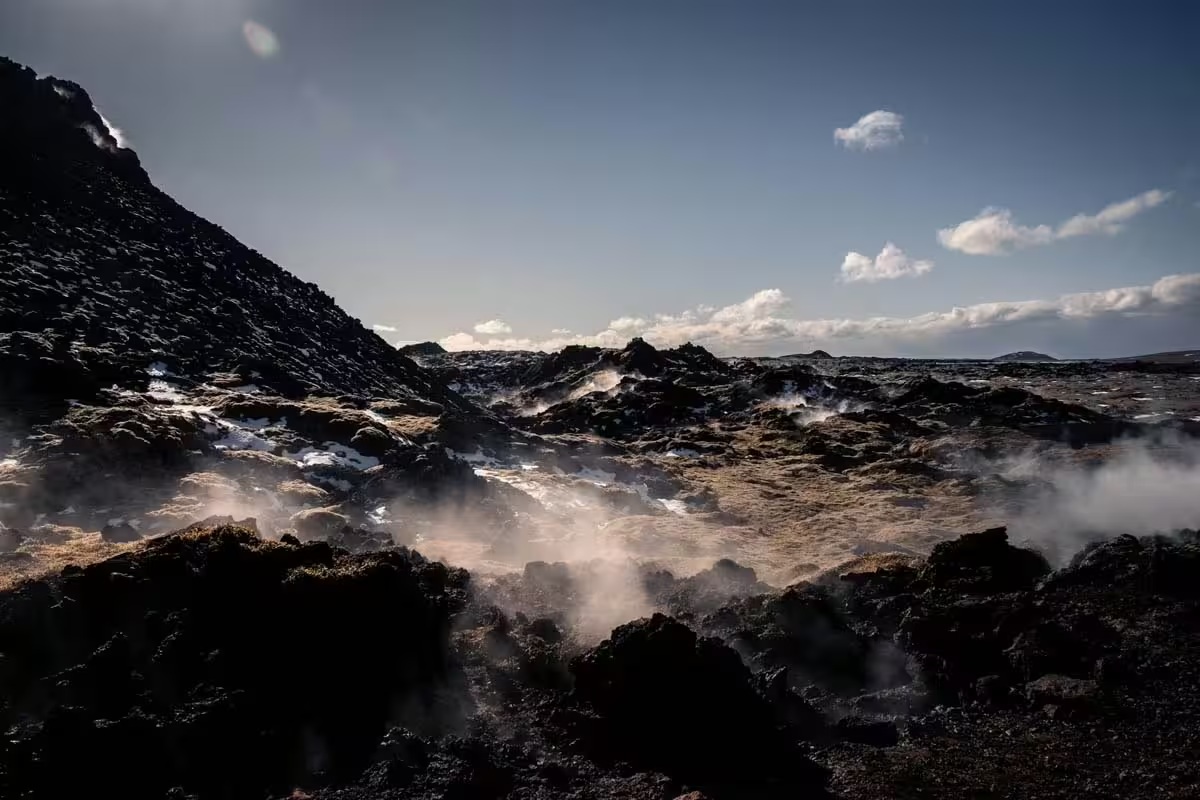
Keep plans flexible around the lagoon, because volcanic events have affected its facilities. On 21 November 2024, lava covered the car park, while protective barriers kept the lagoon itself intact. That past disruption is a reason to check access before committing to a visit.
The lagoon water has a salt content of 2.5%.
Apart from some blue-green algae, very few organisms live in the lagoon water.
Eruptions at the Sundhnúkur crater row started on 18 December 2023.