Grindavik

logoBlack

Build your dream
experience

dreamimg

More to know about Grindavik

Grindavik Travel Guide


Snapshot

Grindavik is a working fishing town on Iceland’s Reykjanes Peninsula where ocean horizons, lava shaped landscapes, and geothermal energy set the tone for a grounded, nature first trip. It suits travelers who want dramatic scenery without long transfers, plus a strong sense of place rooted in the sea. Go now if you are building an Iceland itinerary around the peninsula’s highlights and want a base that feels local, compact, and close to major routes.


🗺️ Geography and Logistics

📍 Orientation: Where is it within Southern Peninsula and Iceland? Name key gateway airports or hubs.

Grindavik sits on Iceland’s Southern Peninsula, also known as the Reykjanes Peninsula, a region defined by volcanic terrain and coastal views. The most common gateway is Keflavik International Airport, which is the primary arrival point for international flights and a practical hub for car rentals. Reykjavik is the main city hub for services and accommodation variety, while the Reykjanes area works well for travelers who prefer shorter drives between natural sights.

🕒 When to Go: Seasonal breakdown. Weather patterns vs. crowd levels.

Expect a coastal climate with fast changing weather, wind, and big skies, which can shape your plans more than the calendar. Summer generally brings longer daylight and easier road conditions, which makes it simpler to fit multiple stops into one day. Shoulder seasons can feel quieter and moodier for photography, while winter travel requires more flexibility due to limited daylight and weather that can affect driving comfort.

💰 Budget & Currency: Practical money tips, local price levels, and card vs. cash advice.

Iceland is typically considered a higher cost destination, so it helps to plan a daily budget that accounts for dining out, fuel, and paid attractions or tours. Cards are widely used, which makes it easy to travel without carrying much cash, though having a small amount can be useful for minor purchases. If you are watching costs, prioritize self guided viewpoints, pack snacks for day trips, and choose one or two paid experiences rather than trying to do everything in a short stay.


⭐ Essential Things to Do List

Harbor and Fishing Town Walk
The harbor area is the heart of the town’s identity, and it is where you feel how daily life connects to the ocean. A slow walk here gives you a sense of scale, working rhythms, and coastal light that changes by the minute. It is also one of the easiest ways to experience Grindavik without committing to a long drive. Practical tip, go early or later in the day for calmer light and fewer people around the waterfront.

Reykjanes Peninsula Scenic Drive
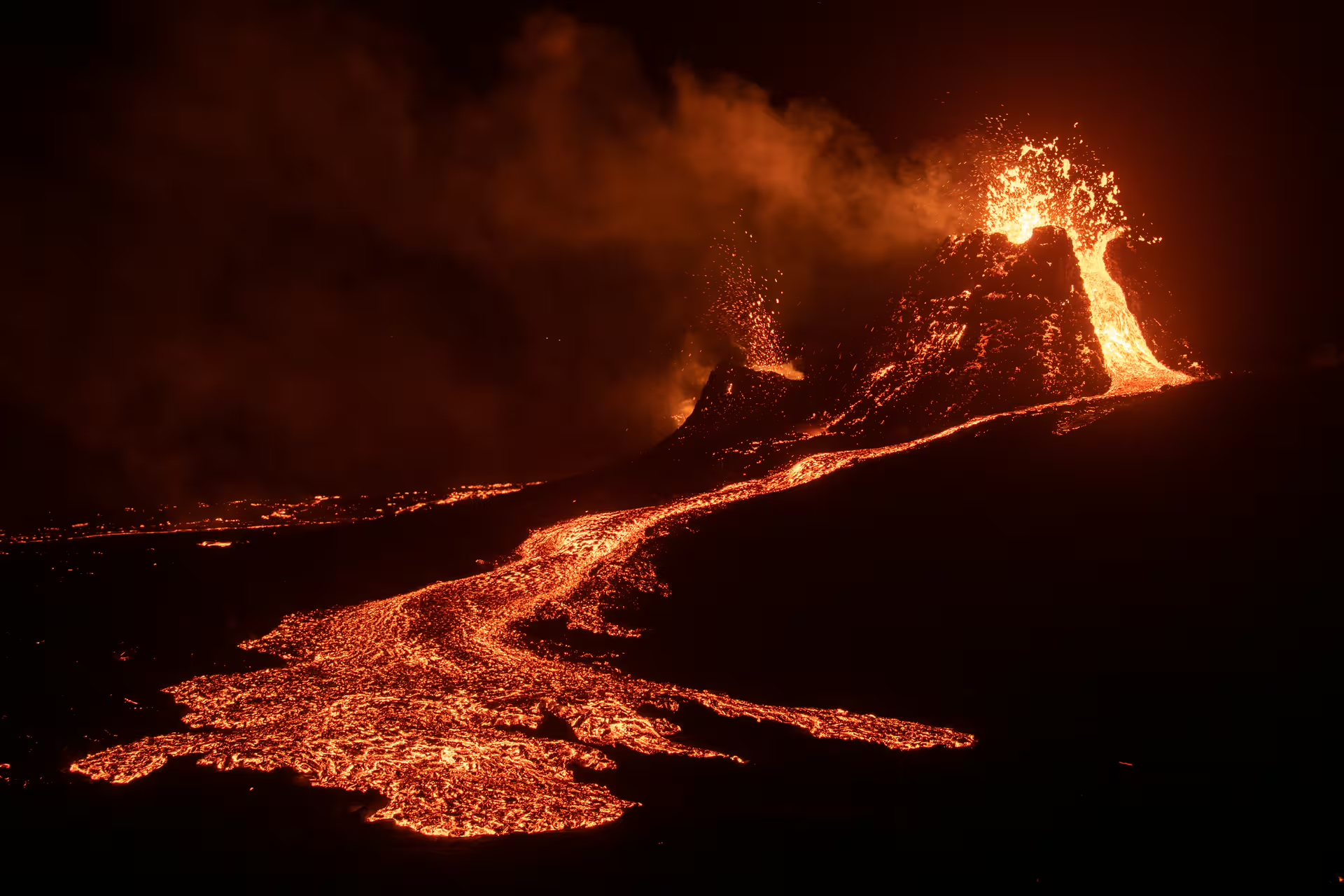
This region is known for stark lava fields, wide open roads, and viewpoints that feel otherworldly even by Iceland standards. Using Grindavik as a base makes it straightforward to connect several stops without backtracking. The drive itself is part of the experience, with constant shifts between coast and volcanic terrain. Practical tip, keep your schedule loose and stop often, the best moments are usually the unplanned viewpoints.

Geothermal Landscapes and Steam Vistas
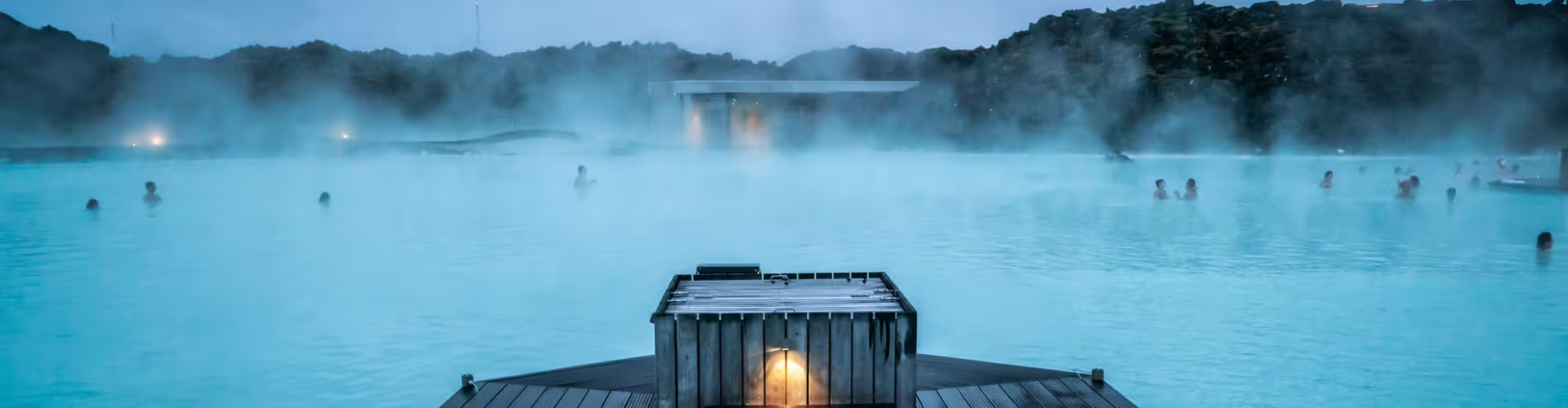
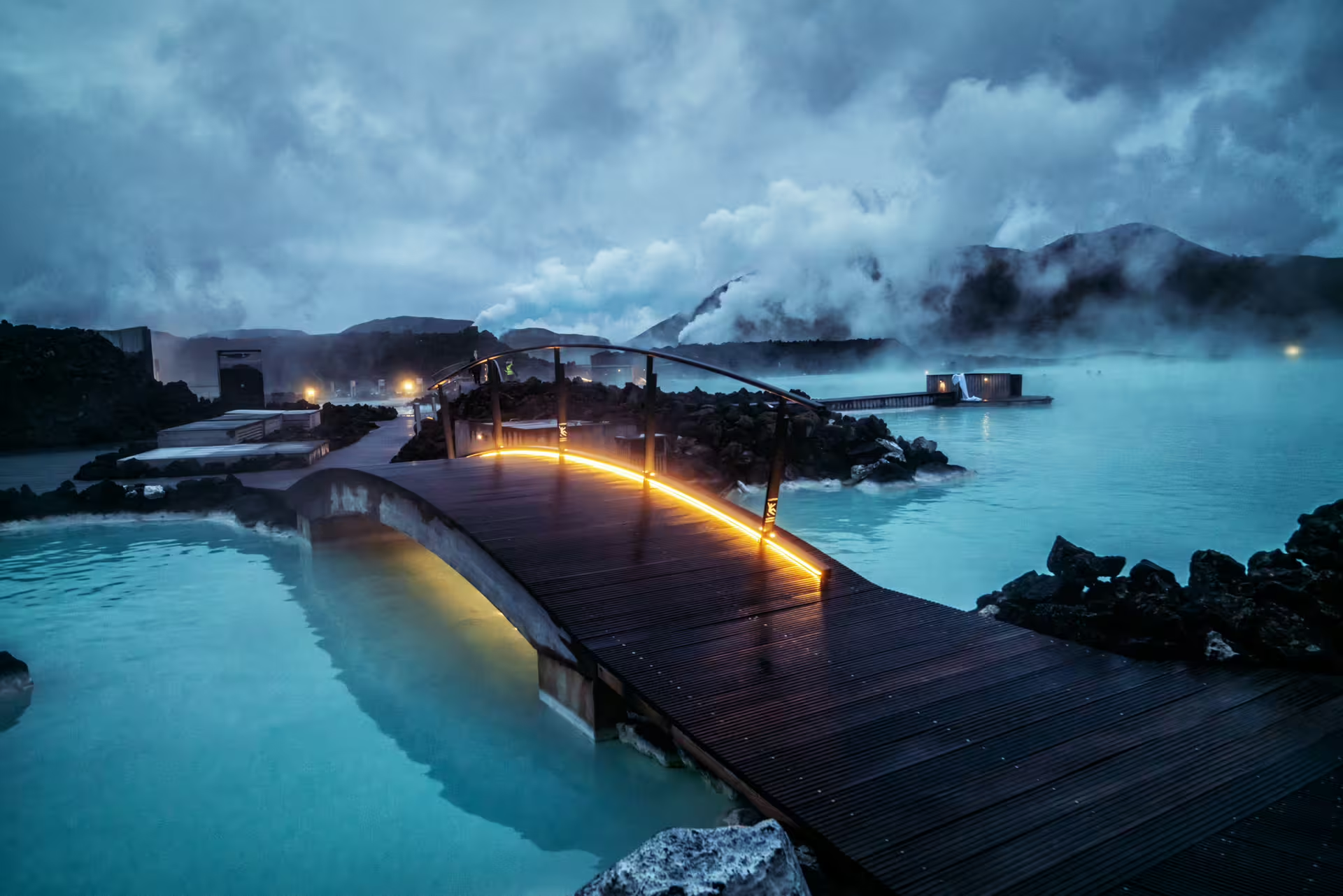
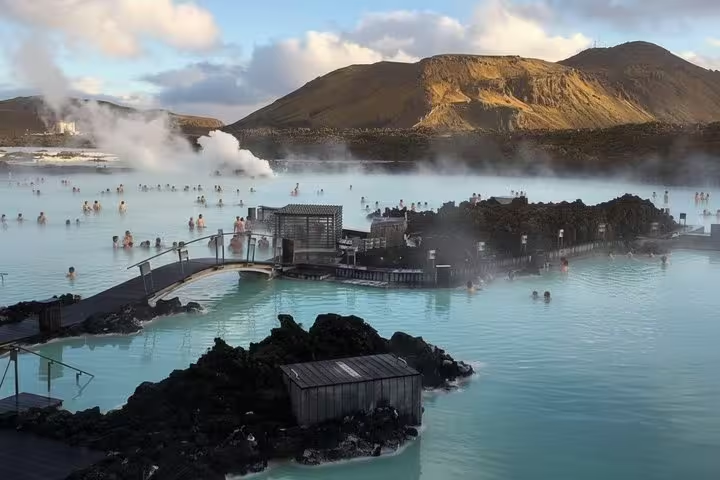
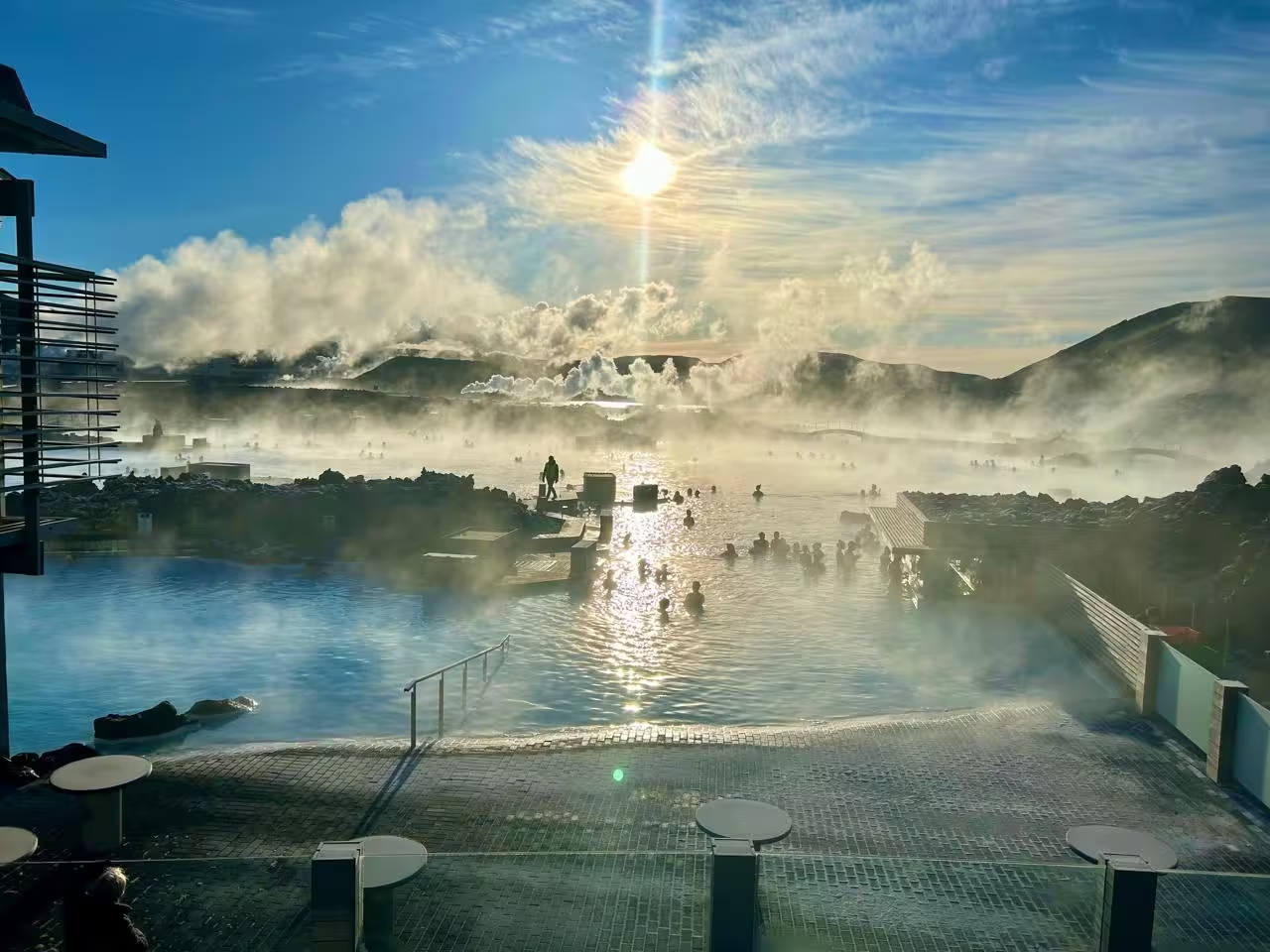
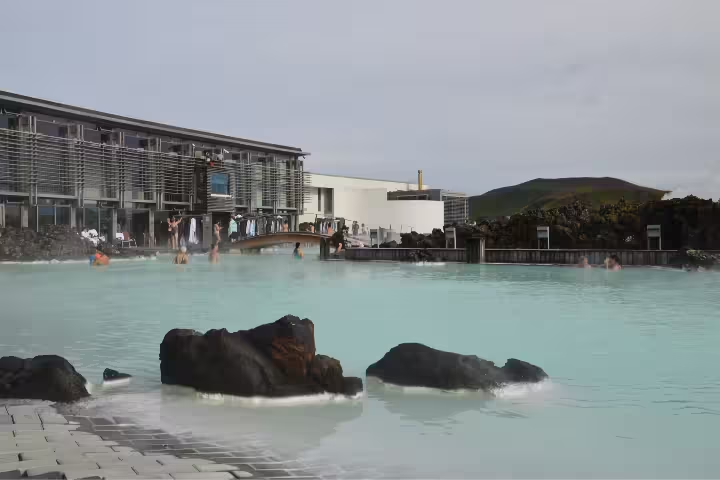
The Southern Peninsula is closely tied to geothermal energy and volcanic geology, which shows up as steaming ground and mineral stained earth in the broader area. These places are memorable because they make Iceland’s geology feel immediate, not abstract. They also offer strong photo opportunities with texture and atmosphere. Practical tip, stay on marked paths and watch footing, geothermal ground can be unstable and conditions can change quickly.

Coastal Viewpoints for Ocean and Lava Contrast
The coastline near town delivers a signature mix of dark rock, crashing water, and open horizon. It is a simple experience that often becomes a highlight because it captures the peninsula’s raw character in a single frame. For travelers who want nature without a long hike, this is a high reward option. Practical tip, bring a wind resistant layer, coastal gusts can be strong even on clear days.

Photography Loop at Golden Hour
The Reykjanes area rewards patient photographers with dramatic skies and high contrast landscapes. Shooting around sunrise or sunset enhances the textures of lava fields and the sheen of the sea. Even casual phone photos improve noticeably in softer light. Practical tip, plan two short sessions rather than one long one, weather breaks can happen quickly.

Local Culture Focus, Sea to Table Mindset
A visit feels more meaningful when you connect the scenery to the community, especially in a place shaped by fishing traditions. Look for opportunities to choose seafood focused meals and to observe the working harbor respectfully. This adds context that many travelers miss when they only pass through for landscapes. Practical tip, ask what is local and seasonal, it is often the best choice for freshness and value.

Base for Reykjanes Peninsula Highlights
Many travelers treat the peninsula as a collection of quick stops, but staying nearby can change the pace. It lets you visit popular areas earlier or later, which can improve the experience without needing special access. It also reduces driving fatigue, which matters in windy conditions. Practical tip, build your route by clustering stops by direction, then return to Grindavik as a reset point.

Slow Travel Reset, Short Walks and Scenic Pauses
Not every Iceland day needs to be a major hike or a long transfer. The town’s compact scale supports a calmer itinerary where you mix short walks with viewpoint stops. This approach is ideal if you are balancing jet lag or traveling with mixed fitness levels. Practical tip, keep a thermos and snacks with you, it makes spontaneous stops more comfortable.


🚶 Curated Itineraries

⏰ The Highlights (1 Day): A fast paced “Best Of” route.

Start with a morning walk around the harbor to get oriented and to see the town at its most active. Then set out on a Reykjanes Peninsula loop, prioritizing coastal viewpoints and geothermal landscapes, and keeping time for frequent short stops. Return to town for an early evening meal focused on seafood and a final golden hour viewpoint if conditions are good.

⏰ Deep Dive (2 to 3 Days): Adding neighborhood exploration and local secrets.

Day one, keep it local with the harbor area, short coastal walks, and a relaxed pace that matches the town’s working character. Day two, dedicate your time to the broader peninsula, spacing out geothermal stops and ocean viewpoints so you can wait out weather shifts and shoot in better light. If you have a third day, repeat the best loop at a different time of day, then add extra scenic pauses, this is often when the landscape feels most personal and less like a checklist.


🍽️ Flavors of Grindavik

Fresh seafood
Expect clean, ocean forward flavors that highlight freshness more than heavy seasoning. Ordering tip, ask what was landed locally, it is often the most distinctive choice.

Fish soup
Typically warming and hearty, it suits windy coastal weather and makes a practical lunch. Ordering tip, look for a version that emphasizes local fish and a rich broth.

Fish and chips
A casual option that fits a travel day, with crisp batter and mild fish. Ordering tip, pair it with a simple side rather than over ordering, it is often filling.

Lamb dishes
Icelandic lamb is commonly featured across the country and offers a savory, comforting profile. Ordering tip, choose it for dinner on a colder day when you want something more substantial than seafood.

Skyr
A thick cultured dairy option that is mildly tangy and easy to eat on the go. Ordering tip, keep one as a snack for day trips, it travels well.

Rye bread
Dense and slightly sweet, it pairs well with butter, fish, or soup. Ordering tip, try it alongside seafood focused dishes for a simple local style combination.


🚌 Navigation and Transport

The easiest way to explore Grindavik and the surrounding Southern Peninsula is by car, since many viewpoints and geothermal areas are spread out and weather can change quickly. Within town, walking works well for short distances, especially around the harbor and nearby viewpoints. For safety, dress for wind and rain even on bright days, and build buffer time into your route so you are not rushing if conditions shift.


🌄 Beyond the Center: Day Trips

Keflavik, a practical gateway for flights and car rental logistics. Travel time is short from the Reykjanes area, and it is useful for arrival and departure planning.

Reykjavik, the main city hub for museums, dining variety, and a different pace from the peninsula. It is a strong add on if you want urban culture alongside landscapes.

Reykjanes Peninsula loop stops, ideal for geothermal scenery, coastal viewpoints, and lava formed terrain. The primary reason to go is variety, you can combine multiple short experiences in one day.

Southern Peninsula coast drives, focused on ocean horizons and dramatic weather. The reason to go is atmosphere, especially when you want photography and open space.


✅ Insider Tips for Travelers

  • Pack wind protection, a weatherproof outer layer matters more here than a perfect outfit.
  • Plan your best viewpoints around light, early and late day often look dramatically better than midday.
  • Keep your itinerary flexible, weather can change quickly on the coast and across lava fields.
  • Use Keflavik International Airport as a logistics anchor, it simplifies car rental and timing.
  • Prioritize safety around geothermal areas, stay on marked paths and avoid stepping onto steaming ground.
  • If you are cost conscious, balance one paid experience with free scenic stops and self guided coastal walks.

❓ Frequently Asked Questions, FAQ

Is Grindavik good for a short stop or an overnight stay?

It works for both, depending on how much of the Southern Peninsula you want to cover. An overnight stay can make it easier to see coastal viewpoints in better light without rushing.

What is the best way to get to the area from the airport?

Keflavik International Airport is the most common gateway hub for the region. Renting a car is typically the most practical option for reaching scattered viewpoints and geothermal landscapes.

When is the easiest season for driving around the Reykjanes Peninsula?

Summer generally offers longer daylight and simpler road conditions for fitting multiple stops into one day. Shoulder seasons can be quieter but may require more flexibility due to changeable weather.

Do I need cash while traveling in Grindavik?

Cards are widely used in Iceland, so you can often travel without much cash. Having a small amount can still be useful for minor purchases.

What should I pack for coastal viewpoints and short walks?

Bring wind resistant layers and rain protection, even if the forecast looks calm. Good footwear helps on uneven ground near lava rock and wet coastal paths.