Last updated:


Auckland rewards a trip that leaves room for both the city and its islands. Known in Māori as Tāmaki Makaurau, it stretches across a narrow isthmus between Manukau Harbour on the Tasman Sea and Waitematā Harbour on the Pacific Ocean.
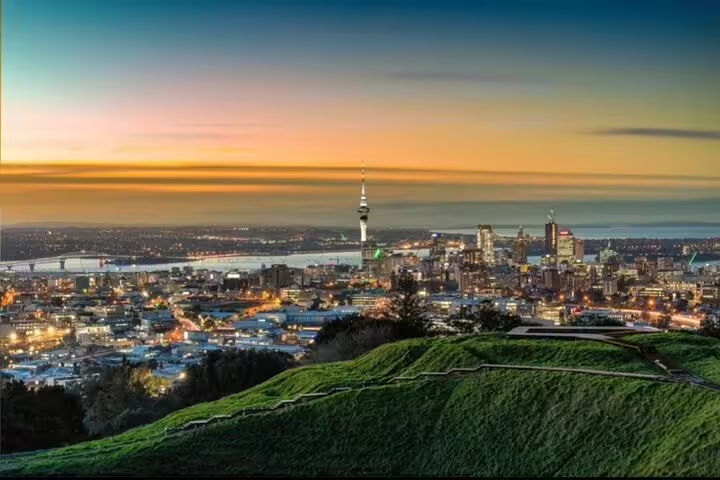
Maungawhau, Auckland War Memorial Museum and Auckland Art Gallery make a varied city itinerary, with volcanic landscape, heritage and art. Maungawhau, also called Mount Eden, rises to 196 m and was once a Māori fortified settlement built for thousands of people. Its name means mountain of the whau tree, adding a cultural connection to the volcanic setting.
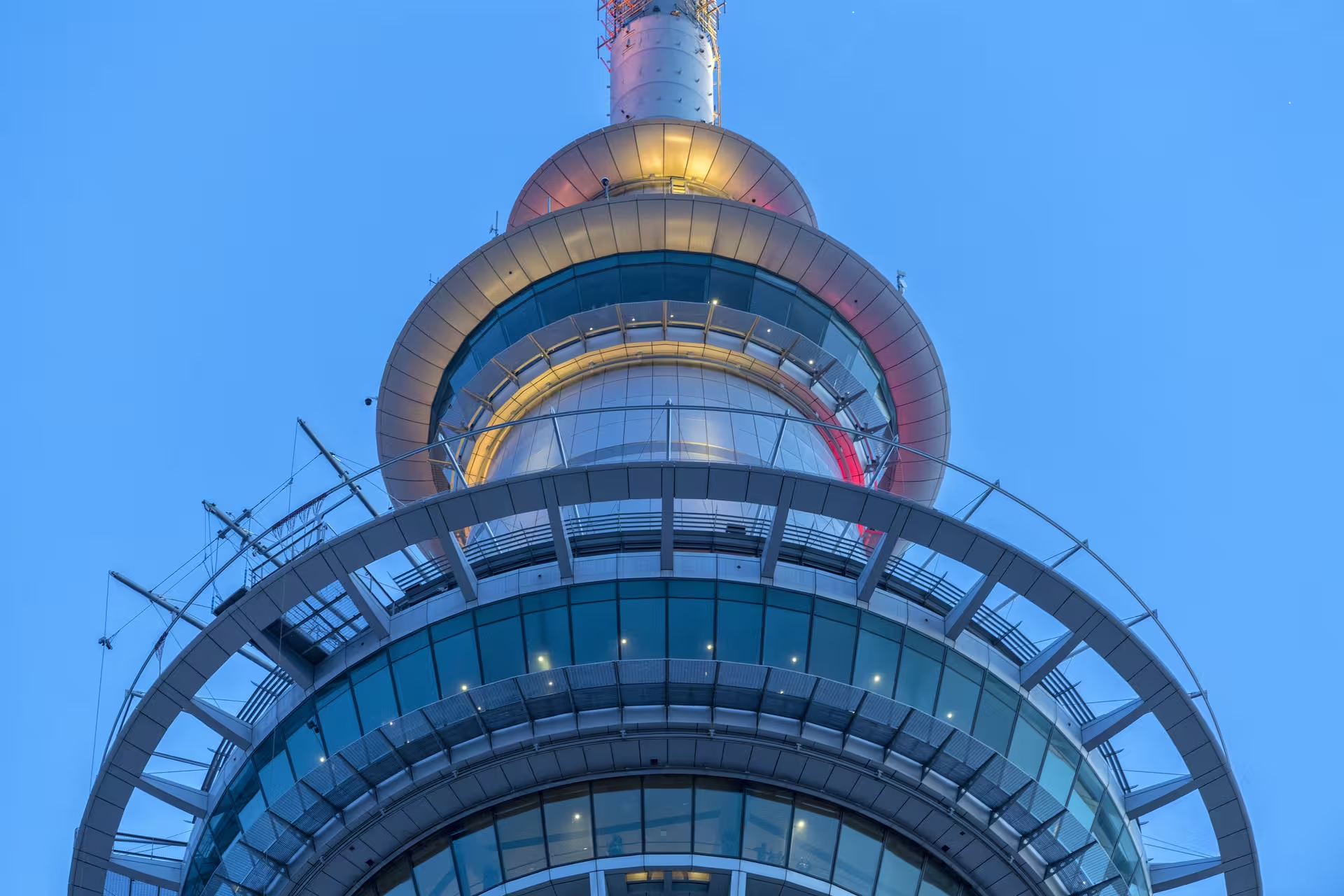
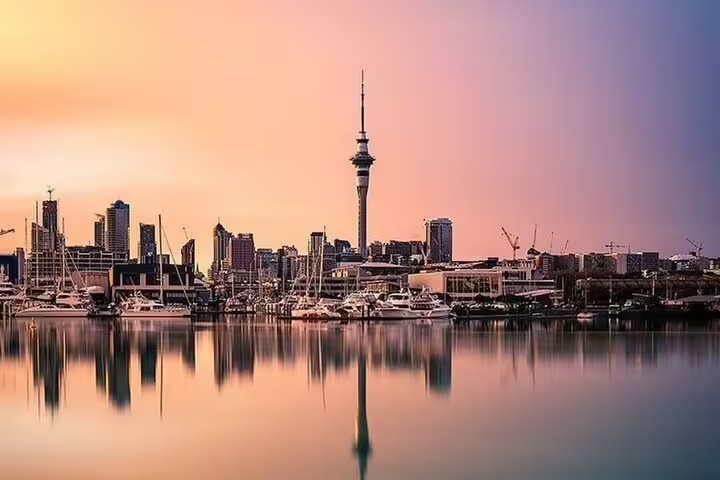
The museum stands on Pukekawa, while Auckland Art Gallery dates back to 1888. For a contrast in scale, the Sky Tower reaches 328 m.
The self-guided Auckland walking tour with audio commentary lasts 1 hour and 30 minutes and includes 17 audio commentaries through the navaway app, a walking route and an interactive map for your device.
Three days is a reasonable plan for city sights and an island outing. A suggested first day pairs Maungawhau with Auckland War Memorial Museum; the next leaves room for Auckland Art Gallery and the Sky Tower. The remaining day can be set aside for Rangitoto, which rose from the sea about 600 years ago and is accessible by passenger ferry or charter.
The full-day guided Auckland city highlights tour for up to 9 people lasts 6 hours and 30 minutes, with a licensed professional guide throughout and transport between the tour sites.
Summer, from December to February, suits travellers who want warmth, while winter, from June to August, stays relatively mild but is usually the wettest time of year. Auckland has a subtropical climate, and its summers tend to be humid. Rain is abundant throughout the year and can occasionally be very heavy, so a walking itinerary needs flexibility in any season. Keeping the museum or gallery in the plan gives you an alternative when rain interrupts outdoor visits.
A passenger ferry or charter gets you to Rangitoto; that connection makes an island day a practical addition to a city stay. For Waiheke, a passenger ferry runs from central Auckland to Matiatia Bay in about 40 minutes. Auckland Harbour Bridge links St Marys Bay with Northcote on the North Shore, a useful distinction when planning visits across the harbour.
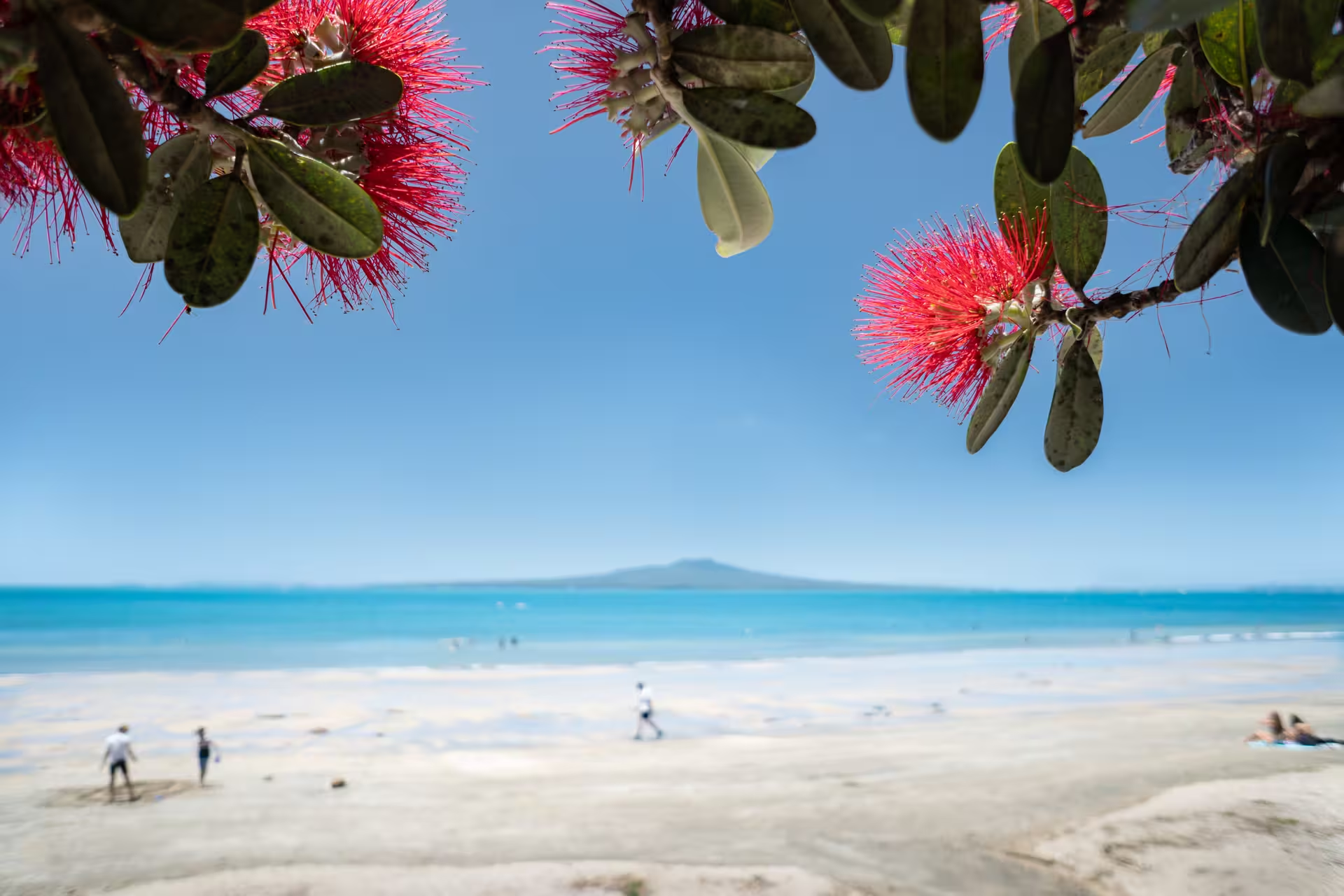
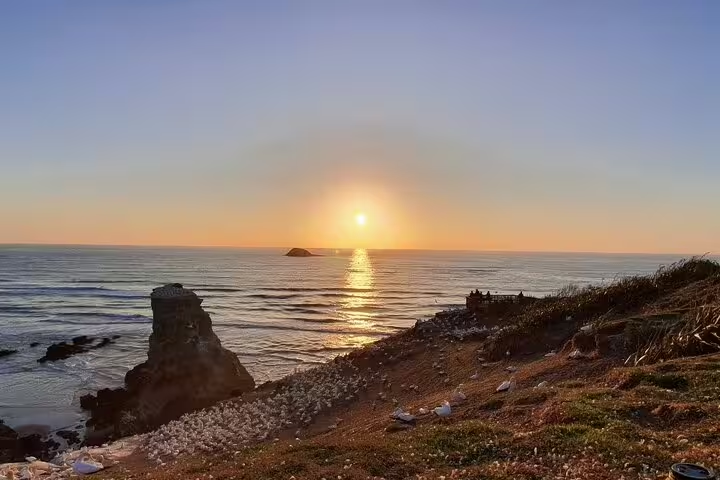
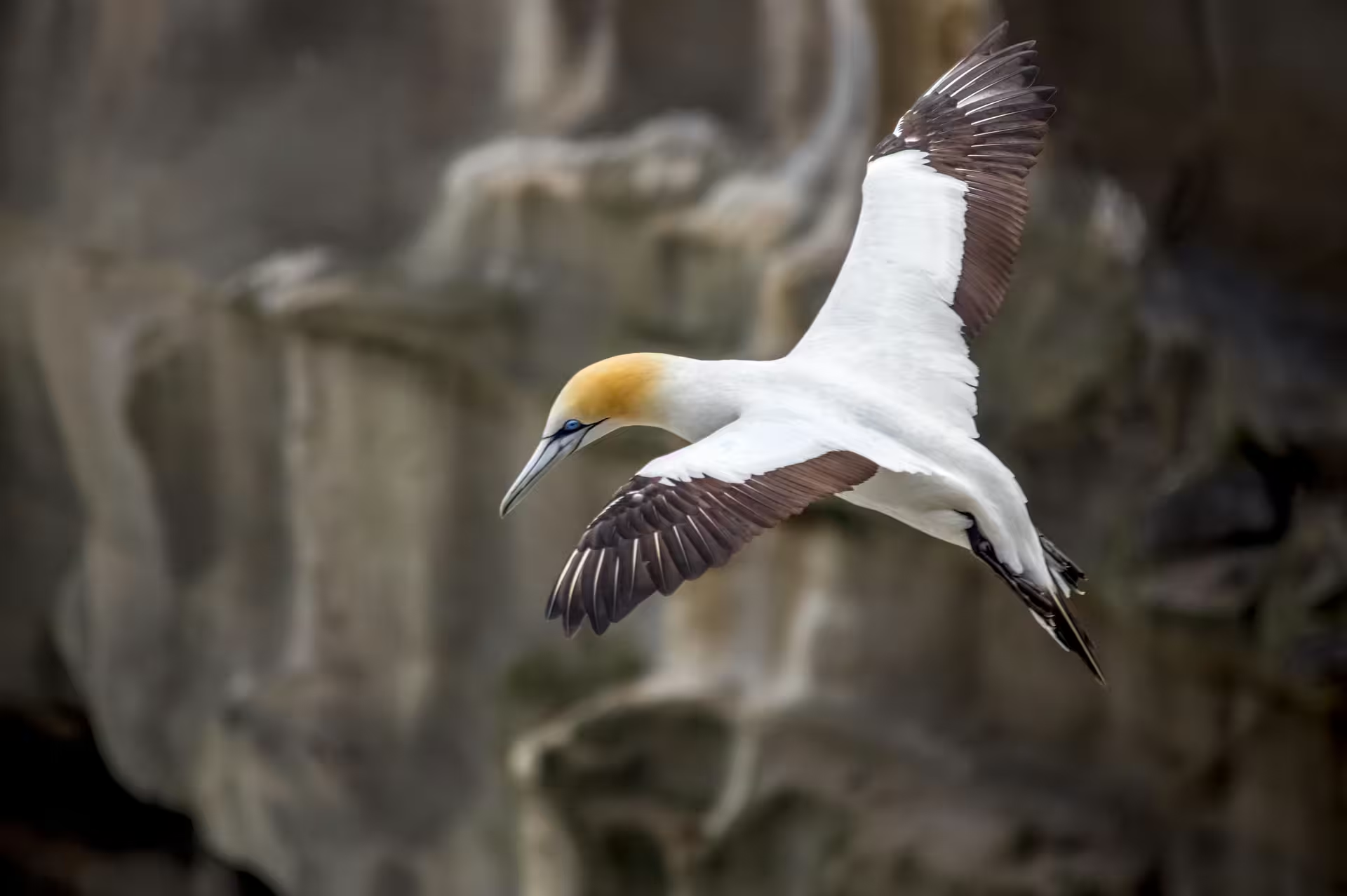
Rangitoto suits an interest in volcanic landscapes, while Tiritiri Matangi is an option for native birdlife. Kōkako and takahē are among the rare native birds thriving on Tiritiri Matangi. Forest and coastal wildlife offer another direction: the Waitākere Ranges Regional Park covers more than 16,000 hectares of native rainforest and coastline, and Muriwai has a gannet colony on its cliffs.
The art and sculpture gardens day trip from Auckland lasts 7 hours and includes return transport to Sculptureum, entry to three sculpture gardens, access to six art galleries and guided commentary during the journey.
A city base suits a trip built around Maungawhau, Auckland War Memorial Museum and a ferry outing. Accommodation plans can follow that balance: city visits first, with a separate day for an island.
Across much of Auckland, the annual total is about 2000 hours of bright sunshine.
Tiritiri Matangi lies 4 km off the coast of the Whangaparāoa Peninsula, north of Auckland.
A permit is required for a visit to Te Hauturu-o-Toi.
The crater in the southern cone of Maungawhau measures 180 metres across and 50 metres deep.