Last updated:


A North Island trip can bring together volcanic landscapes, geothermal activity and Māori history. Its Māori name, Te Ika-a-Māui, translates as the fish of Māui, while Cook Strait separates it from the South Island.
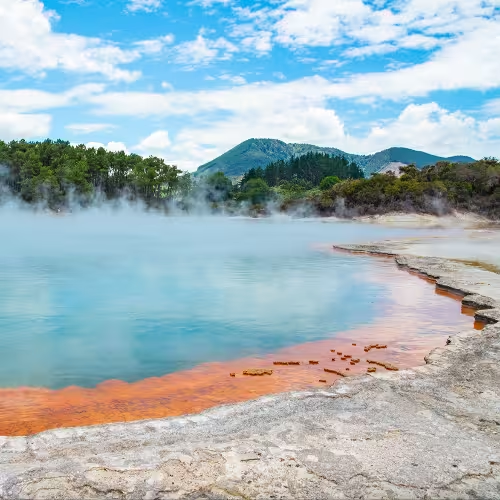
Rotorua, Waitomo and Tongariro offer different reasons to spend time away from the cities: geothermal activity, glowworms and a long walk. Rotorua takes its name from the lake whose southern shore it occupies, and its caldera drives geothermal activity across the city and surrounding area. At Whakarewarewa, Pōhutu Geyser can send water up to 30 m into the air. Te Arawa Māori settlement in Rotorua dates back to the 14th century, adding a historical thread to a visit focused on geothermal landscapes.
Waitomo offers a different encounter with nature, in a limestone ridge formed beneath the ocean about 30 million years ago. Its glowworms belong to a species native only to New Zealand. For walking, the Tongariro Alpine Crossing covers about 19.4 km and takes seven to nine hours of walking, so allow a full day, start early and plan transport at both ends, as it is a one-way track. That makes it a substantial walking day rather than a brief stop. Tongariro National Park holds dual World Heritage status.
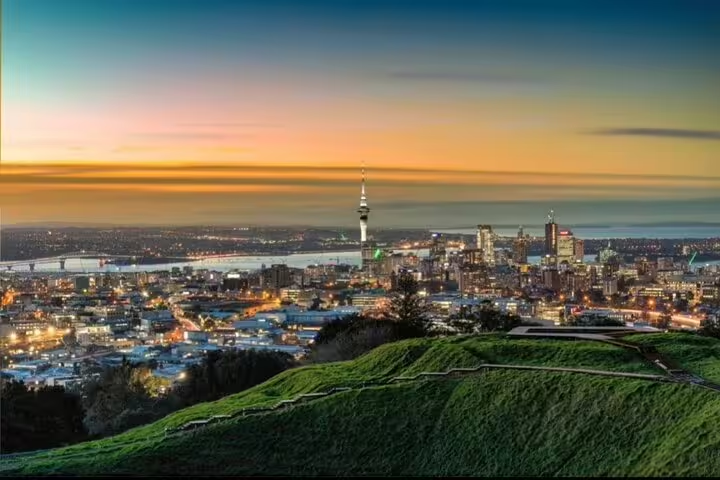
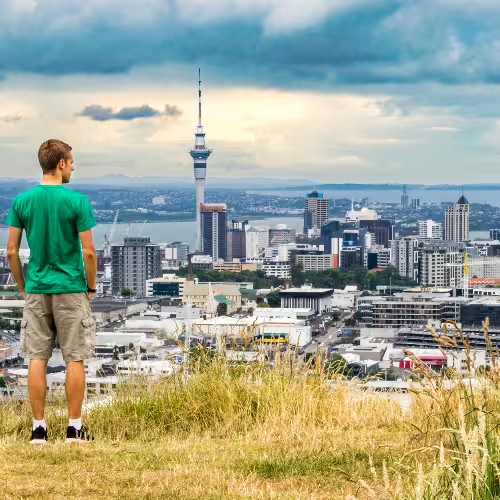
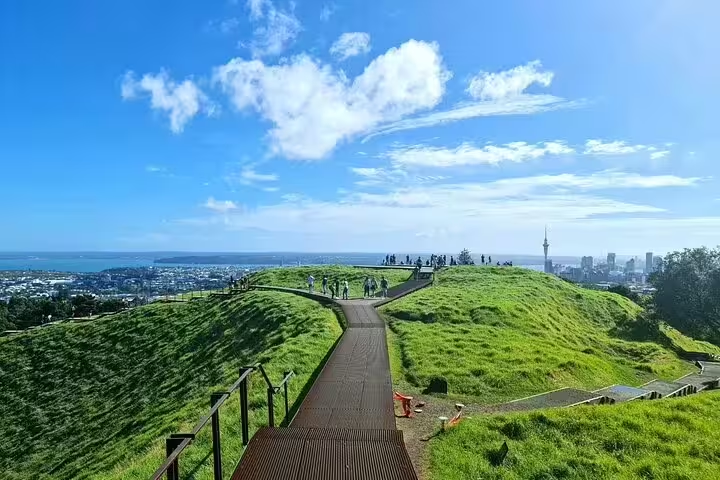
Six sightseeing days provide a suggested outline for Auckland, Waitomo, Rotorua, Taupō, Tongariro and Wellington, with travel between them planned separately. Day one can focus on Auckland, where 53 volcanic centres form the Auckland Volcanic Field. Day two is for Waitomo and its glowworm cave; day three is for Rotorua and Whakarewarewa. Day four can centre on Lake Taupō and Huka Falls, where the Waikato River contracts from about 100 m across into a 15 m canyon. Day five is the Tongariro walking day; day six is for Wellington, the capital since 1865. Allowing a spare day helps, as the Tongariro crossing depends on the weather and Wellington is several hours' drive from the park.
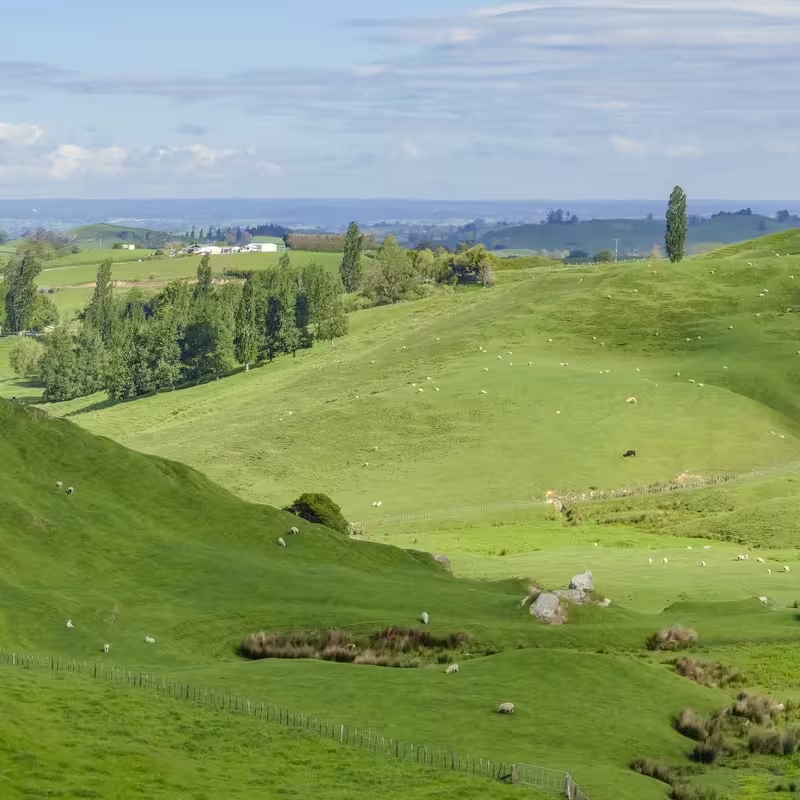
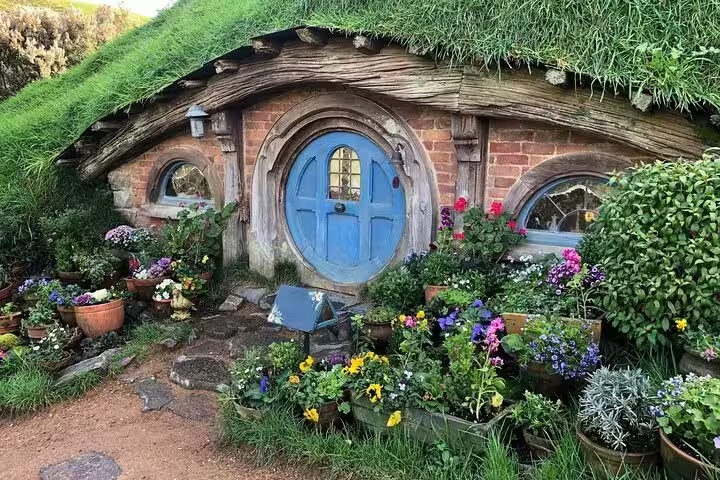
An additional Auckland-based excursion is the Hobbiton Movie Set guided tour from Auckland, lasting 9 hours with return minivan transport, air conditioning, a guided set visit, a light café snack and a drink included.
Rotorua has a mild, temperate climate. Summer runs from December to February, with average daytime highs of about 21 to 23 °C; winter, from June to August, brings average highs of about 12 to 13 °C and cold nights around 4 °C, with occasional frosts. Spring (September to November) and autumn (March to May) sit in between.
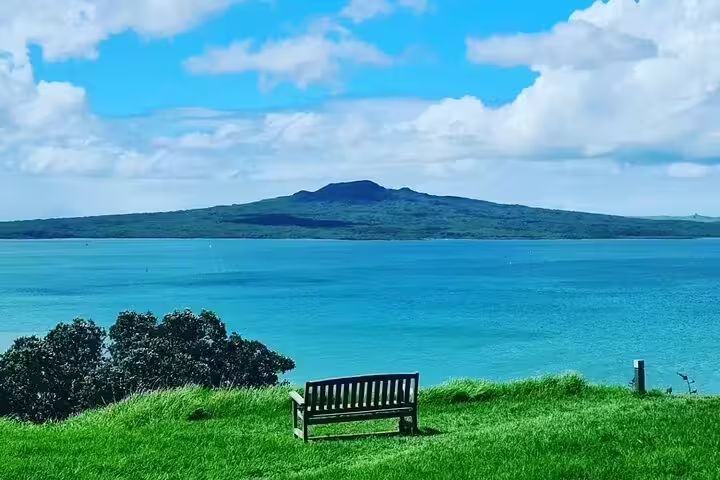
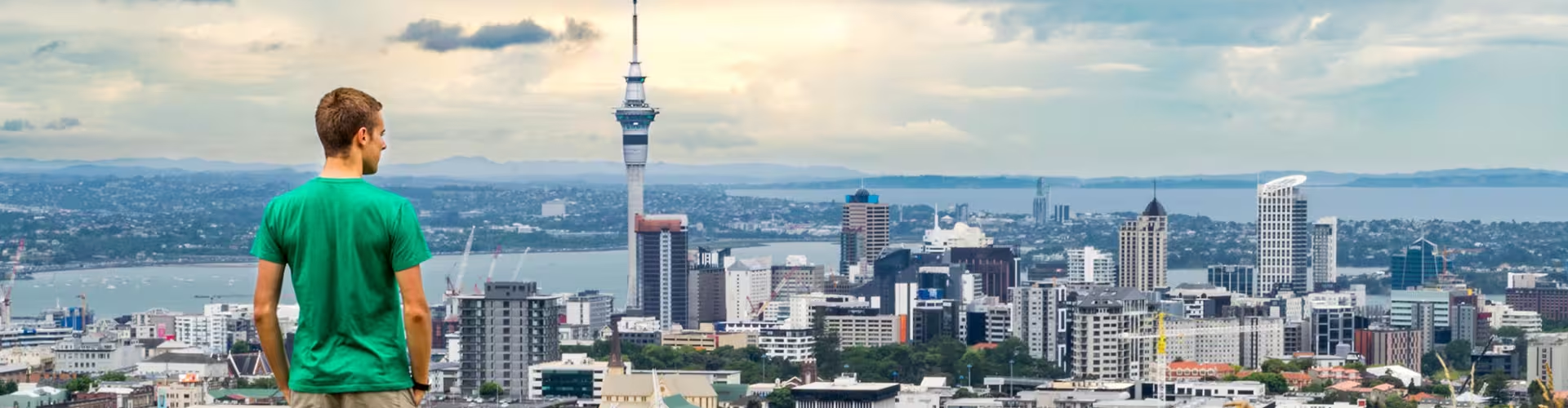
Walking and guided tours are options for exploring Auckland, while travel between the island's destinations needs separate planning. A self-guided Auckland walk with audio commentary lasts 1 hour and 30 minutes and includes a central business district route, 17 app commentaries and an interactive map. An Auckland city highlights guided tour lasts 3 hours and 30 minutes, with a local professional guide and entry to the featured outdoor and public sites.
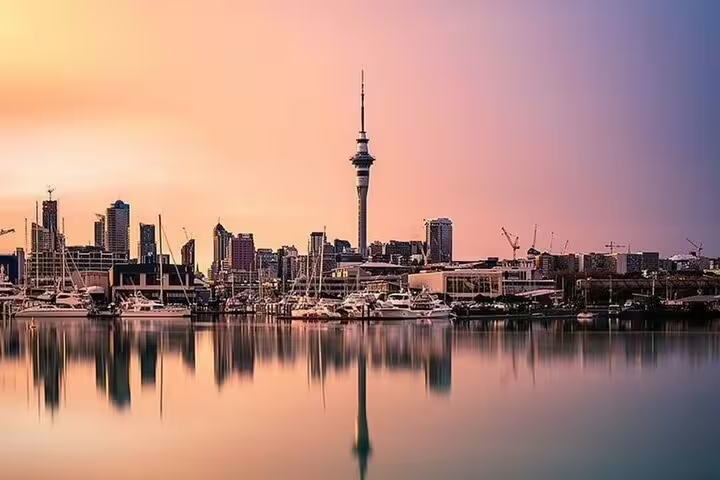
Auckland is a practical base for those city walks and the Hobbiton excursion; Rotorua is an alternative focus for a stay centred on geothermal activity. For orientation in Auckland, Waitematā Harbour lies north of its isthmus and Manukau Harbour lies south.
At Whakarewarewa, eruptions of Pōhutu Geyser occur roughly once an hour.
Lake Taupō reaches a depth of 186 m.
Ski resorts can be found on the slopes of Ruapehu.