Last updated:


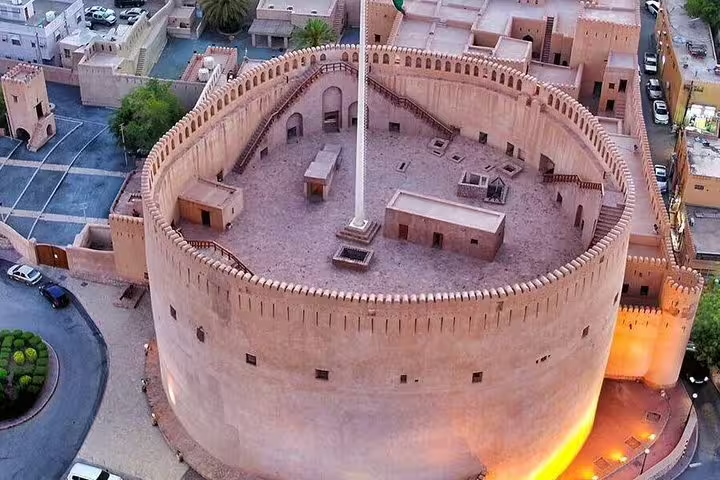
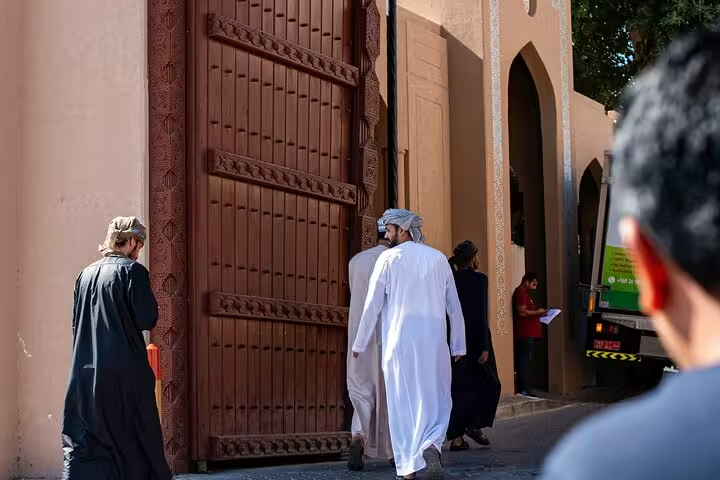
Nizwa is worth a stop for its fort, traditional market and museum, especially if you want to look beyond monuments to the objects people make and trade. In the interior of Oman, this former capital brings together defensive architecture, copperware and silverware, so a visit can move between buildings and the details inside them.
Two days would let you divide a visit between the fort and traditional market on the first day, then Nizwa Museum and Bayt Al Ridaydah on the second. That is a suggested itinerary for looking closely at the different places, rather than trying to turn every stop into a quick look.
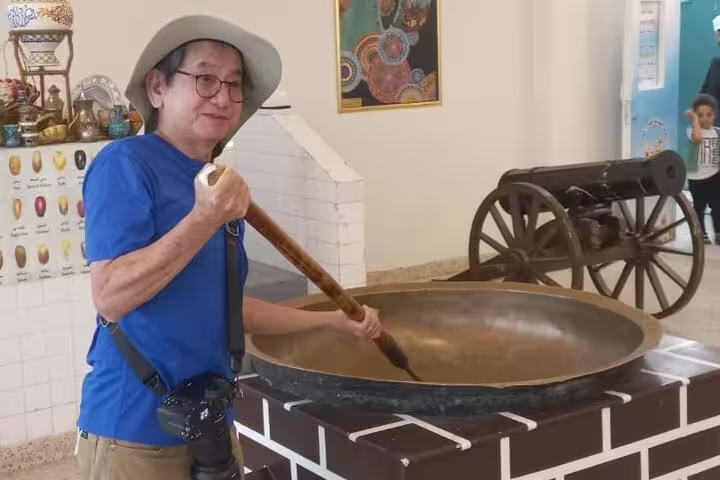
The market rewards attention to particular materials: handcrafted silver and copper objects share the shopping possibilities with clay frankincense burners. At the museum, pottery, manuscripts and copperware shift the focus from what you might buy to what you can examine on display.
If you have a single day for forts, souks and heritage, a full-day guided Nizwa tour offers that focus with a local guide.
Nizwa makes sense as an inland heritage stop from Muscat, about 164 km away. Its role as Oman's capital lasted for centuries, which makes the fort and museum a natural pairing if history is your reason for coming.
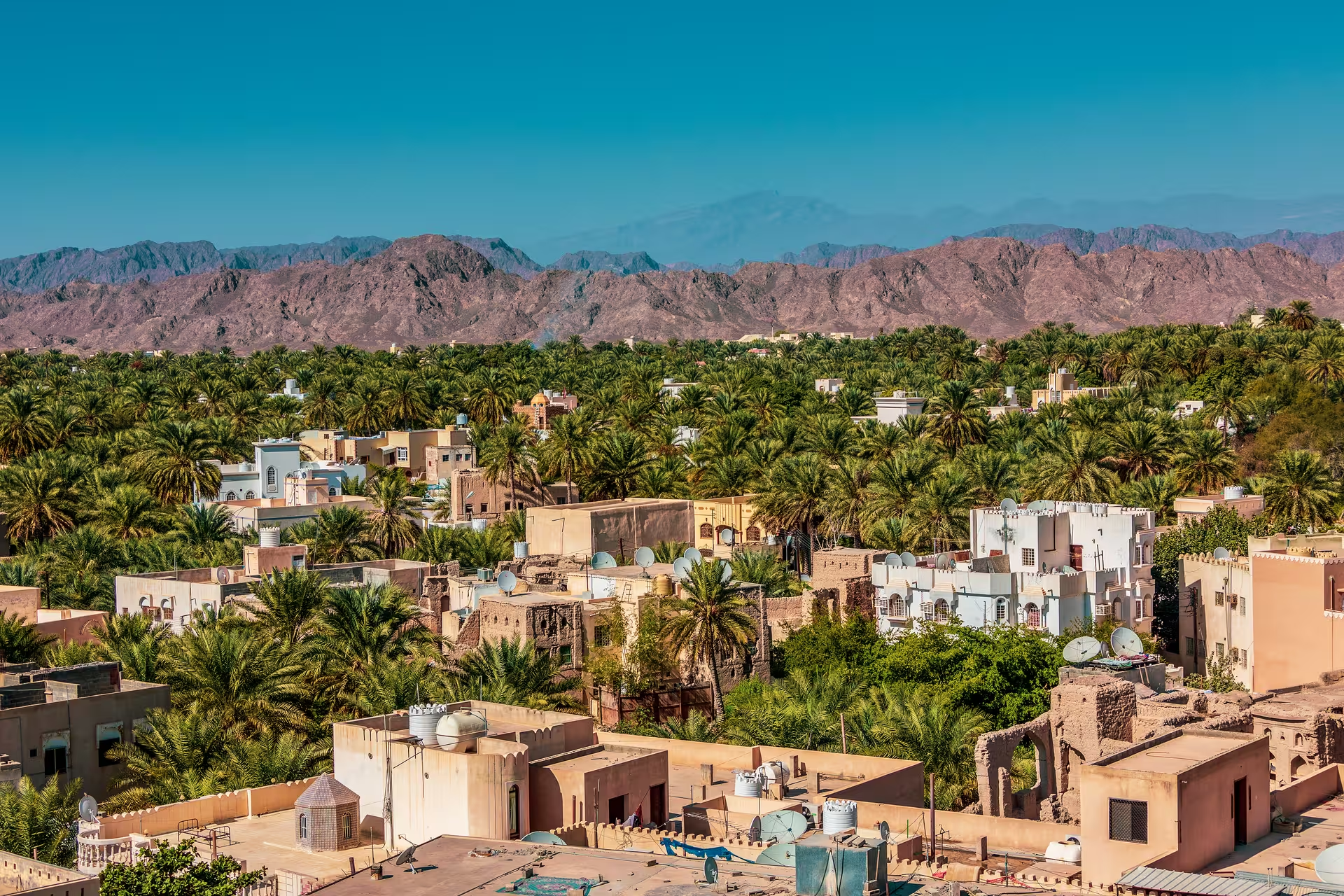
For travellers wanting Nizwa alongside village visits, a full-day guided tour of Nizwa, Al Hamra and Misfah Village brings those destinations into one day.
The fort is worth exploring for its defensive layout. A narrow staircase follows an H-shaped route through seven fortified doorways, so the passage through the building is part of what to notice.
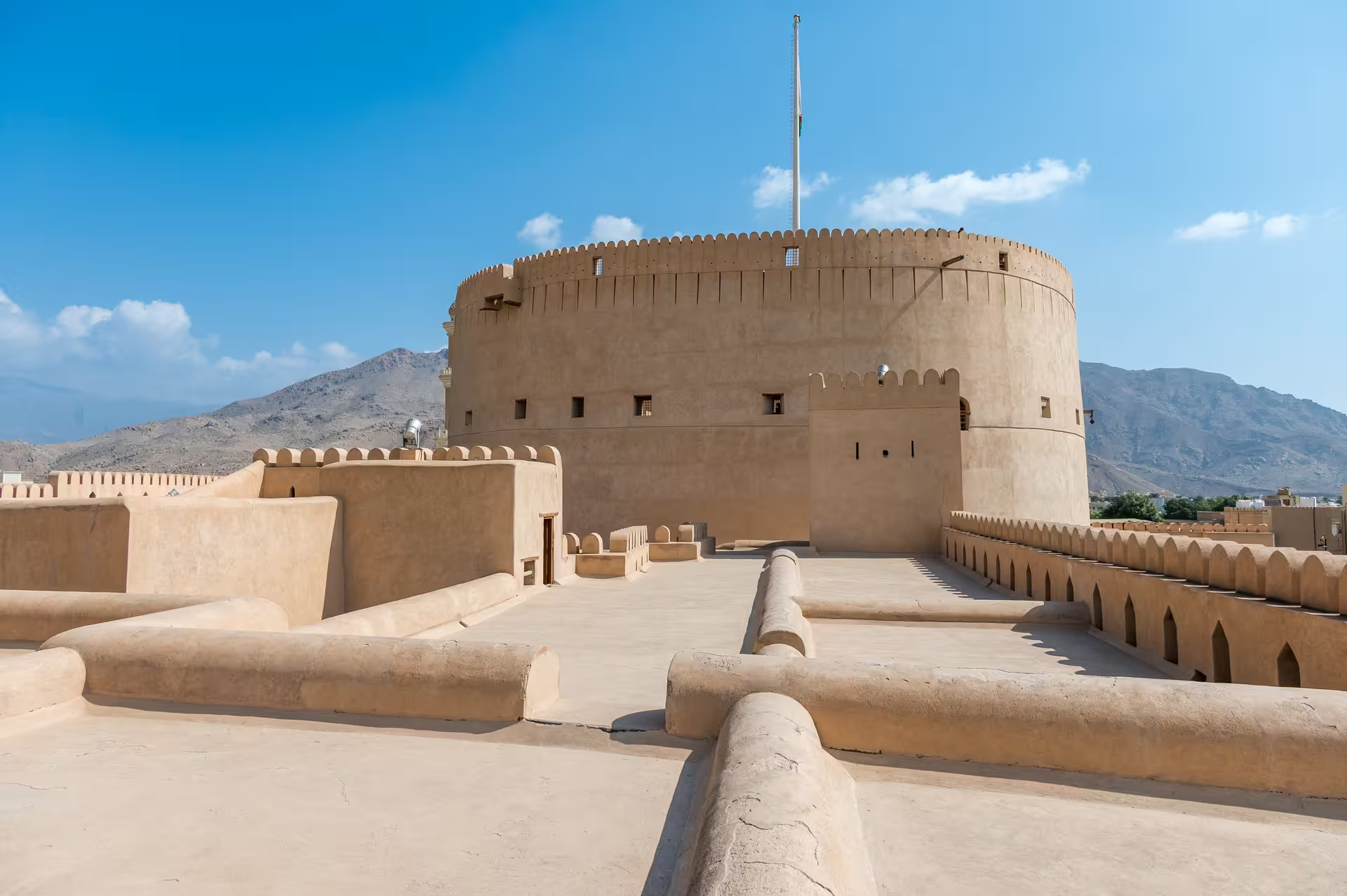
Stone and sarooj, a traditional Omani building material, form the walls, so the construction itself is worth a close look.
If a night visit appeals, the Nizwa night tour with the fort, Silver Souq and Roof of Oman includes entry to Nizwa Fort.
Nizwa Museum and Bayt Al Ridaydah deserve time if objects and building details interest you as much as fortifications. Traditional craft tools and Omani manuscripts more than 400 years old broaden the museum visit beyond copper and pottery.
Bayt Al Ridaydah offers a different detail to look for: Falaj Al-Khatmain runs through its courtyard, while a well sits within the building. These are the features to focus on there if you want to balance the fort's defensive architecture with a look at water within another building.
January is a more comfortable choice than June for a visit involving walking, with a much cooler average temperature. June is the hotter of these months, so favour January if exploring on foot matters to your plans.
Nizwa Fort was built in the middle of the 17th century.
Yes, Falaj Daris received UNESCO World Heritage status in 2006, and Nizwa itself joined the UNESCO Global Network of Learning Cities in 2024.
Yes, sheep, cows and camels are sold at Nizwa's livestock market through an auction system called Al Munadat.