Abydos stands as one of Egypt's most significant archaeological sites, located in Upper Egypt along the Nile River. This ancient city served as a major religious center and burial ground for pharaohs, featuring world-renowned temples and monuments that reveal the grandeur of Old Kingdom civilization.
What to see in Abydos
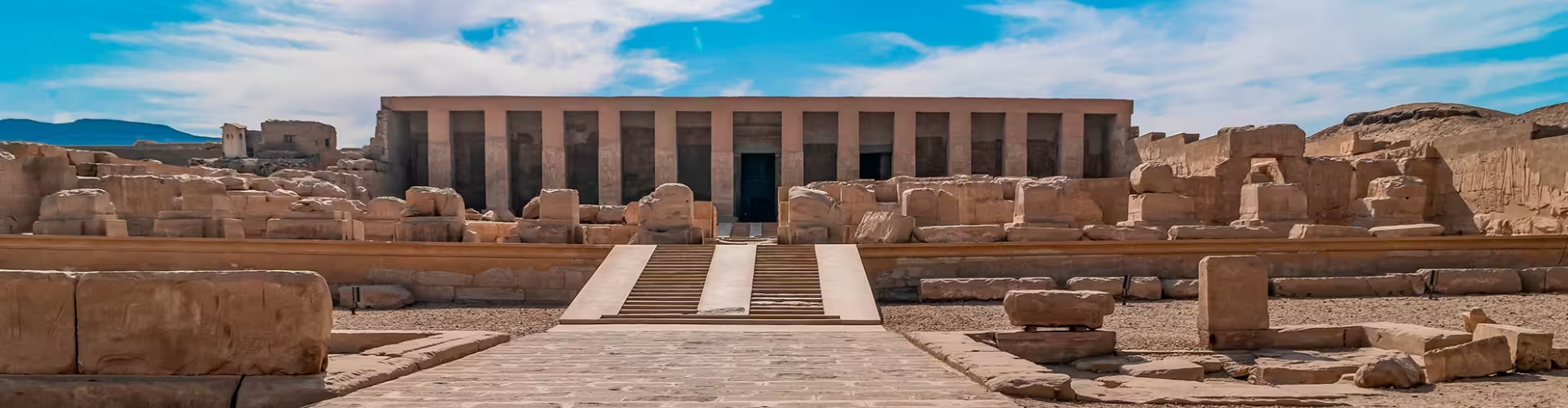
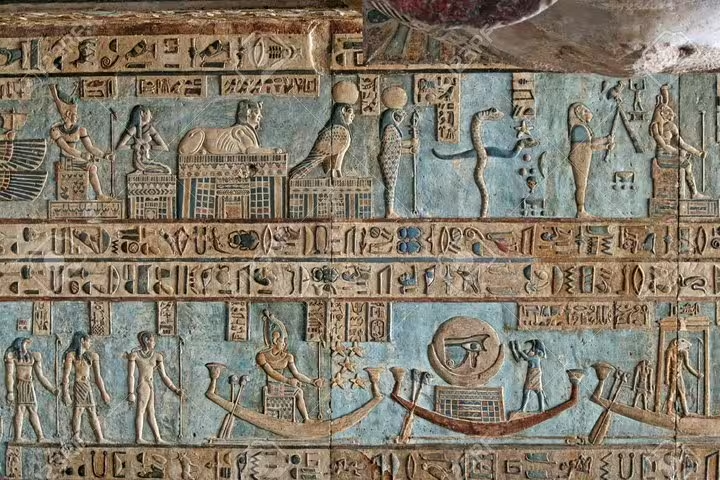
The Temple of Seti I dominates the landscape with its well-preserved reliefs and inscriptions that depict daily life and religious rituals of ancient Egypt. Visitors should also explore the Osirion, a mysterious underground temple adjacent to Seti I's complex, and the Temple of Ramesses II, which showcases impressive architectural design and historical significance.
Things to do in Abydos
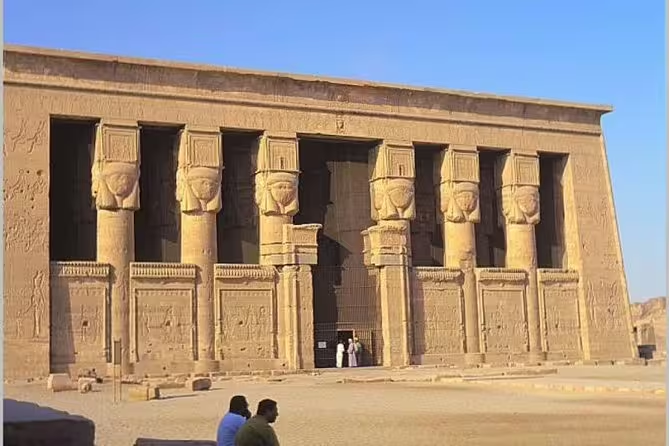
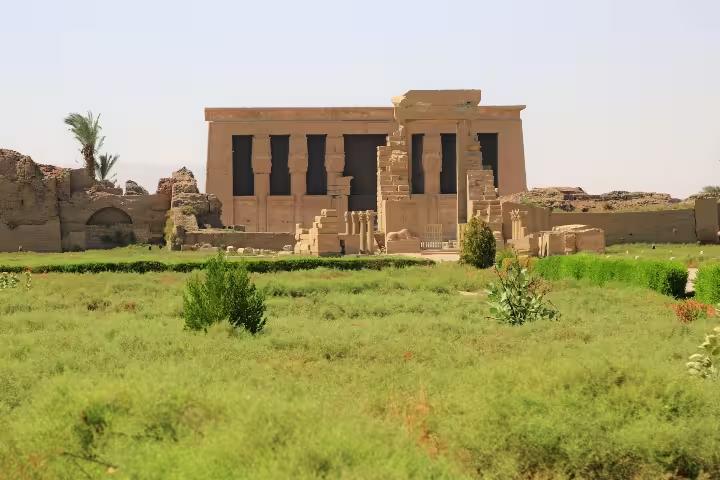
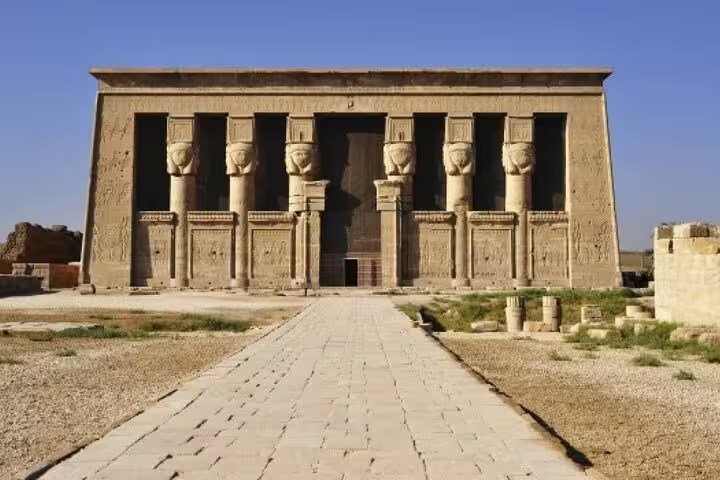
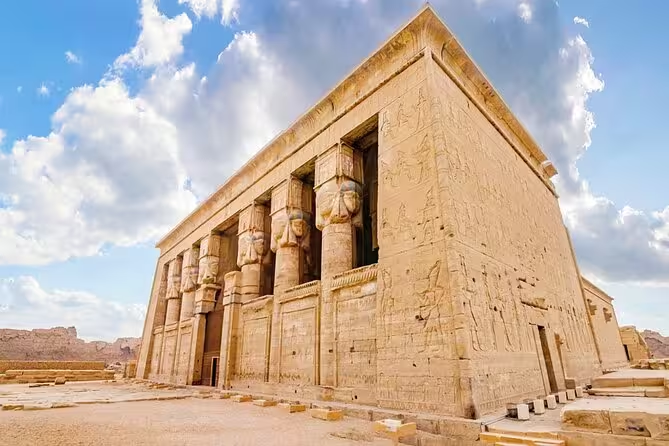
Guided archaeological tours provide deep insights into the site's history and significance. Many travelers combine visits to Abydos with boat cruises along the Nile or trips to nearby Dendera, creating a comprehensive experience of Upper Egypt's ancient wonders and cultural heritage.
Ancient Egyptian Religious Significance
Abydos held profound spiritual importance as the legendary burial place of Osiris, god of the afterlife. Pilgrims journeyed here for thousands of years to honor the deity, and pharaohs constructed elaborate temples to ensure divine blessing, making Abydos a center of spiritual devotion throughout ancient Egyptian history.
Abydos is located in Upper Egypt along the Nile River, approximately 300 kilometers north of Luxor. The site served as a major religious and administrative center during ancient Egypt's Old Kingdom and remains one of the country's most archaeologically significant destinations. Its strategic location made it a pilgrimage destination for thousands of years.
Archaeological Site, Ancient Egypt, Upper Egypt, Religious Center, Temple Complex, Nile Valley, Pharaonic Monument, Historical Destination