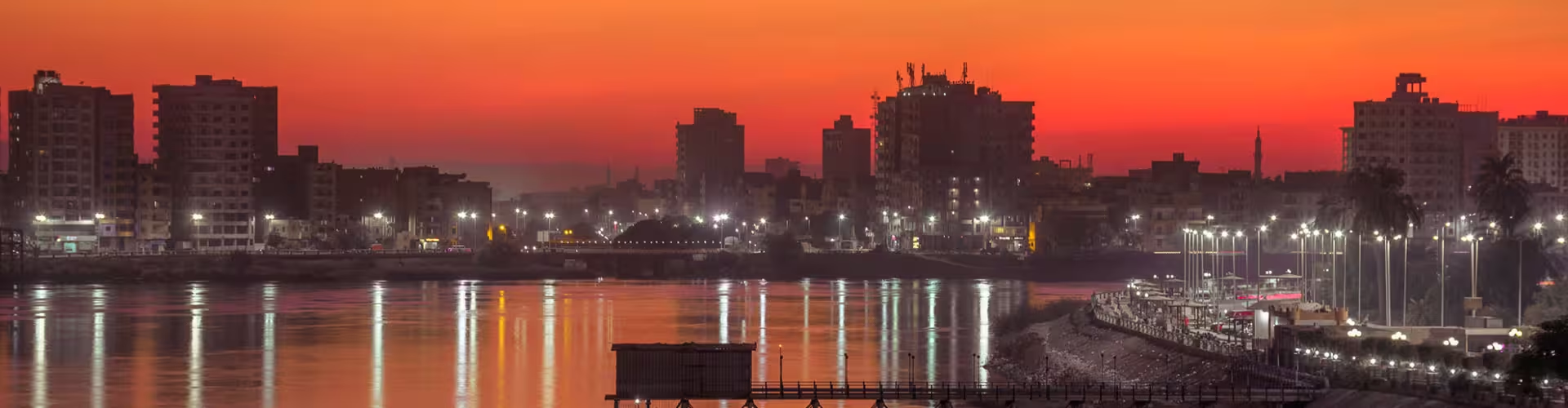


Sohag Governorate rewards travelers who want Egypt beyond the headline sights, with a slower rhythm, river life, and deep layers of ancient and living heritage. This guide focuses on practical decisions, what to prioritize, how to move around, and how to shape your time so it feels immersive rather than rushed. Expect a destination that is culturally rich, locally grounded, and best enjoyed with curiosity, patience, and a plan.
Sohag Governorate feels like Upper Egypt at human scale, with Nile-side scenery, everyday markets, and historic sites that invite unhurried exploration. The signature vibe is authentic and community-focused, with travel moments shaped as much by people and place as by monuments. Go now if you want a less crowded alternative to Egypt’s busiest circuits and you value depth, conversation, and atmosphere.
Sohag Governorate sits in Upper Egypt along the Nile corridor, a region known for its agricultural landscapes, traditional towns, and long historical continuity. Most travelers approach Upper Egypt via major hubs such as Cairo, then continue south toward the Nile Valley. Plan your route around your wider Egypt itinerary, because Sohag works well as a stop that adds texture between larger, better-known destinations.
For Upper Egypt, seasonality is mainly about heat and comfort. Cooler months generally support longer sightseeing days, easier walking, and more flexible timing for outdoor visits. Warmer periods can still work if you build your day around early mornings and late afternoons, prioritize shade, and schedule indoor or low-exertion activities during the hottest hours.
Carry Egyptian pounds for everyday purchases, small tips, and local transport, because cash is often the most practical option for day-to-day transactions. Keep smaller notes accessible so you can pay quickly and avoid needing change. For peace of mind, separate your spending cash from your backup funds, and confirm totals before paying when shopping in busy areas.
Note: To keep this guide accurate, the experiences below focus on high-confidence, destination-fit activities for Upper Egypt travel in Sohag Governorate without listing specific venues, ticket prices, or opening hours.
Nile-side time and river viewpoints
The Nile is the emotional center of Upper Egypt, and time near the water helps you understand daily life, farming rhythms, and the region’s natural palette. It is also the easiest way to slow down and reset between site visits. Practical tip: plan river time for early morning or late afternoon for softer light and more comfortable temperatures.
Old-town wandering and local markets
Markets and older streets reveal the destination’s real texture, from household goods to seasonal produce. This is where you can practice respectful travel, observe routines, and pick up small items that feel genuinely local. Practical tip: keep your phone and wallet secure in crowds, and ask before photographing people or stalls.
Heritage-focused day of ancient Egypt context
Upper Egypt is foundational to Egypt’s historical narrative, and Sohag Governorate sits in a landscape shaped by millennia of settlement. Even without a packed checklist, learning the broad storyline adds meaning to everything you see. Practical tip: hire a licensed guide for a half-day to connect the dots between geography, belief systems, and architecture.
Village and farmland scenery in the Nile Valley
The green belt along the Nile contrasts strongly with the desert edges, and short drives can show how life clusters around water and fertile land. This is also a good way to experience the region without needing a strict schedule. Practical tip: bring sun protection and water, and keep your pace flexible so you can stop for photos without stress.
Local cafés and tea culture
Cafés are social spaces where you can pause, people-watch, and get a feel for local conversation and tempo. It is a small experience, but it often becomes the most memorable because it feels earned, not staged. Practical tip: choose a seat with a view of the street, and keep your order simple if you do not speak Arabic.
Sunrise or sunset photo session
Light changes quickly in the Nile Valley, and the best images often come from ordinary scenes, boats, fields, and streets, rather than only famous monuments. This is also a calming way to end a busy day. Practical tip: decide your photo goal in advance, river, street life, or landscapes, then commit to one area so you are not rushing.
Craft and everyday shopping with intention
Shopping can be meaningful when it supports local makers and keeps your souvenirs connected to place. Focus on items you will actually use, and prioritize quality over quantity. Practical tip: agree on a price before paying, and keep purchases small if you are traveling onward with limited luggage space.
Food-first exploration
Food is one of the most direct ways to understand a region, especially in Upper Egypt where home-style flavors and simple staples define the table. Even a short trip feels richer when you plan a few meals with purpose. Practical tip: if you have a sensitive stomach, stick to busy places with high turnover and choose freshly cooked dishes.
Start early with a Nile-side walk to catch cooler air and a clear sense of the landscape. Move into local streets and a market area for a mid-morning window into daily life, then take a midday break in a café to avoid peak heat. In the afternoon, focus on one heritage-oriented visit with a guide or a well-researched plan, then finish with sunset light near the river and a relaxed dinner.
Day one mirrors the highlights but adds time for unstructured wandering, because the value of Sohag Governorate often sits in small observations. Day two can prioritize countryside scenery and village life, with multiple short stops rather than one long push, then a food-focused evening where you try several dishes at a steady pace. If you have a third day, use it as a buffer for anything you missed, slower shopping, and a second golden-hour session so you can photograph with more confidence and less pressure.
Note: Specific signature dishes can vary by household and neighborhood. Use the suggestions below as ordering strategies that work well in Upper Egypt without relying on exact restaurant menus.
Fresh baladi bread with dips
Expect warm, simple bread that pairs well with savory sides and makes any meal feel complete. The flavor is hearty and comforting, designed for sharing. Ordering tip: ask for bread that is freshly baked, and pair it with a couple of small dishes so you can sample more variety.
Grilled meats and kofta-style plates
Char and spice are the main notes here, often balanced with bread and simple salads. It is satisfying and familiar, which can be helpful if you are easing into local flavors. Ordering tip: request a mixed plate if available so you can compare textures without over-ordering.
Legume-based comfort bowls
Beans and lentils are common, filling, and well suited to travelers who want a budget-friendly meal. The taste profile is earthy and warming, often seasoned simply. Ordering tip: choose this at busy lunchtime spots so you get a fresh batch.
Rice and vegetable sides
These sides anchor many meals and help balance richer mains. Flavors tend to be mild, letting herbs and cooking technique do the work. Ordering tip: ask for a couple of side plates to share, then build your meal around what you like most.
Seasonal fruit and simple sweets
Upper Egypt’s fruit can be a highlight when it is in season, and sweets often lean toward straightforward, comforting profiles. This is a good way to end a meal without going too heavy. Ordering tip: buy fruit from a vendor with high turnover, and wash it yourself when possible.
Tea and café drinks
Tea culture is part of the daily rhythm, and a cup can be both a break and a window into local social life. Flavor varies by sweetness and strength. Ordering tip: if you prefer less sugar, ask for it lightly sweetened, and sip slowly while you plan your next stop.
Getting around in Sohag Governorate is easiest when you mix walking for short distances with local transport for longer jumps. Walk where streets feel comfortable and you have clear landmarks, because it is the best way to notice details, shop, and take photos. For longer distances, use reputable local drivers or arranged transport through your accommodation, confirm the route and total cost before you depart, and keep a written destination name in Arabic if possible to reduce confusion.
Safety and accessibility depend on the specific area and time of day, so prioritize well-lit streets after dark and keep extra water on hand in hot weather. If you have mobility needs, plan fewer stops with more time at each one, because sidewalks and street surfaces can be uneven.
Note: Day-trip feasibility depends on road conditions, start time, and your wider Egypt route. Use these as planning ideas, then confirm travel times locally.
Nile Valley countryside loop
A short countryside loop is ideal when you want scenery, village life, and a calmer pace. It is less about checking boxes and more about seeing how the landscape supports daily routines. Travel time: variable, plan as a half-day or full-day with multiple short stops.
Desert-edge viewpoints
Where the green belt meets the desert, the contrast is dramatic and helps you understand settlement patterns. This is also a strong option for photography and quiet. Travel time: variable, best paired with sunrise or sunset.
Neighboring towns for market day energy
Nearby towns can offer different market scenes and street life, which keeps a multi-day trip feeling fresh. The main reason to go is atmosphere and local commerce rather than a single landmark. Travel time: variable, ask locally which day has the strongest market activity.
Plan one heritage-focused activity, one market or old-street wander, and one Nile-side session for golden-hour light. This mix keeps your day balanced and avoids spending all your time in transit.
One day covers a highlights-style overview, but 2 to 3 days lets you slow down and enjoy the destination’s pace. Sohag Governorate feels most rewarding when you leave room for unplanned discoveries.
Carry cash in Egyptian pounds for small purchases, local transport, and tips. Cards can be useful in some settings, but cash keeps you flexible day to day.
In warmer weather, prioritize early morning and late afternoon for walking and outdoor exploration. Use midday for cafés, rest, and planning so you can enjoy the second half of the day.
Spend time in markets, local cafés, and ordinary streets, then add a countryside loop to see the Nile Valley landscape. Sohag Governorate is at its best when you focus on daily life as much as sightseeing.