Last updated:


Ávila suits a visit centred on its walls, churches and the story of Santa Teresa. Its old town and churches beyond the walls received UNESCO World Heritage status in 1985. The city is in Castile and León, north of the Sistema Central in the central Iberian Peninsula.
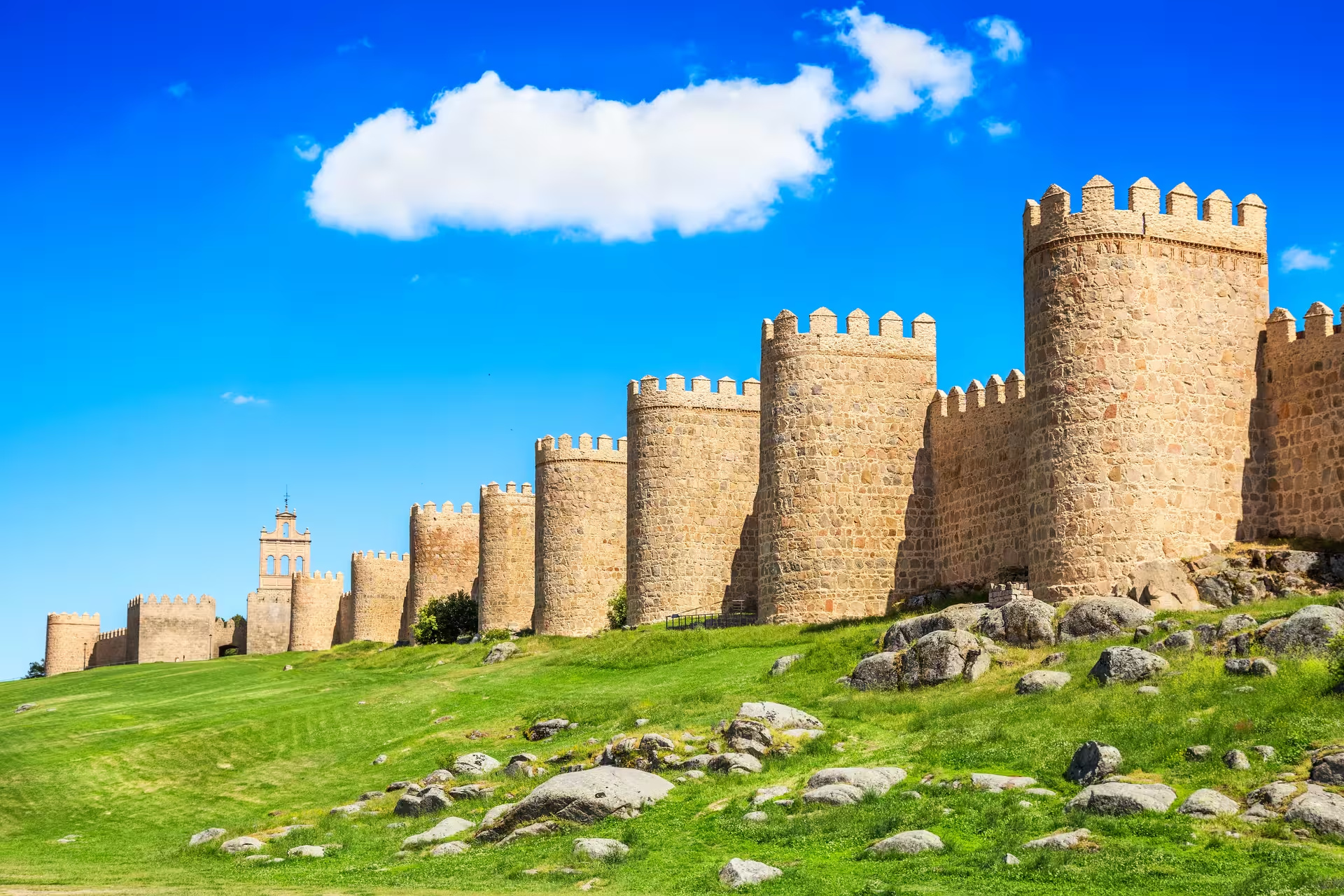
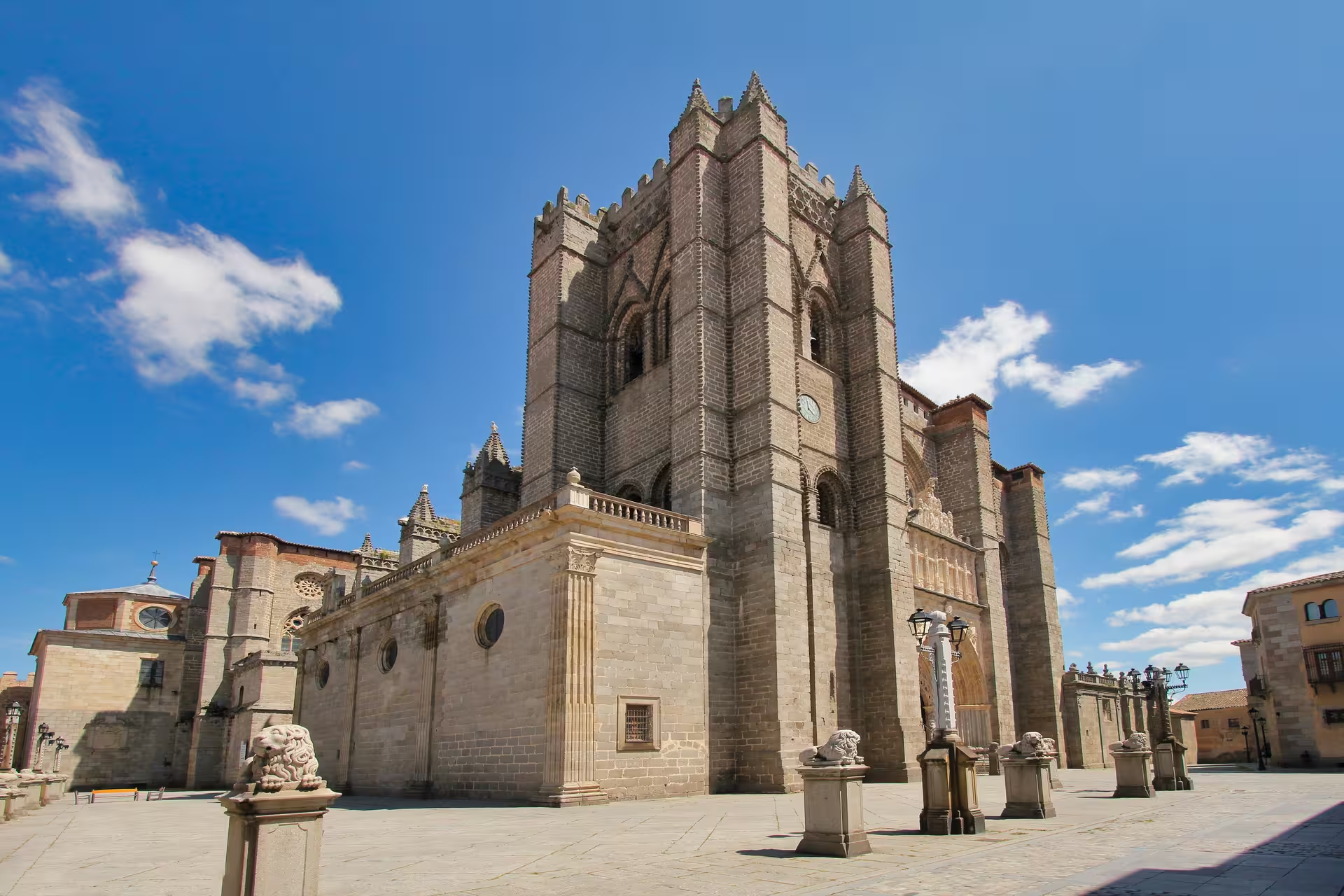
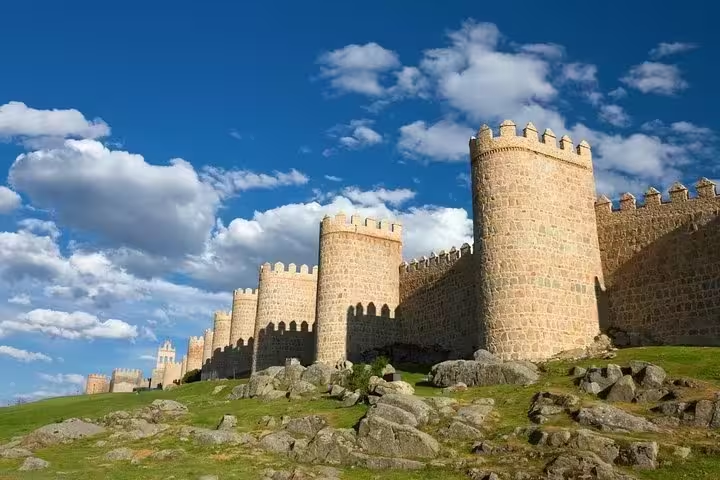
The walls and cathedral make a connected first visit, because the cathedral is attached to the city walls. About 1,700 metres of the wall tops are open to walkers, in two sections, while the full circuit measures about 2,516 metres. The cathedral began as a fortified building and combines late Romanesque and Gothic architecture. Its museum occupies the sacristies and displays works of art.
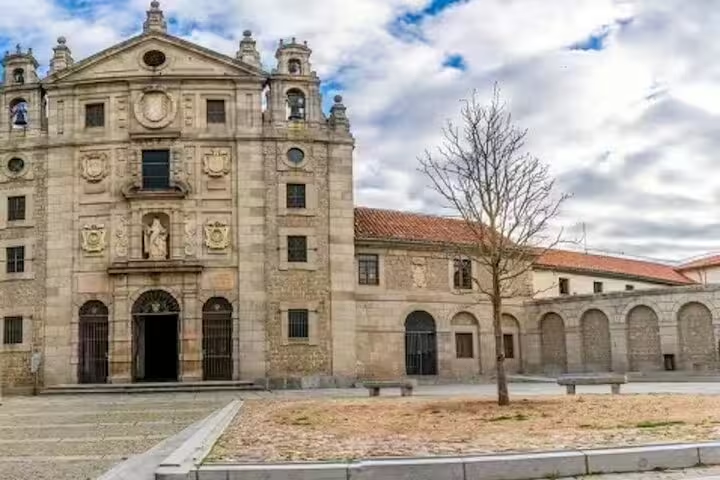
Beyond the walls, the Basilica of San Vicente belongs to the churches included in the UNESCO site. For a visit focused on Santa Teresa, the Convent of Santa Teresa stands on the site of her birthplace house and welcomes visitors. Cuatro Postes, outside the walls, is a place to watch the sunset.
The private half-day guided minivan tour of Ávila lasts 5 hours and includes a private Mercedes V-Class minivan with a driver, a guided old-town walk, visits to the cathedral and Convent of Santa Teresa, and a stop at the Monument of the Four Posts.
One day is a practical plan for the walls, cathedral and Convent of Santa Teresa, ending at Cuatro Postes for sunset. A second day can focus on the Basilica of San Vicente and Royal Monastery of Santo Tomás. The monastery was founded as a Dominican convent in 1482, and its Cloister of the Kings has Renaissance architecture.
The full-day guided tour of Segovia and Ávila from Madrid lasts 9 hours and includes a licensed professional guide throughout, return air-conditioned bus transport from Madrid, and guided walks in both cities.
Summer suits a visit combining walking with evening theatre on the walls. Ávila has a Mediterranean climate with warm summers, and theatrical performances take place on the walls on summer nights. For a trip focused on medieval celebrations, the Medieval Days take place around the first weekend of September. The festivities for Santa Teresa de Jesús fall on 15 October, offering another date around which to plan a visit.
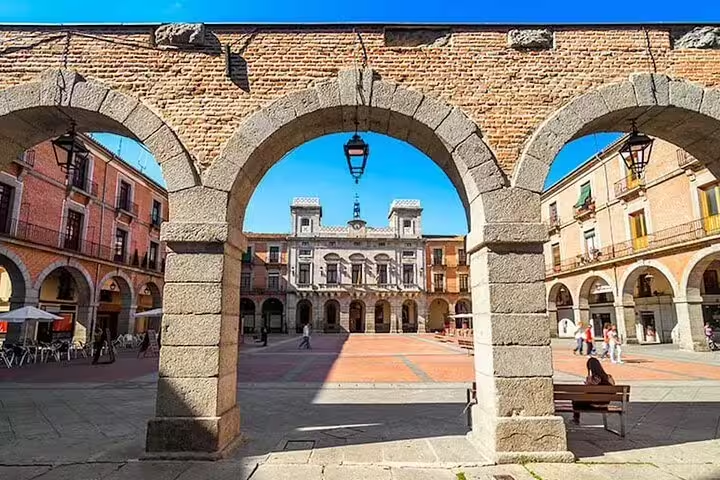
Local bus route 1 is an option for travelling around the walls, while the public wall-top walkway offers a route on foot. For arrival, Ávila has a railway station with trains from Madrid, and by road the AP-6 and AP-51 motorways link it with Madrid, about 110 km away.
The private minivan tour to Ávila and Segovia from Madrid lasts 9 hours and includes private minivan transport, visits to Ávila Cathedral and the historic centre, a stop at the Monument of the Four Posts, a guided Ávila walk including the Convent of Santa Teresa, and visits to the Segovia Aqueduct and Alcázar.
T-bone steak, beans from El Barco de Ávila and yemas de Santa Teresa give you local dishes to look for. Meat dishes are associated with Ávila, and both the beans and yemas are popular locally.
The city sits at an altitude of 1,132 metres.
Each gate is flanked by twin towers rising 20 metres, joined by a semicircular arch.
San Segundo is celebrated on 2 May, while the Virgen de la Soterraña festivities fall on 8 September.