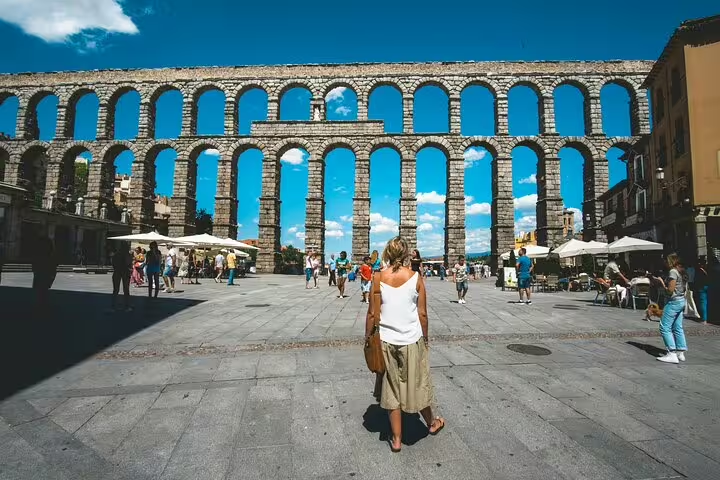
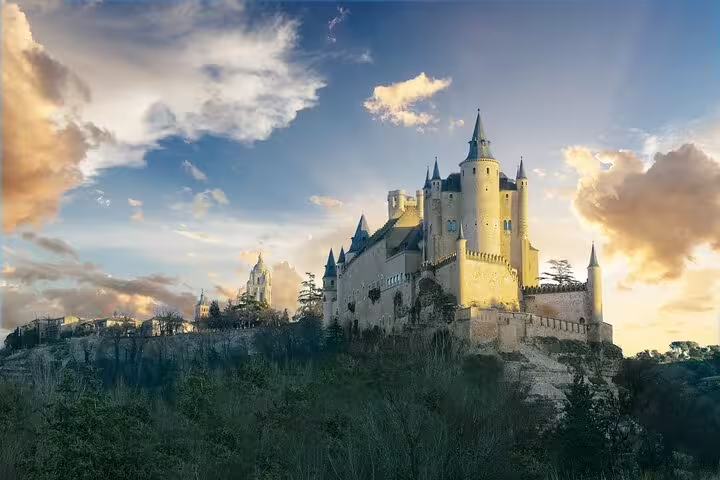
Segovia is a historic city in central Spain, located just 55 kilometers northwest of Madrid. This UNESCO World Heritage Site is renowned for its stunning Roman aqueduct, imposing castle, and charming medieval old town that transport visitors back centuries.
What to see in Segovia
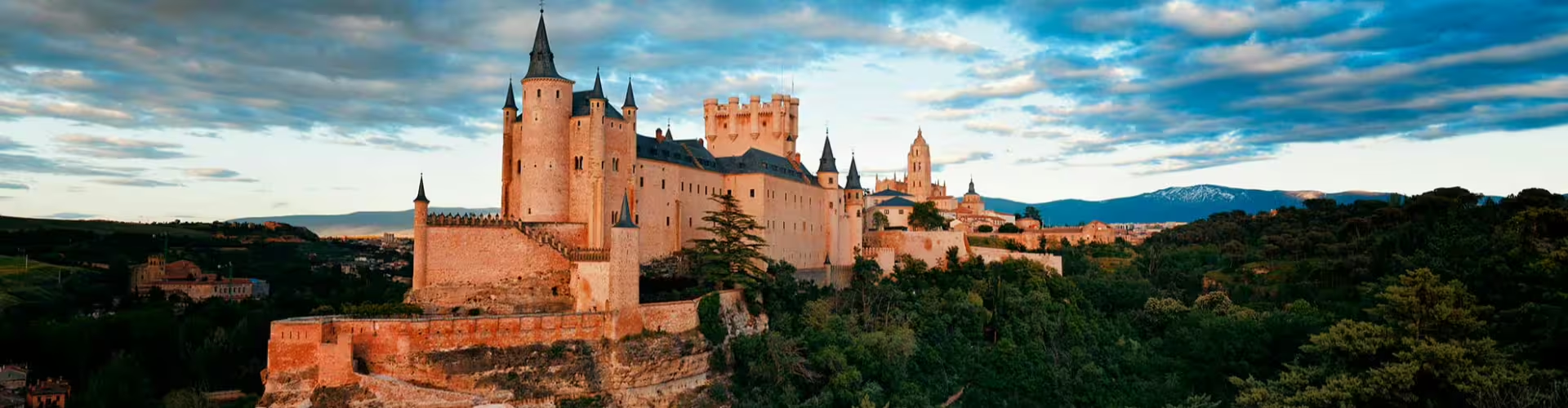
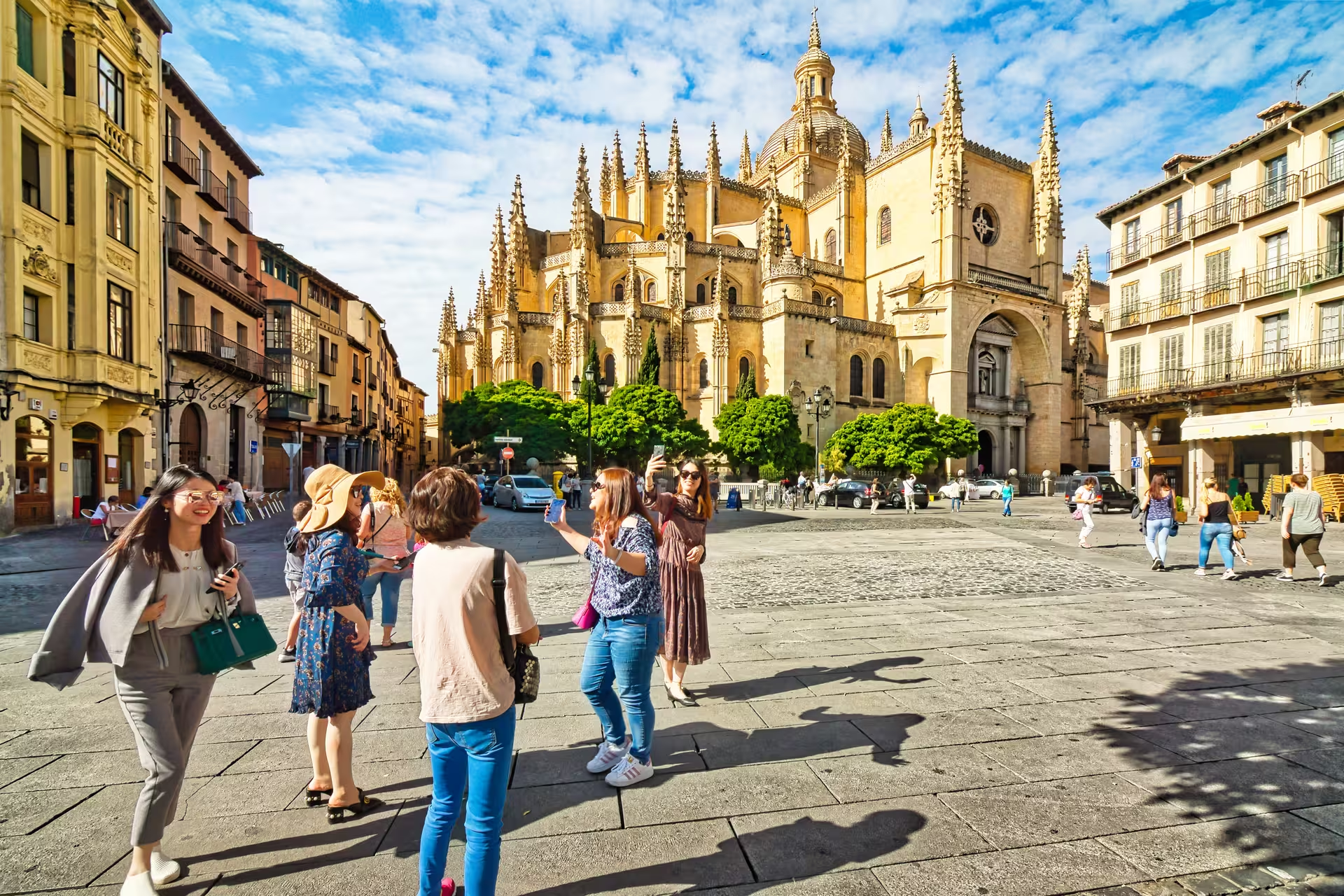
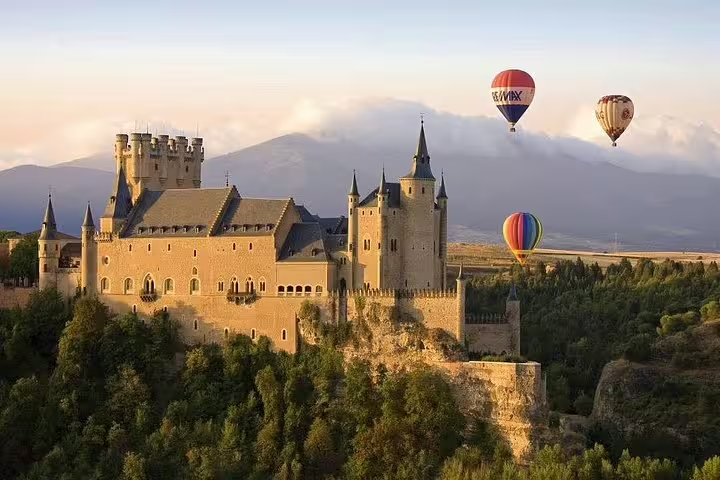
The iconic Roman Aqueduct of Segovia stands as one of the best-preserved structures from Roman times, featuring over 160 arches and no mortar in its construction. The fairy-tale Alcázar of Segovia dominates the skyline with its distinctive towers and turrets, while the Cathedral showcases impressive Gothic architecture in the heart of the old town. Wander through narrow cobblestone streets lined with medieval buildings and hidden plazas.
Things to do in Segovia
Explore the Plaza Mayor, the vibrant heart of the city, where locals gather at outdoor cafes and restaurants. Take guided tours of the Alcázar to learn its royal history, or climb to the cathedral tower for panoramic views. Day trips from Madrid make Segovia an ideal excursion, and walking tours through the Jewish Quarter reveal centuries of cultural heritage.
Segovia's Culinary Heritage
Segovia is famous throughout Spain for cochinillo asado, roasted suckling pig, a traditional dish that defines the region's gastronomy. Local restaurants in the old town serve this delicacy alongside other Castilian specialties, offering authentic dining experiences that reflect centuries of culinary tradition.
Segovia is located in the Castile and León region of central Spain, approximately 55 kilometers northwest of Madrid. The city sits at an elevation of about 805 meters in the meseta plateau region, characterized by its continental climate and proximity to the Sierra de Guadarrama mountains. Its strategic position has made it historically important as a royal seat and military stronghold throughout Spanish history.
Medieval Architecture, UNESCO World Heritage Site, Roman Engineering, Castilian Gastronomy, Day Trip Destination, Royal History, Spanish Culture