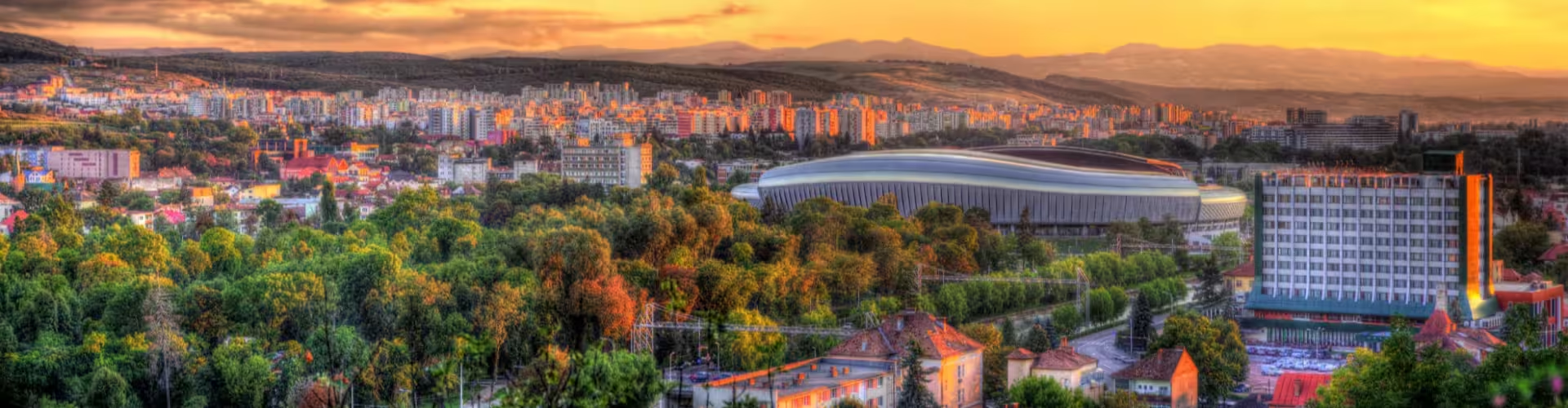
Cluj-Napoca is the vibrant heart of Transylvania in Romania, a medieval city where Gothic spires rise above charming cobblestone streets and centuries of history blend seamlessly with modern culture. This dynamic urban center serves as the intellectual and cultural hub of the region, attracting visitors with its striking architecture and creative energy.
What to see in Cluj-Napoca
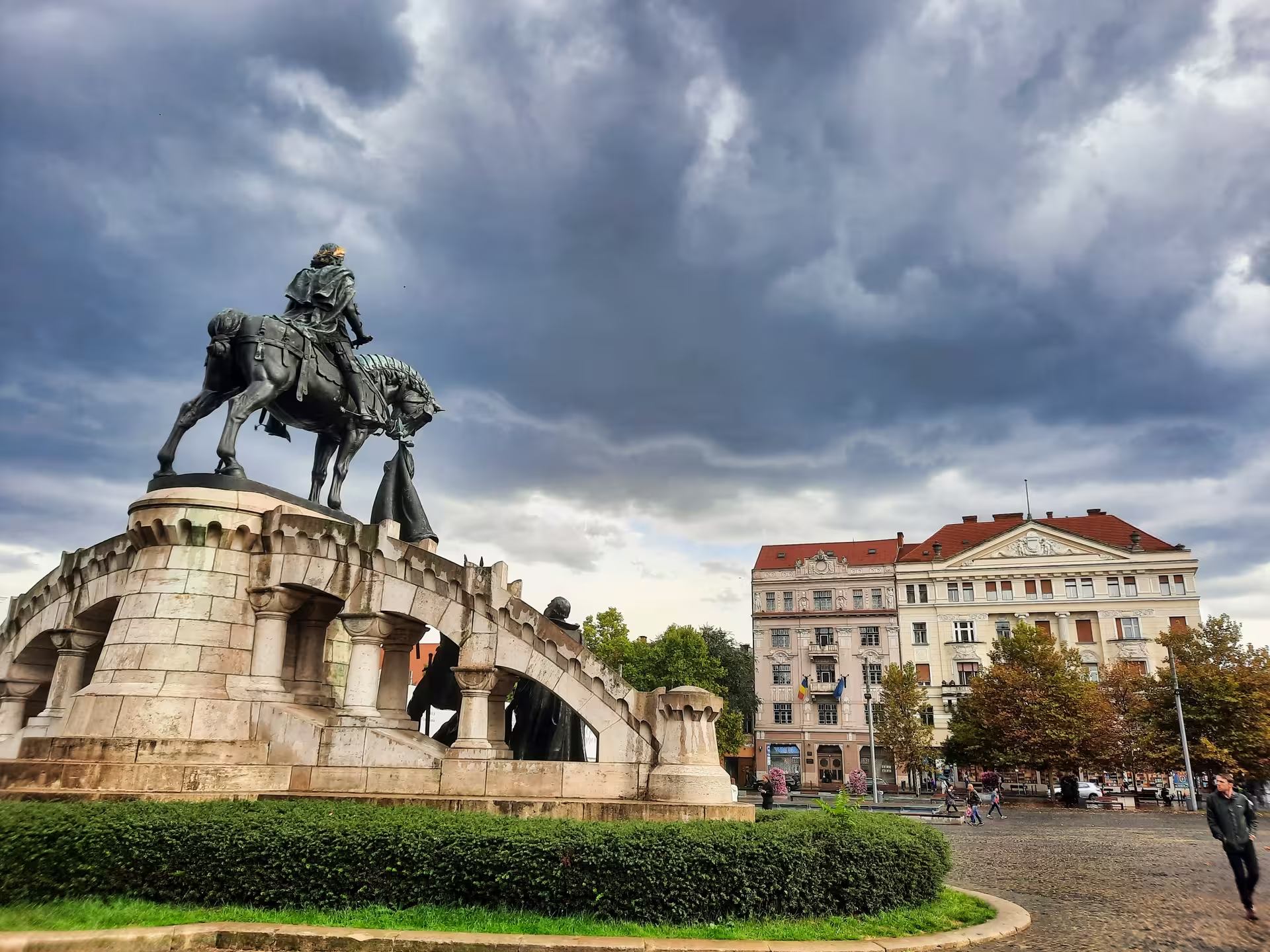
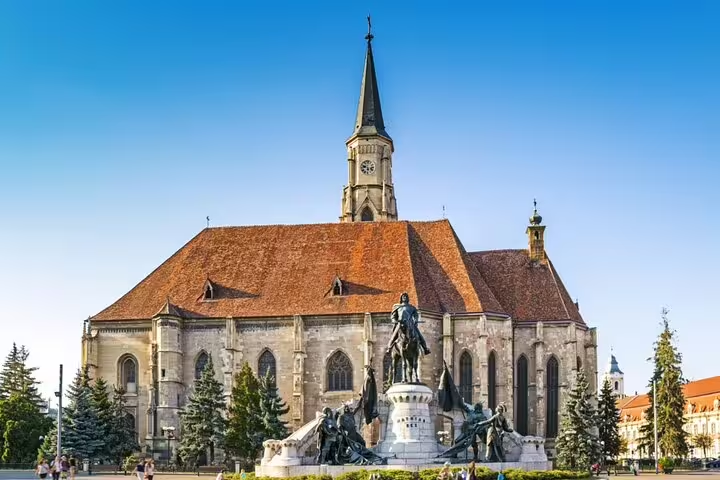
The stunning St. Michael's Church dominates the main square with its impressive 14th-century Gothic tower, while the Banffy Palace showcases grand Baroque architecture and hosts important art exhibitions. The National History Museum and Lucian Blaga National Theatre offer glimpses into Romania's rich cultural heritage, and wandering through the historic Old Town reveals beautifully preserved Renaissance and medieval buildings at every turn.
Things to do in Cluj-Napoca
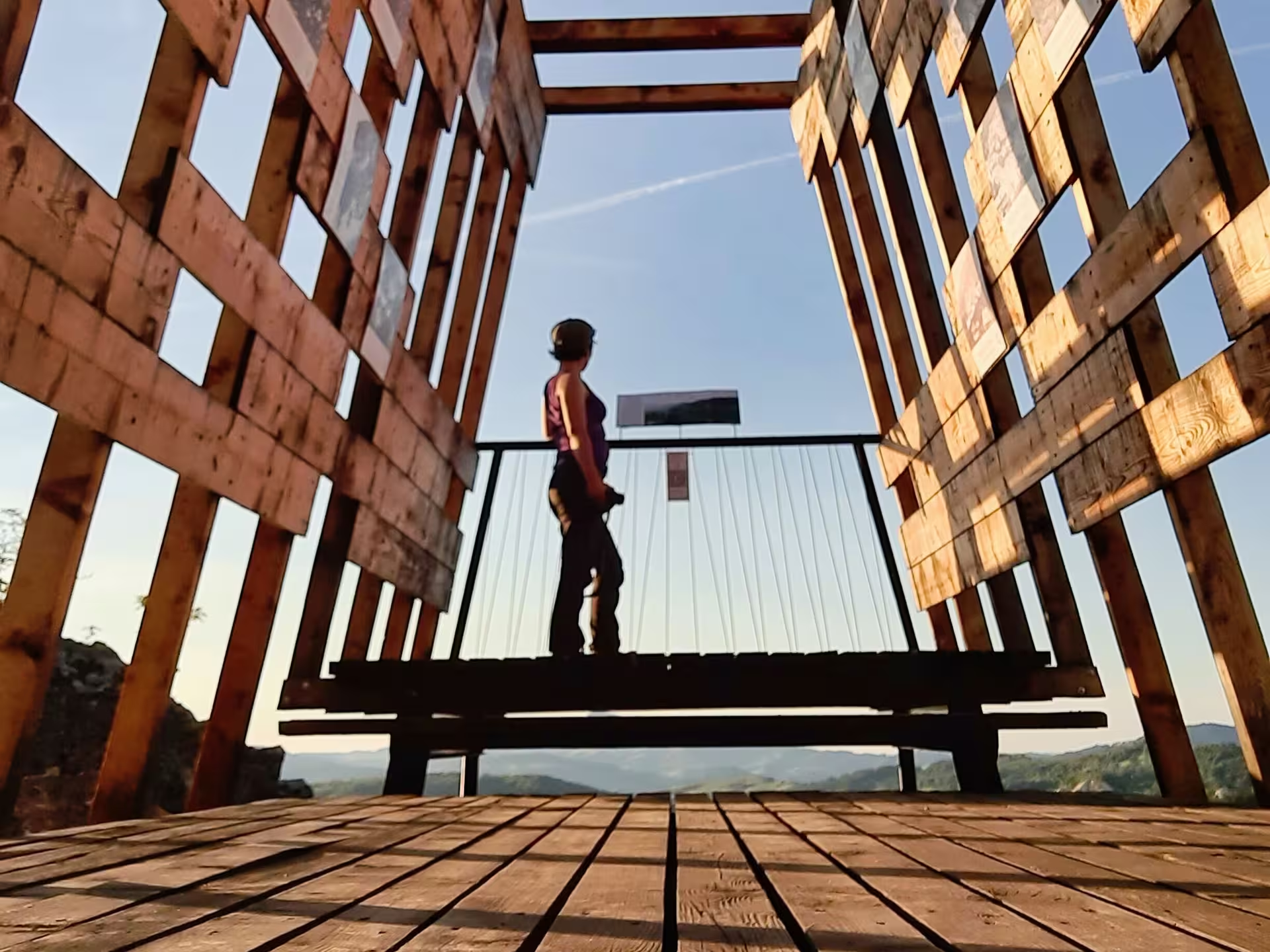
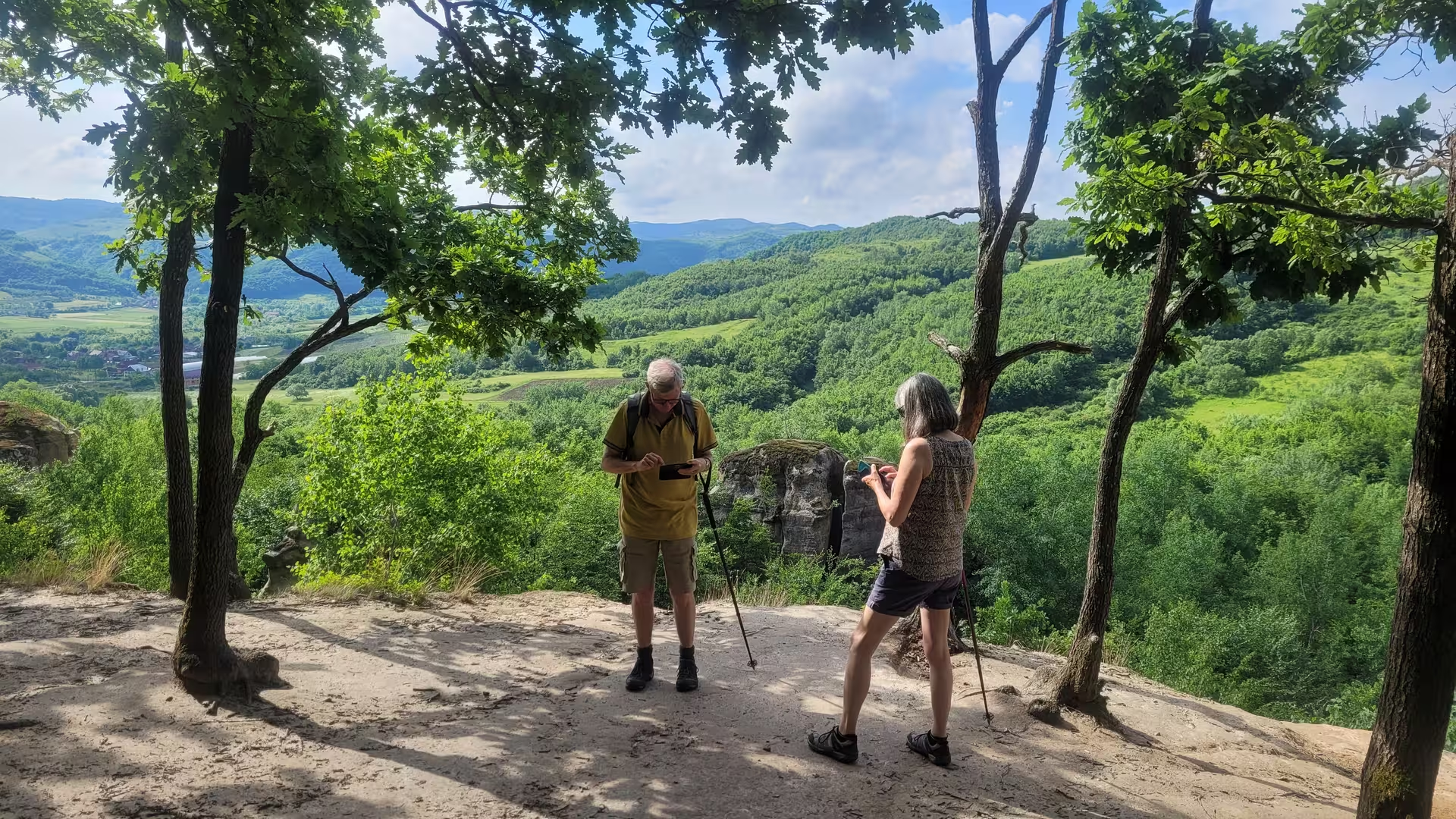
Visitors can explore the city's thriving cafe culture and street art scene, visit nearby Turda Gorge and salt mines for dramatic natural landscapes, or catch one of the city's renowned festivals throughout the year. The botanical garden provides peaceful green space, while day trips to surrounding medieval villages and Transylvanian castles offer adventure beyond the urban center.
Cluj-Napoca's Festival and Creative Scene
The city has earned recognition as a European cultural capital, hosting the renowned UNTOLD Music Festival and the Film Festival, which draw international crowds and position Cluj-Napoca as a destination for contemporary arts and entertainment. Its youthful population and innovative tech scene have transformed it into one of Central Europe's most dynamic cities.
Cluj-Napoca is located in the Transylvania region of northwestern Romania. As the county seat of Cluj County, it sits at approximately 400 meters elevation in the Somesan Valley. The city serves as the main transportation hub for central Transylvania and is well-connected by road and rail to other major Romanian cities and European destinations.
Cultural and Historical Destination, Festival Hub, Medieval Architecture, Educational Center, Art and Music Venue, Gateway to Transylvania