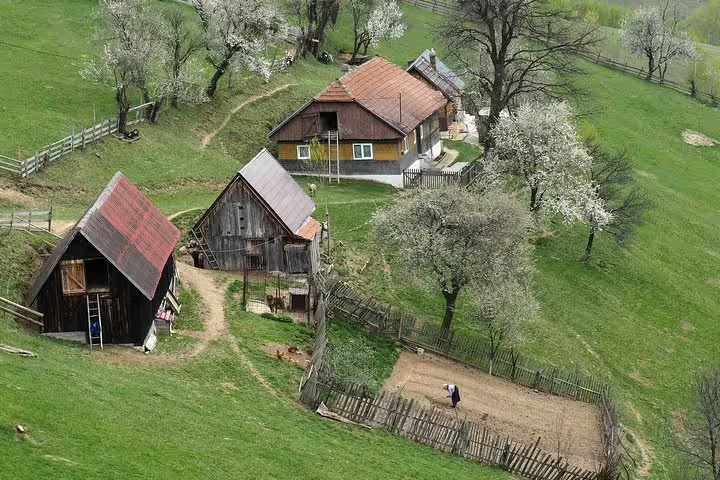
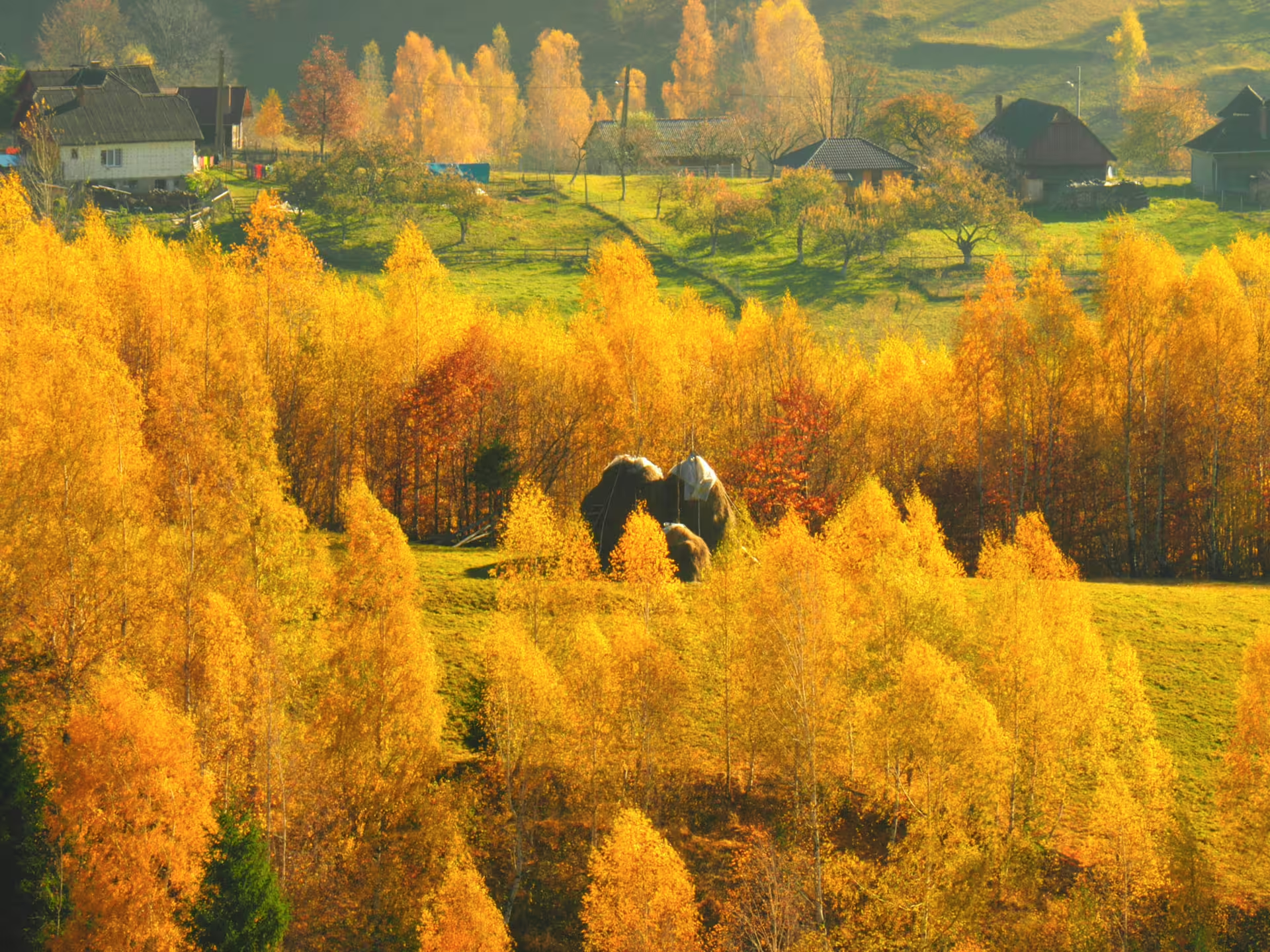
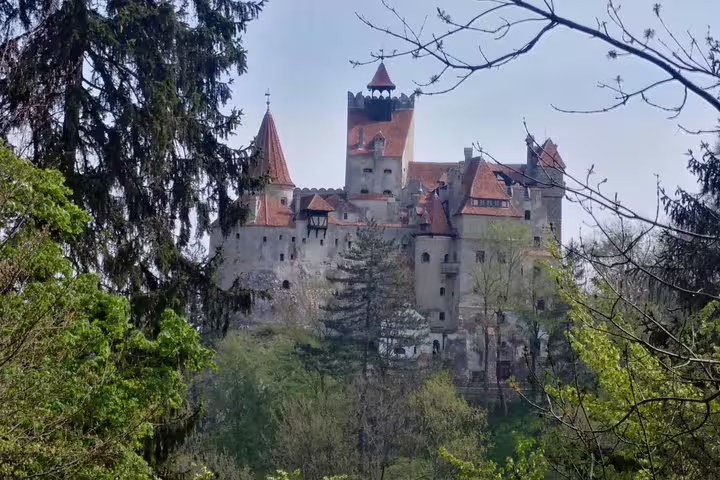
Magura is a small town located in southwestern Bulgaria, nestled in the Rhodope Mountains region. Known for its remarkable cave system and authentic Balkan character, this lesser-known destination offers visitors a glimpse into Bulgaria's natural wonders and traditional village life.
What to see in Magura
The Magura Cave stands as the primary attraction, featuring impressive stalactites, stalagmites, and underground lakes. Visitors can explore the cave's multiple chambers adorned with prehistoric rock paintings and archaeological artifacts that date back thousands of years, making it one of Bulgaria's most significant cave complexes.
Things to do in Magura
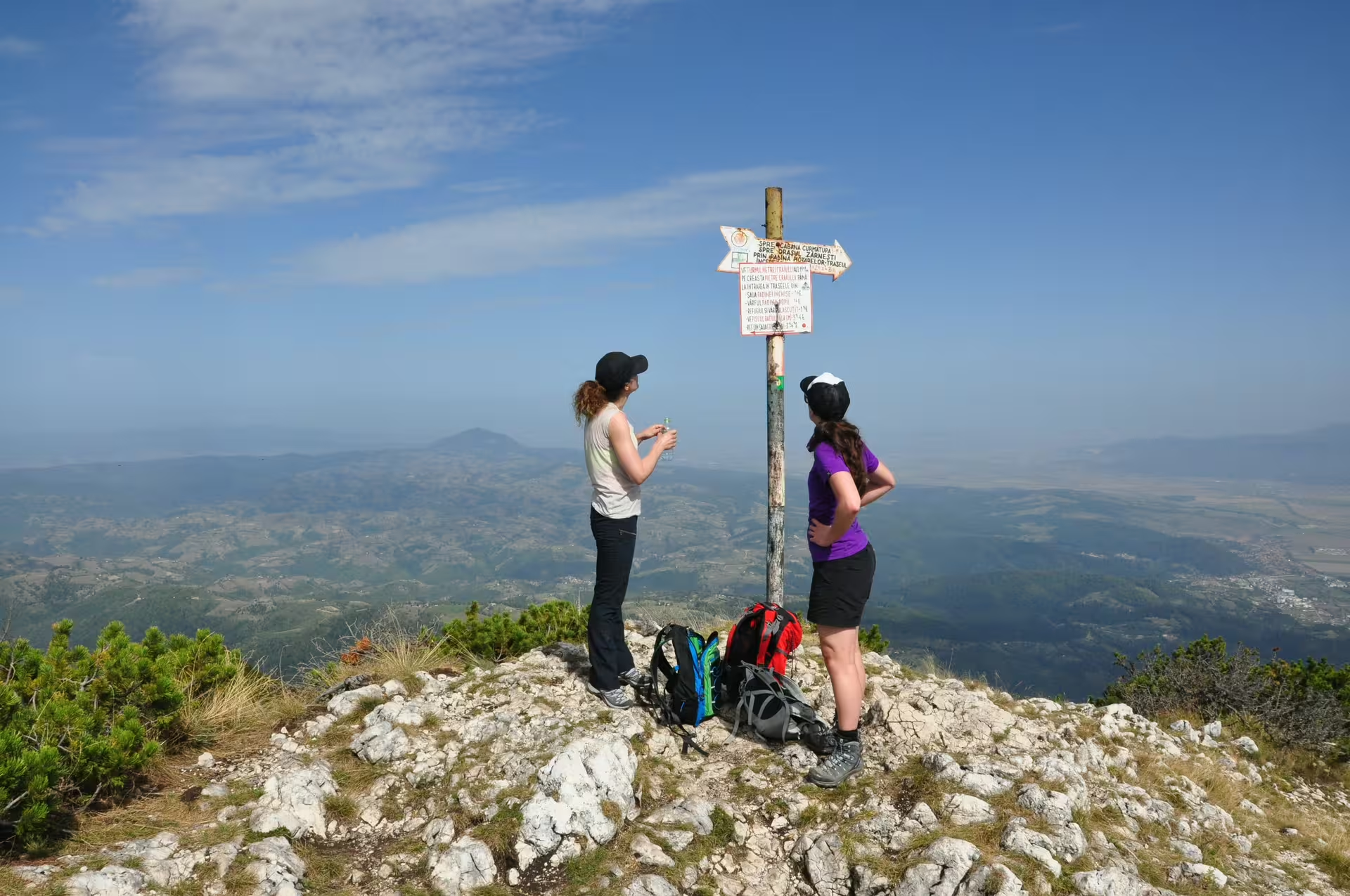
Guided cave tours allow visitors to navigate the underground passages safely while learning about geological formations and local history. The surrounding Rhodope Mountains offer opportunities for hiking and experiencing rural Bulgarian culture through interactions with local communities and traditional villages nearby.
Prehistoric Art and Archaeological Significance
Magura Cave contains Paleolithic rock art believed to date back over 8,000 years, with paintings depicting hunting scenes and animals. This archaeological richness makes the cave an important site for understanding prehistoric human activity in the Balkans and attracts researchers and cultural enthusiasts from across Europe.
Magura is situated in southwestern Bulgaria within the Rhodope Mountains, approximately 230 kilometers south of Sofia. The region is characterized by rugged mountain terrain, traditional Bulgarian villages, and significant geological formations. The cave system makes Magura an important natural landmark in this remote and picturesque mountain region of southeastern Europe.
Magura is notable for its status as one of Bulgaria's largest cave systems with well-preserved underground ecosystems and exceptional archaeological importance. The site represents a unique combination of natural beauty and prehistoric human heritage within the Balkans region.