Last updated:


Peneda-Gerês suits a trip that combines mountain scenery with granite granaries, a castle and Roman history. The national park reaches from the Serra da Peneda to the Serra do Gerês, with the Serra do Soajo and Serra Amarela also within its boundaries. It belongs to the Gerês-Xurés UNESCO biosphere reserve, which spans northern Portugal and Galicia in Spain.
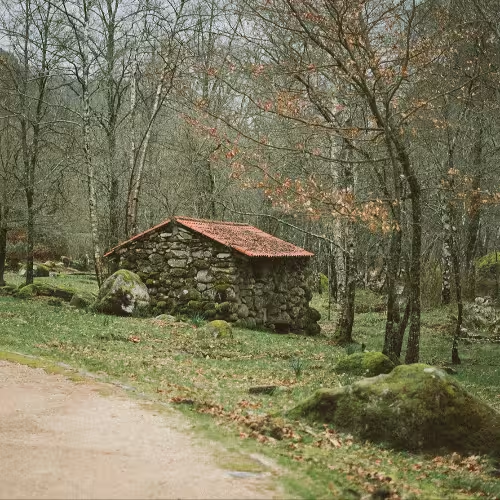
Soajo and Lindoso make a useful focus if you want to see traditional granite buildings and a castle. Both have espigueiros, the traditional granaries built from granite. At Soajo, the group numbers 24 and has protected status as property of public interest. The town belongs to Arcos de Valdevez municipality.
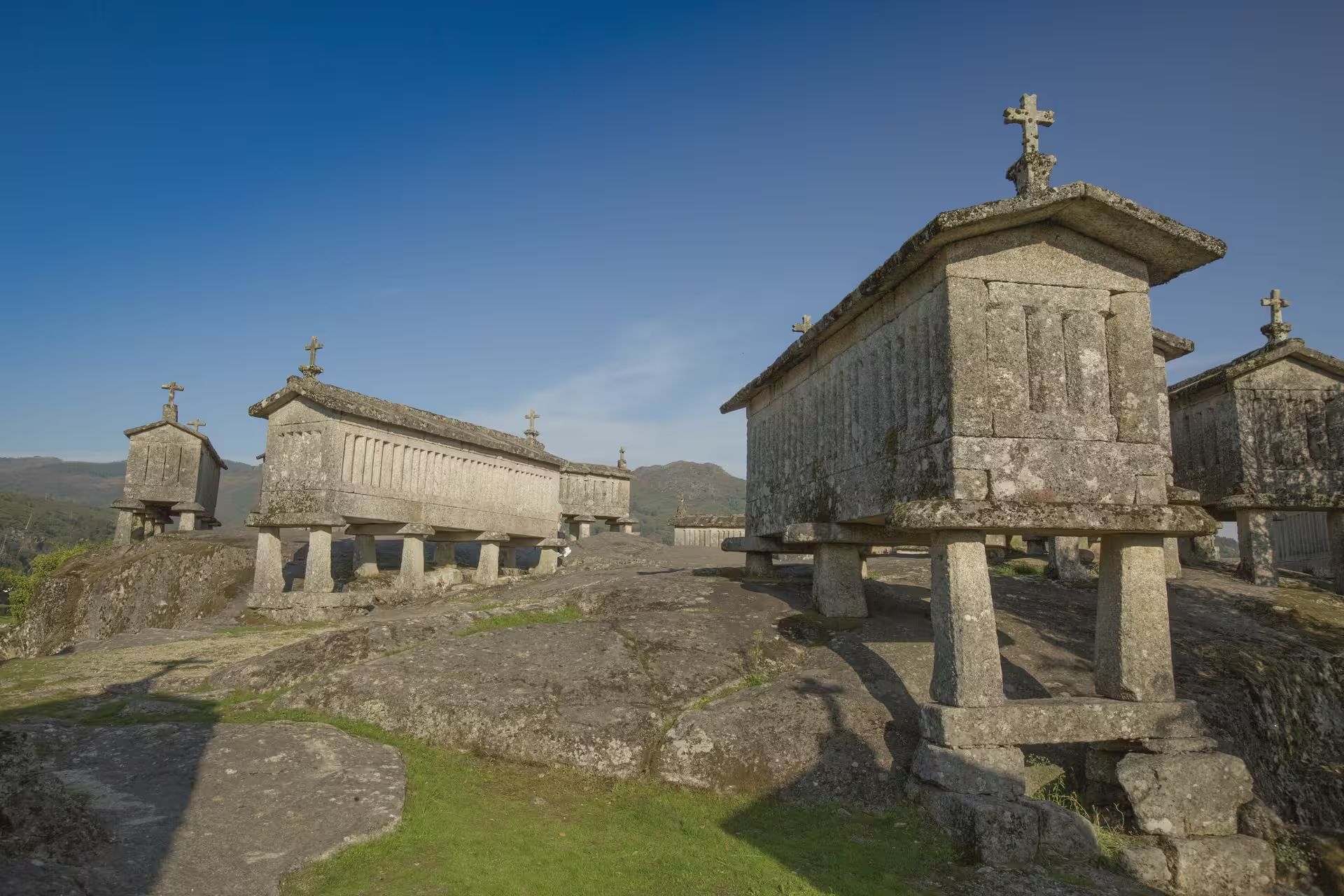
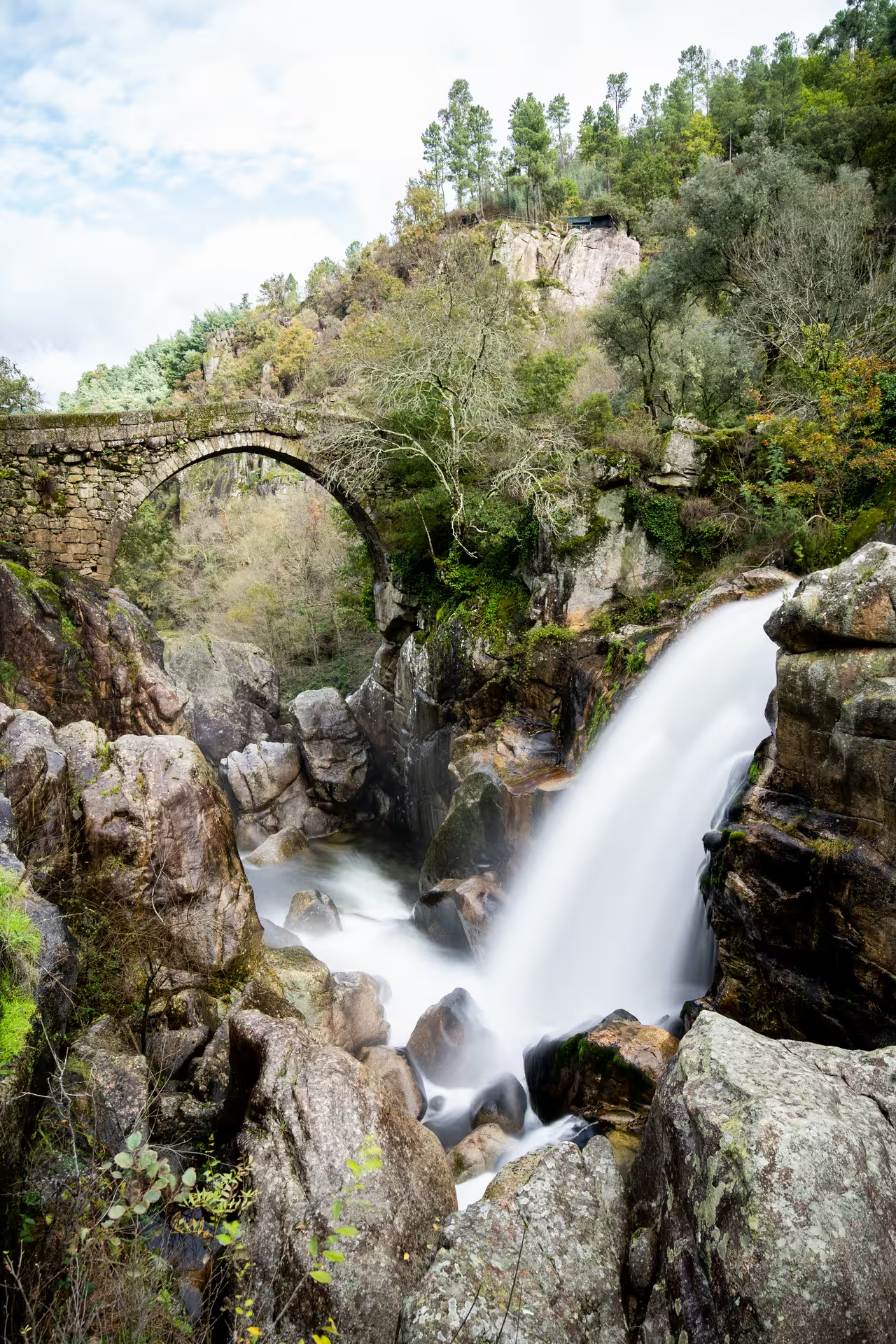
Lindoso adds a castle in the municipality of Ponte da Barca, with views towards Spain from the Serra Amarela above the left bank of the Lima. Its construction dates to the reign of Afonso III, and it has held national monument status since 1910. For a trip centred on earlier history, the Geira offers another focus: this Roman road once linked Braga and Astorga through the land now inside the park. Substantial sections survive beside the Homem River.
Two days would let you give a day to Soajo and Lindoso, then another to the Geira and Vilarinho da Furna. The first day would focus on the granaries and Lindoso Castle; the second would bring together the Roman road and the story of the submerged village. Vilarinho da Furna was intentionally flooded as the reservoir bearing its name filled, so seeing its ruins depends on the reservoir level. That makes the village a conditional part of the plan, with the surviving Roman road providing a separate historical focus.
The dry season is the time to aim for if seeing the ruins of Vilarinho da Furna matters to you. The remains of the village tend to appear when the reservoir level drops, which is most likely in dry summers and in dry years. The park is one of the wettest areas of Portugal, especially on its higher ground, so leave room to adjust walking plans to rain. The park sits where Atlantic and Mediterranean influences meet, with an oceanic climate on the higher ground and warmer, drier summers in the valleys.
Planning by area makes sense for a park covering about 700 square kilometres. Its territory spans five municipalities, Melgaço, Arcos de Valdevez, Ponte da Barca, Terras de Bouro and Montalegre, while the Lima and Cávado river basins cover most of the park.
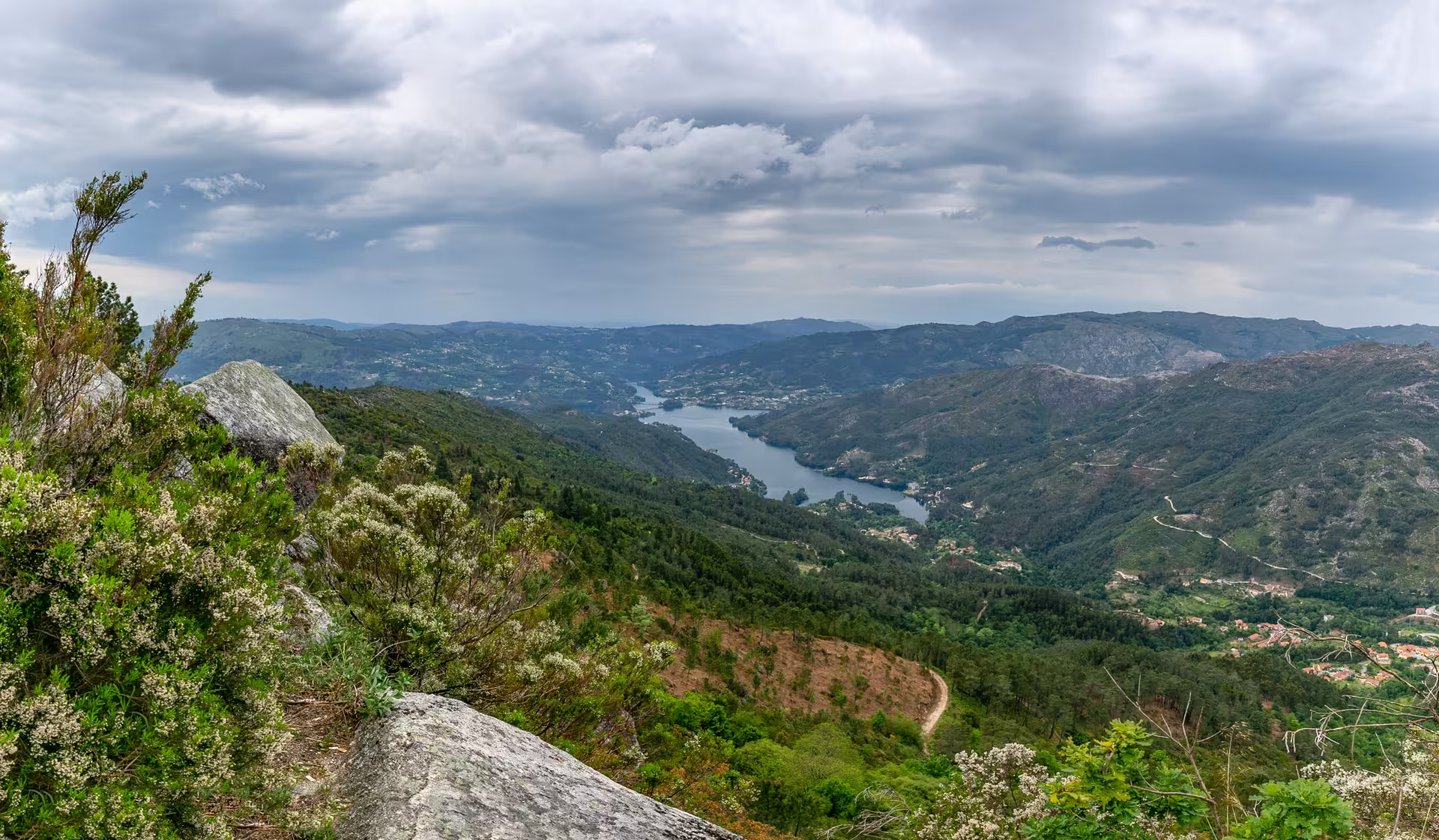
The area around Gerês is worth looking at for a base if the Caniçada Dam and thermal baths are your focus. Tourism in this part of the park grew around the Caniçada reservoir and the thermal spa town of Gerês. The dam crosses the Cávado as a concrete arch structure. For a heritage-focused stay, let your plans for Soajo, Lindoso and the Geira guide your search instead.
At higher elevations, annual precipitation can reach 3,200 mm. Some parts of the park have more than 130 rainy days a year.
Garrano horses are present across about 97% of the national park's land area.
Dolmens and other megalithic tombs occur in the region, including near Castro Laboreiro.