Castelo de Paiva is a charming municipality in northern Portugal, located in the Aveiro District between the Douro and Vouga rivers. This picturesque region blends medieval heritage with natural beauty, offering visitors a genuine taste of rural Portuguese culture away from crowded tourist trails.
What to see in Castelo de Paiva
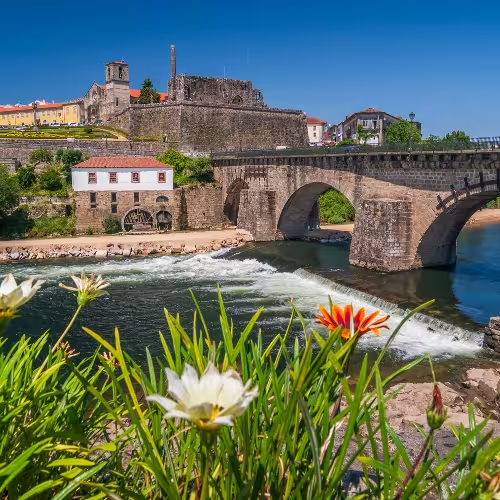
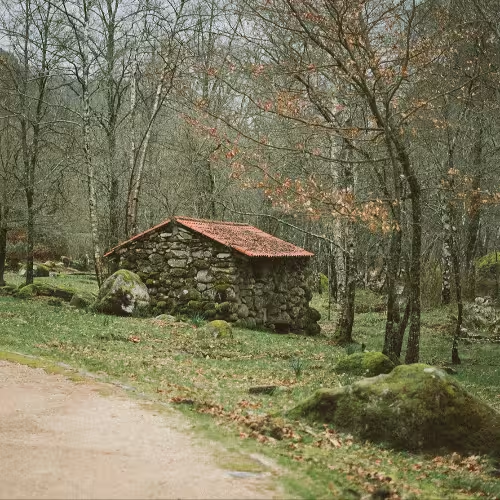
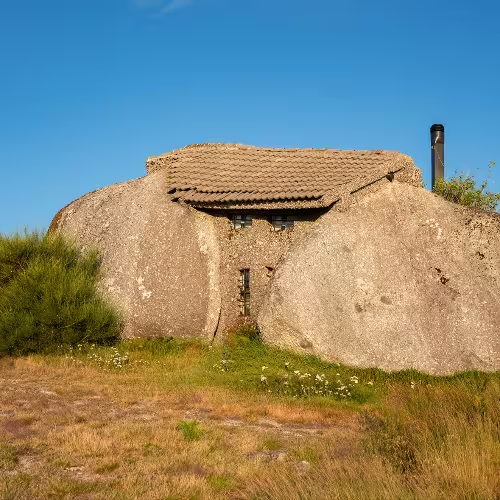
The municipality features the historic Castelo de Paiva Church, a notable religious landmark reflecting local architectural heritage. The Vouga River valley provides scenic landscapes, while traditional Portuguese villages showcase authentic stone architecture and local craftsmanship. The region's peaceful countryside reveals the character of interior northern Portugal.
Things to do in Castelo de Paiva
Visitors can explore hiking trails along the river valleys and through rural villages. The municipality offers opportunities for fishing and water activities on the Vouga River. Nature walks and photography excursions highlight the region's untouched landscapes and agricultural traditions.
Local Wine and Agricultural Heritage
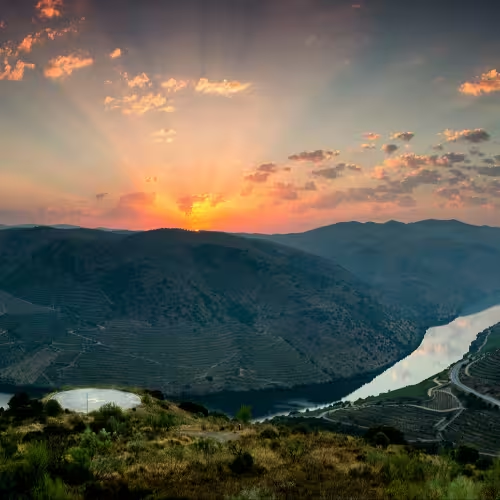
Castelo de Paiva sits within Portugal's wine country, where local vineyards produce traditional varieties. The municipality celebrates its agricultural roots through farming traditions and local food markets showcasing regional produce, cheeses, and crafted goods that reflect generations of Portuguese heritage.
Castelo de Paiva is a municipality in the Aveiro District of northern Portugal, situated between the Douro and Vouga rivers. The region represents the heart of rural Portuguese countryside, characterized by agricultural traditions, wine production, and preserved medieval heritage. Located inland from the Atlantic coast, this area offers visitors an authentic experience of Portugal's interior landscape and traditional community life away from major urban centers.
Castelo de Paiva represents a quintessential Portuguese rural destination combining historical significance with natural river valley landscapes. The municipality's position within Portugal's wine country and its emphasis on agricultural traditions make it a destination for travelers seeking authentic cultural experiences and outdoor activities in northern Portugal's countryside.