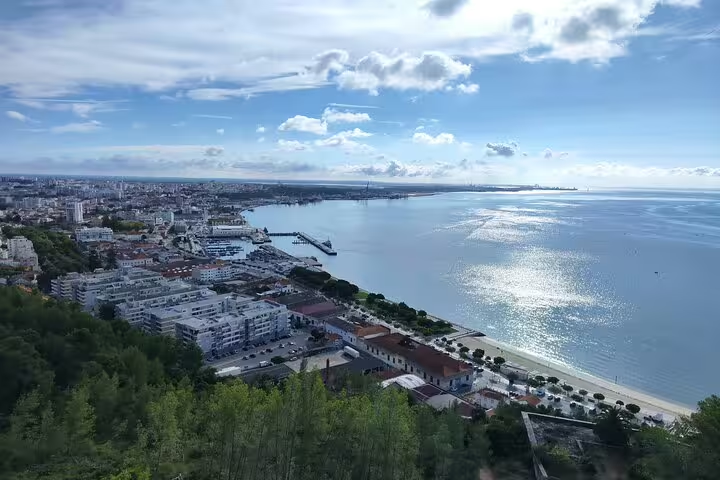
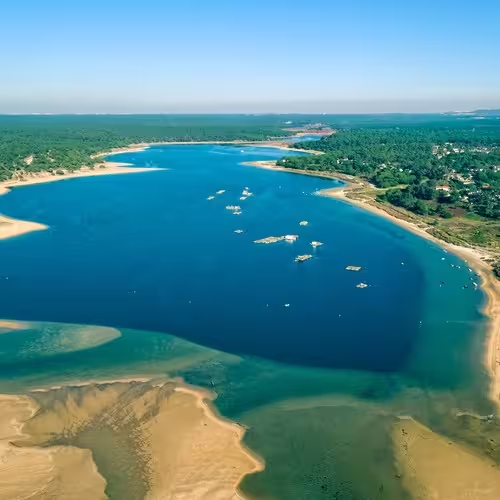
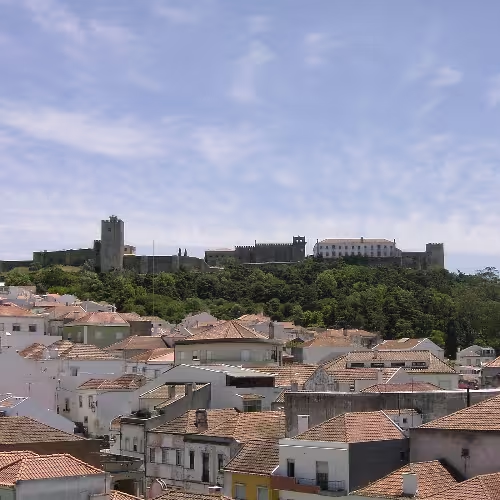
Arrabida Natural Park stretches across the Setubal Peninsula in southern Portugal, offering stunning coastal landscapes where limestone cliffs meet pristine Atlantic waters. This protected area encompasses diverse ecosystems, from secluded beaches to dense forests, creating one of Portugal's most distinctive natural reserves.
What to see in Arrabida Natural Park
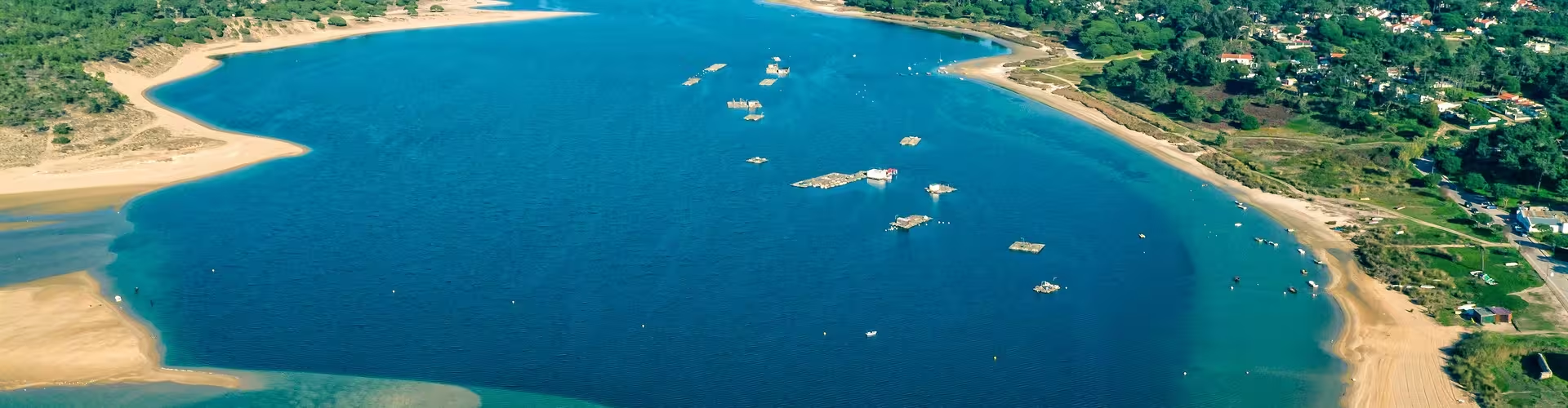
The park features dramatic white limestone cliffs that plunge into turquoise coves, including the picturesque Praia da Galápos and Praia de Portinho da Arrábida. Visitors should explore the charming Portinho da Arrábida village nestled at the base of the cliffs, home to traditional fishing boats and local seafood restaurants offering fresh catches from the Atlantic.
Things to do in Arrabida Natural Park
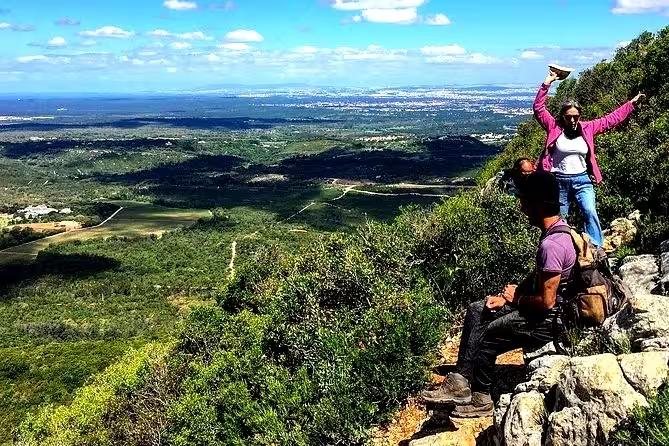
The park is ideal for hiking along scenic coastal trails that reveal panoramic ocean views and hidden beaches accessible only on foot. Water activities include snorkeling, kayaking, and boat tours exploring sea caves and marine life, while the cooler months attract birdwatchers observing migrating species along the Atlantic flyway.
Marine Biodiversity and Conservation
Arrabida is recognized as a critical marine habitat, protected for its exceptional underwater ecosystems and fish populations. The park's waters support Mediterranean species rarely found further north, making it a living laboratory for marine conservation and scientific research in Portugal.
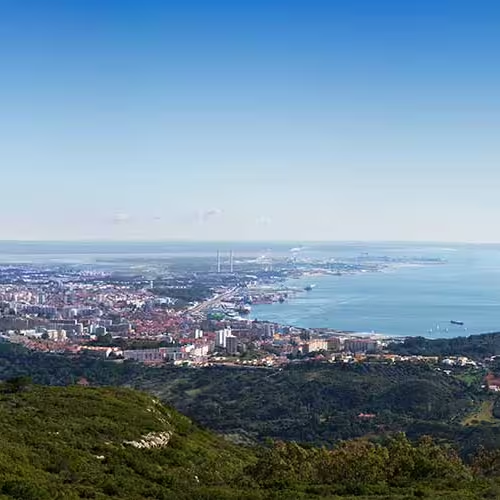
Arrabida Natural Park is located on the Setubal Peninsula in southern Portugal, approximately 40 kilometers south of Lisbon. The park extends across the coastal municipalities of Setubal and Palmela, covering an area of approximately 108 square kilometers. Its strategic location on the Atlantic coast makes it easily accessible from Lisbon and other major Portuguese cities, serving as a major destination for both domestic and international visitors seeking natural coastal experiences and outdoor recreation.
Arrabida Natural Park represents a unique example of Mediterranean and Atlantic ecosystem convergence in Portugal. The park's location at the intersection of different climate zones creates a biodiversity hotspot where northern and southern marine species coexist. This ecological significance, combined with its proximity to Lisbon and extensive tourism infrastructure, positions Arrabida as both a vital conservation area and a major recreational destination for European travelers.