






Setúbal, Sesimbra & Palmela – Nature and Culture Among Castles, Mountains and Beaches
A full-day journey through medieval fortresses, protected coastline, and authentic Portuguese fishing culture south of Lisbon.
This Setúbal, Arrábida and Sesimbra tour takes you through one of the most scenically diverse corners of Portugal, combining a protected natural park, medieval castles, a world-recognized food market, and a traditional coastal village — all within a single day from Lisbon.
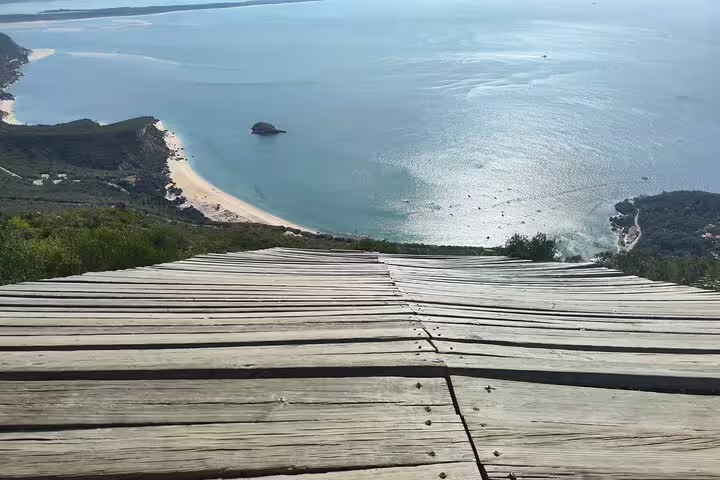
The Arrábida Natural Park stretches across 10,800 hectares of steep limestone ridges and sheltered coves, reaching an altitude of 501 meters above sea level. Its waters are calm, clear, and cold — conditions that make the area particularly popular with divers and swimmers alike.
Beyond the coastline, the itinerary moves through centuries of Portuguese history, from a Moorish-era hilltop fortress at Palmela to the earliest example of Manueline architecture at the Church of Jesus in Setúbal. The route reflects a careful balance between natural scenery and cultural depth.
The tour concludes at the Christ the King monument in Almada, inaugurated in 1959 as a fulfillment of a vow made by Portuguese bishops during World War II. From its base, visitors look out over Lisbon, the Tagus River, and the surrounding peninsula in a 360-degree panoramic sweep.
Tour Highlights
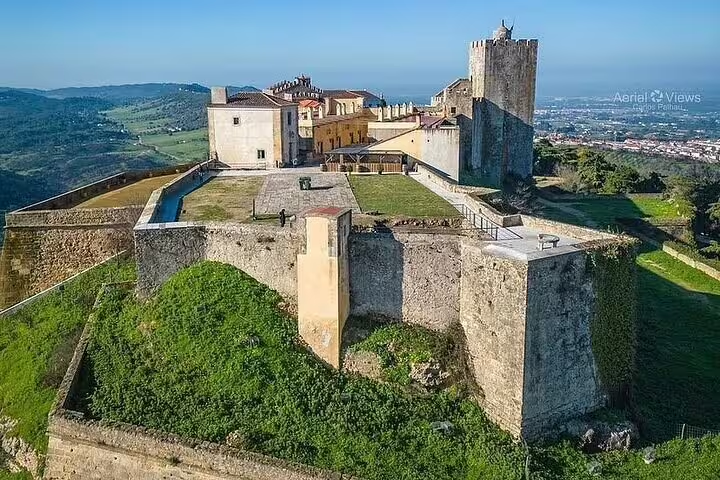
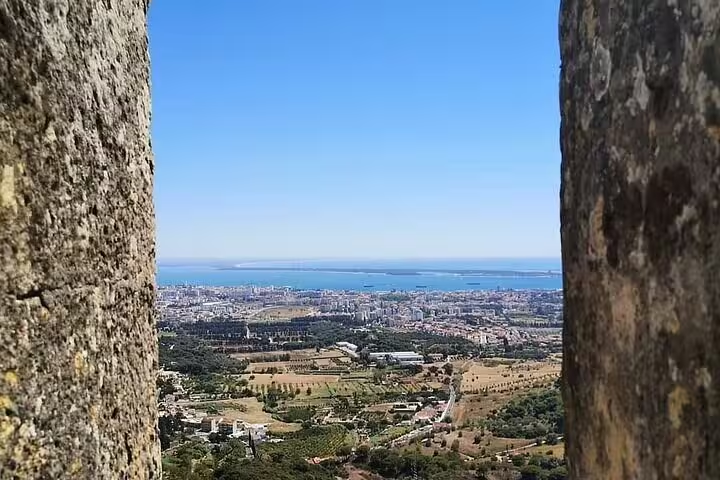
Palmela Castle, a medieval fortress perched at one of the highest points of Serra da Arrábida, with panoramic views over vineyards and the Atlantic.
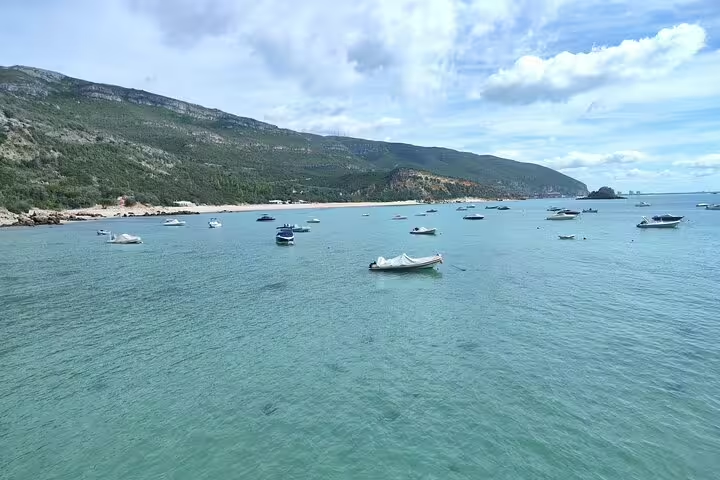
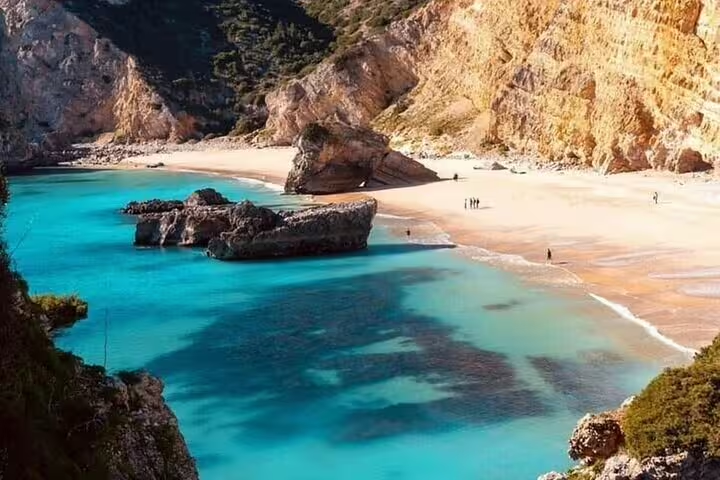
Portinho da Arrábida beach, recognized as one of the seven natural wonders of Portugal, known for its crystal-clear waters and dramatic mountain backdrop.
Livramento Market in Setúbal, ranked among the best fish markets in the world by USA Today in 2014, featuring tile panels dating from 1929.
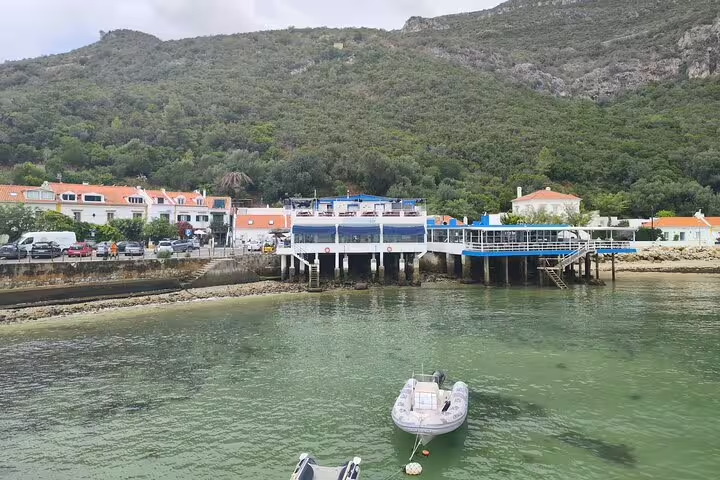
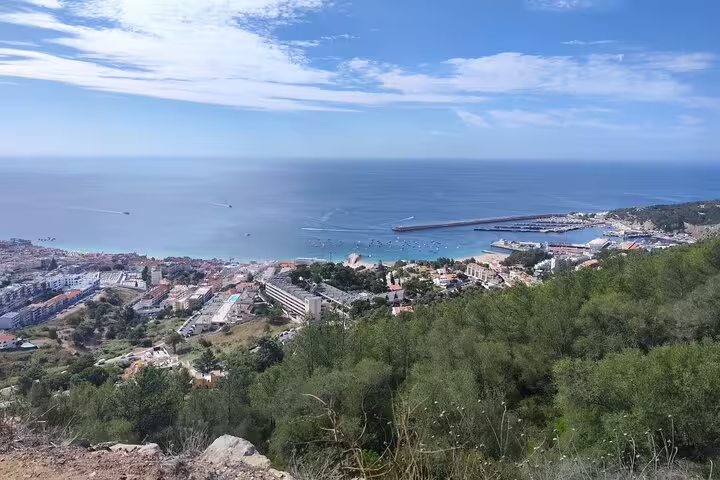
Sesimbra, a traditional fishing village with a castle classified as a National Monument since 1910, offering exceptional views over the town and sea.
The Church of Jesus in Setúbal, considered the first hall-church in Portugal and the beginning of the Manueline architectural style, begun in 1490 under Diogo Boitaca.
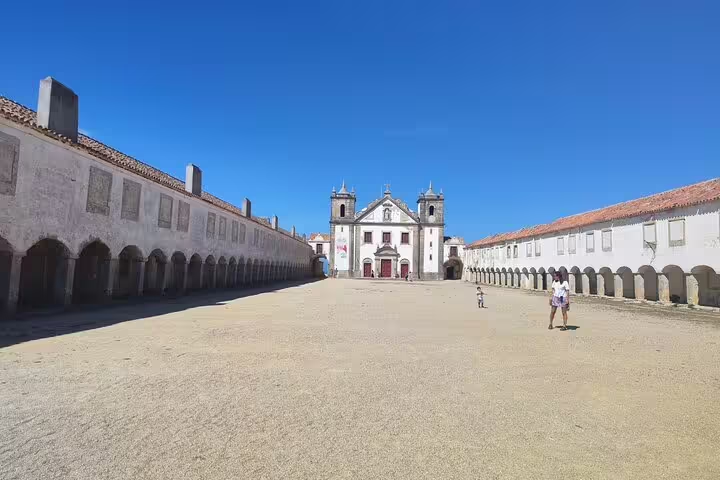
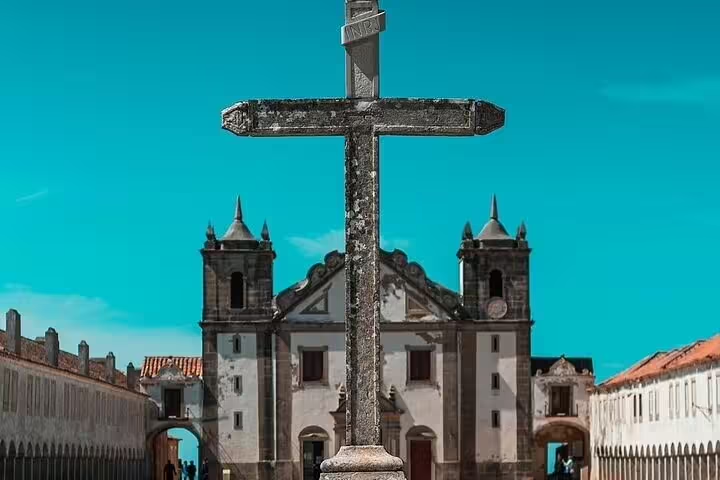
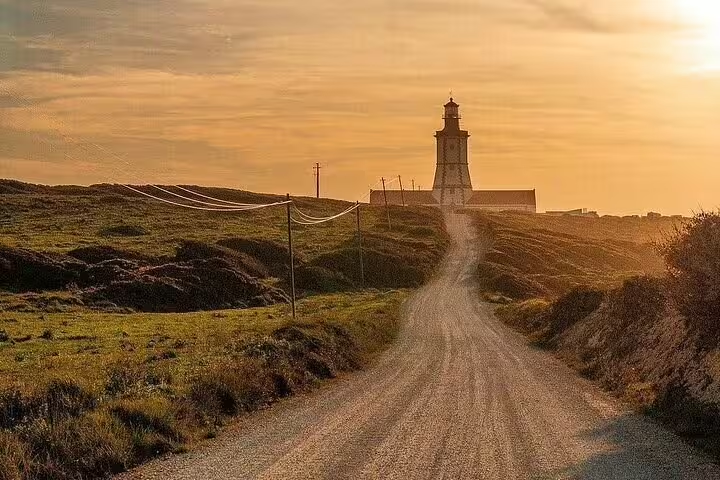
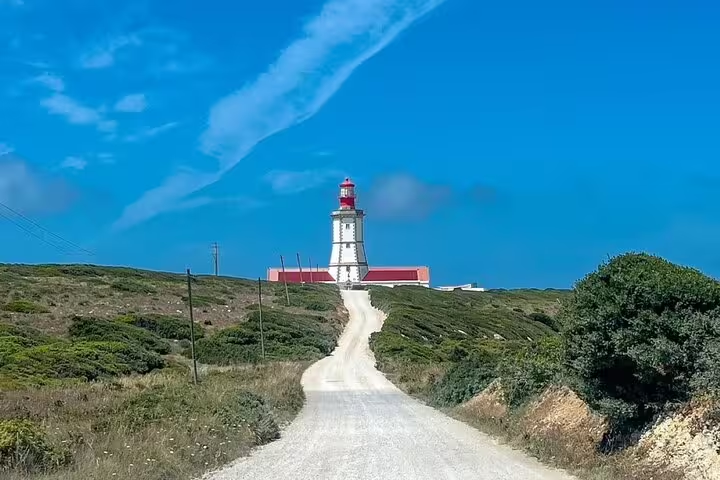
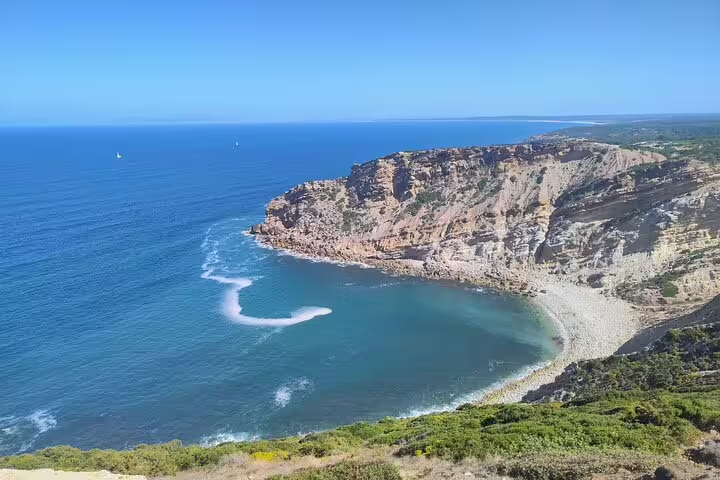
Cabo Espichel Sanctuary, located at the southwestern tip of the Setúbal peninsula within the Arrábida Natural Park, overlooking the dramatic Lagosteiros Bay.
Christ the King monument in Almada, rising 113 meters above the Tagus, with a 360-degree view over Lisbon and both riverbanks.
Itinerary
The tour begins at Palmela Castle, set at one of the highest points of Serra da Arrábida. Originally part of the southern defense line during the Christian Reconquista, the castle was later home to the Order of Sant'Iago da Espada, whose chapter was installed here in 1205. Restoration works ordered by D. João I in the 15th century included the construction of the convent that became the Order's seat from 1443 onward.
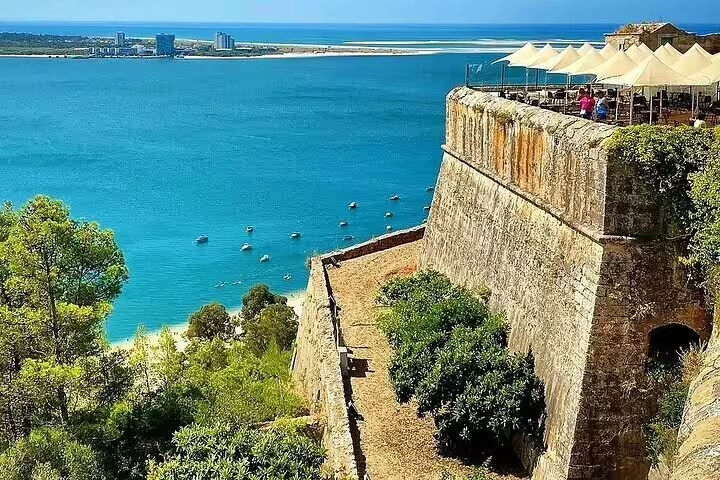
In Setúbal, the visit includes the Livramento Market, built in 1930 and renovated between 2010 and 2011. Its interior is decorated with tile panels by Pedro Pinto from 1929 and panels by Rosa Rodrigues from 1944. Nearby, the Church of Jesus and the Fort of São Filipe — designed by Captain Fratino in 1583 on the orders of Philip II of Spain — complete the city's historical circuit.
The route continues into the Arrábida Natural Park, where limestone mountains meet sheltered coastal waters. Portinho da Arrábida beach sits at the foot of the mountain between the beaches of Creiro and Alpertuche. The area won recognition in 2010 as one of the seven natural wonders of Portugal in the beaches category.
Sesimbra offers two distinct historical landmarks: the hilltop castle, classified as a National Monument since 1910, and the Santiago Fortress at the waterfront, built to defend the maritime border and opened to the public following restoration in 2014. The fortress now houses the Sesimbra Maritime Museum, inaugurated in 2016.
Located at the southwestern tip of the Setúbal peninsula, the Cabo Espichel Sanctuary includes a church built between 1701 and 1707, two wings of inns from 1745 to 1760, and a water house from 1770 supplied by an aqueduct. The site overlooks the abrupt Lagosteiros Bay and remains one of the most remote pilgrimage destinations in the region.
The final stop is the Christ the King monument in Almada, inaugurated in 1959 after a national fundraising campaign. The monument stands 113 meters tall and includes the Chapel of Our Lady of Peace within its four pillars. From the viewing platform, visitors look out over Lisbon, the Tagus River, and the Setúbal Peninsula.
What Is Included
Included
- Expert local guide throughout the tour
- Comfortable Mercedes van with Wi-Fi
- Bottled water on board
- Hotel pick-up and drop-off (private tour only)
- All scenic stops and viewpoints in the itinerary
Not Included
- Meals and beverages (unless specified)
- Entrance fees to monuments or museums
- Personal travel insurance
- Gratuities for the guide
Important Information
Ready to Explore the Setúbal Peninsula?
Secure your place on this full-day tour and discover the castles, coastline, and culture of one of Portugal's most rewarding day-trip destinations, just south of Lisbon.
Book Now