

Walking Tours in Amsterdam
Amsterdam, Netherlands
49 experiences

Last updated:


Art, canal history and neighbourhood walks can shape an Amsterdam visit. The city's collections include work by Rembrandt, Vermeer, Van Gogh and Mondrian, while the Canal Ring brings a different kind of history into the plan.
A history walk suits a guided introduction, while an audio walk offers a self-guided option.
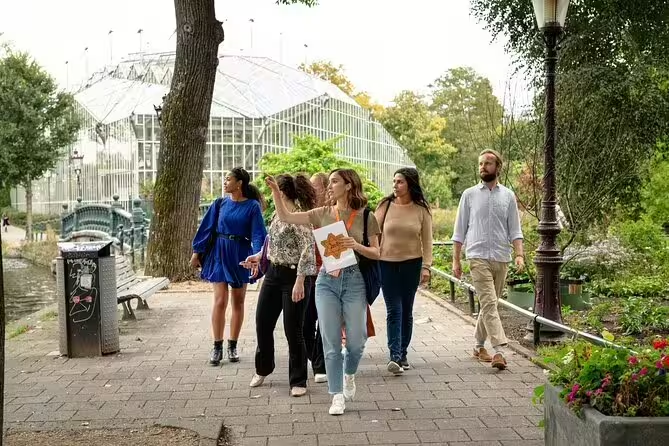
The Amsterdam history walk with stroopwafel tasting lasts 2 hours and includes a local guide in your chosen language and a freshly made Dutch stroopwafel tasting.
The self-guided Amsterdam audio walk with a GPS map lasts 3 hours. It includes app access, 21 audio commentaries, a 3D map with live geolocation and offline access after downloading. Audio is available in English, French and Spanish, with access on up to 5 devices at once and no expiry date.
The Rijksmuseum suits an interest in architecture, while an Anne Frank walk offers a focus on wartime history. Pierre Cuypers designed the Rijksmuseum building, which opened in 1885, bringing Gothic and Renaissance styles together. Work between 2003 and 2013 returned it to his original architectural layout.

Anne Frank arrived in Amsterdam in February 1934; Germany invaded the Netherlands on 10 May 1940. Her diary later appeared in around 70 languages and inspired theatre and film adaptations. The private Anne Frank walking tour about Amsterdam and WWII lasts 2 hours and includes a professional private walking guide, a guided visit to the Jewish neighbourhood and wartime landmarks, and stories about Anne Frank, the Dutch resistance and the occupation.
The Canal Ring is the historical focus to keep in mind when planning a canal cruise. It dates from the 17th century and has UNESCO protection. For a walk as well, the Jordaan offers narrow streets and a past as a working-class neighbourhood.
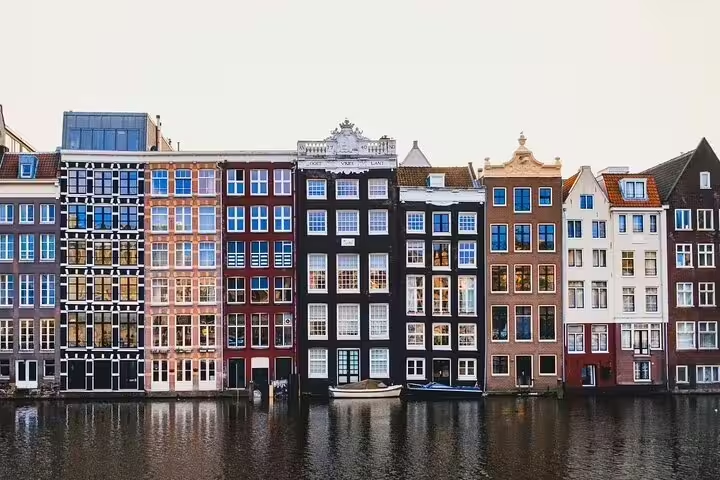
The self-guided Jordaan mystery walk and phone adventure lasts 1 hour and 45 minutes. It includes app access to the story, clues, challenges and narrative chapters, with navigation throughout the route.
Two days work for a visit centred on art, canals and neighbourhood walks. Day one can centre on the Rijksmuseum, with Vondelpark as a separate stop. Vondelpark adds landscape design to the plan: residents commissioned it in 1864 and hired Jan David Zocher. Day two can bring together the Canal Ring and the Jordaan, with an Anne Frank history walk if that interests you.
Late April to early May suits a tulip-focused visit; July and August suit travellers seeking warmer weather. Tulips usually flower from mid April to early May, in the bulb fields outside the city, while July and August have average daytime highs of about 22 °C. For walking, those summer months suit a preference for warmth, while the spring dates put flowers at the centre of the trip.
Rail suits the airport connection, and the metro reaches outlying districts. Several trains an hour link Schiphol and Amsterdam Central Station, and the journey takes about 15 to 20 minutes. Four metro routes spread out from Central Station towards the outer districts. Cycling is another option, supported by a network of several hundred kilometres of bicycle paths.
Around 400,000 clubbers attend the Amsterdam Dance Event, where over 2,500 artists perform across 200 venues in the city.
Yes, Amsterdam has museum collections devoted to cats, microbes and even funerals.
De Pijp took shape towards the end of the 19th century.