



Den Helder

logoBlack

Build your dream
experience

dreamimg

More to know about Den Helder


Den Helder Travel Guide

Den Helder is a breezy North Holland harbor town where sea air, wide horizons, and maritime heritage shape the pace of a trip. It works especially well for travelers who like practical, outdoorsy days, coastal views, and ferry connections that unlock nearby islands. Use this guide to plan a smooth stay in Den Helder, from logistics and seasonal timing to what to do, what to eat, and where to go next.


Snapshot

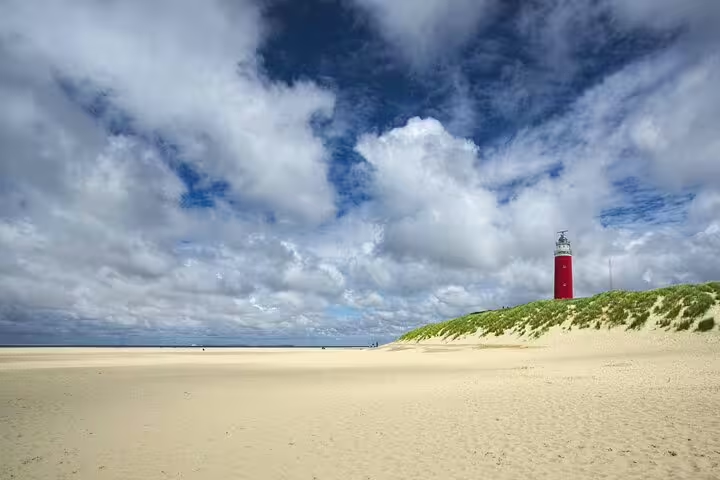
Den Helder feels like the Netherlands at its most open and elemental, with dunes, dikes, and a working waterfront that keeps things grounded. The signature vibe is coastal and straightforward, built around sea routes, naval history, and long walks with big skies. Go now if you want a less crowded North Holland base that still connects easily to regional highlights and day trips.


๐Ÿ—บ๏ธ Geography and Logistics

๐Ÿ“ Orientation: Where is it within North Holland and Netherlands?

Den Helder sits at the northern tip of North Holland in the Netherlands, where land meets the North Sea and the Wadden Sea region begins to influence the landscape. Think dunes and coastal defenses to one side, and a port focused on ferries and maritime routes on the other. For gateways, Amsterdam and its wider transport network are the most common hub for international arrivals, then you continue north into North Holland by rail or road.

๐Ÿ•’ When to Go: Seasonal breakdown

In warmer months, the coast draws more day trippers, and outdoor time is the main event, beach walks, dune paths, and harbor views. Shoulder seasons tend to feel calmer, with more space to explore and a moodier sea that photographers often love. In colder months, the wind can be sharper and daylight shorter, so plan for layered clothing and choose activities that mix indoor stops with quick coastal bursts.

๐Ÿ’ฐ Budget & Currency: Practical money tips

The Netherlands uses the euro, and cards are widely used, so a card-first approach is usually convenient for day-to-day spending. Keep a small amount of cash for simple purchases or situations where a card terminal is unavailable. Budget-wise, plan for typical Dutch pricing, and keep flexibility for weather-driven choices, since coastal conditions can change what you feel like doing on a given day.


โญ Essential Things to Do

Harbor and Waterfront Walk
The waterfront is the quickest way to understand the town, because it shows the working identity of Den Helder and its relationship with sea routes. The views are expansive, and the atmosphere is practical rather than polished, which makes it feel authentic. Practical tip: go early or late in the day for softer light and fewer people, then build your day outward from the port area.

Dunes and Coastal Paths
The dune landscape around North Holland is part of what makes the region feel so distinct, and Den Helder gives you easy access to that windswept scenery. It is ideal for long, steady walks where the horizon stays wide and the air feels crisp. Practical tip: bring a windproof layer and plan a simple loop route so you can adjust distance if conditions shift.

Beach Time and Sea Views
A coastal destination earns its reputation through the small moments, salty air, dramatic clouds, and the rhythm of waves. Beach time here is less about flashy resort energy and more about space, weather, and calm. Practical tip: check the wind before you go, then pack a warm layer even in mild seasons, since the coast can cool quickly.

Ferry Connection for Island-Hopping
One of the biggest reasons travelers choose Den Helder is the ferry gateway, which turns a simple stay into a flexible base for exploring beyond the mainland. Even if you do not spend the night on an island, a day trip can change the feel of your itinerary. Practical tip: aim for an earlier sailing so you have generous time on the other side and less schedule pressure.

Maritime and Naval Heritage Focus
This corner of North Holland has long been tied to shipping lanes and coastal defense, and the town’s identity reflects that history. Even without a checklist of attractions, you can feel the maritime story in the built environment and the port activity. Practical tip: pair a heritage-focused stop with a waterfront walk so the context stays vivid and you avoid museum fatigue.

Bike-Friendly Exploring
Like much of the Netherlands, the area lends itself to cycling, which helps you cover more ground between dunes, town streets, and coastal viewpoints. Cycling also gives you the freedom to chase weather windows, which matters at the sea. Practical tip: choose a route with multiple turnaround points so you can shorten your ride if headwinds pick up.

Local Markets and Everyday Streets
A destination becomes memorable when you see how daily life works, not only the headline sights. Browsing local streets and small shops adds texture and helps you find casual food stops. Practical tip: go earlier in the day when local routines are in motion, then keep your afternoon for outdoor time.

Sunset Watching with Big Skies
The open coastal geography can create dramatic skies, especially when clouds move fast and light changes quickly. Sunset time can be a simple highlight that costs nothing and feels deeply tied to place. Practical tip: arrive a bit early, choose a sheltered spot if it is windy, and keep your camera ready for rapid shifts in color.


๐Ÿšถ Curated Itineraries

โฐ The Highlights (1 Day)

Start with a harbor and waterfront walk to get oriented and to feel the maritime pulse of Den Helder. Shift into dunes and coastal paths late morning, when you are warmed up and ready for a longer stroll with panoramic views. Take a relaxed lunch break, then spend the afternoon with beach time and slow exploring around town streets. Finish with sunset watching, and keep your evening flexible in case weather suggests a cozy indoor stop.

โฐ Deep Dive (2-3 Days)

Day one follows the highlights, but add more time for cycling between coastal viewpoints and residential streets so the town feels less like a quick stop and more like a base. Day two is ideal for the ferry connection and an island-style day trip, then return for an easy dinner and a second sunset if conditions are good. If you have a third day, use it for a slower rhythm, a longer dune walk, local browsing, and revisiting your favorite waterfront angle for photos.


๐Ÿฝ๏ธ Flavors of Den Helder

Fresh Fish
Coastal towns shine when seafood is simple and well handled, with clean, briny flavors that match the sea air outside. Ordering tip: ask what is freshest that day, then choose a preparation that stays straightforward.

Herring
A classic Dutch staple, herring is salty, rich, and distinctly local in feel. It is often a quick bite that fits between walks and ferry schedules. Ordering tip: if you are unsure, start with a smaller portion or a simple serving style before trying variations.

Kibbeling
This is a popular fried fish snack with a crisp exterior and tender interior, satisfying after windy time on the coast. It pairs well with casual sightseeing because it is easy to eat on the go. Ordering tip: request it fresh and hot, and be ready to wait a few minutes for a better result.

Dutch Fries
Fries in the Netherlands are often hearty and filling, which makes them a good warm-up food after beach time. They can be a simple comfort option when weather turns cooler. Ordering tip: if sauces are offered, pick one that matches your mood, creamy for comfort or sharper for contrast.

Cheese
Dutch cheese culture is broad and accessible, and it adds an easy local note to picnics and travel snacks. The flavors range from mild and creamy to more aged and nutty. Ordering tip: ask for a small tasting selection so you can compare styles without overbuying.

Stroopwafels
Sweet and caramel-forward, stroopwafels are a classic treat that travels well and feels comforting with a warm drink. They are especially satisfying on breezy days. Ordering tip: if you can, choose one that is freshly made or gently warmed for the best texture.


๐ŸšŒ Navigation & Transport

Den Helder is manageable on foot for central exploring, especially if your plan focuses on the waterfront, local streets, and nearby viewpoints. For dunes and longer coastal stretches, cycling can be the most efficient way to connect areas without turning the day into a long march. Public transport links are useful for regional connections and for arriving from major hubs, while taxis or ride services can help if weather is rough or you have limited mobility. For safety and comfort, treat wind as a real factor, wear visible layers when cycling, and plan routes with easy bail-out options if conditions change.


๐ŸŒ„ Beyond the Center: Day Trips

Texel (by ferry)
Travel time: depends on ferry schedule and onward transport. The main reason to go is the island change of pace, with a distinct landscape feel and a full-day reset from mainland routines.

North Holland Dune Areas
Travel time: varies by route. Go for deeper immersion in coastal nature, longer walks, and the kind of open scenery that defines this region.

Alkmaar
Travel time: varies by train or car. Visit for a contrasting city atmosphere and a more urban day among North Holland’s classic townscapes.

Amsterdam
Travel time: varies by train. Choose it for major museums, canals, and a high-energy counterpoint to the calm, elemental feel of Den Helder.


โœ… Insider Tips for Travelers

  • Pack a windproof outer layer year-round, coastal wind can make mild temperatures feel cooler.
  • Plan outdoor highlights earlier in the day, then keep afternoons flexible in case weather shifts.
  • If you are cycling, choose routes with multiple turnaround points so headwinds do not trap you far from town.
  • Use the waterfront as your navigation anchor, it is the easiest reference point for getting oriented.
  • For ferry day trips, aim for an early departure so you avoid rushing and can adapt your return if conditions change.
  • Carry a small amount of cash as a backup, but expect card payments to cover most needs.

โ“ Frequently Asked Questions, FAQ

How many days do you need in Den Helder?

One day covers the waterfront, dunes, and a relaxed town stroll. Two to three days is better if you want a ferry day trip and time to explore at a slower coastal pace.

Is Den Helder a good base for island day trips?

Yes, the ferry connection makes it a practical launch point for an island-style day. Start early so you have generous time on the other side and less schedule pressure.

What should I pack for the coast?

Bring a windproof layer and comfortable walking shoes, even in warmer seasons. Layers matter because coastal conditions can change quickly across a single day.

Can you get around without a car?

Yes, central areas are walkable, and cycling is a strong option for longer coastal stretches. Public transport is useful for regional connections, and taxis can help when weather is rough.

What is the best time of day for photos in Den Helder?

Early morning and late afternoon often bring softer light and fewer people at the waterfront. In Den Helder, fast-changing skies can be the main feature, so stay flexible and watch the clouds.