Last updated:


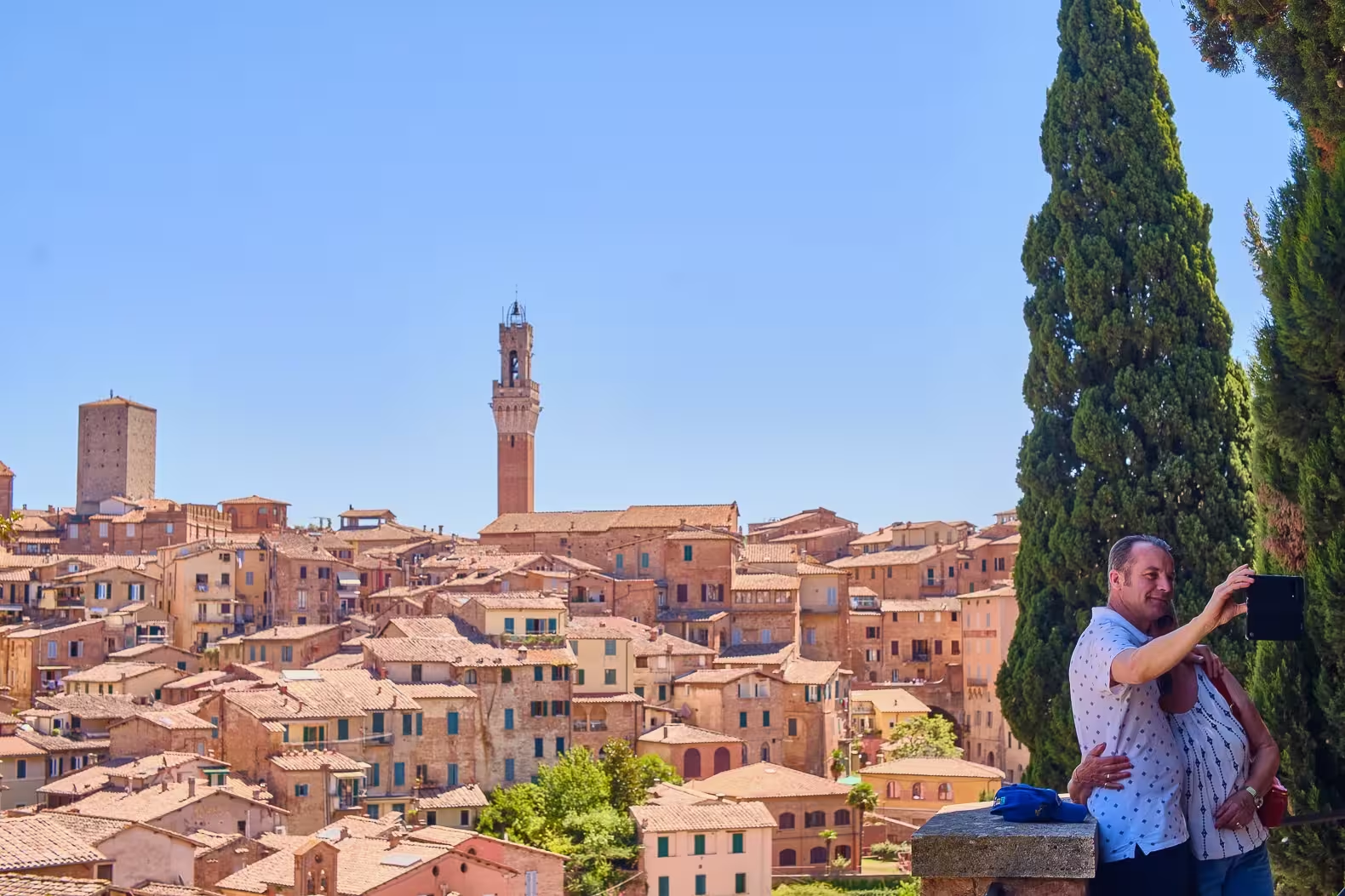
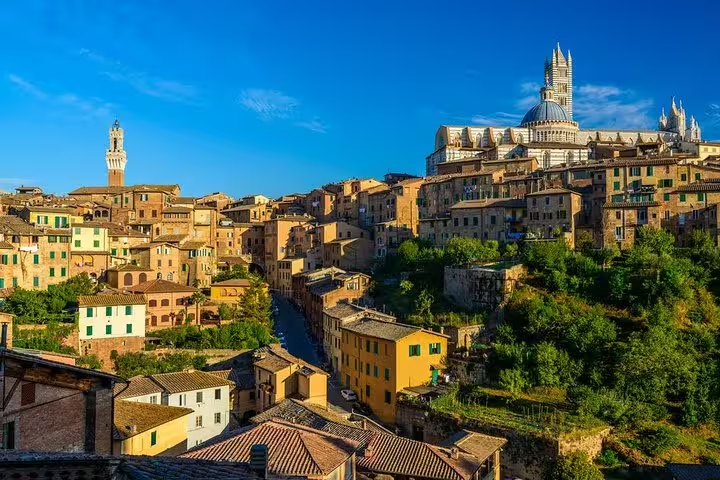
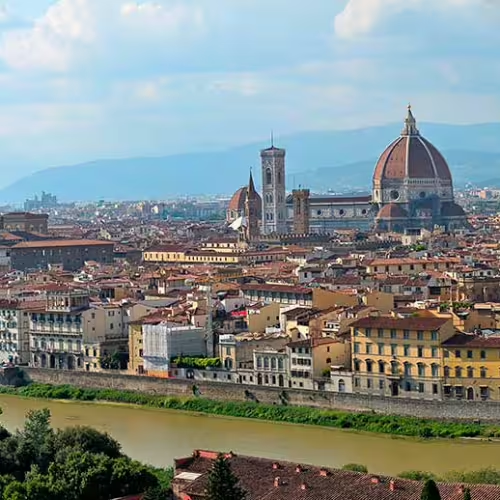
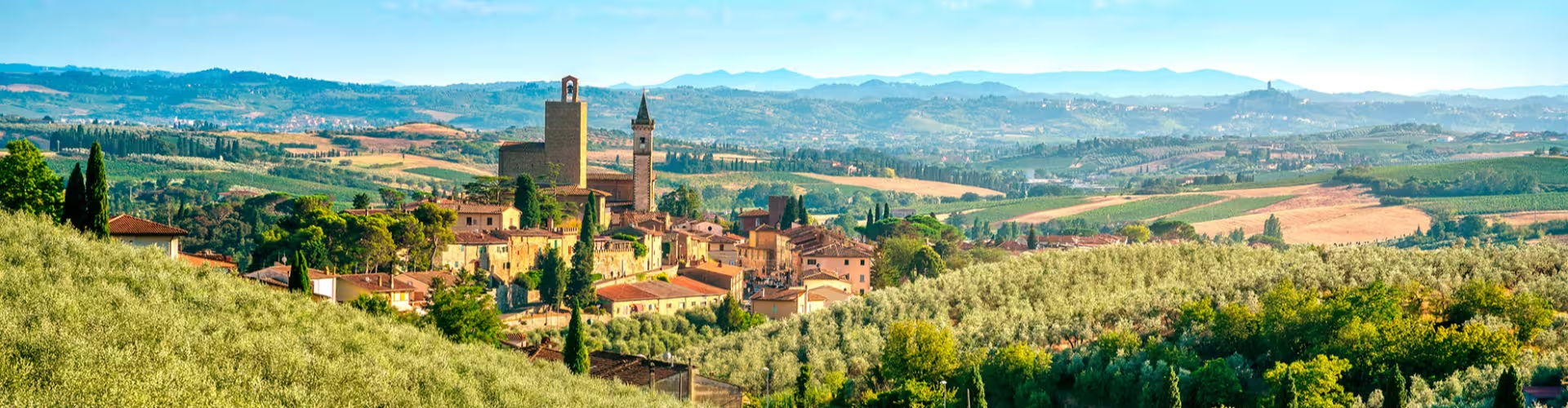
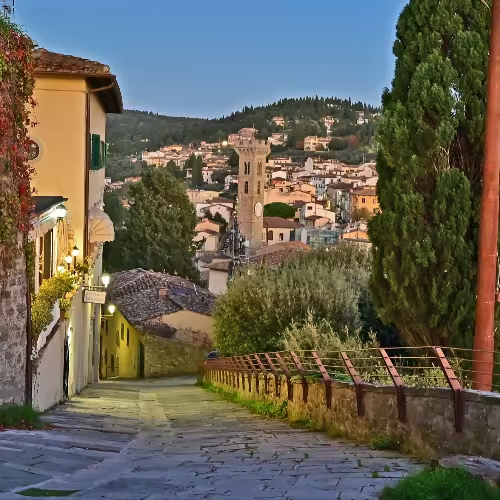
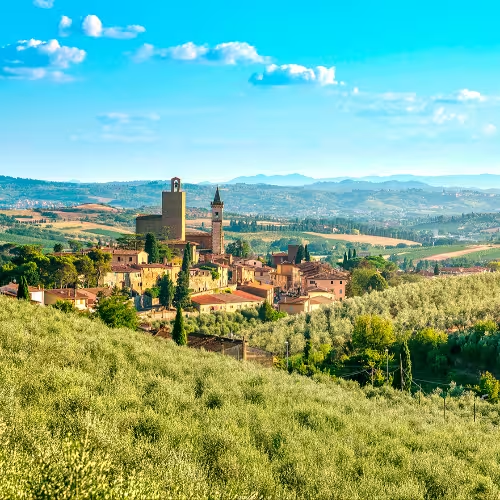
Greve in Chianti is worth putting on your Tuscany itinerary if you want to combine wine with village visits rather than devote the whole visit to tastings. Florence is to the north and Siena to the south, while the municipality itself brings together a market square, walled Montefioralle and the wine country of Chianti Classico.
Two days would let you spend a day in Greve and another visiting Montefioralle and Panzano. This is a suggested division of your time: the square and museum give the town day a focus, while the village day brings together defensive walls and church paintings.
The triangular market square, framed by arcades, is where to begin exploring Greve. Its shape and market character make more sense when you know that Greve grew up as a market town beside the main roads of the time. For art rather than another tasting, the former San Francesco convent houses the Museum of Sacred Art, which also has an archaeological section.
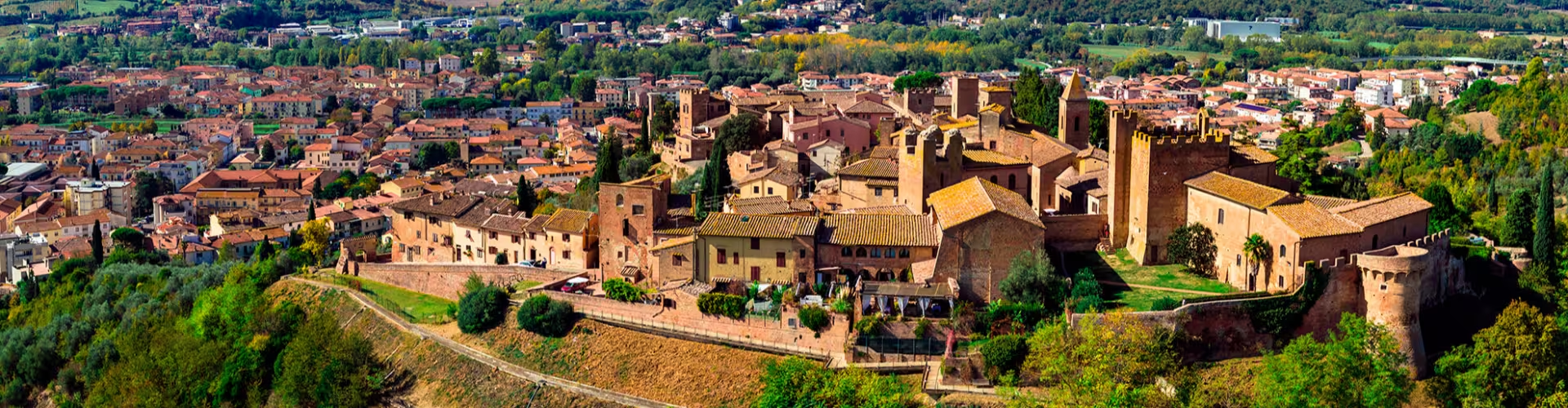
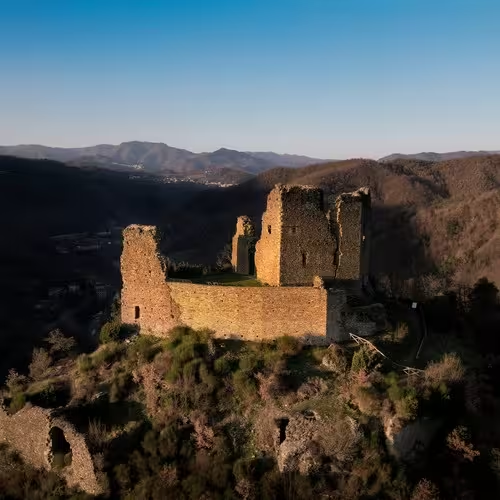
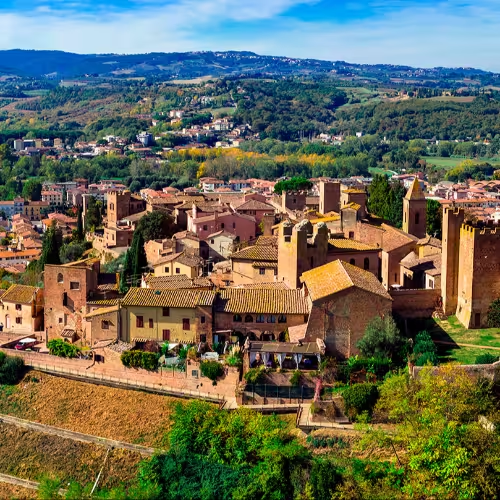
Montefioralle rewards a visit for its surviving ring of defensive walls and the Madonna and Child panel in Santo Stefano. The painting is by the Master of Montefioralle, so the church offers something specific to look for alongside the walls. At Panzano, the Pieve di San Leolino offers another art stop, with a Madonna and Saints polyptych by Mariotto di Nardo.
If you want a single day devoted to the wine region from Florence, an eight-hour private Chianti tour provides a chauffeur-driven vehicle for the day.
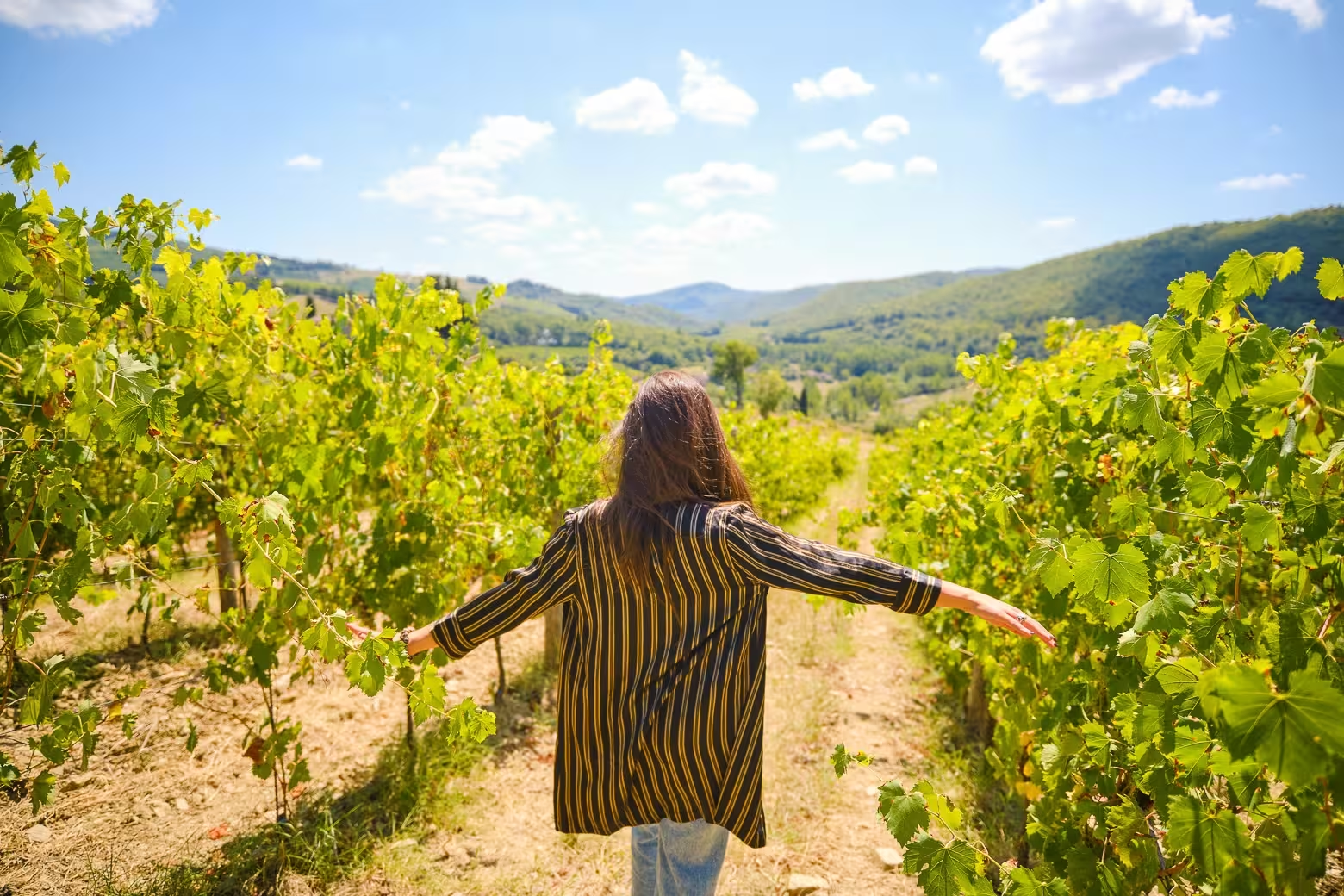
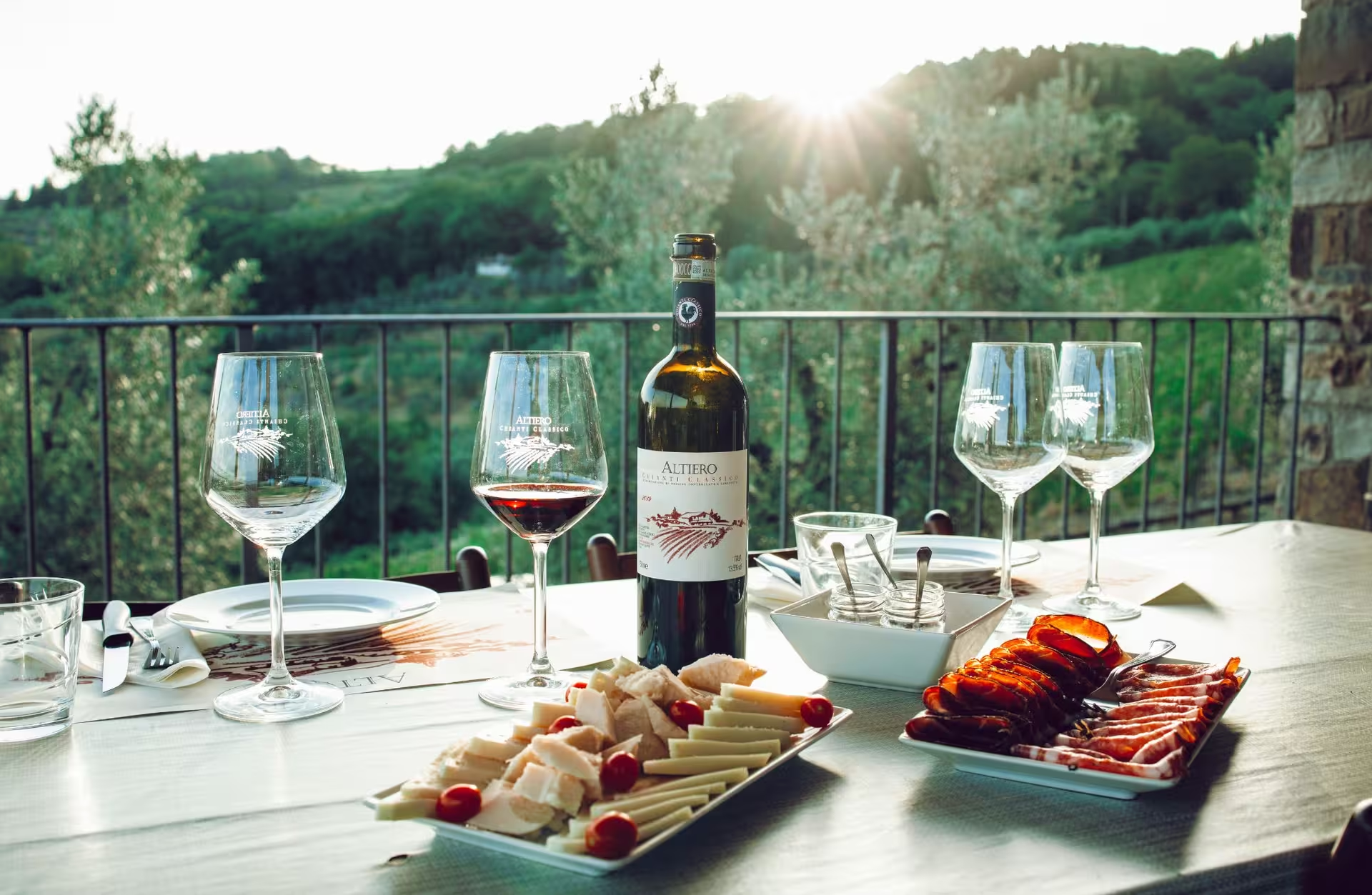
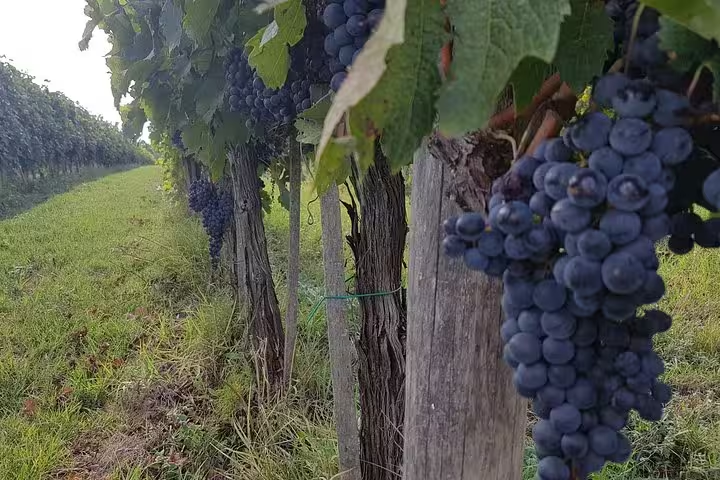
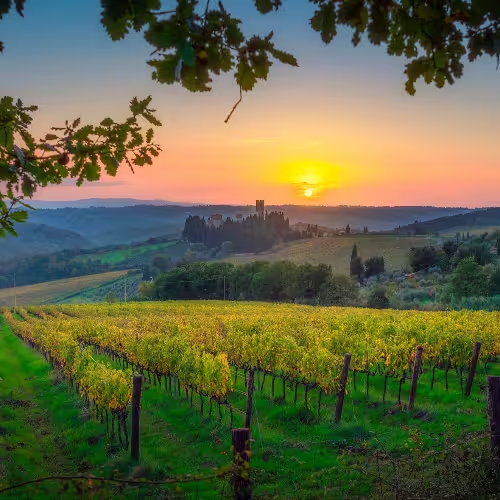
A winery visit is a natural focus here, with olive oil worth keeping in mind alongside the wine. All of Greve in Chianti falls within the Chianti Classico production area, and extra virgin olive oil belongs to its local production traditions too. Grapevines and olive trees both benefit from the relatively mild climate.
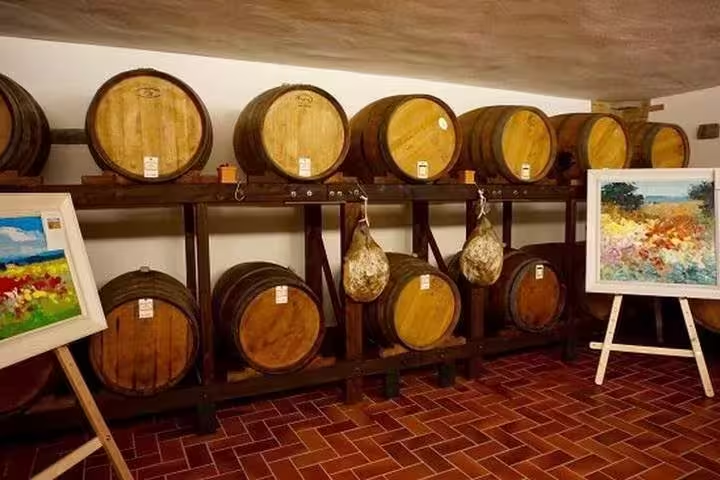
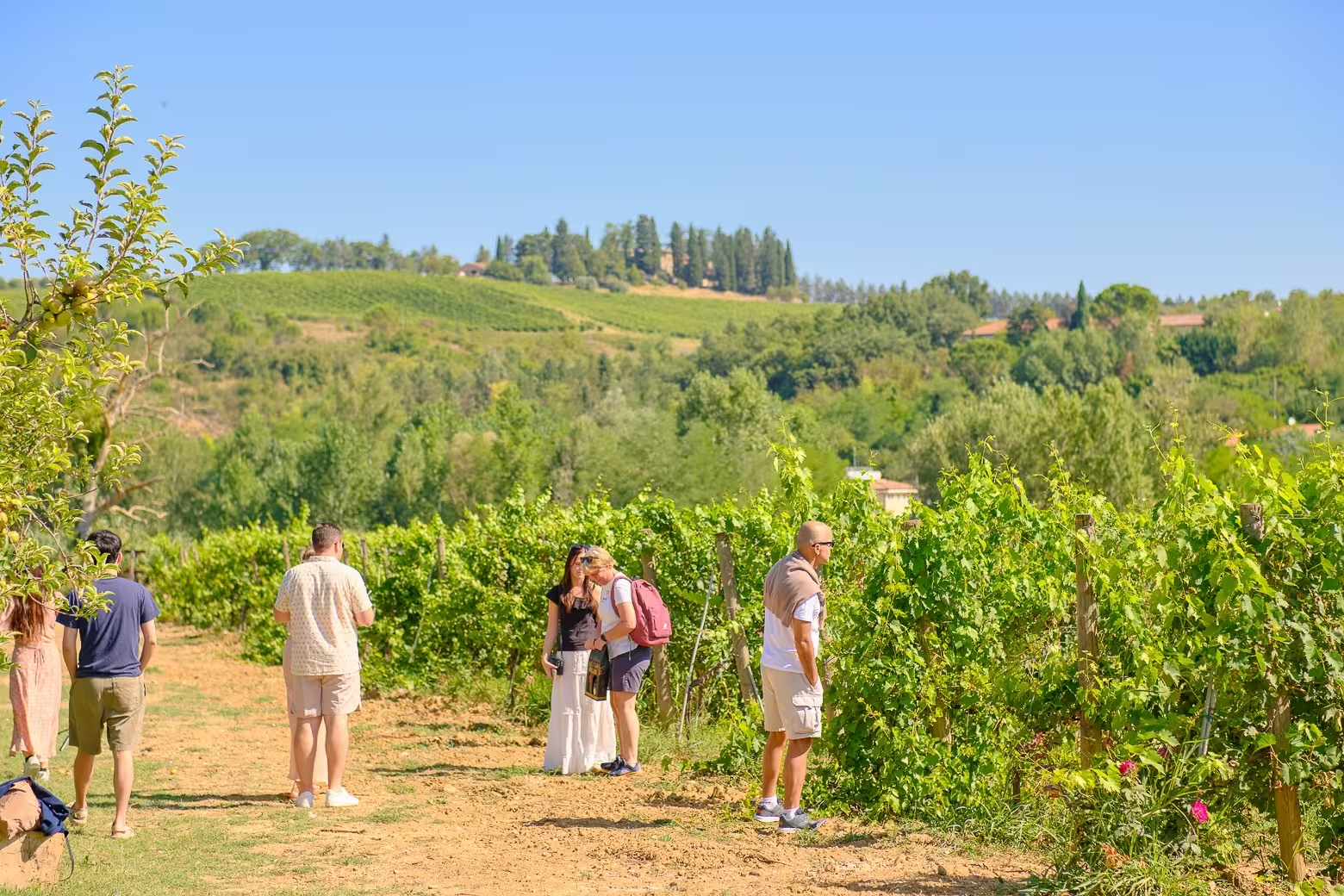
If you want to taste wine and food together, a guided Chianti winery visit with wine and food tasting also takes you into the cellar with a guide.
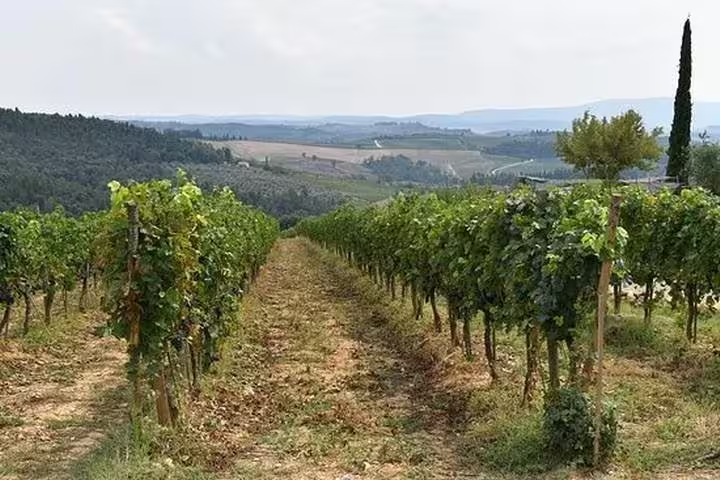
A themed walking loop is an option if you want time outdoors alongside the villages. Greve has a network of circular walking routes, so walking can become a distinct part of the visit rather than just movement between sights.
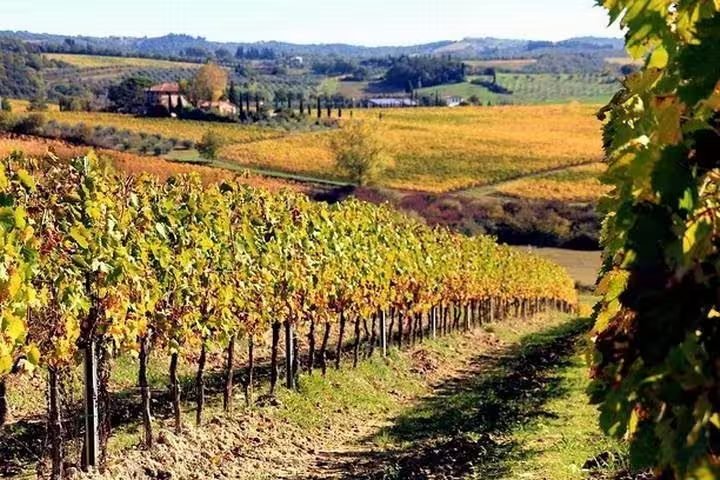
Lamole is another place to keep in mind if rural landscapes interest you. It belongs to Greve in Chianti and has recognition as a historic rural landscape of Italy. That makes it a different focus from the church art and defensive walls of the village itinerary.
September is the month to target if wine events are your reason for coming. The Chianti Classico Expo falls on the second weekend in Greve, followed by Vino al Vino in Panzano on the third weekend. Pick the weekend around the event you want to attend rather than treating them as simultaneous celebrations.
The bus is an option for reaching Greve from Florence without driving. Autolinee Toscane connects the two on route 365 A. For a visit centred on the town, that connection is worth weighing before committing to a countryside itinerary.
Yes, the Cittaslow movement began in 1999 from an idea of Paolo Saturnini, then mayor of Greve in Chianti.
There is plenty of choice: the municipality's tourism site lists seven CAI trails, including the Montefioralle, Lamole and Ruffoli loops.
Yes, Verrazzano Castle belonged to the family of navigator Giovanni da Verrazzano.
Sources: Comune di Greve in Chianti (CC BY 4.0): Dichiarazione_Ambientale_2023-2026_convalidata_comune_di_greve_in_chianti.pdf, borgo-di-montefioralle, il-museo-di-arte-sacra-san-francesco, pieve-di-san-leolino-panzano, DGA-2023-2026-AGGIORNAMENTO-2024_0.pdf, rete-sentieristica-di-greve-chianti, castello-di-uzzano, piazza-giacomo-matteotti, chiesa-di-santa-croce-greve-chianti, abbazia-di-montescalari, castello-di-cintoia, castello-di-lucolena, castello-di-mugnana, castello-di-verrazzano, lympha, cittaslow.