





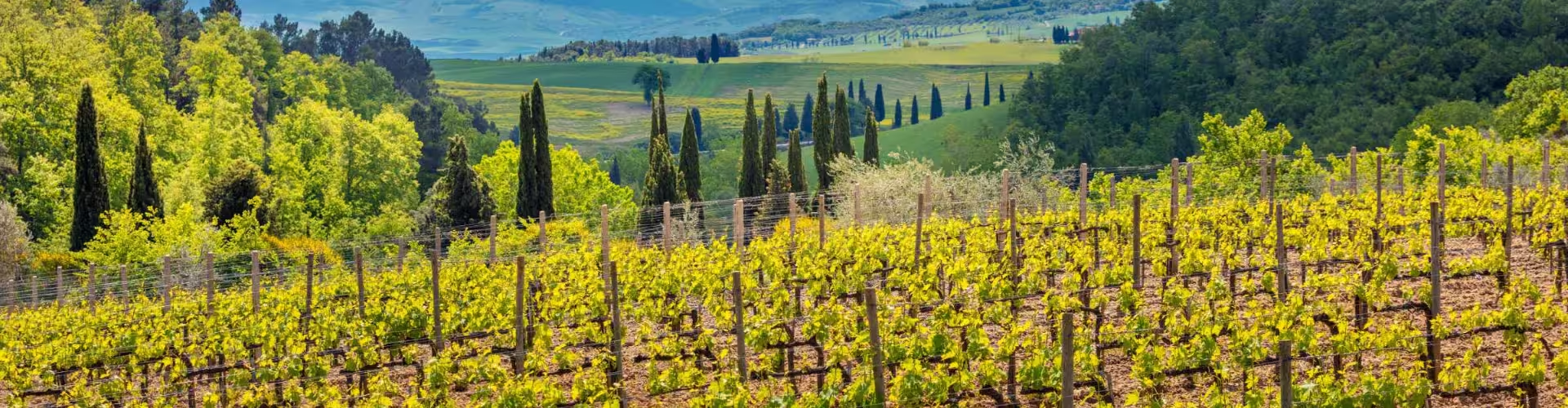
Wine Tours in Tuscany
Tuscany, Italy
73 experiences

Last updated:


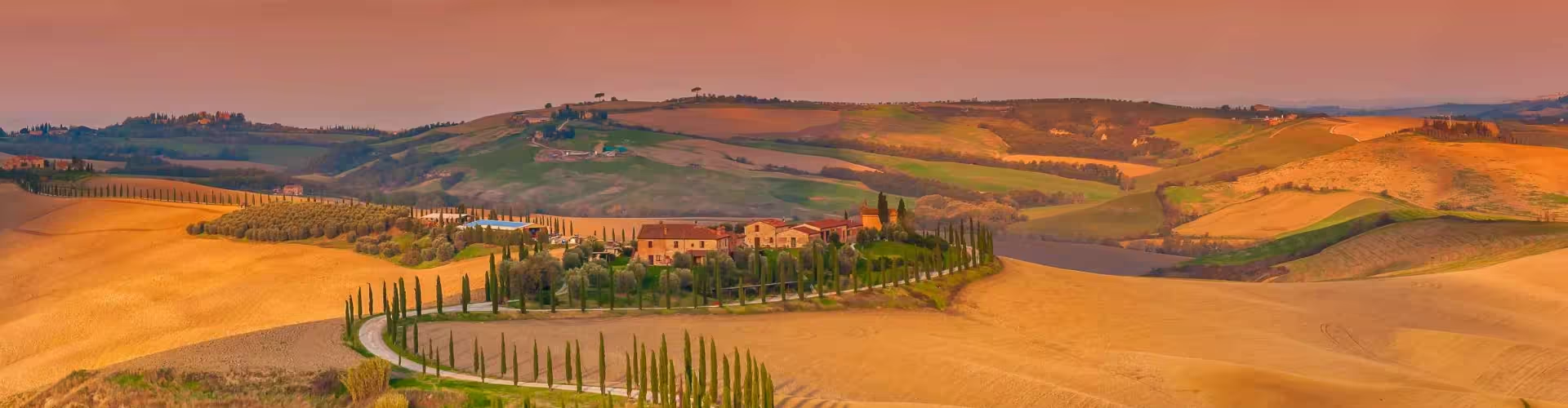
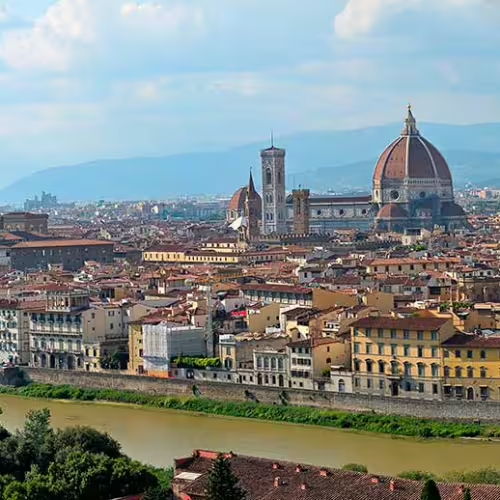
Florence and a wine tasting day make a focused introduction to Tuscany. In this region of central Italy, the regional capital brings together Brunelleschi's cathedral dome and Botticelli's Birth of Venus, while Chianti Classico offers a way into its wine traditions. Beyond Florence, the towers of San Gimignano and the buildings around Pienza's central square offer different reasons to extend your itinerary.
Three days would let you devote a day to Florence, another to wine tasting and San Gimignano, and a third to Pisa and Lucca. Treat that as a focused itinerary rather than trying to fit every place into it. Florence's art, San Gimignano's towers and Pisa's cathedral square give each day a different focus.
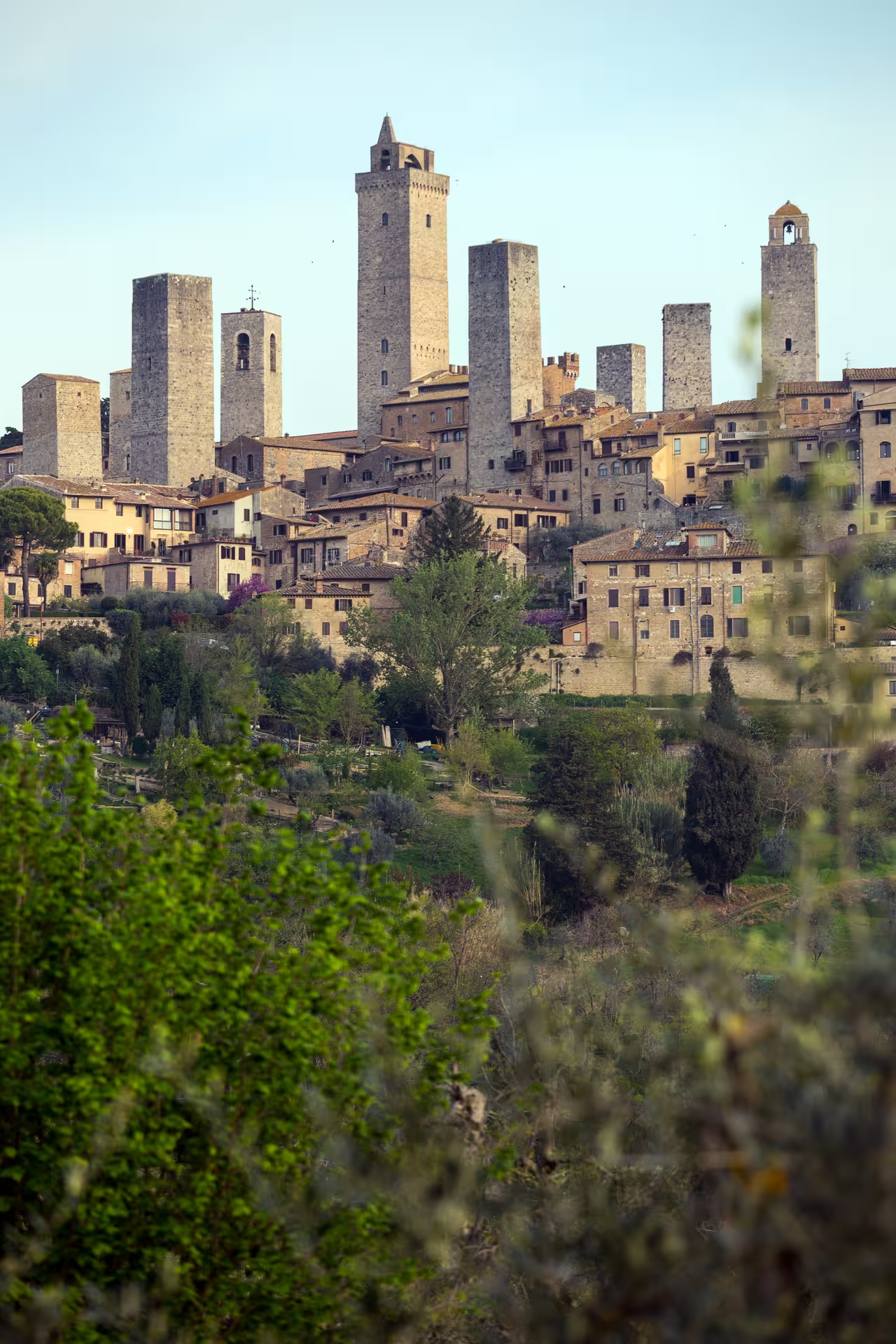
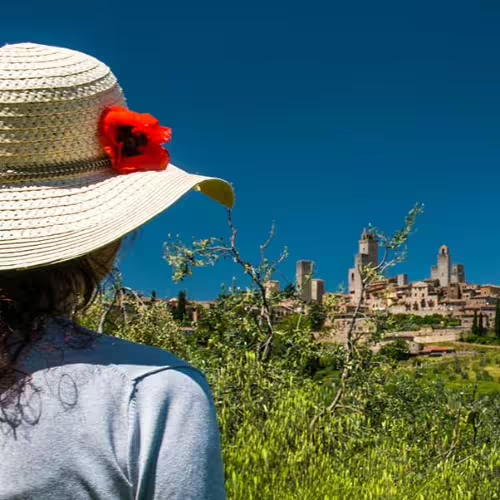
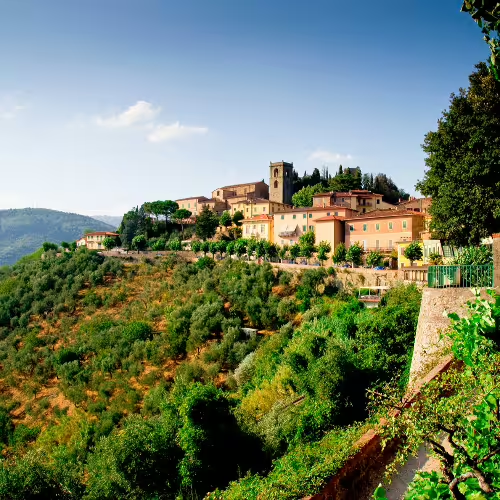
San Gimignano is worth including if you want to see a town whose towers still convey its feudal character. Its historic centre has UNESCO World Heritage status, so let the town itself share your attention with the wine tasting. If you want both in one outing, a Tuscany wine tasting day trip with two wineries and San Gimignano takes seven hours, with return transport from Florence.
Pisa rewards looking beyond its bell tower: the cathedral, baptistery and Camposanto cemetery also belong to Piazza del Duomo. Lucca offers a contrast centred on its city walls, which extend for 4.2 kilometres. If you would rather visit both places with local guidance, a full-day guided tour of Pisa and Lucca includes return transport from Florence.
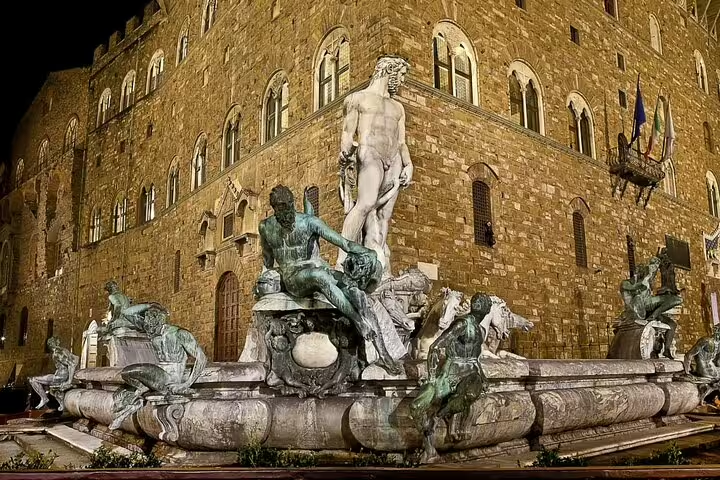
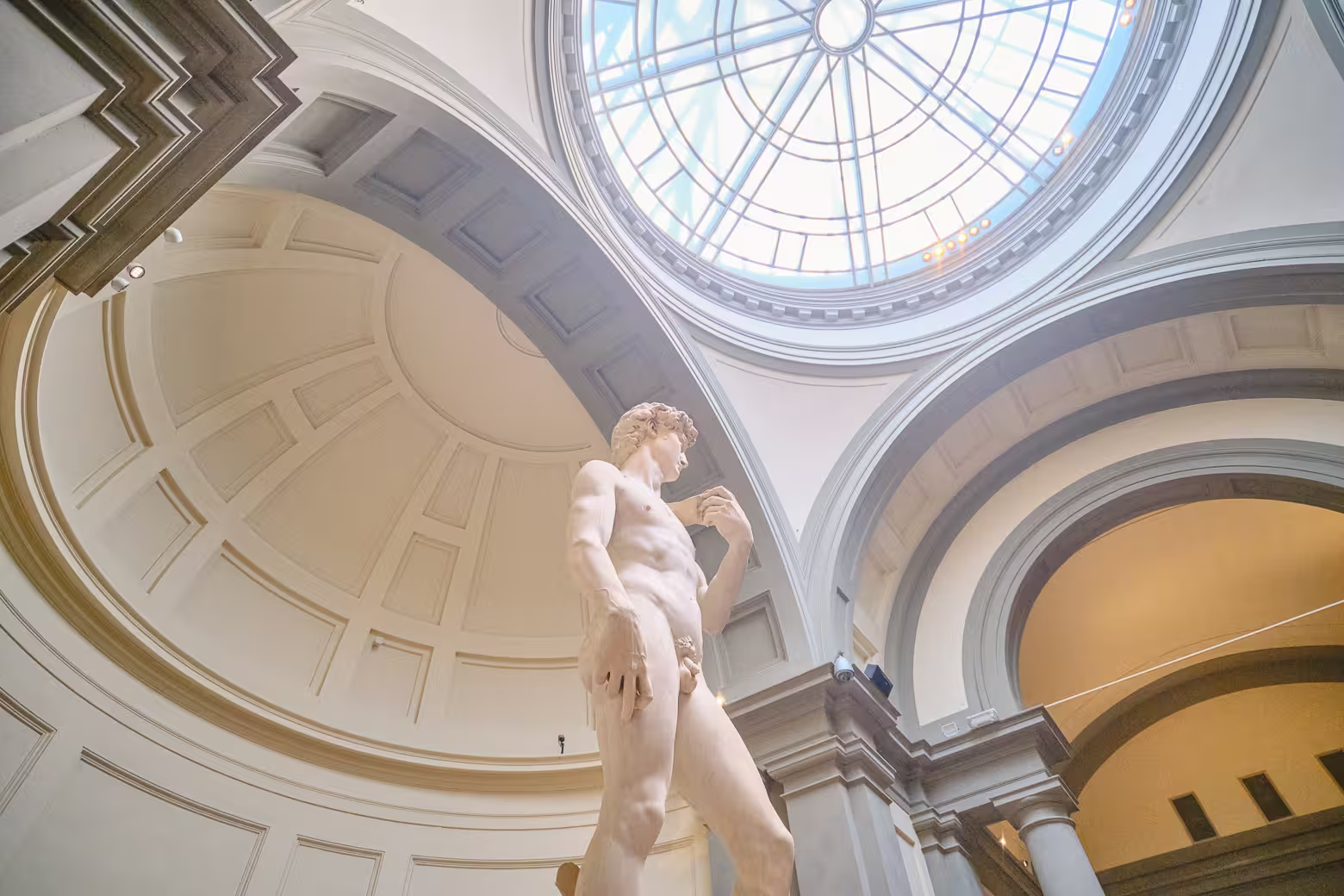
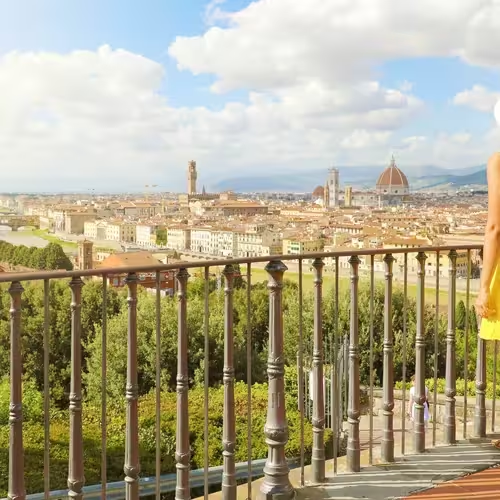
Art and architecture make a coherent focus for your Florence day. Botticelli's Birth of Venus is at the Uffizi, while the cathedral dome brings you to Brunelleschi's work. These are different experiences, so decide whether you want painting or architecture to receive more of your attention rather than treating both as names to tick off.
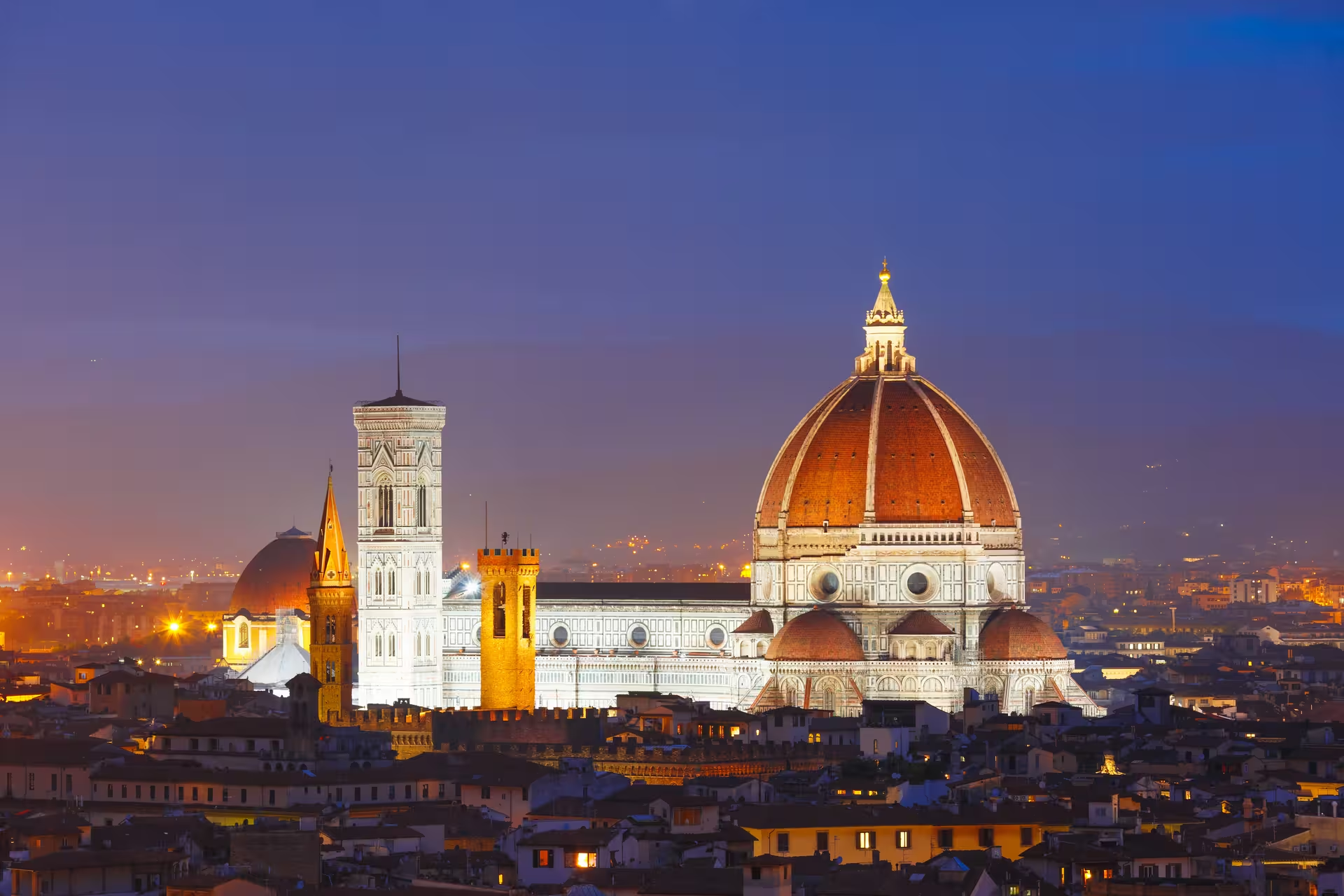
Florence's UNESCO-listed historic centre can frame the rest of the visit. Ponte Vecchio offers another architectural detail to look for: its structure rests on two piers beneath three segmental arches. There is no need to turn the day into a chronology to appreciate those differences.
Dante was born in Florence, giving a literary interest a place alongside the art. If you prefer exploring through puzzles, a self-guided Florence walking tour themed around Dante's Inferno provides smartphone game access.
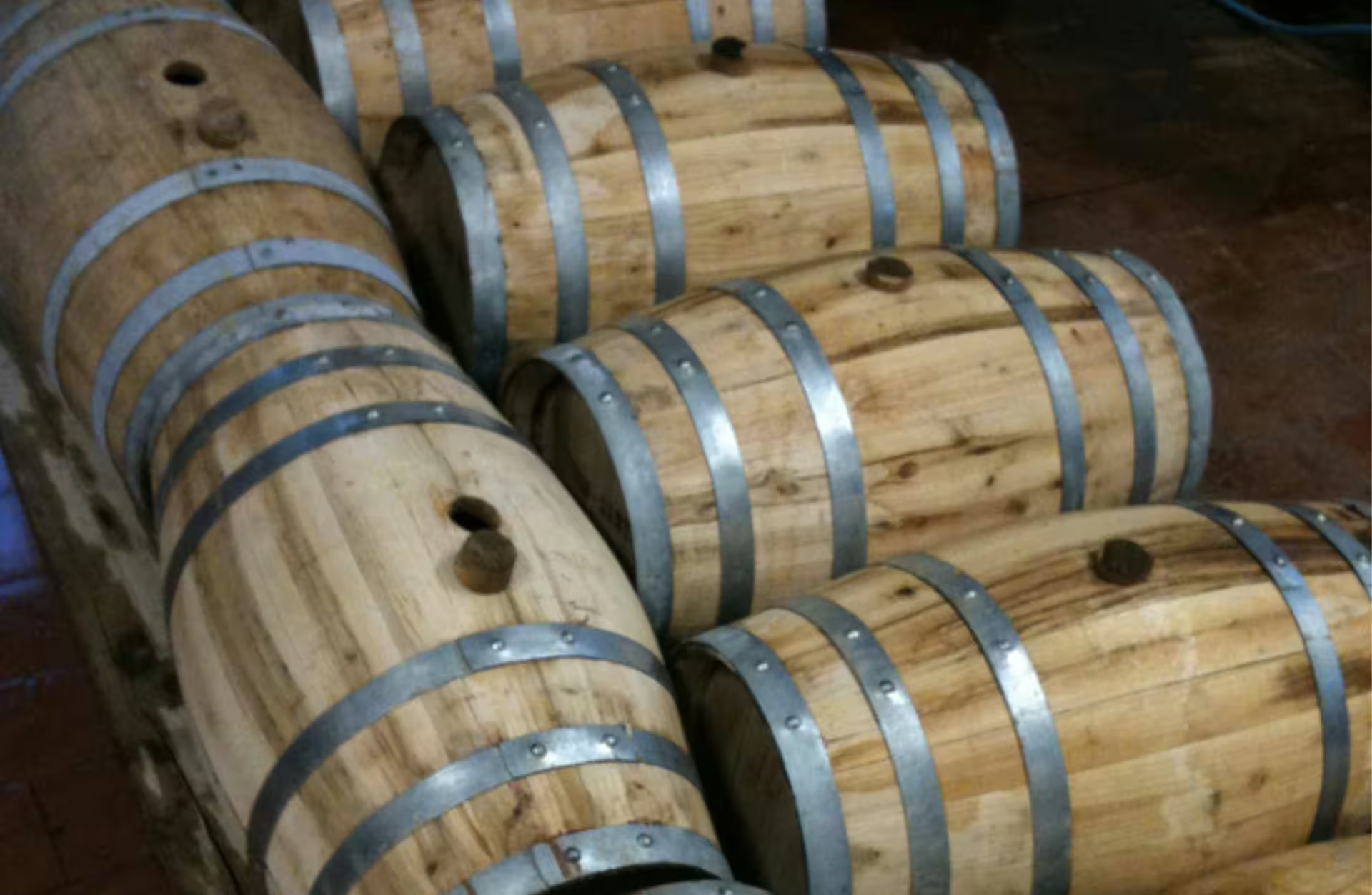
A wine-focused outing is a natural way to give Chianti its own place in the itinerary. Sangiovese is central to Chianti Classico and Chianti Classico Riserva: their vineyard composition must be between 80 and 100 percent Sangiovese. That gives you something specific to ask about when tasting, rather than approaching every wine as interchangeable.
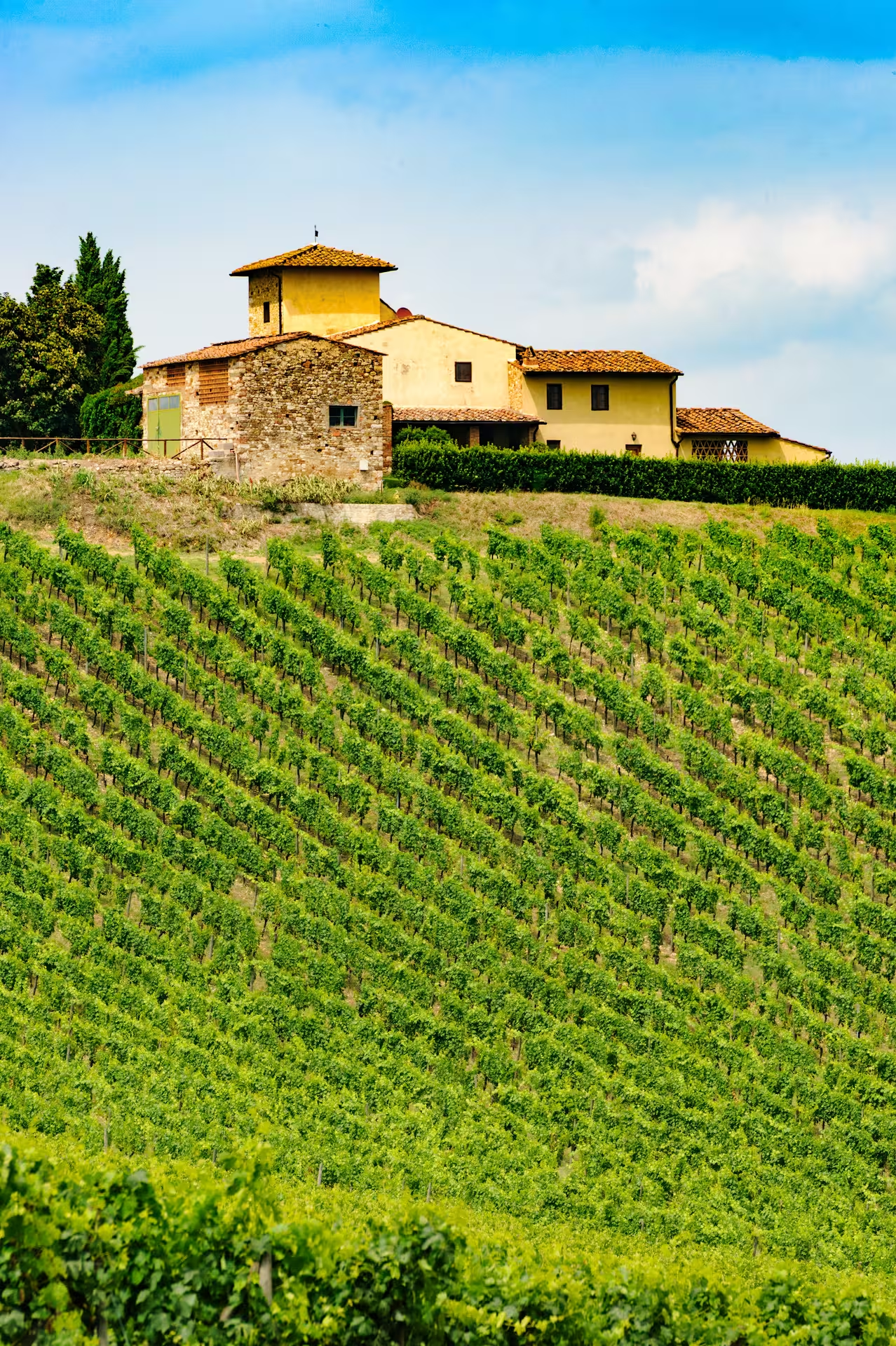
The format of the outing matters as much as the wine theme. If riding appeals to you, a Vespa tour in Chianti from Florence with lunch and wine makes this a six-hour outing.
Ribollita is a concrete introduction to Tuscan cooking, combining bread, cannellini beans and black cabbage. Pane Toscano follows a different detail worth remembering when you taste it: its dough is traditionally made without salt.
For cheese, look for aged Pecorino Toscano if you want a variety matured for at least four months. For something sweet, Panforte di Siena comes with either an icing sugar coating in its white version or a spice coating in its black version.
Airport public transport is an option for both cities. Florence's T2 tram connects Peretola Airport and the city centre; in Pisa, a public shuttle links the airport to Pisa Centrale railway station.
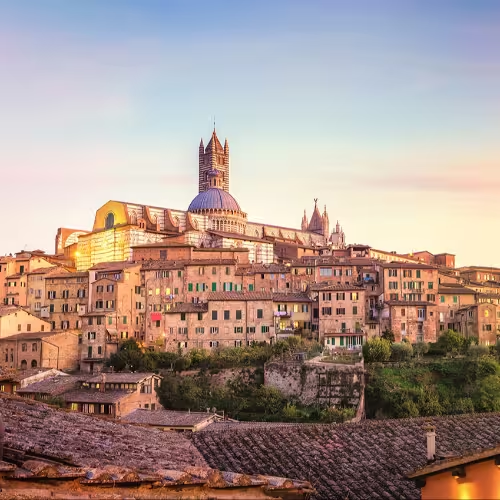
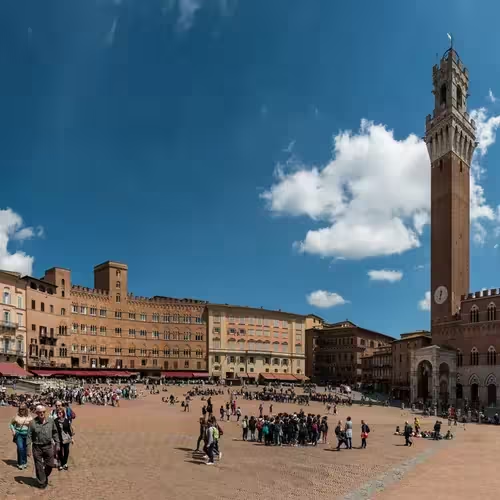
Siena traditionally holds the Palio horse race twice each year, on 2 July and 16 August.
San Gimignano has 14 towers.
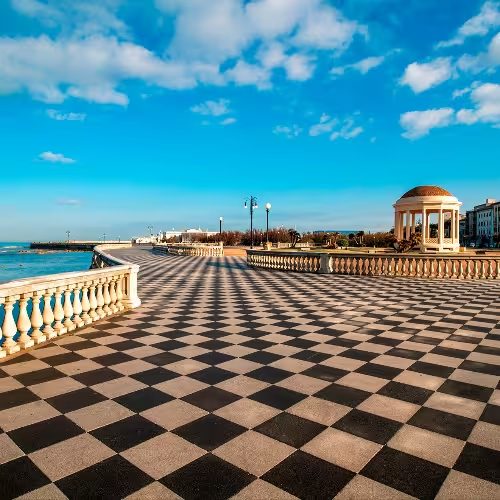
Viareggio's carnival parade tradition dates back to 25 February 1873, when decorated carriages took part.
Sources: Comune di San Gimignano (CC BY 4.0): san-gimignano-patrimonio-mondiale-introduzione; Ministero della Cultura (cultura.gov.it) (CC BY 3.0): centro-storico-di-san-gimignano, siti, piazza-del-duomo-pisa, centro-storico-di-pienza; Comune di Lucca (CC BY 4.0): museo-casa-natale-di-giacomo-puccini.