Stintino

logoBlack

Build your dream
experience

dreamimg

More to know about Stintino

Stintino Travel Guide 🏖️


🧭 Snapshot

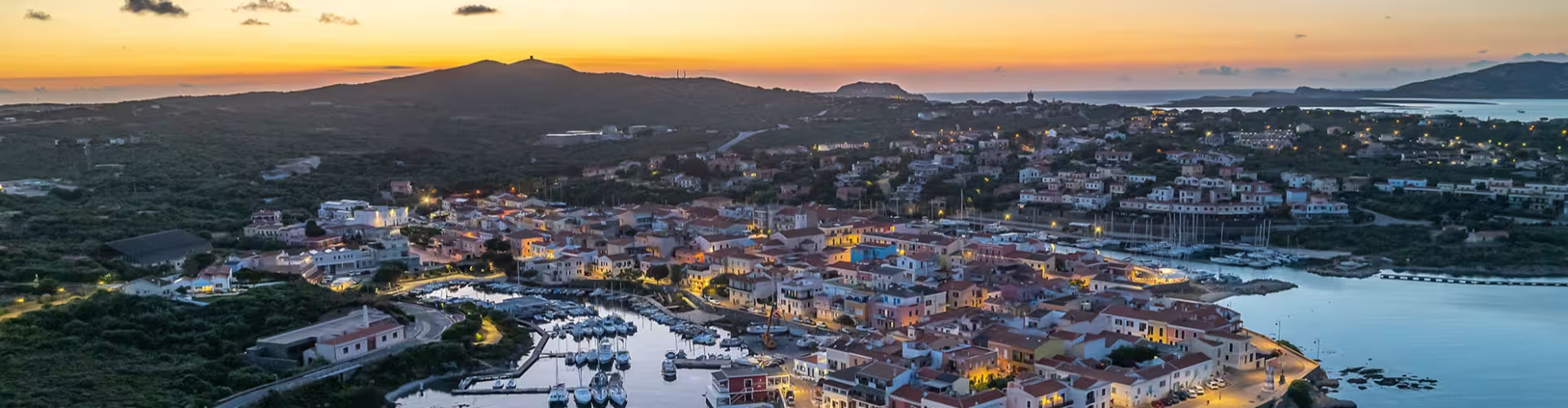
Stintino, a picturesque village in the northwestern tip of Sardinia, is renowned for its stunning beaches and vibrant marine life. Whether you're seeking relaxation or adventure, the best things to do in Stintino include exploring its azure waters and charming streets.


🗺️ Where It Sits

📍 Geography and Nearby Hubs

Stintino is nestled in the Province of Sassari, Italy, within the captivating region of Sardinia. The nearest airports are Alghero-Fertilia and Olbia, providing convenient access to this coastal gem.

🕒 Best Time To Visit

Visit Stintino in late spring or early autumn for pleasant weather and fewer crowds. Summer brings vibrant festivals and bustling beaches, perfect for sun seekers.

💰 Typical Costs and Money Tips

Expect moderate prices for accommodation and dining. Credit cards are widely accepted, but carrying some cash is advisable for small purchases.


⭐ Essential Things To Do

La Pelosa Beach: Famous for its crystal-clear waters, this beach is a must-visit. Arrive early to secure a spot and enjoy the mesmerizing views.

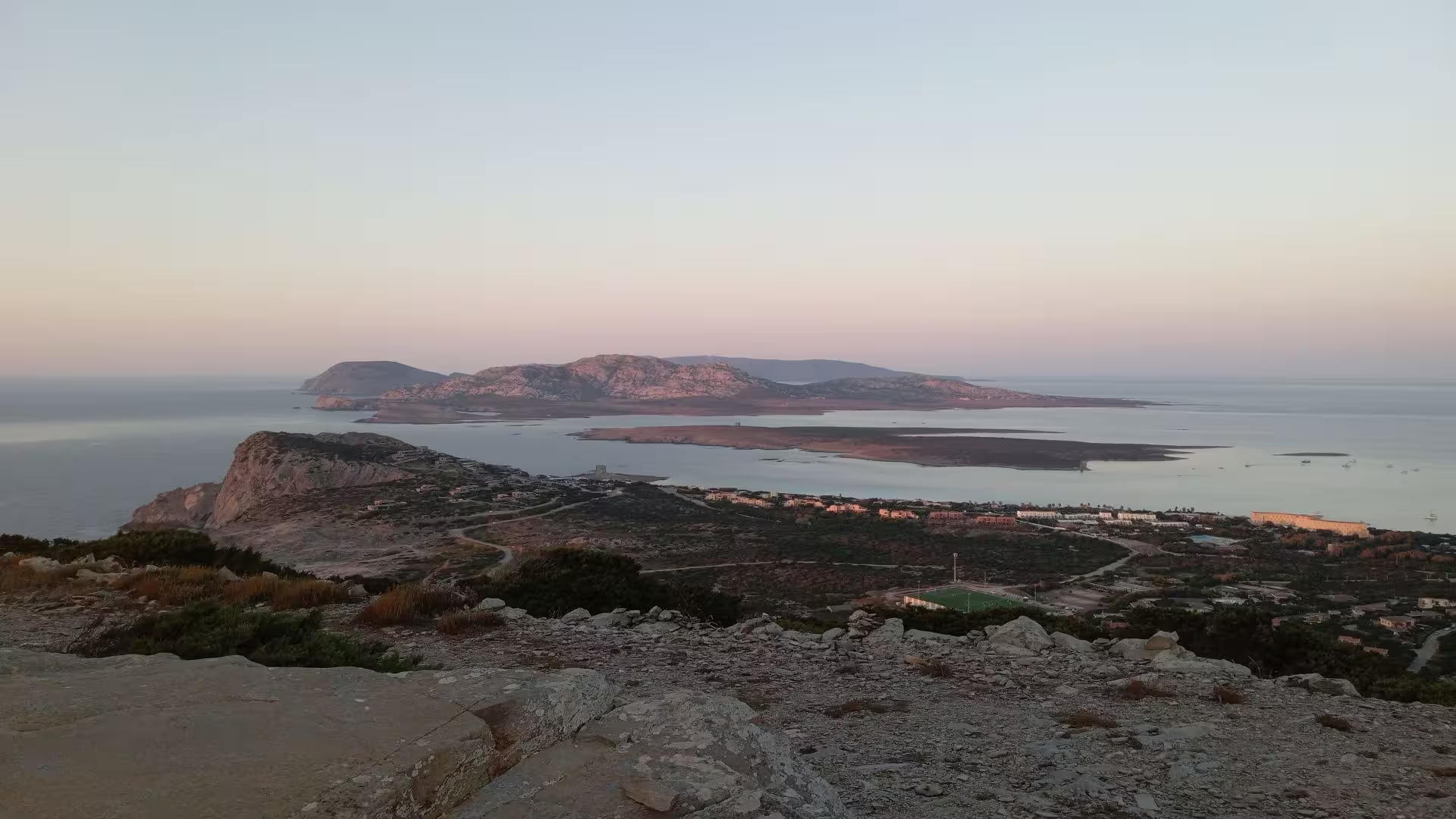
Capo Falcone: Hike up this headland for panoramic vistas of Stintino and the surrounding sea. It's a rewarding experience for nature enthusiasts.

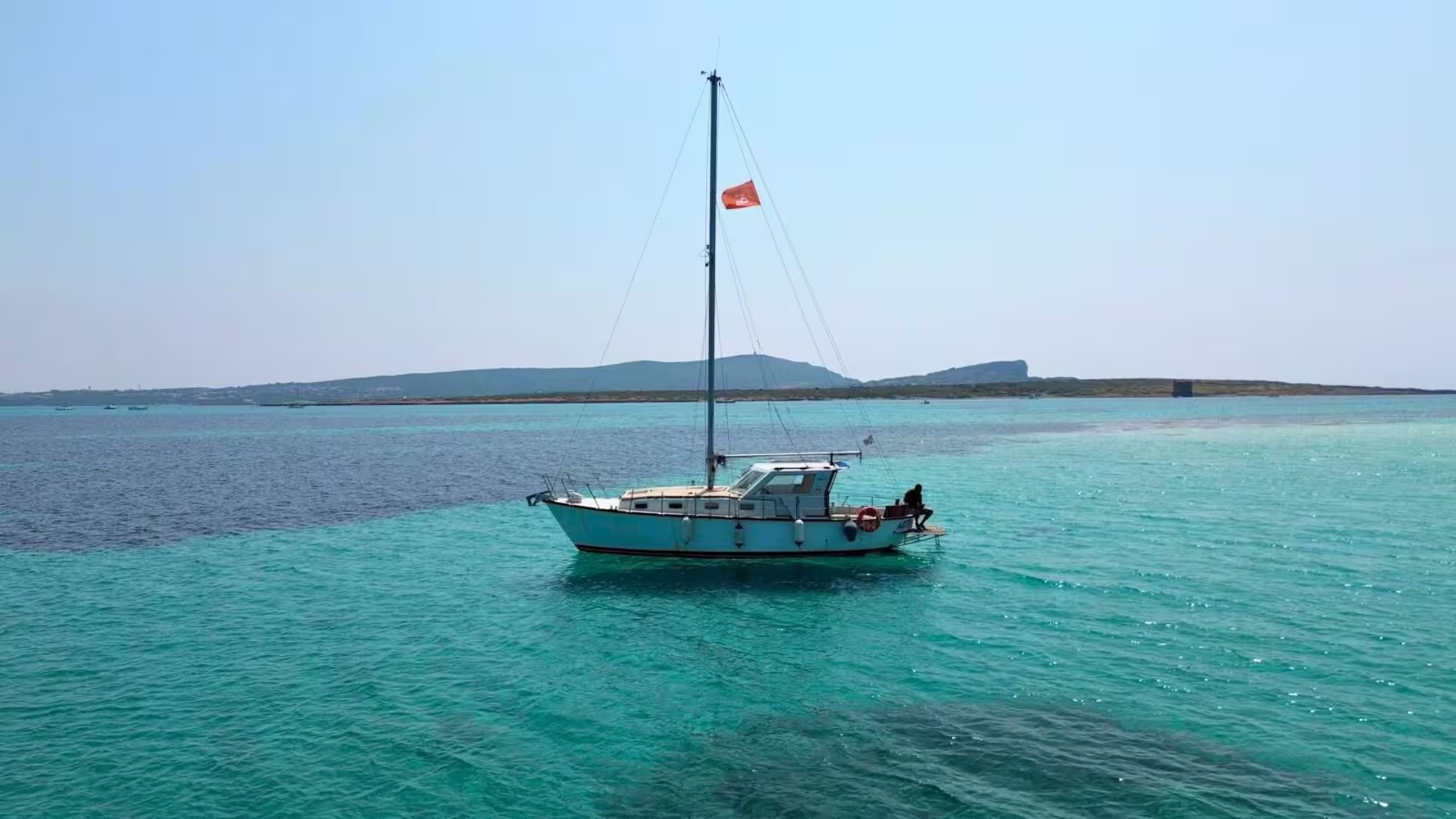
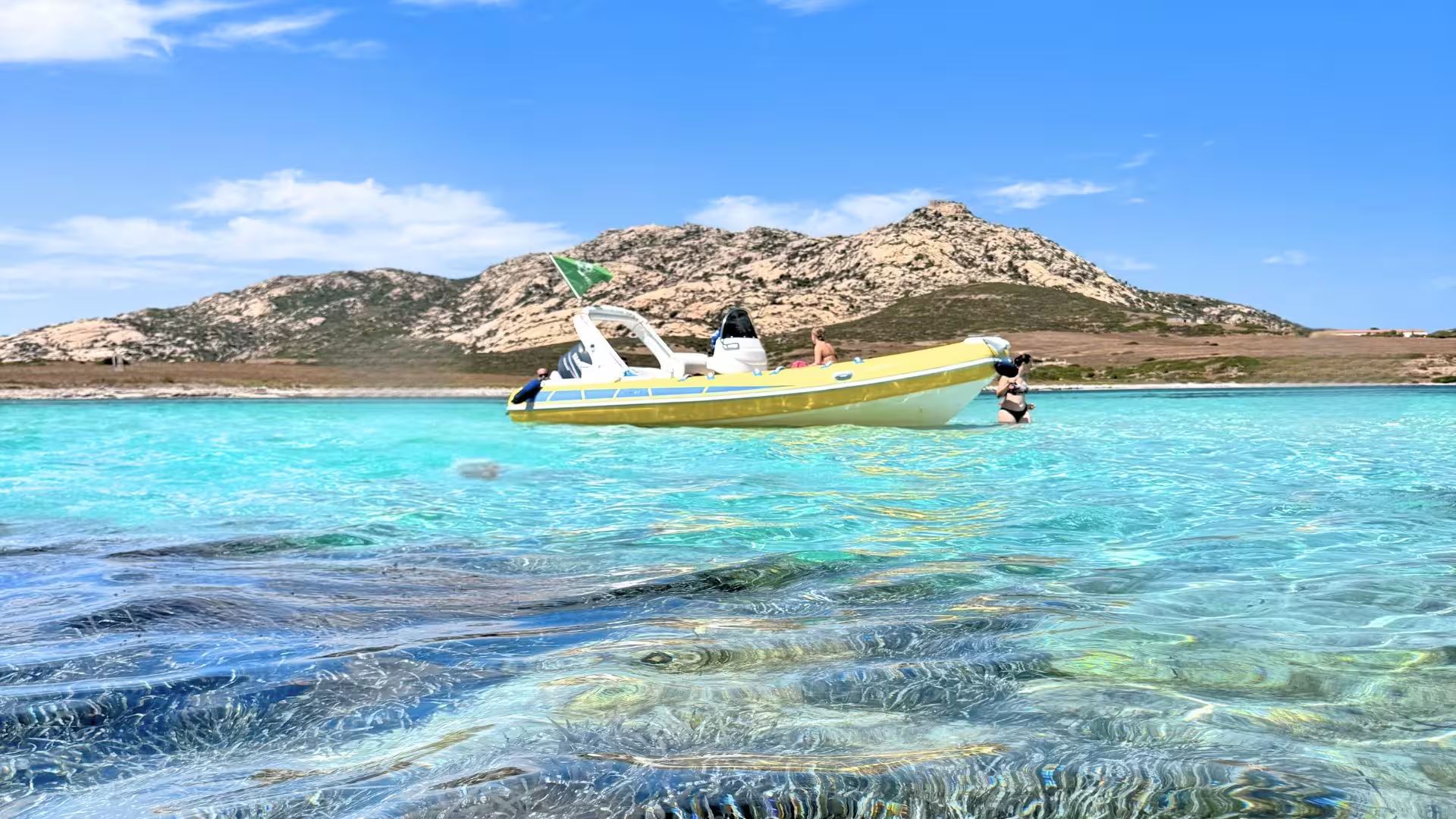
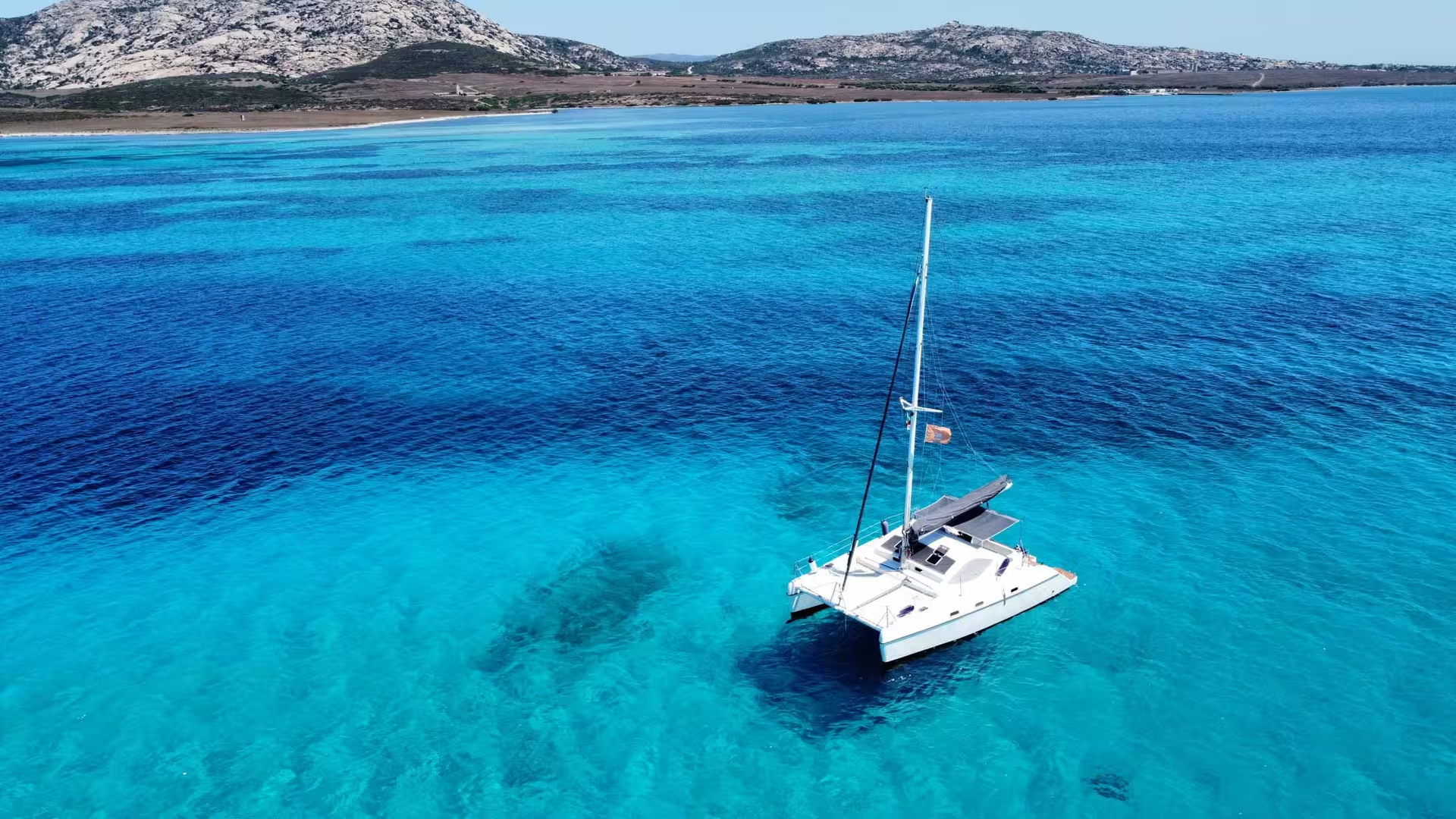
Asinara National Park: Take a boat tour to this island for a unique encounter with its wildlife and untouched landscapes. Perfect for a day trip.

Museo della Tonnara: Discover the history of tuna fishing in Stintino with interactive exhibits. A great activity for families and history buffs.

Porto Mannu: Stroll through the harbor to admire local boats and enjoy fresh seafood at nearby eateries.

Spiaggia delle Saline: A quieter beach option with shallow turquoise waters, ideal for families with children.


🚶 Suggested Short Itineraries

⏰ One Perfect Day

Start with a morning at La Pelosa Beach, followed by lunch in the village. Explore Capo Falcone in the afternoon and end the day with a seafood dinner at Porto Mannu.

⏰ Two Days

Day one, enjoy La Pelosa Beach and Capo Falcone. Day two, visit Museo della Tonnara and take a boat tour to Asinara National Park.

⏰ Three Days

Combine the two-day itinerary with a day trip to Spiaggia delle Saline for a relaxing day by the sea.


🍽️ What To Eat And Drink

Indulge in fregola, a Sardinian pasta, and savor fresh seafood dishes like spaghetti with bottarga. Don't miss seadas, a traditional cheese-filled pastry, for dessert.

Enjoy a glass of Vermentino, a local white wine, and try mirto, a myrtle liqueur, for a taste of Sardinian tradition.


🚌 Getting Around

Renting a car is the most convenient way to explore Stintino and its surroundings. Public buses connect major points but can be infrequent. Biking is a scenic option for short distances.


🌄 Best Day Trips

Visit Alghero, a historic town with Catalan influences, just an hour's drive away. Discover Castelsardo's medieval charm, or head to La Maddalena Archipelago for island hopping adventures.


✅ Practical Tips For Visitors

  • Book beach access tickets in advance during peak season.
  • Visit popular sites early morning or late afternoon to avoid crowds.
  • Bring sunscreen, water, and a hat for sun protection.
  • Consider weather backups for outdoor plans.

❓ Frequently Asked Questions, FAQ

Q: How many days should I spend in Stintino?
A: A two to three-day visit allows you to enjoy best things to do in Stintino, including beaches and nearby attractions.

Q: Do I need to book tickets for La Pelosa Beach?
A: Yes, pre-booking is required to control visitor numbers. This ensures a pleasant experience at this popular beach.

Q: What's the best way to get around Stintino?
A: Renting a car offers the most flexibility for exploring Stintino and its scenic surroundings efficiently.

Q: Is Stintino suitable for families?
A: Absolutely, with family-friendly beaches like Spiaggia delle Saline and educational sites like Museo della Tonnara.

Q: What language is spoken in Stintino?
A: Italian is the primary language, but English is commonly understood in tourist areas.