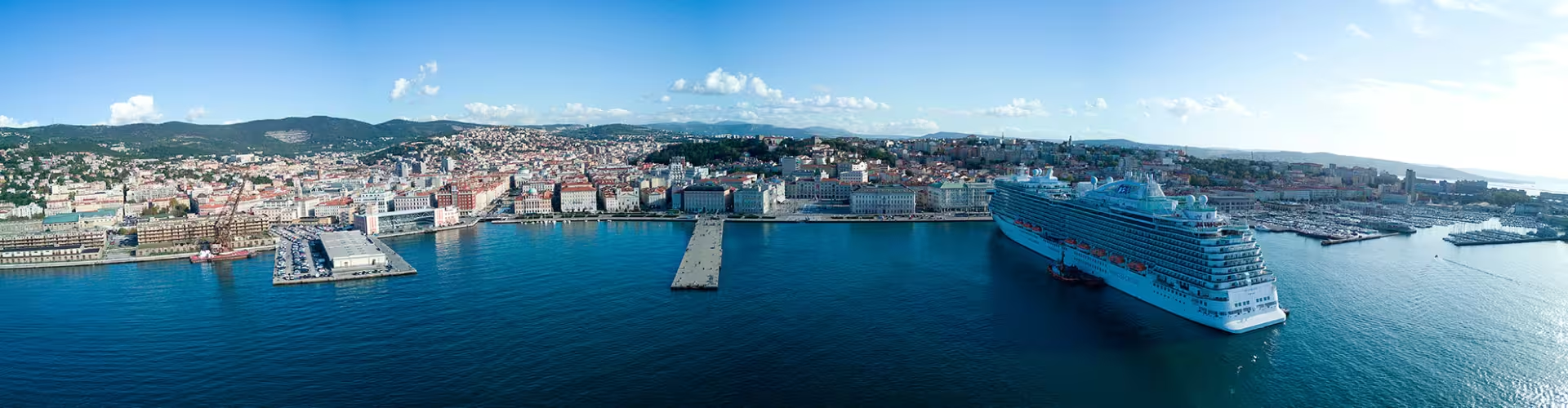
Trieste is a port city where Italian, Slavic, and Austro Hungarian influences meet, set between the Adriatic Sea and limestone cliffs of the Karst plateau. Its grand cafés, elegant squares, and sweeping seafront make it ideal for travelers who enjoy history, architecture, and slow coastal walks. Use this guide to find the Best things to do in Trieste and plan a stay that balances culture, food, and sea views.
Trieste lies in northeastern Italy near the border with Slovenia, on the Adriatic coast of Friuli Venezia Giulia. It is reachable by train from Venice and Udine, by regional buses from nearby cities, and via Trieste Airport which connects to Italian and European hubs.
Spring from April to early June brings mild temperatures and fewer crowds, ideal for walking the waterfront and exploring piazzas. Summer is warm and lively, especially in July and August when evenings along the Rive fill with outdoor dining and events. Autumn often offers clear days and comfortable weather, while winter can be windy due to the Bora, with a quieter, more local feel.
Trieste is generally more affordable than larger Italian cities, with fair prices for coffee, pastries, and public transport. Cards are widely accepted, though carrying some cash helps in smaller cafés and local markets, and museum combo tickets or city passes can reduce entry costs if you plan several visits.
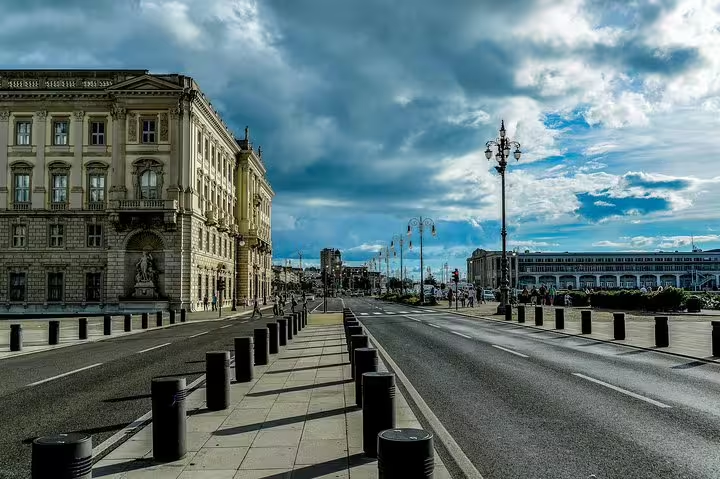
Piazza Unità d'Italia
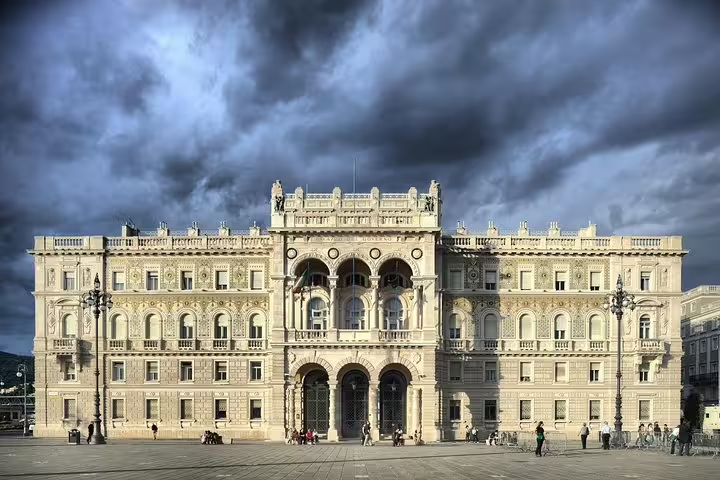
Stand in one of Europe’s largest sea facing squares, framed by ornate palaces and open directly onto the Adriatic. Visit in the late afternoon for softer light, then stay as the buildings illuminate and the square becomes a natural starting point for the Best things to do in Trieste.
Molo Audace and the Waterfront Promenade
Walk out along Molo Audace for open sea views and a clear look back at the city skyline. This simple stroll is one of the Top attractions in Trieste for sunset, with plenty of nearby cafés if you want to pause for an aperitivo.
Castello di Miramare
Head a short way up the coast to Miramare Castle, a 19th century residence set on a promontory surrounded by parkland. Allow a few hours to tour the interior rooms, then wander the landscaped gardens and viewpoints that often feature in any detailed Travel guide to Trieste.
Castello di San Giusto and Cathedral
Climb or take transport up to San Giusto hill for a compact castle, an atmospheric cathedral, and some of the best panoramic views over the harbor. The small museum, archaeological remains, and city wide vistas make this a key stop among the Best things to do in Trieste.
Historic Caffè Culture
Experience Trieste’s long coffeehouse tradition at one of its historic cafés, where marble tables, mirrors, and newspapers recall the city’s literary past. Tasting local blends and pastries is a relaxed way to connect with everyday life and belongs on any list of Best things to do in Trieste in 2 days.
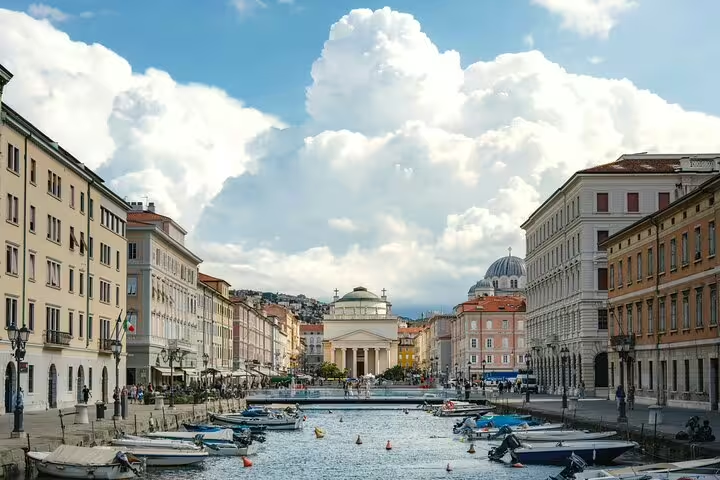
Canal Grande and Borgo Teresiano
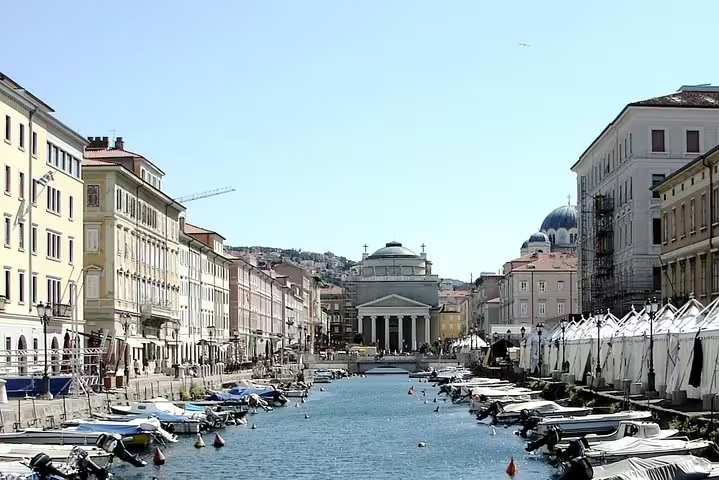
Stroll along the Canal Grande, lined with neoclassical buildings and crossed by low bridges, in the Borgo Teresiano district. This area is pleasant both by day and evening, with churches, shops, and restaurants that fit naturally into a Trieste itinerary 3 days.
Old Town Lanes and Roman Theatre
Explore the narrow streets that climb above the center, passing small squares and stone staircases. Nearby, the Roman Theatre offers a visible reminder of the city’s ancient roots and can be visited quickly as part of the Best things to do in Trieste if you enjoy archaeology.
Karst Plateau and Coastal Paths
If you like light hiking, venture toward the Karst plateau for trails, stone villages, and sea facing viewpoints. Combining a short walk with a stop in a traditional inn is often suggested in a comprehensive Travel guide to Trieste for travelers who want a touch of nature.
Start your day in Piazza Unità d'Italia, taking time to explore its surrounding streets and the nearby waterfront. Walk along Molo Audace, then head through Borgo Teresiano and the Canal Grande area for lunch in a local trattoria. In the afternoon, make your way up to San Giusto for the castle, cathedral, and city views, then return to the seafront for an evening stroll and dinner overlooking the harbor, covering several of the Best things to do in Trieste in a single day.
On day one, focus on the historic center, piazzas, and classic cafés, leaving time for the Roman Theatre and San Giusto hill. On day two, dedicate the morning and early afternoon to Miramare Castle and its park, then return to the city to explore additional neighborhoods or museums that fit your interests. This rhythm reflects many suggestions found in a Travel guide to Trieste, balancing landmark visits with leisurely breaks.
With a third day, you can expand your Trieste itinerary 3 days to include a short excursion toward the Karst plateau or along the coast. Use the extra time for a gentle hike, a visit to a nearby village, or a relaxed afternoon discovering less central districts and local markets. This slower pace lets you revisit favorite spots and add a few quieter experiences to your list of Best things to do in Trieste.
Trieste’s cuisine blends Central European and Adriatic influences, so you will find seafood alongside hearty meat dishes and pastries. Look for local fish soups, grilled calamari, or seafood risottos in restaurants near the waterfront. Central European style offerings, such as sausages, stews, and goulash, recall the city’s Austro Hungarian history and are often served with simple sides.
Do not miss the chance to try baked goods and cakes in historic cafés, where you can pair them with locally roasted coffee. In cooler months, comforting dishes and rich desserts are especially popular, while in summer, lighter seafood and chilled drinks dominate menus. Regional wines and classic Italian aperitivi are widely available, making it easy to enjoy an evening drink with sea or square views.
Trieste’s center is compact enough to explore largely on foot, especially around Piazza Unità d'Italia, the Canal Grande, and the old town. Public buses connect the city with outlying districts, the train station, and attractions such as Miramare, which helps if you do not want to rely on taxis. Tickets are usually purchased at kiosks or machines before boarding, and checking timetables in advance makes it easier to coordinate day trips.
The city’s waterfront and main squares are generally easy to navigate, though some historic areas involve slopes, stairs, and cobbled streets that may be challenging for some visitors. As in most urban destinations, keep an eye on personal belongings in crowded places, and allow extra time when moving between the hilltop sites and the lower harbor area.
Miramare and Coastal Stops
Although close enough to include in a half day, Miramare Castle and its park can fill the better part of a relaxed outing. Travel by bus or train along the coast, combining the castle visit with a walk or a meal in a nearby seaside area.
Karst Villages and Viewpoints
A short journey inland brings you to Karst villages, where stone houses, local inns, and walking paths offer a different side of the region. This is a good option if you want to add nature and rural scenery to your Best things to do in Trieste in 2 days without traveling far.
Nearby Coastal Towns
Using regional trains or buses, you can reach other towns along the Adriatic for a change of atmosphere. These trips are practical for travelers following a broader Travel guide to Trieste and northeastern Italy, linking city sightseeing with smaller coastal stops.
How many days do I need in Trieste to see the main sights?
Two full days are usually enough to cover central highlights such as Piazza Unità d'Italia, San Giusto, the Canal Grande, and Miramare Castle. With a third day, you can add a relaxed coastal or Karst outing and fit in more of the Best things to do in Trieste at an easy pace.
Is it necessary to buy tickets in advance for Miramare Castle or other attractions?
Some attractions may offer online or timed tickets, which can be helpful during busy periods. However, availability and systems can change, so it is best to verify current options shortly before your trip and factor them into your Travel guide to Trieste planning.
Which areas are most convenient to stay in for sightseeing?
Staying near Piazza Unità d'Italia, the Canal Grande, or the streets between the seafront and the train station keeps you close to many key sights. These areas allow easy walking access to cafés, restaurants, and several of the Best things to do in Trieste.
What should I expect from the weather, and how does it affect plans?
Weather is generally mild in spring and autumn, hot in midsummer, and can feel colder in winter when strong winds blow. Having flexible indoor options, such as cafés and museums, helps you adjust your Trieste itinerary 3 days if conditions change.
Is Trieste easy to visit for travelers who do not speak Italian?
Many people working in tourism, hospitality, and major attractions speak at least some English, and you may also hear other languages due to the city’s border location. Learning a few basic Italian phrases is appreciated but not essential for following a typical Travel guide to Trieste.