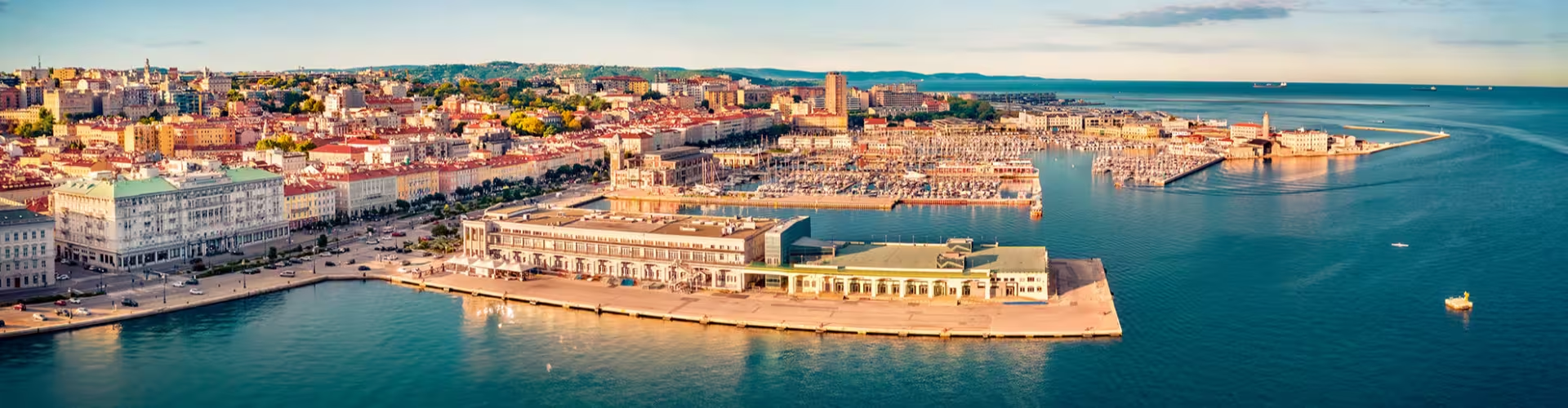
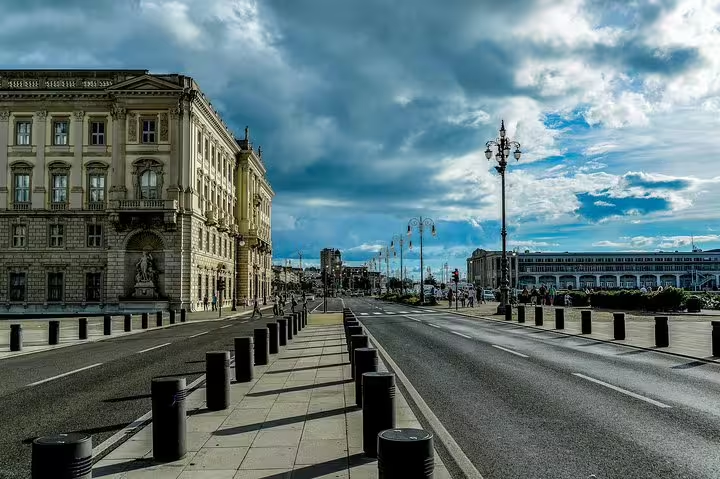
Perched on the Adriatic coast in northeastern Italy, the Province of Trieste blends Central European charm with Mediterranean warmth. This historic port city is defined by its elegant Habsburg architecture, vibrant cultural heritage, and stunning waterfront views that have captivated visitors for centuries.
What to see in Province of Trieste
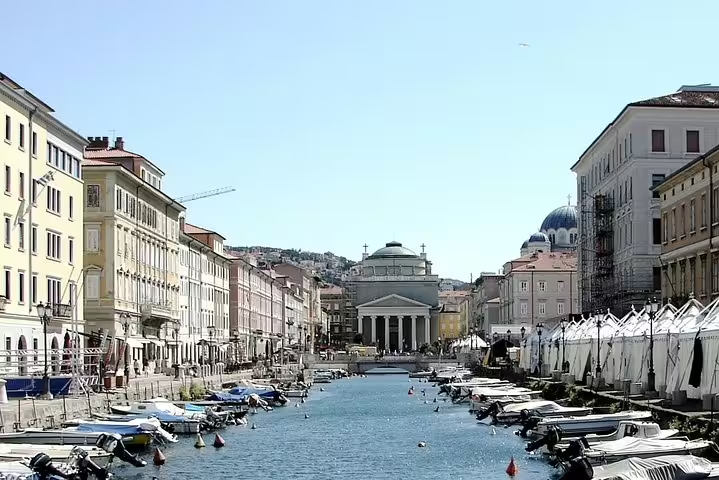
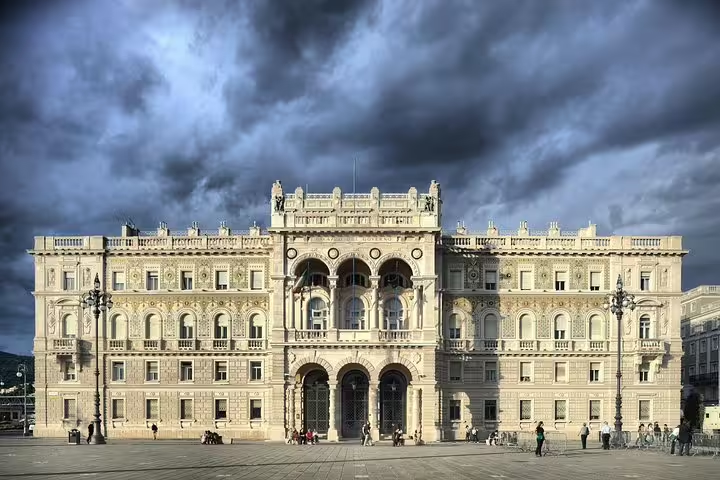
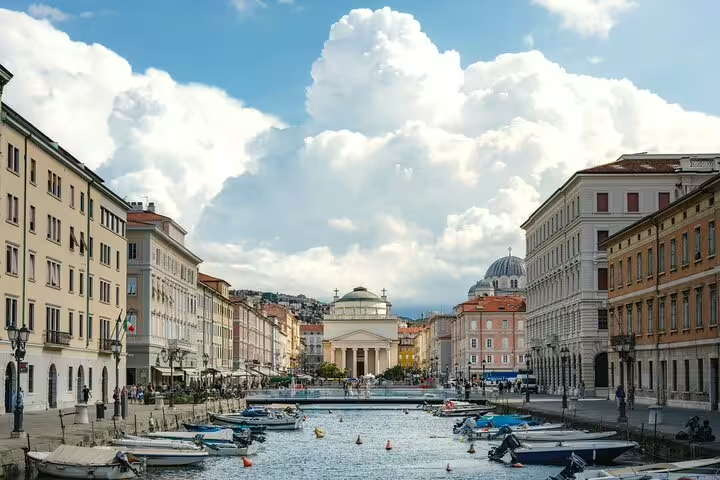
The Miramare Castle stands as the province's most iconic landmark, a stunning white fortress overlooking the Gulf of Trieste. Visitors should also explore the San Giusto Cathedral, perched on a hillside with panoramic views, and wander through the charming old town with its Austro-Hungarian squares and neoclassical buildings that reflect the city's rich past.
Things to do in Province of Trieste
Stroll along the waterfront promenade for coastal views and fresh sea air, or take a boat tour of the Adriatic coastline. The province offers excellent hiking opportunities in the nearby Carso plateau, while food enthusiasts can sample local cuisine at traditional trattorias and visit the renowned Joyce Museum dedicated to the author's years in the city.
Literary Heritage and Coffee Culture
Trieste has long been a haven for writers and intellectuals, most famously James Joyce, who lived here for a decade and drew inspiration from its cosmopolitan atmosphere. The city remains a global coffee capital, with historic cafes like Caffe San Marco preserving centuries of literary and artistic tradition.
The Province of Trieste is located in northeastern Italy at the northern edge of the Adriatic Sea, bordering Slovenia to the east. The region spans approximately 212 square kilometers and is characterized by its stunning coastal positioning, nearby Carso plateau, and strategic location that has shaped its diverse cultural influences over centuries.
Trieste is renowned for its significant literary heritage, particularly its association with author James Joyce who lived and worked in the city during the early 20th century. The province is also celebrated as a global coffee capital, with historic cafes preserving centuries-old traditions and serving as cultural gathering spaces for writers and intellectuals.