Friuli-Venezia Giulia

logoBlack

Build your dream
experience

dreamimg

More to know about Friuli-Venezia Giulia

Friuli-Venezia Giulia Travel Guide 🧳


🧭 Snapshot

Borderland beauty, mountain air, Adriatic light, and a deep food and wine culture make Friuli-Venezia Giulia feel like several trips in one. From Trieste’s grand seafront to the Dolomites and vineyard hills, this region rewards travelers who like variety and manageable distances. Use this Travel guide to Friuli-Venezia Giulia to compare bases, plan routes, and choose experiences that fit your pace.


🗺️ Where It Sits

📍 Geography and Nearby Hubs

Friuli-Venezia Giulia is a northeastern region of Italy, set between the Adriatic Sea and the Alps, with cultural ties that feel distinctly Central European. Trieste is a major gateway, and you can also arrive via Udine and Pordenone by rail, or connect from nearby airports in the wider Italy and cross border area depending on your itinerary.

🕒 Best Time To Visit

Late spring and early autumn are often the easiest for city walks, vineyard visits, and coastal time with fewer extremes. Summer suits beach days and evening events in Trieste and Grado, while winter is best for mountain scenery and snow sports around the Carnic and Julian Alps.

💰 Typical Costs and Money Tips

Costs vary by coast, cities, and mountain resorts; budget a little more for peak summer stays and popular wine areas. Cards are widely accepted in towns, but carrying some cash helps for small bars, markets, and rural producers.


⭐ Essential Things To Do

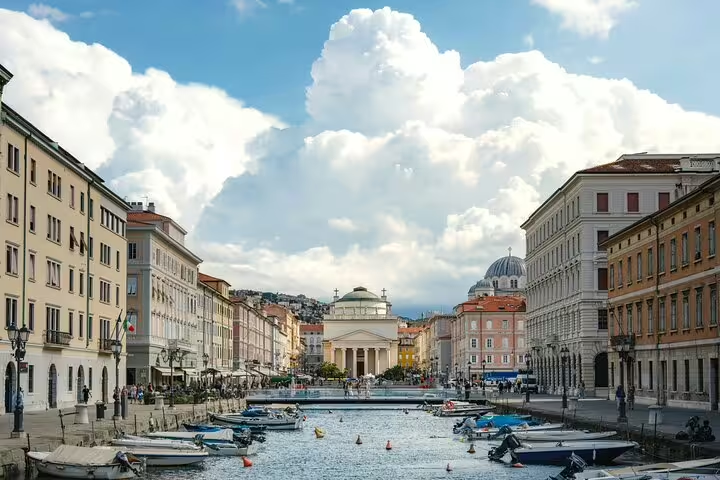
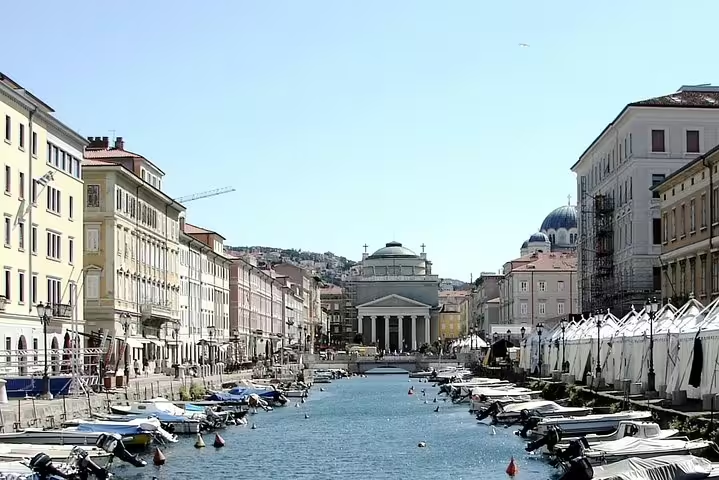
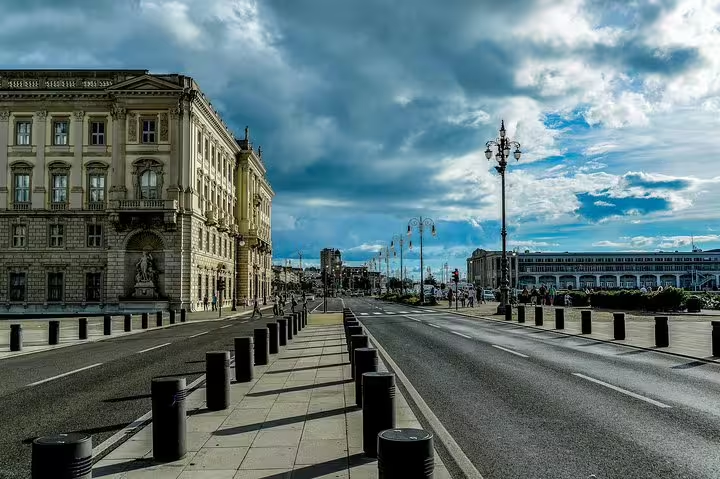
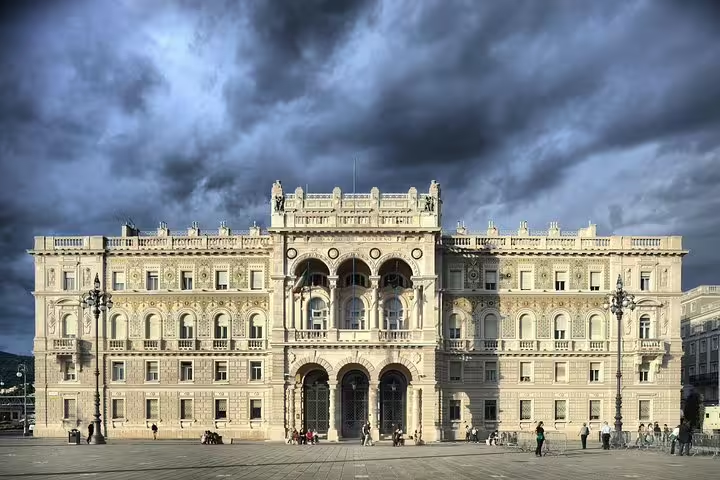
Trieste and Piazza Unità d’Italia; Spend time on the waterfront and in the grand central square, then wander into cafés for a quick espresso and people watching. It is an easy half day introduction and a smart anchor for Best things to do in Friuli-Venezia Giulia if you like urban culture.

Miramare Castle; Just outside Trieste, this cliffside residence pairs sea views with landscaped grounds. Go early for calmer paths and combine it with a coastal walk for a simple, photogenic outing.

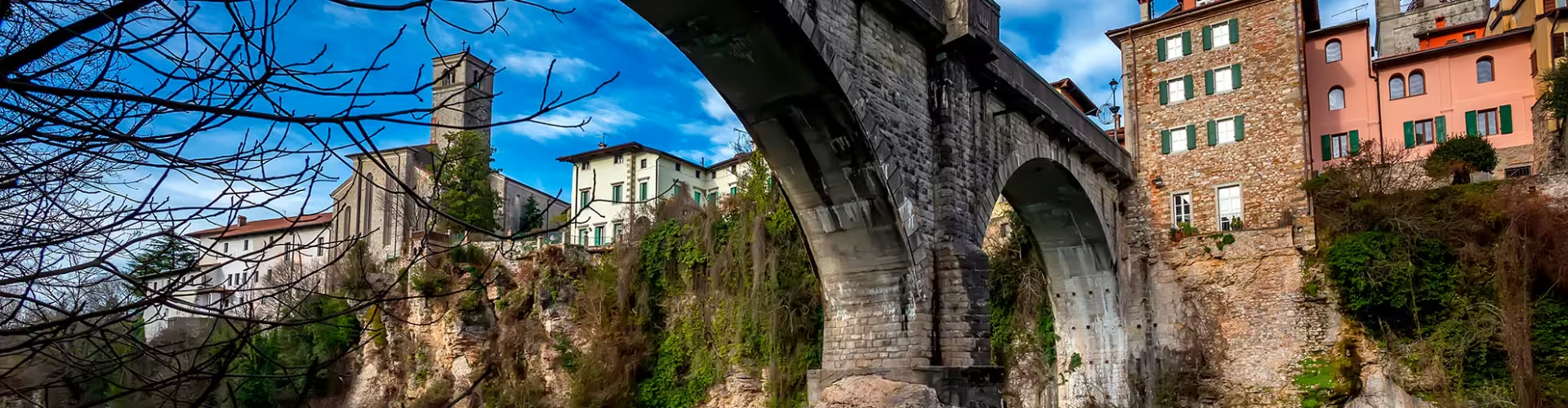
Cividale del Friuli; This small UNESCO listed town is ideal for a slower day of bridges, lanes, and museums. It is also a strong pick for what to see in Friuli-Venezia Giulia when you want history without big crowds.

Aquileia Basilica and mosaics; Aquileia is known for early Christian heritage and remarkable floors that reward unhurried viewing. Plan at least an hour inside, and keep a light layer handy because interiors can feel cool.

Grado beaches and lagoon; For a relaxed coastal reset, Grado offers beach time and lagoon scenery with an old town core for evening strolls. This is one of the most practical things to do in Friuli-Venezia Giulia in summer if you want a low effort day.

Langhe is not here, choose Collio wine route instead; The Collio hills are the region’s classic wine landscape, with tasting rooms and viewpoints over vineyards. For Friuli-Venezia Giulia itinerary planning, it works well as a half day from Gorizia or Udine with a designated driver or a guided option.

Udine’s historic center; Udine is a convenient base with elegant squares and a walkable core that feels local and lived in. It fits travelers searching for Friuli-Venezia Giulia tourism beyond the coastline.

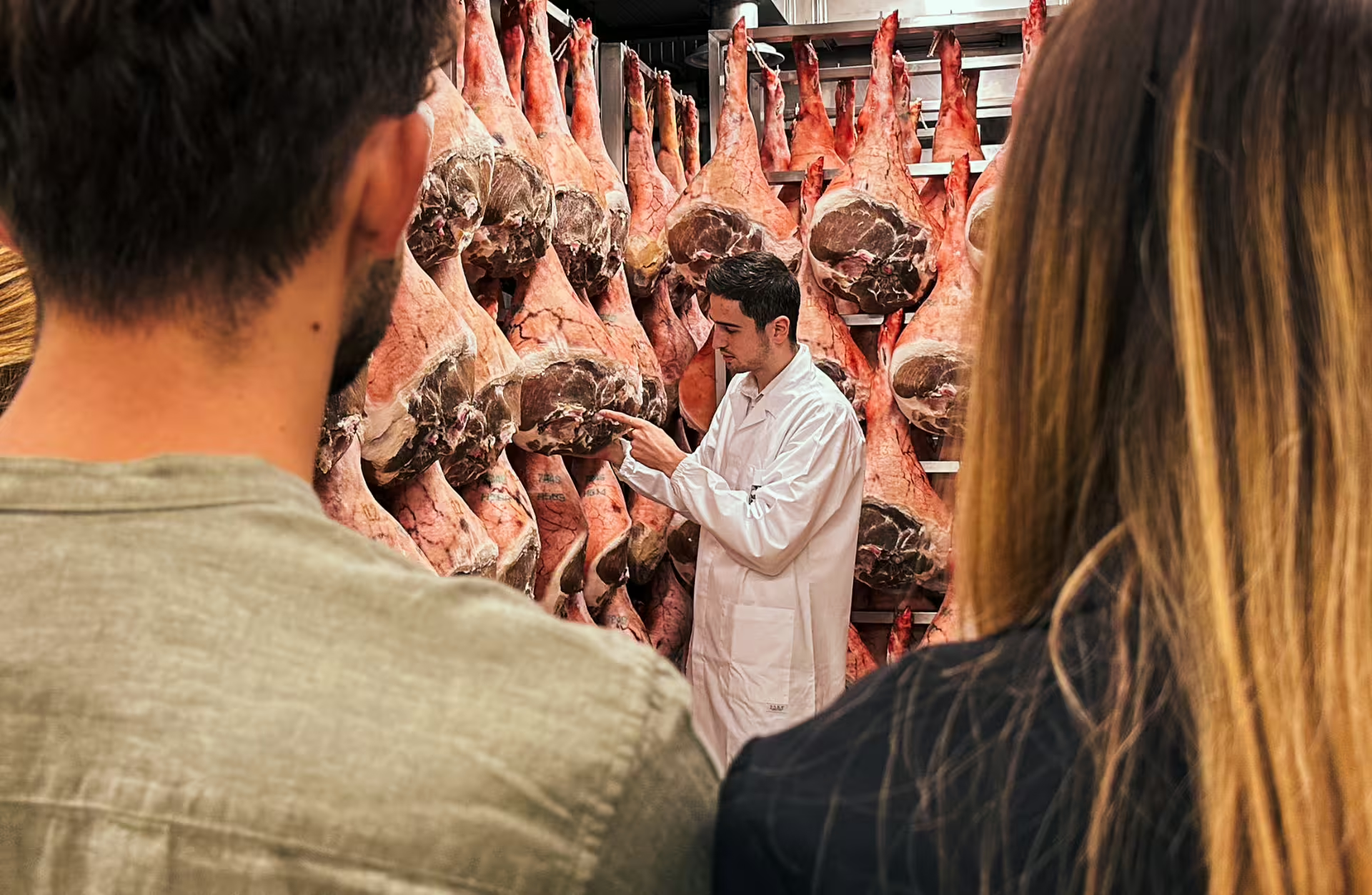
San Daniele del Friuli tastings; This hill town is closely associated with prosciutto, and visiting a producer can add depth to your food focused plans. Pair it with a light lunch and keep the afternoon flexible for nearby villages.

Dolomites in Friuli, the Carnic and Julian Alps; Mountain drives and hikes deliver big scenery with less of the headline crowding found elsewhere in the Alps. This is a top option for hiking in Friuli-Venezia Giulia and for building a varied Travel guide to Friuli-Venezia Giulia that balances cities and nature.


🚶 Suggested Short Itineraries

⏰ One Perfect Day

Morning in Trieste, start with the waterfront and Piazza Unità d’Italia, then head up to a viewpoint for a city and sea panorama. Midday, visit Miramare Castle and walk the gardens. Late afternoon, return to Trieste for a café stop and an easy evening meal in the historic center, a simple way to sample Best things to do in Friuli-Venezia Giulia without rushing.

⏰ Two Days

Day one, focus on Trieste plus Miramare, and add time for museums or a longer coastal stroll depending on weather. Day two, choose a contrast: either Aquileia and Grado for history and sea air, or Udine and San Daniele for a food and town focused loop. This structure supports a flexible Friuli-Venezia Giulia itinerary with short transfers.

⏰ Three Days

Day one, Trieste and Miramare. Day two, head inland to Udine and Cividale del Friuli for layered history and relaxed walking. Day three, pick either the Collio hills for vineyard views and tastings, or a mountain day aimed at hiking in Friuli-Venezia Giulia; it is a well rounded approach to Best things to do in Friuli-Venezia Giulia across coast, culture, and countryside.


🍽️ What To Eat And Drink

Prosciutto di San Daniele; Order it simply sliced and pair it with bread and a local white wine for a clean, salty sweet tasting. If you are visiting producers, ask what portion size works best before adding other plates.

Frico; A Friulian cheese based dish that can be crisp or soft, often served with potatoes. It is filling, so it works well as a shared starter when you want to try more than one local specialty.

Cjarsons; Stuffed pasta with a sweet savory profile that varies by area. It is a good dish to order when you want something distinctly regional rather than a standard Italian menu choice.

Jota; A hearty soup associated with the Trieste area, especially satisfying in cooler months. Pair it with a simple second course or keep it as a warming lunch on a walking day.

Gubana; A spiral shaped dessert with nuts and rich filling, common in Friuli. Buy a small portion first because it is dense and best enjoyed slowly with coffee.

Collio wines; The Collio area is widely linked with high quality whites and scenic tasting rooms. If you are driving, plan tastings earlier and keep quantities modest for safety.


🚌 Getting Around

For cities like Trieste and Udine, walking covers most highlights, and local buses help connect outer sights such as Miramare. Trains are useful for moving between major towns, while a car is often the most practical way to link vineyard areas and mountain valleys in one day. In peak summer, allow extra time for coastal traffic and parking near beach areas, and keep comfortable shoes for uneven historic streets.


🌄 Best Day Trips

Aquileia; About 45 to 70 minutes from Trieste by road depending on traffic, with standout basilica mosaics and a calm, historic atmosphere. It is ideal when you want a culture heavy day without a late finish.

Grado; Roughly 1 hour from Trieste by road, offering beach time, lagoon scenery, and an old town for evening walks. Go for a lighter, restorative day in your Friuli-Venezia Giulia itinerary.

Cividale del Friuli; Around 1 to 1.5 hours from Trieste by road, best for medieval lanes, bridges, and museums. It is a strong match for travelers prioritizing what to see in Friuli-Venezia Giulia beyond the coast.

Collio wine hills; Travel times vary by base, commonly 45 to 90 minutes from Udine or Trieste to reach tasting areas. Choose it for vineyard landscapes and a slower pace built around views and local producers.

Mountain valleys in the Carnic or Julian Alps; Times depend heavily on the specific valley and road conditions, but many routes are feasible as a full day from Udine. Go for big scenery and fresh air, especially if hiking in Friuli-Venezia Giulia is a priority.


✅ Practical Tips For Visitors

  • Start popular sights in Trieste earlier in the day for easier parking and calmer promenades, especially in summer.
  • For basilicas and museums, keep a light layer available because interiors can feel cooler than the street.
  • If you plan tastings in Collio, set a route with short drives between stops and keep time for viewpoints and breaks.
  • Build weather backups, swap a mountain day for Udine or Trieste museums if storms roll in.
  • Wear shoes with grip for historic centers where stone paving can be slick after rain.
  • When planning Best things to do in Friuli-Venezia Giulia, group sights by area to reduce transit time and make meals easier to schedule.

❓ Frequently Asked Questions, FAQ

How many days are enough to see the highlights of Friuli-Venezia Giulia?
Two to three days can cover a city base like Trieste plus one inland focus such as Aquileia, Cividale, or Collio. For a broader mix that includes mountains, add extra time so your Best things to do in Friuli-Venezia Giulia plan does not rely on long daily drives.

Do I need to pre book tickets for major sights?
Some places can be visited with minimal planning, but timing can matter in peak summer and on weekends. If a specific museum entry system is important to you, confirm locally because this page does not list ticket rules for each site.

Where should I base myself, Trieste or Udine?
Trieste suits travelers focused on sea views, grand architecture, and quick access to Miramare and the coast. Udine can be more convenient for inland towns and food stops, and it can simplify a Travel guide to Friuli-Venezia Giulia route that includes Collio and Cividale.

What is the best season for beaches versus mountains?
Summer is the easiest match for Grado and coastal time, with longer evenings for promenades. Cooler months are better for mountain scenery and winter sports, while spring and autumn balance walking comfort with fewer crowds.

Is the region easy to visit without a car?
Major towns connect well by train, and local buses help within cities, so you can cover Trieste, Udine, and some key stops without driving. Reaching vineyard hills and mountain valleys is typically easier with a car or an organized excursion, especially if you want to combine multiple rural stops in one day.