








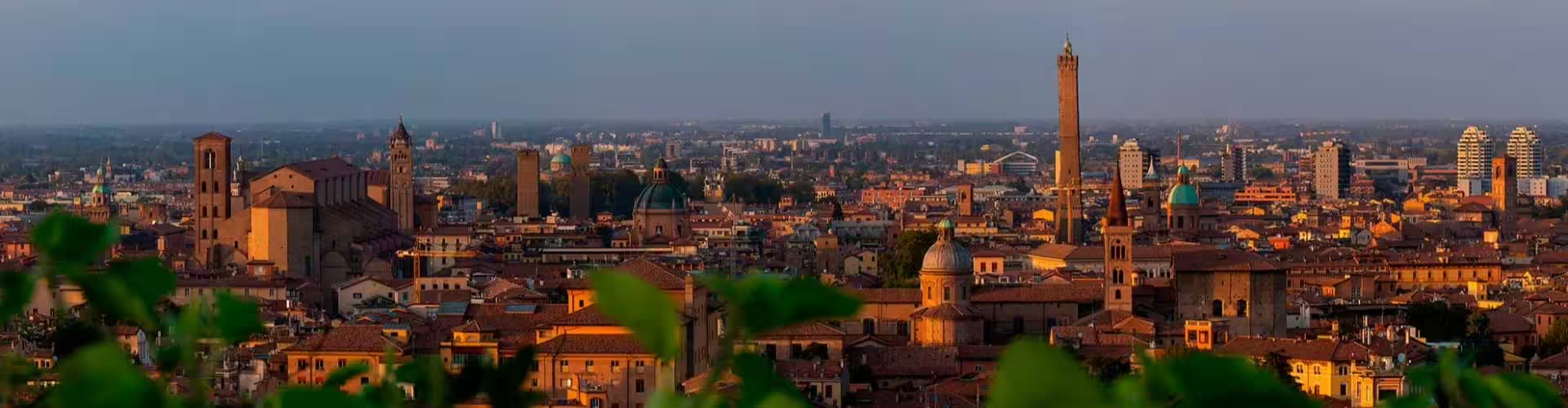
Food Tours in Bologna
Bologna, Italy
10 experiences

Last updated:


Bologna rewards a visit built around its porticoes, historic squares and food.
A walk can bring architecture into the same trip as fresh pasta, while a separate day leaves room for a food-focused excursion.
A self-guided walk suits a visit centred on the historic city, while a tasting suits a trip focused on food and wine.
The self-guided walking tour in Bologna with an audio guide lasts 3 hours and includes a historic-centre route, commentary in seven languages, a digital itinerary and map, and six stops at churches, squares and civic monuments.
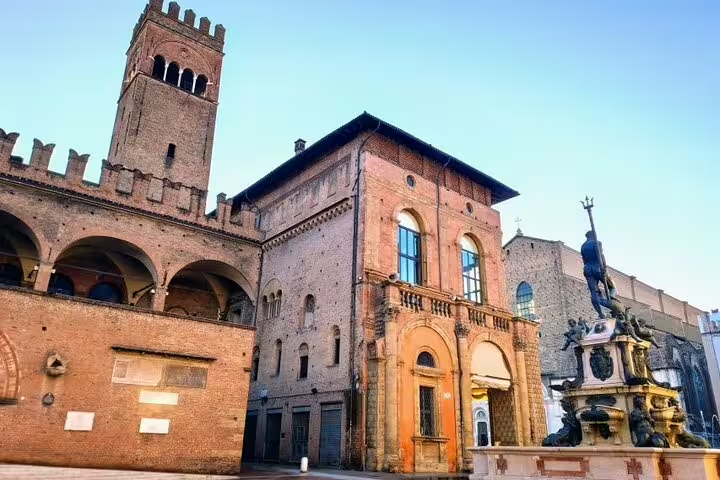
Two days give you a plan with Piazza Maggiore, San Petronio and Neptune on the first day, then the towers, Santo Stefano and porticoes on the second.
Piazza Maggiore makes a useful opening stop: it took shape in the early 13th century and has been a centre of city life since medieval times.
At San Petronio, look at the contrast between the unfinished brick upper facade and the marble on its lower part, where work on the cladding resumed in 1538.
The Neptune Fountain adds another period to the day: Tommaso Laureti designed the fountain and Giambologna made the bronze Neptune between 1563 and 1567.
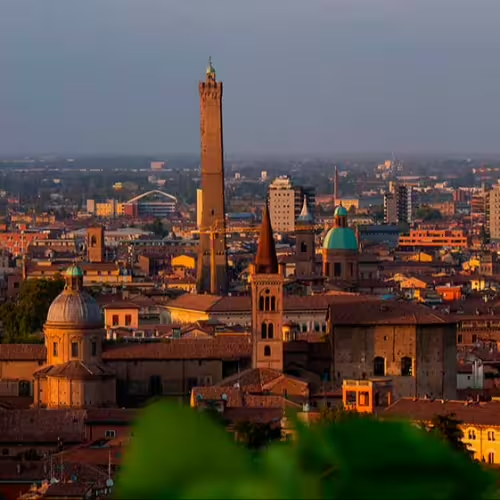
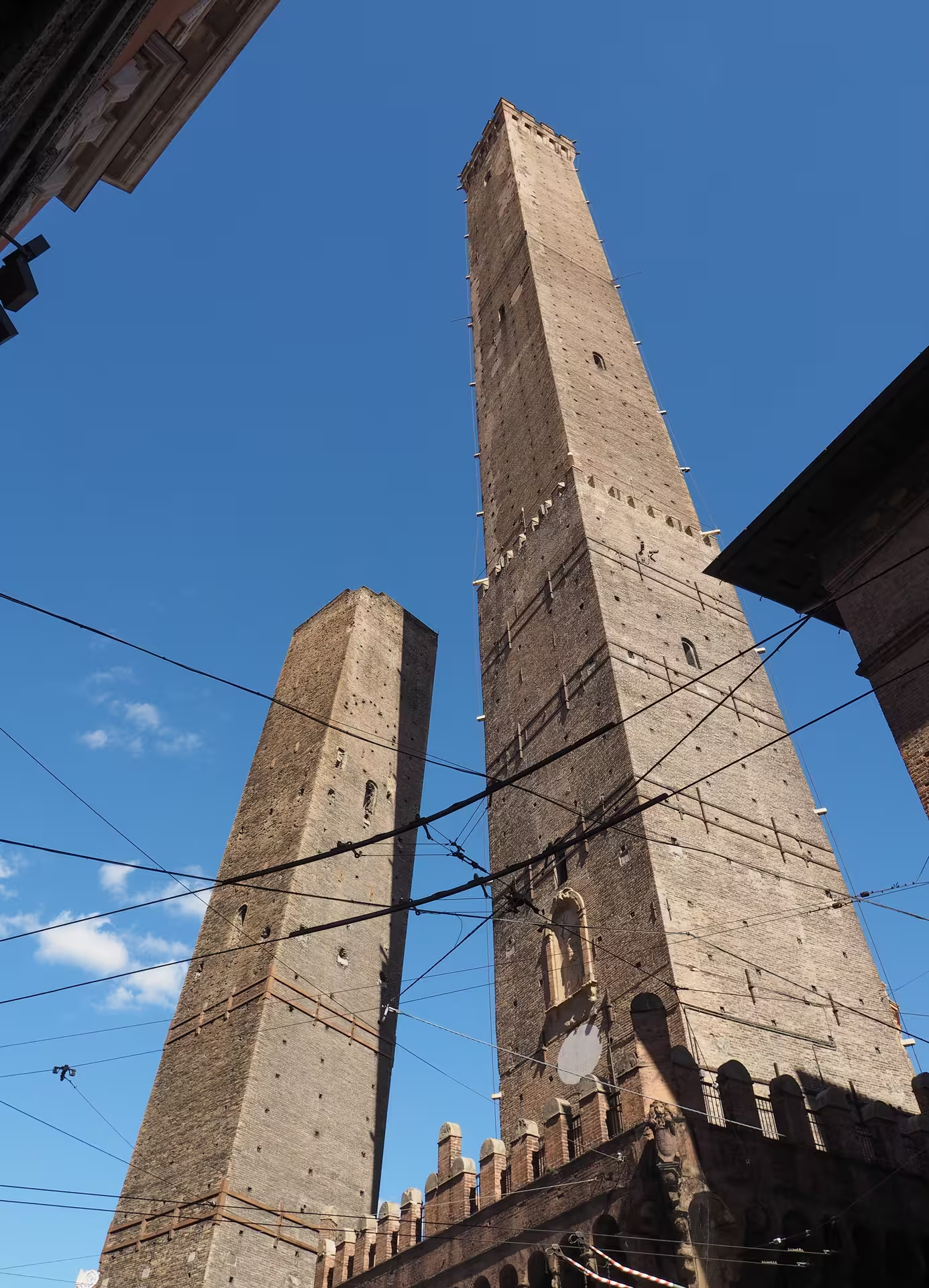
For the second day, the towers offer a contrast in structure: Asinelli stands 97.20 m tall, while Garisenda leans because the ground under its foundations settled.
At Santo Stefano, the Courtyard of Pilate contains a large 8th century basin linked to the Lombard kings Liutprand and Hildeprand.
Fresh pasta and Pignoletto give a food-focused visit a clear starting point.
Tortellini parcels contain pork loin, eggs, mortadella, prosciutto, Parmigiano Reggiano and nutmeg; fresh egg tagliatelle accompanies a ragù of ground pork and veal.
Pignoletto is made mainly from Grechetto Gentile grapes grown in the Colli Bolognesi and nearby areas.
The wine tasting and food pairing experience near Bologna lasts 1 hour and 30 minutes, with a guided barrel-room visit, three estate wines including Pignoletto, Rosé and Sangiovese Riserva, three artisan regional food pairings, a host guide, grissini, piada flatbread and seasonal fruit.
Walking gives you a way to make the porticoes part of the visit, with 62 km of them across Bologna.
Their ownership is private, but their use is public.
The World Heritage inscription covers 12 groups of porticoes together with the buildings around them, so the heritage extends beyond a single arcade.
Ascension week is the time to visit if the San Luca procession is your reason for coming.
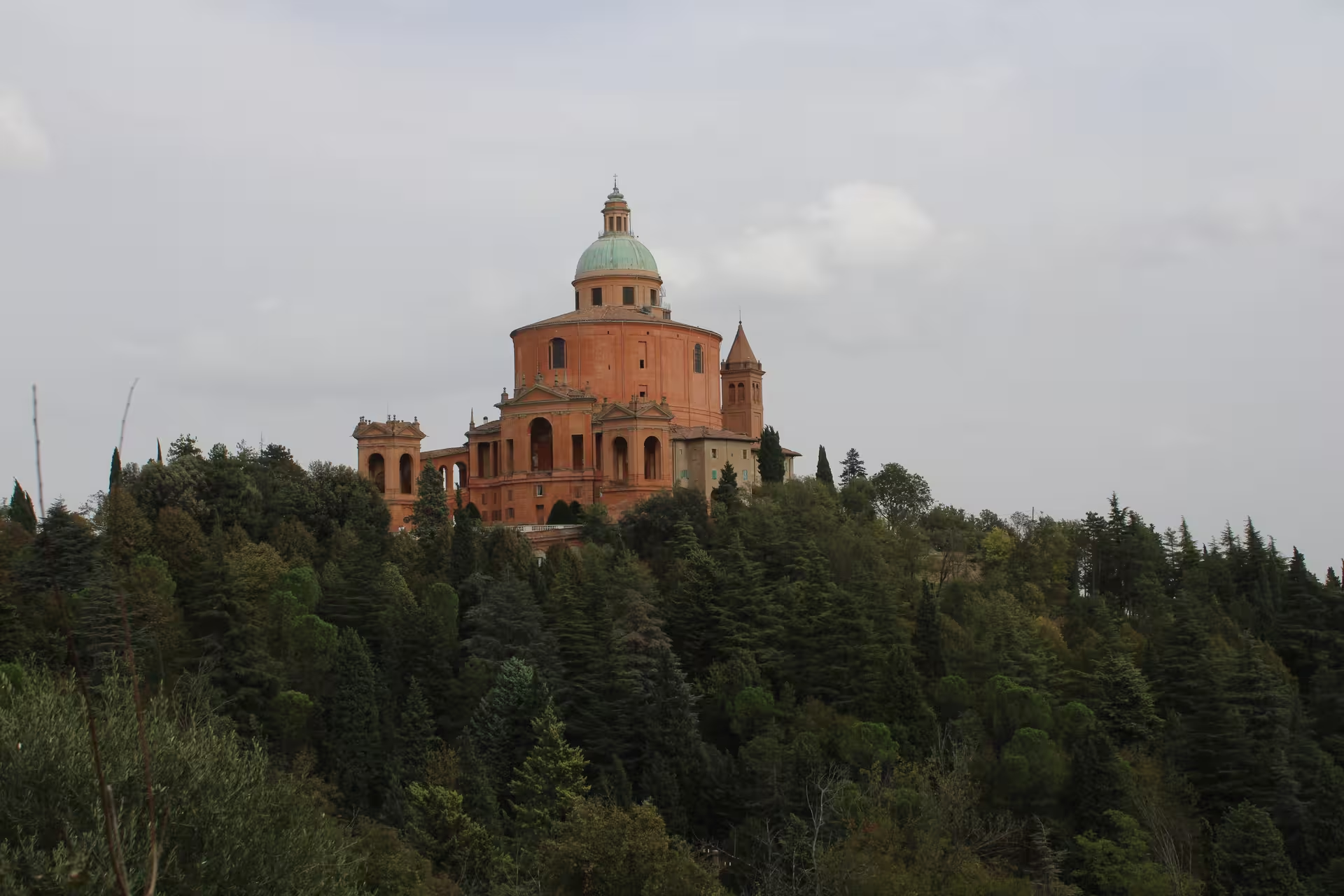
The tradition dates to 1433 and carries the Byzantine Madonna with Child along the San Luca portico to the Cathedral.
A Modena day trip fits a day reserved for Parmesan, balsamic vinegar and the Ferrari Museum.
The Modena day trip with the Ferrari Museum, Parmesan and balsamic vinegar lasts 7 hours, including guided dairy and acetaia visits, a light lunch with food pairings, Lamborghini Museum admission, Ferrari Museum admission in Maranello and transport during the tour.
For a food-focused alternative, the guided Parmesan, balsamic vinegar and wine tour in Emilia lasts 7 hours and includes cheese factory, acetaia and winery visits, tastings, a three-course winery lunch and a professional guide.
An interior staircase of 498 steps leads to the top of the Asinelli Tower.
Certosino is a Christmas dessert from Bologna.
The pasta gets its green colour from spinach mixed with flour and eggs, and the lasagne is filled with ragù.