











Boat Tours from Sorrento
Sorrento, Italy
43 experiences

Last updated:


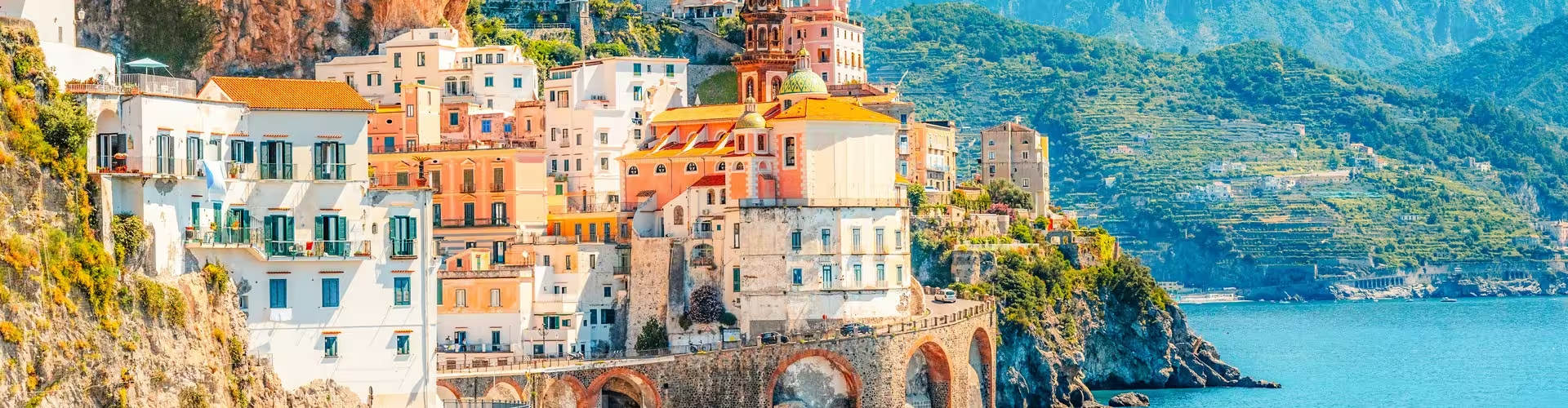
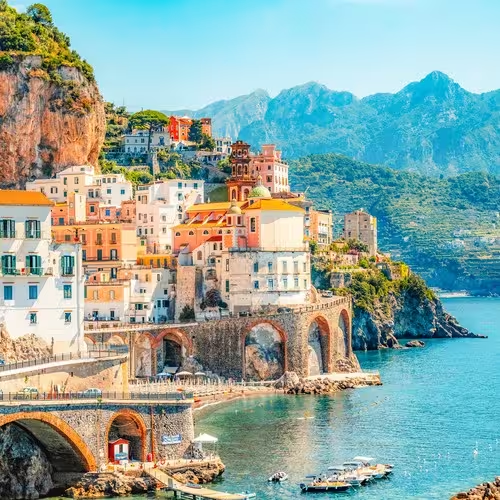
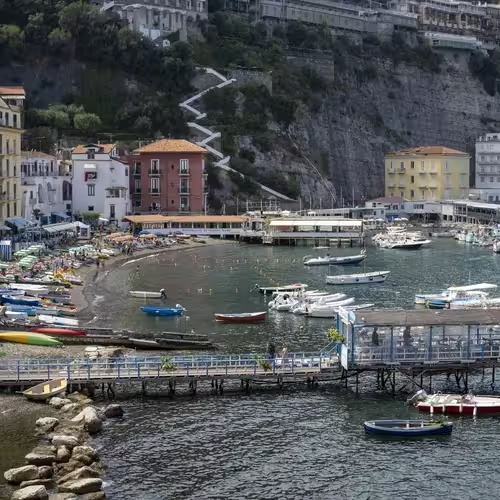
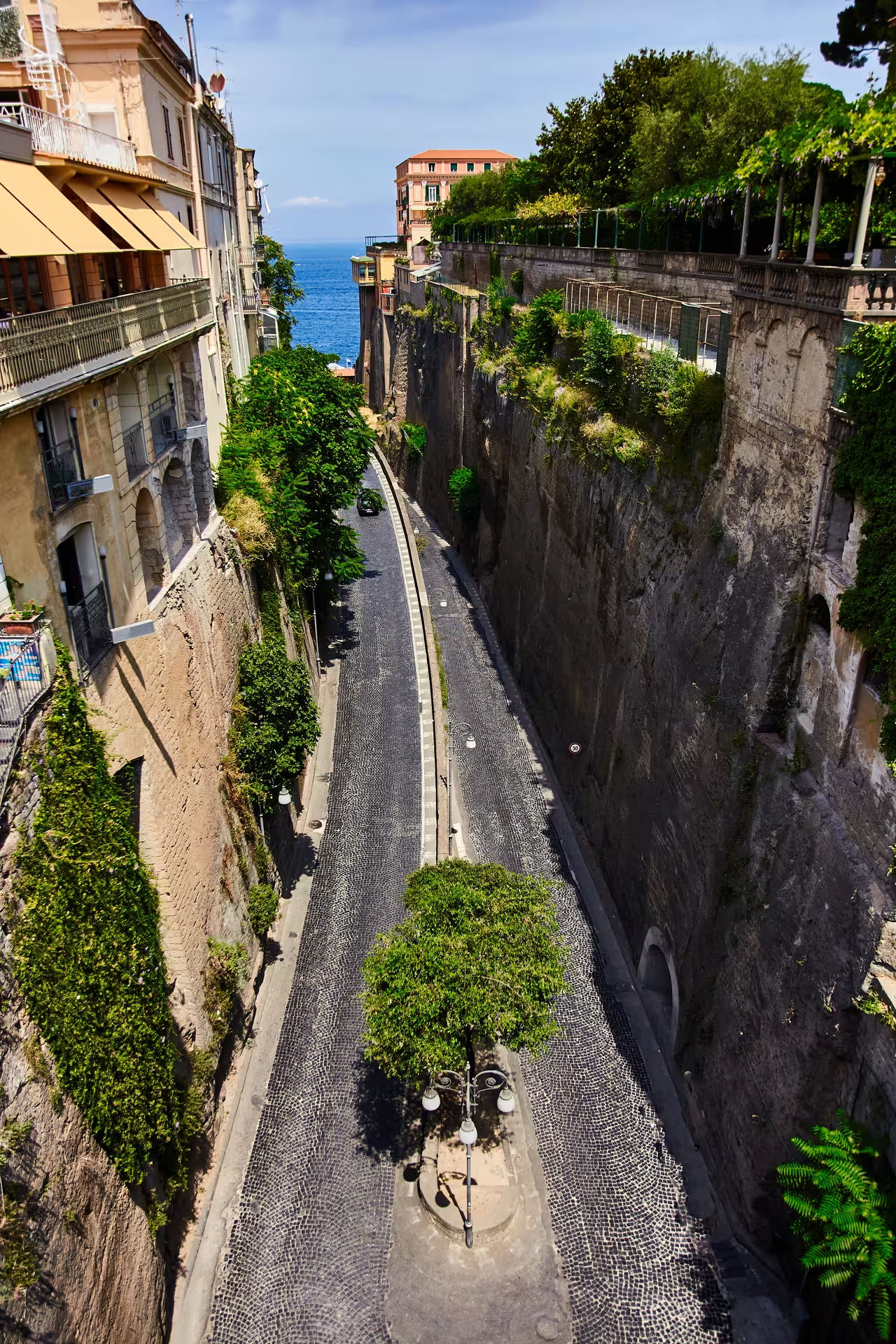
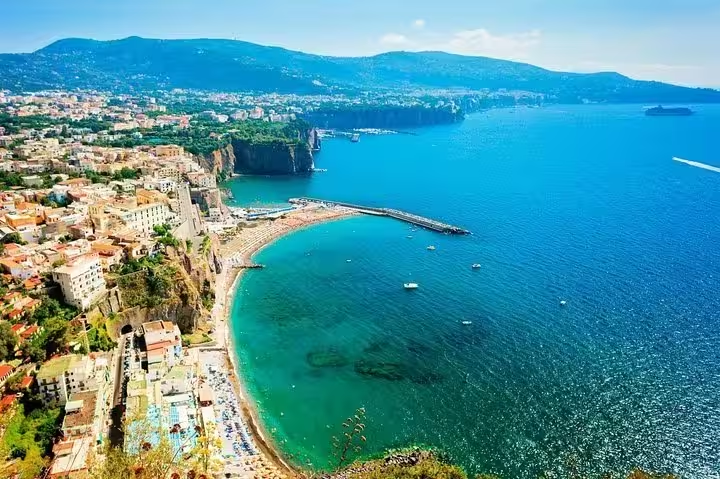
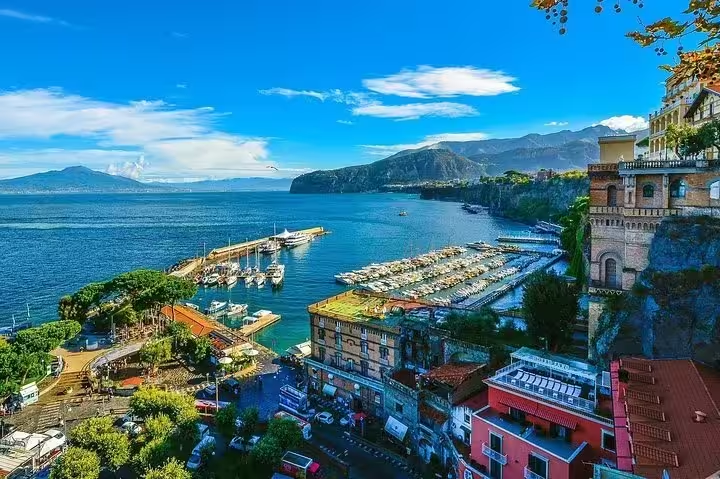
Sorrento rewards a visit that leaves room to look closely at its streets, collections and coast, rather than filling every day with trips elsewhere. The town looks out over the sea from a raised terrace of tuff, so its coastal setting is part of the visit even before you reach the water.
An architecture walk and a museum visit offer different ways into Sorrento, so leave room for both if art matters to you. Along the streets, the old Greek and Roman layout survives in crossings that meet at right angles. At Sedile Dominova, look for the majolica-tiled dome above the loggia that was once a seat of the local nobility.
The Museo Correale di Terranova is the place to focus on ancient objects: its archaeological rooms range from prehistoric bronzes to Attic vases and Roman marble pieces. With the collection spread across four floors of Villa Correale, the museum deserves its own place in the plan rather than being treated as another building to glance at.
Wood inlay, known locally as tarsia or intarsio, offers another thread to follow through Sorrento's craft traditions. Villa Fiorentino has a permanent display devoted to this work, making it a stop to prioritise if you want to look more closely at the craft.
Inside the villa, musical boxes donated by cabinetmaker Enrico Salierno are permanently displayed on the second floor. Its garden also has camellias, so a visit can combine the displays with a look at the planting outside.
Limoncello and local produce are a way to explore Sorrento beyond its buildings. Sorrento's limoncello gets its lemon flavour from peel left to infuse in pure alcohol.
The Sorrento walnut variety comes from the Sorrentine Peninsula, while Penisola Sorrentina PDO olive oil uses Ogliarola or Minucciola olives for at least 65% of its blend. Those names give you something specific to look for when deciding which regional products to try.
If you want to explore through tastings on foot, the Sorrento food and wine walking tour includes a tasting of gnocchi alla sorrentina.
Two days are a reasonable suggested split: devote the first to Sedile Dominova, Museo Correale di Terranova and Villa Fiorentino, then the second to Vallone dei Mulini and Capo di Sorrento.
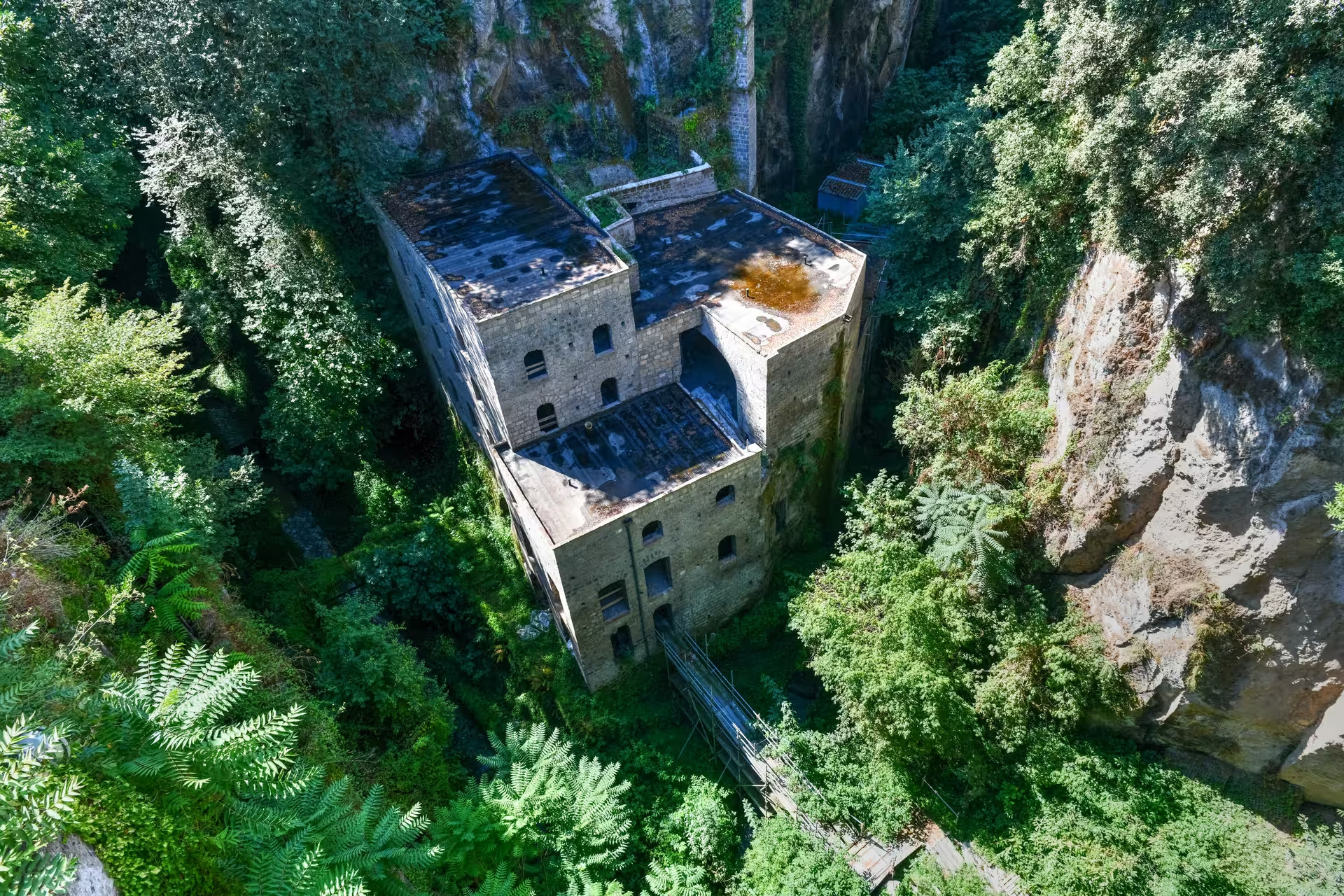
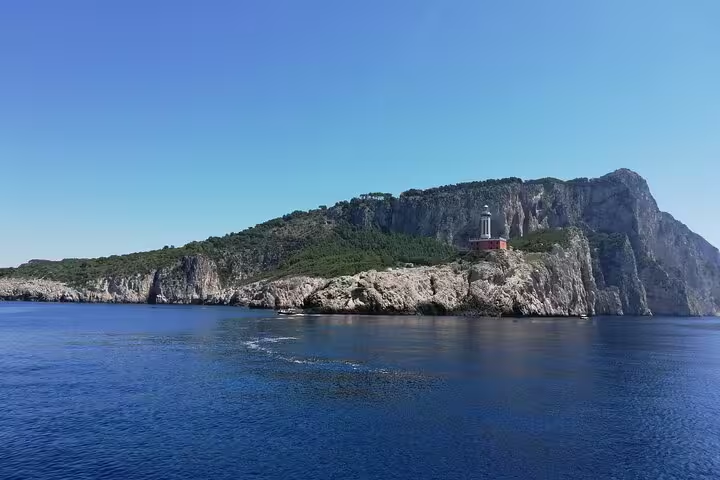
Vallone dei Mulini brings working history into the plan, with a grain mill, sawmill and public washhouse among its former uses. At Capo di Sorrento, the Regina Giovanna archaeological area puts Roman villa remains and a natural pool into the same coastal visit.
A full-day excursion is worth keeping separate from those town visits if you want time for both.
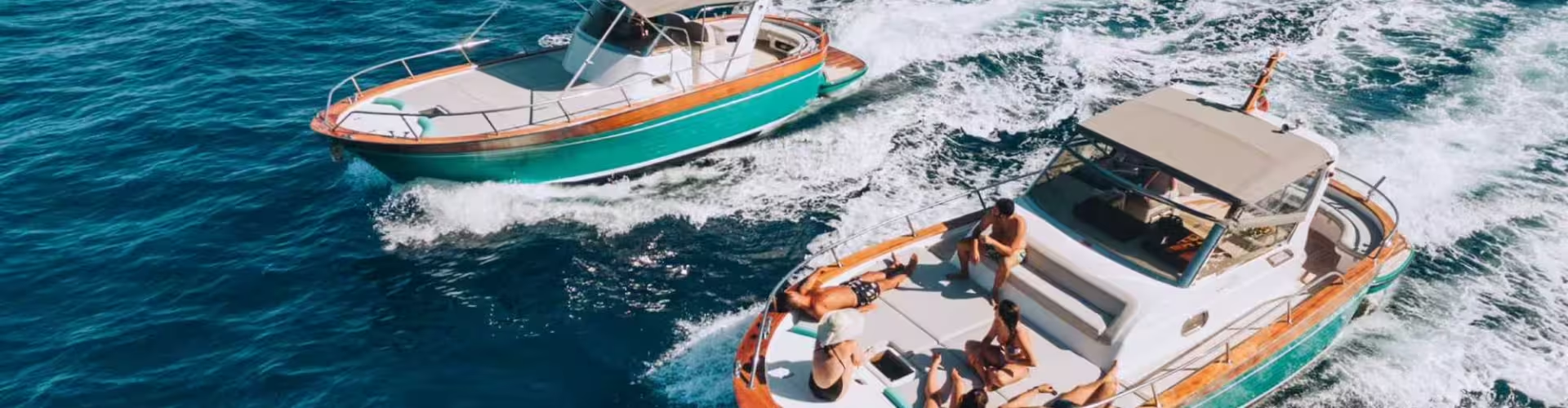
If you want a day on the water, the full-day boat tour from Sorrento to Capri and Faraglioni makes that an eight-hour commitment.
If you would rather combine Pompeii, Sorrento and the Amalfi Coast in one day, the full-day private tour provides a multilingual driver.
February and Holy Week are dates to build around if local religious celebrations matter to your trip. The feast of Sorrento's patron saint, Sant’Antonino Abate, falls on 14 February. Holy Week brings three processions between Holy Thursday and Good Friday, so those days give the celebrations a specific place in your itinerary.
Rail is an option from Naples, with the L1 line linking it to Sorrento. That connection is worth weighing alongside your sightseeing plans if Naples is another part of your trip.
Yes, a suburban bus connection links Naples Airport with Sorrento.
Yes, Sorrento Cathedral is dedicated to the apostles Philip and James the Less, and it already existed in the eleventh century.
Yes, Sorrento is among the municipalities included in the Monti Lattari Regional Park.
Sources: Ministero della Cultura (cultura.gov.it) (CC BY 3.0): museo-correale-di-terranova, museobottega-della-tarsialignea.