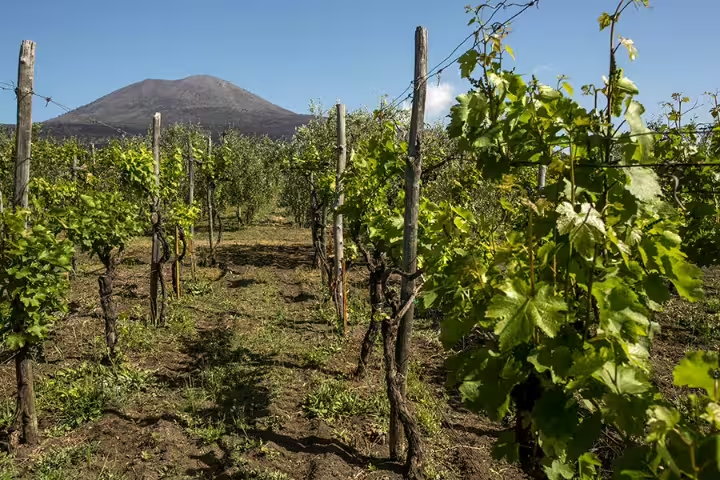
Mount Vesuvius stands as one of the world's most famous volcanoes, located near Naples in the Campania region of southern Italy. This iconic peak is best known for its catastrophic eruption in 79 AD that buried the Roman cities of Pompeii and Herculaneum. The volcano remains active today, commanding respect and fascination from millions of visitors annually.
What to see in Mount Vesuvius
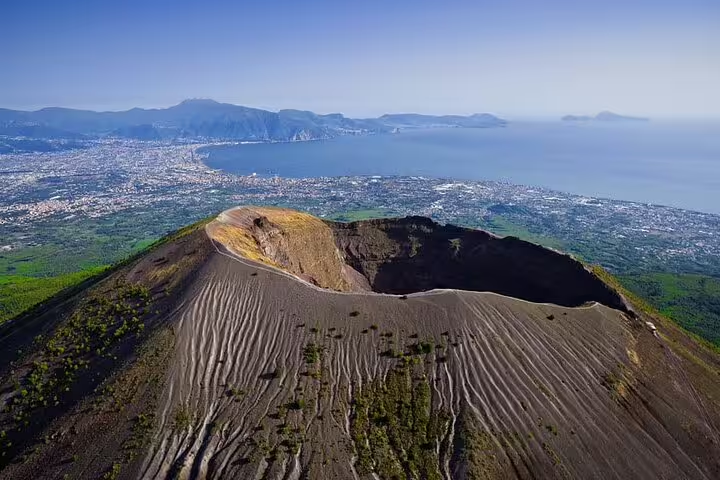
Visitors can explore the crater rim, which offers panoramic views of the Bay of Naples and the surrounding Campanian landscape. The volcanic slopes reveal layers of past eruptions, while the nearby archaeological sites of Pompeii and Herculaneum showcase remarkably preserved Roman architecture and daily life frozen in time.
Things to do in Mount Vesuvius
Guided hikes to the summit provide thrilling experiences with geological insights and breathtaking vistas. Many travelers combine visits to Vesuvius with tours of Pompeii and Herculaneum, creating a comprehensive journey through Roman history and volcanic science.
Vesuvius in Popular Culture and Archaeology
Mount Vesuvius has inspired countless films, documentaries, and literary works exploring its devastating 79 AD eruption. The volcano's role in preserving Pompeii and Herculaneum makes it essential for understanding ancient Roman civilization and remains a focal point for archaeological research worldwide.
Mount Vesuvius is located in the Campania region of southern Italy, approximately 9 kilometers east of Naples. The volcano overlooks the Bay of Naples and sits in close proximity to the archaeological sites of Pompeii and Herculaneum, making it a central point in Italy's cultural and geological heritage. The surrounding area is accessible via Naples, which serves as the primary hub for transportation and accommodation for visitors exploring this historic region.
History & Archaeology, Outdoor Adventures, Geological Heritage, UNESCO World Heritage Sites, Ancient Rome, Natural Wonders