Last updated:


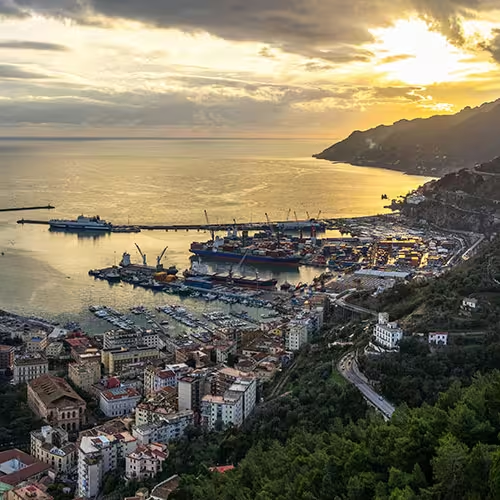
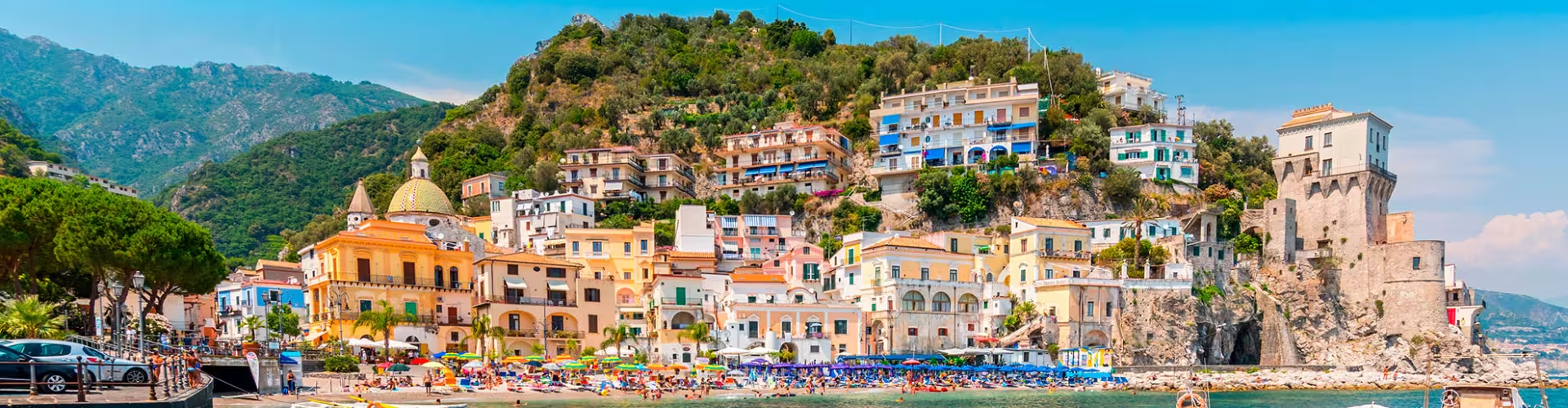
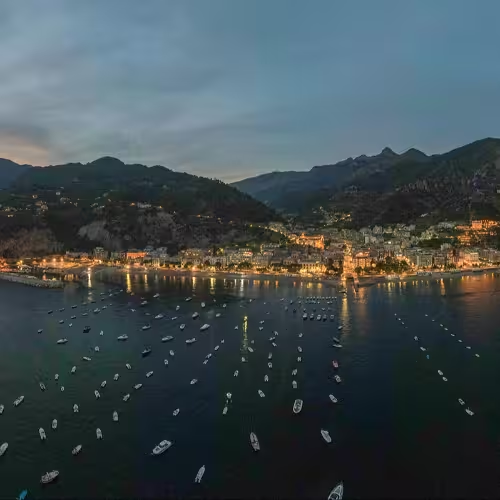
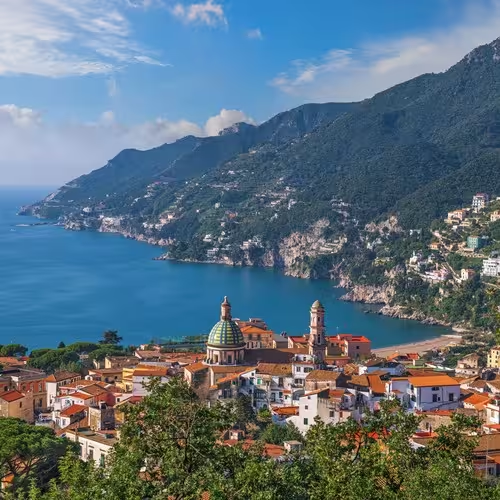
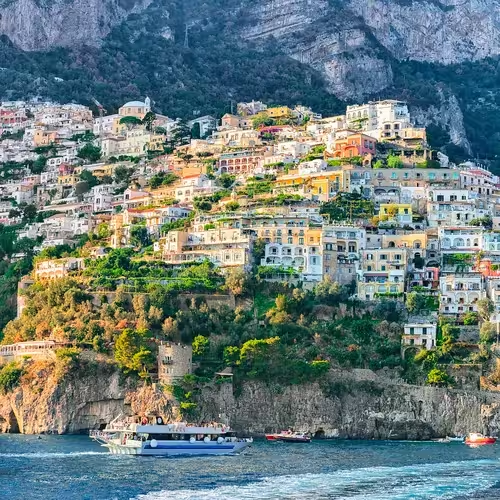
Salerno rewards a visit that reaches beyond the coast: its medicinal garden, the temples at Paestum and the art at Padula offer different ways into the province. For a first trip, let those interests shape your route rather than trying to cover every municipality.
The Giardino della Minerva is worth putting on your Salerno itinerary if you enjoy gardens with a story behind them. Its terraces preserve what remains of Matteo Silvatico’s medicinal garden, so the appeal is the connection between plants and medicine rather than a list of monuments.
Medicine also runs through the city’s history: the Salerno Medical School emerged in the Lombard period and made Salerno known across Europe. Reading the garden alongside that history puts the city’s medical heritage at the centre of your visit.
Allow three days for a selective introduction: a day in Salerno, a day on the Amalfi Coast and a day at Paestum. This is a suggested division by interest, with the medicinal garden, coastal heritage and ancient temples giving each day a different focus.
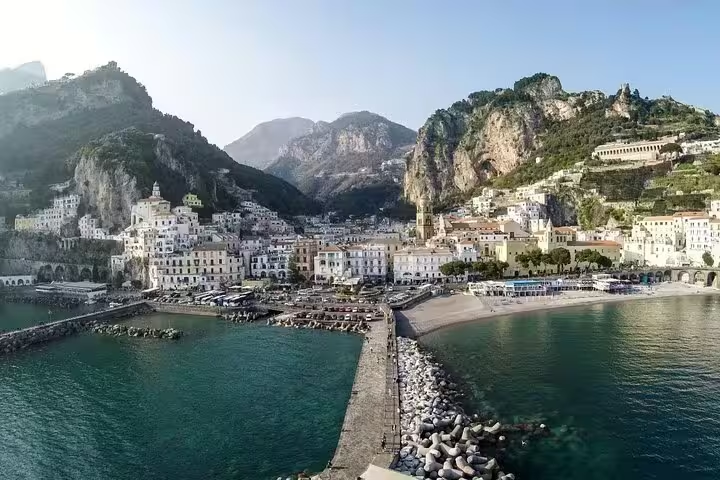
If you are travelling from Sorrento and want a private coastal excursion, the private full-day Amalfi Coast tour provides a guide throughout its eight hours.
If Naples is your base and you want guided sightseeing on the coast, the full-day tour of Ravello and the Amalfi Coast takes eight hours, with car or minivan transport included.
Amalfi, Minori and Ravello offer a route for travellers interested in museums, Roman remains and gardens. In Amalfi, the Arsenale della Repubblica contains the Museo della Bussola; Minori’s Roman villa centres on a garden and pool, framed by porticoes on three sides, but it has been temporarily closed for restoration since 25 August 2025, so check that it has reopened before you go.
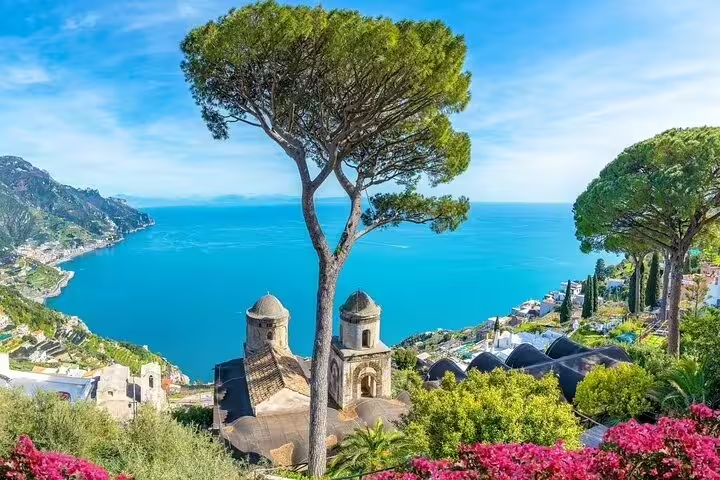
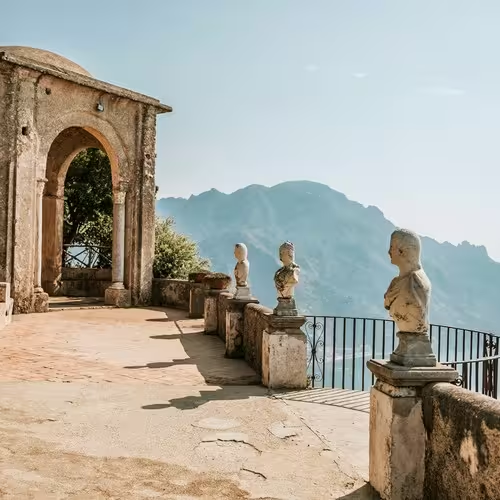
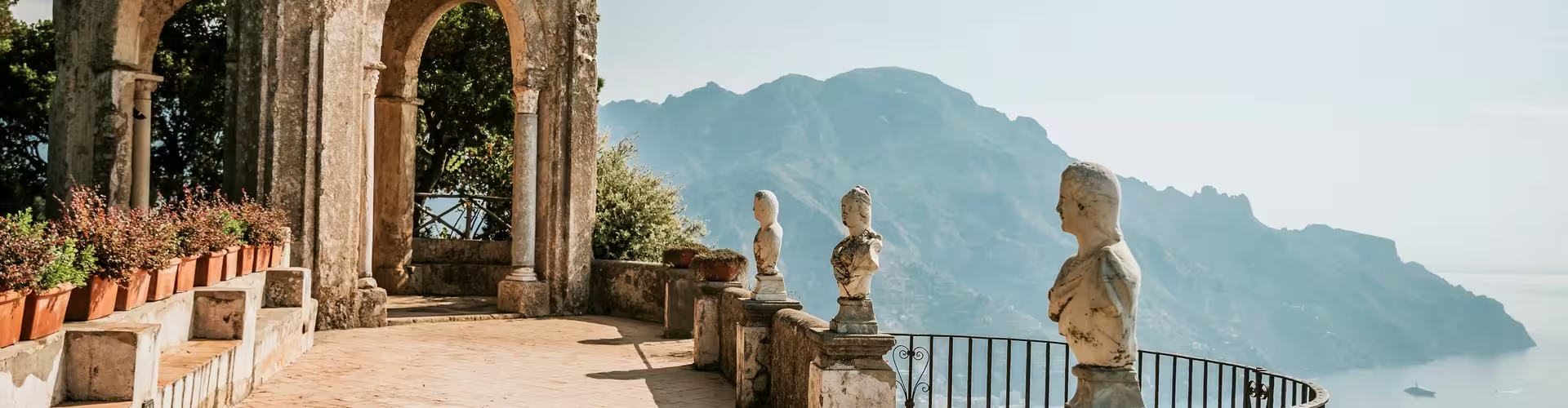
Villa Rufolo brings the focus back to gardens in Ravello, where Francis Nevile Reid, a Scottish expert in botany, laid out the terraces as gardens. If you want a private excursion focused on Ravello from Naples, the private day trip offers six hours with a chauffeur-driven vehicle.
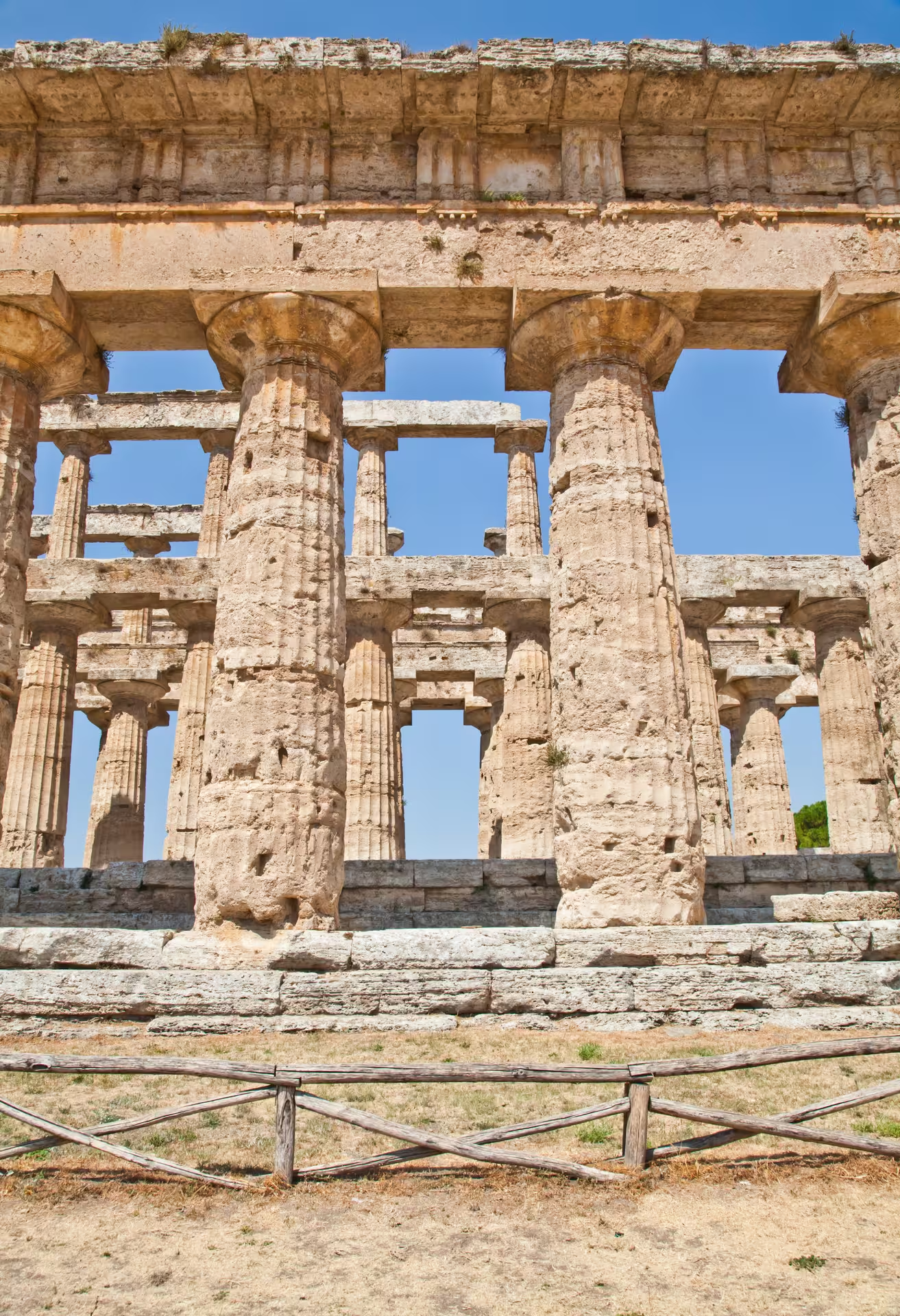
Paestum deserves time for both its temples and its museum, rather than a visit limited to the archaeological remains. The site combines three substantial Doric temples with public monuments and surviving parts of the ancient residential area.
Inside the National Archaeological Museum, the Tomb of the Diver is represented by five painted slabs. Pairing these with the remains outside lets you make room for painting as well as architecture.
Padula is a rewarding alternative if contemporary art interests you alongside historic architecture. At the Certosa di San Lorenzo, a monumental late Mannerist facade leads your attention to the building, while former monastic cells house contemporary art.
Ripe Rosse and Punta Licosa are options for a visit focused on the coastal landscape, with coloured layers of Cilento flysch visible in the rocks. For more archaeology, Velia has an Ionic temple, an Angevin tower and the Hadrian thermal baths to explore.
Local names are worth learning before you eat: mozzarella di bufala campana connects Salerno with the wider food traditions of Campania. It is traditionally produced in the region, particularly in the provinces of Salerno and Caserta.
Carciofo di Paestum IGP, also known as Tondo di Paestum, is a Romanesco-type artichoke. Colatura di Alici di Cetara DOP offers another local name to recognise: this liquid comes from anchovies matured in salt.
Summer suits you if you like heat, while winter is mild but wetter. Salerno has a Mediterranean climate, with hot, dry summers and mild, wet winters.
Yes, Pope Gregory VII consecrated Salerno Cathedral in 1084, and Gisulf II, the last Lombard prince, surrendered to Robert Guiscard in 1077.
Yes, Salerno celebrates its patron Saint Matthew with a procession on 21 September.
Yes, Cilento, Vallo di Diano and Alburni National Park received UNESCO biosphere reserve recognition in 1997 and geopark recognition in 2010, and the Santa Maria di Castellabate marine protected area dates from 2009.
Sources: Comune di Salerno (CC BY 4.0): giardino-della-minerva, 29791.pdf, duomo, castello-di-arechi; Comune di Amalfi (CC BY 4.0): Sistema-Amalfi-seleziona-2-addetti-al-front-office-per-Infopoint-e-Arsenale, origini.asp; Ministero della Cultura (cultura.gov.it) (CC BY 3.0): certosa-di-san-lorenzo, parchi-archeologici-di-paestum-e-velia-museo-e-area-archeologica-di-paestum.