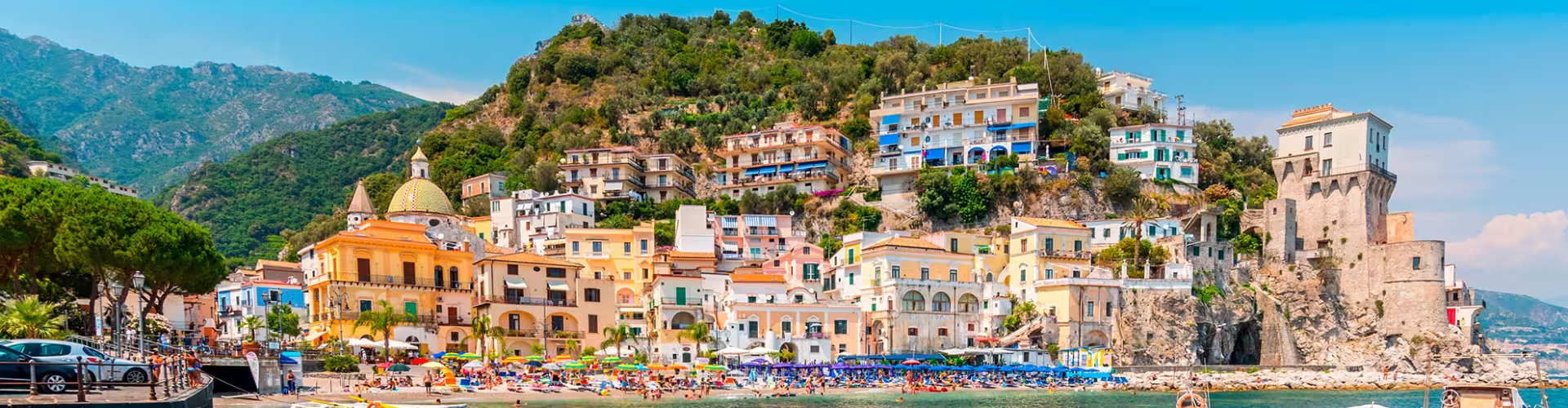


Cetara is a small, sea facing village on the Amalfi Coast where daily life still revolves around fishing boats, waterfront strolls, and simple, deeply local food. It suits travelers who want coastal beauty without the constant rush of bigger resort towns, plus an easy base for exploring the wider Province of Salerno. Go now if you want a slower pace, photogenic harbors, and a more grounded slice of Campania.
Cetara sits in Campania, within the Province of Salerno, along the famed Amalfi Coast between other cliffside communities and the city of Salerno. The most common gateways for international travelers are Naples International Airport and Rome airports, then onward by train or road to Salerno as a practical hub. From Salerno, you can continue by coastal road, ferry in season, or local transport depending on your route and comfort with winding drives.
Late spring and early autumn typically balance pleasant coastal weather with fewer crowds than peak summer. Summer brings the liveliest atmosphere and the longest days for seaside time, but also heavier traffic on the coastal road and higher demand for rooms. Winter is quieter and can feel wonderfully local, although some tourism services reduce frequency, so planning becomes more important.
Italy uses the euro, and you will find that small coastal towns can be more expensive than inland areas, especially during high season. Carry some cash for small purchases, quick snacks, or places that prefer smaller transactions, while keeping a card for accommodations and larger restaurant bills. If you are moving between towns, budget extra for transport flexibility, since last minute taxis or private transfers can be the costliest option.
Note: To keep this guide factually safe, experiences are described without specific prices or opening hours.
1) Harbor and Waterfront Walk
The waterfront is the emotional center of Cetara, where you can read the rhythm of the village in the boats, nets, and evening passeggiata. It is also the easiest place to absorb the Amalfi Coast scenery without needing a packed itinerary.
Practical tip: Go near golden hour for softer light on the pastel buildings and calmer photos.
2) Beach Time, Small Town Style
Instead of mega beach clubs, the appeal here is a simpler seaside break that feels tied to everyday life. A few hours by the water pairs naturally with a long lunch and a slow afternoon.
Practical tip: Pack water shoes if you prefer extra comfort on pebbly stretches, and bring a light layer for breezier evenings.
3) Local Food Focus, Anchovies and Coastal Flavors
This corner of Campania is strongly connected to fishing traditions, and local menus often reflect what the sea provides. Eating here is not just a meal, it is the most direct way to understand the town’s identity.
Practical tip: Ask what is seasonal and local today, and choose one dish that highlights the day’s catch.
4) Photo Spots with Amalfi Coast Backdrops
The village’s compact layout makes it easy to collect varied views, boats in the foreground, cliffs behind, and layers of architecture rising from the sea. You can capture classic Amalfi Coast drama without chasing famous viewpoints.
Practical tip: For steadier shots, pause on quieter side streets above the waterfront rather than the busiest promenade.
5) Slow Exploration on Foot
Walking is the best way to experience Cetara, because short distances reveal small details, tiled stairways, sea views between buildings, and the subtle shift from harbor energy to residential calm. It also helps you avoid the stress of driving on narrow coastal roads.
Practical tip: Wear shoes with grip, and plan micro breaks, since coastal towns often involve steps and slopes.
6) Use Cetara as a Base for Salerno Connections
Staying here can make sense if you want a quieter sleep location while keeping access to Salerno for trains and broader Province of Salerno exploration. It is a practical strategy for mixing coastal scenery with day trips.
Practical tip: If you have early departures, consider overnighting closer to Salerno the night before to reduce morning logistics.
7) Evening Atmosphere and Dinner by the Sea
The town comes into its own after daytime traffic eases, when the waterfront feels more intimate and the pace slows. Dinner becomes an experience, not a checkbox, especially if you time it with the last light over the water.
Practical tip: Reserve ahead in high season, even for casual places, to avoid waiting at peak dinner time.
8) Gentle Day Trip Planning Along the Coast
The Amalfi Coast is best enjoyed with realistic expectations, short hops, and breathing room. From Cetara, you can build a day that feels full without feeling frantic.
Practical tip: Choose one main town to visit, then return for a relaxed evening rather than stacking multiple stops.
Start with a waterfront walk to orient yourself, then take time for photos from slightly higher side streets for a layered view of the harbor. Plan a long lunch that leans into local seafood flavors, then spend the afternoon with a simple beach break or a slow wander through the village lanes. End with an early evening stroll, then dinner timed for sunset tones over the water.
Day one follows the highlights, but with extra space for unplanned pauses, a second viewpoint loop, and a more leisurely meal. Day two can focus on using the town as a calm base, connect through Salerno for broader Province of Salerno options, or take a single Amalfi Coast town as your main excursion. If you have a third day, keep it flexible, return to your favorite waterfront spot, repeat the best meal, and prioritize the experience of slow travel rather than constant movement.
Note: Dishes can vary by season and restaurant, so use ordering tips to stay flexible.
Anchovy focused dishes
Expect bold, salty, sea driven flavors that pair well with pasta and simple local ingredients.
Ordering tip: Ask if the anchovies are local and how they are prepared today.
Pasta with seafood sauces
Coastal pasta dishes often balance briny depth with olive oil, herbs, and a clean finish.
Ordering tip: If you want the most local feel, choose a pasta that highlights a single primary seafood ingredient.
Fried seafood
Lightly fried mixed seafood is a classic seaside comfort, best when it tastes fresh and not heavy.
Ordering tip: Share one portion as a starter, then follow with a simpler main so the meal stays balanced.
Grilled fish of the day
A straightforward grill lets the quality of the catch speak, usually paired with minimal sides.
Ordering tip: Ask what fish is freshest and request a simple preparation.
Local vegetables and antipasti
Even in a fishing village, vegetables and small plates bring contrast and freshness to the table.
Ordering tip: Look for seasonal sides that reflect Campania’s produce culture.
Italian coffee culture
A quick espresso punctuates the day, especially after lunch or before an evening walk.
Ordering tip: If you want it fast and local, order at the bar rather than waiting for table service.
Cetara is best experienced on foot once you arrive, since the village is compact and walking supports the slow coastal rhythm. For moving between Amalfi Coast towns, ferries can be a scenic option in season, while buses and cars follow the coastal road, which can be slow and winding during busy periods. If you are prone to motion sickness, sit forward on buses or plan more ferry travel where possible, and keep your day plans light so delays do not cascade.
Salerno
A practical hub for trains and broader connections in the Province of Salerno, useful for travelers who want to mix coast time with city logistics. Travel time varies by route and traffic. The main reason to go is connectivity and an easier transport reset.
Other Amalfi Coast towns
Nearby cliffside communities offer different viewpoints, beaches, and dining scenes, and they are well suited to a single town per day approach. Travel time depends heavily on season and transport mode. The main reason to go is variety in scenery and atmosphere along the same coastline.
Naples
A high energy contrast to the coast, and a major transport gateway for flights and rail. Travel time varies depending on how you connect through Salerno and regional services. The main reason to go is big city culture and onward travel convenience.
Rome
A common international entry point with extensive flight connections and high speed rail options. Travel time varies by train routing and connections. The main reason to go is global connectivity and iconic sightseeing if you are combining destinations.
Yes, it can work well if you prefer a quieter village feel while still being able to reach other coastal towns. Plan day trips with buffer time, since road traffic and seasonal schedules can affect timing.
Most travelers route through Salerno, which connects by train to larger Italian cities and onward transport. From Salerno you can continue by road, local transport, or seasonal ferries depending on conditions.
Late spring and early autumn usually offer a strong balance of comfortable weather and manageable crowds. Summer is vibrant but busier, while winter is quieter with fewer tourism services.
No, you can enjoy the village on foot and connect to nearby areas using public transport or ferries in season. A car can add flexibility, but it also adds stress on narrow coastal roads and parking constraints.
Focus on seafood and anchovy centered dishes, plus simple pasta preparations that highlight local flavors. Ask what is seasonal and what the kitchen recommends that day for the most authentic experience.