Last updated:


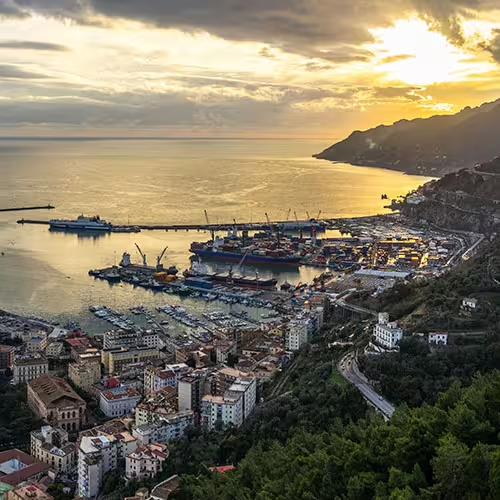
Salerno suits a trip that gives the city its own time before branching out to temples or coastal towns. The city faces the Tyrrhenian Sea at the Gulf of Salerno, while the wider province also takes in the Cilento coast.
The cathedral gives a visit focused on Salerno's Norman history a clear starting point. Built by the Norman prince Robert Guiscard, it received its consecration from Pope Gregory VII in 1084. Its crypt holds the relics of Matthew the Apostle, a patron saint of the city.
Piazza Flavio Gioia adds a different stop: its shape explains the nickname Rotonda. For context beyond the buildings, Salerno's medical tradition is worth keeping in mind. Historians usually trace the Schola Medica Salernitana back to the 9th century, and women were able both to teach and to study there.
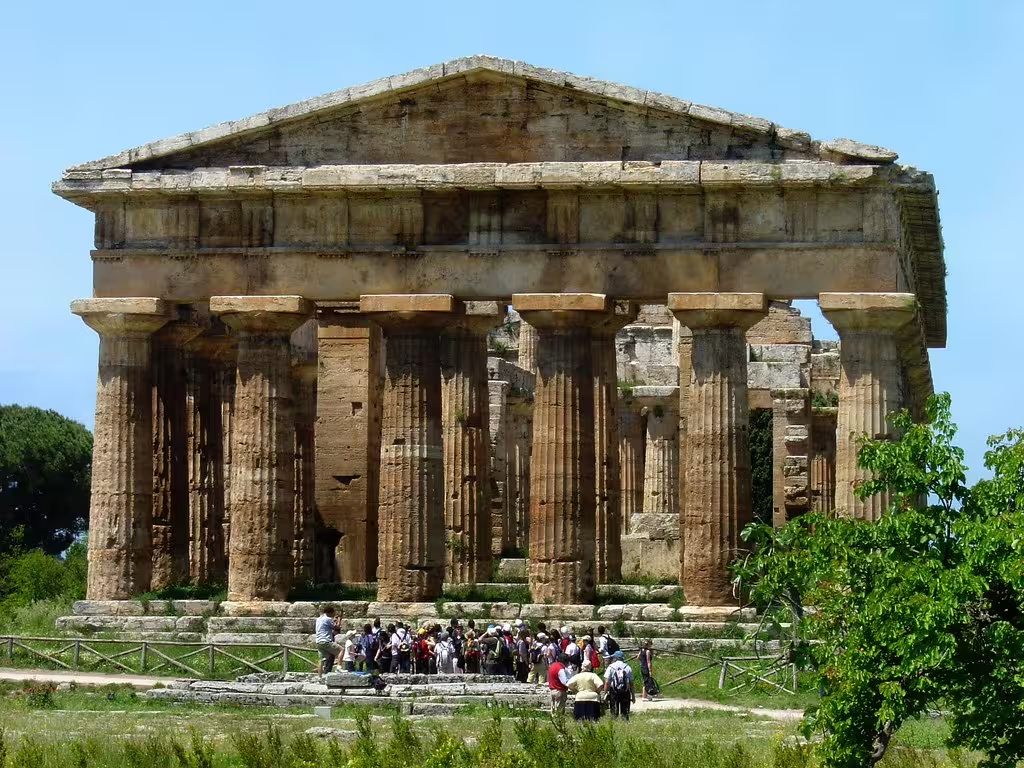
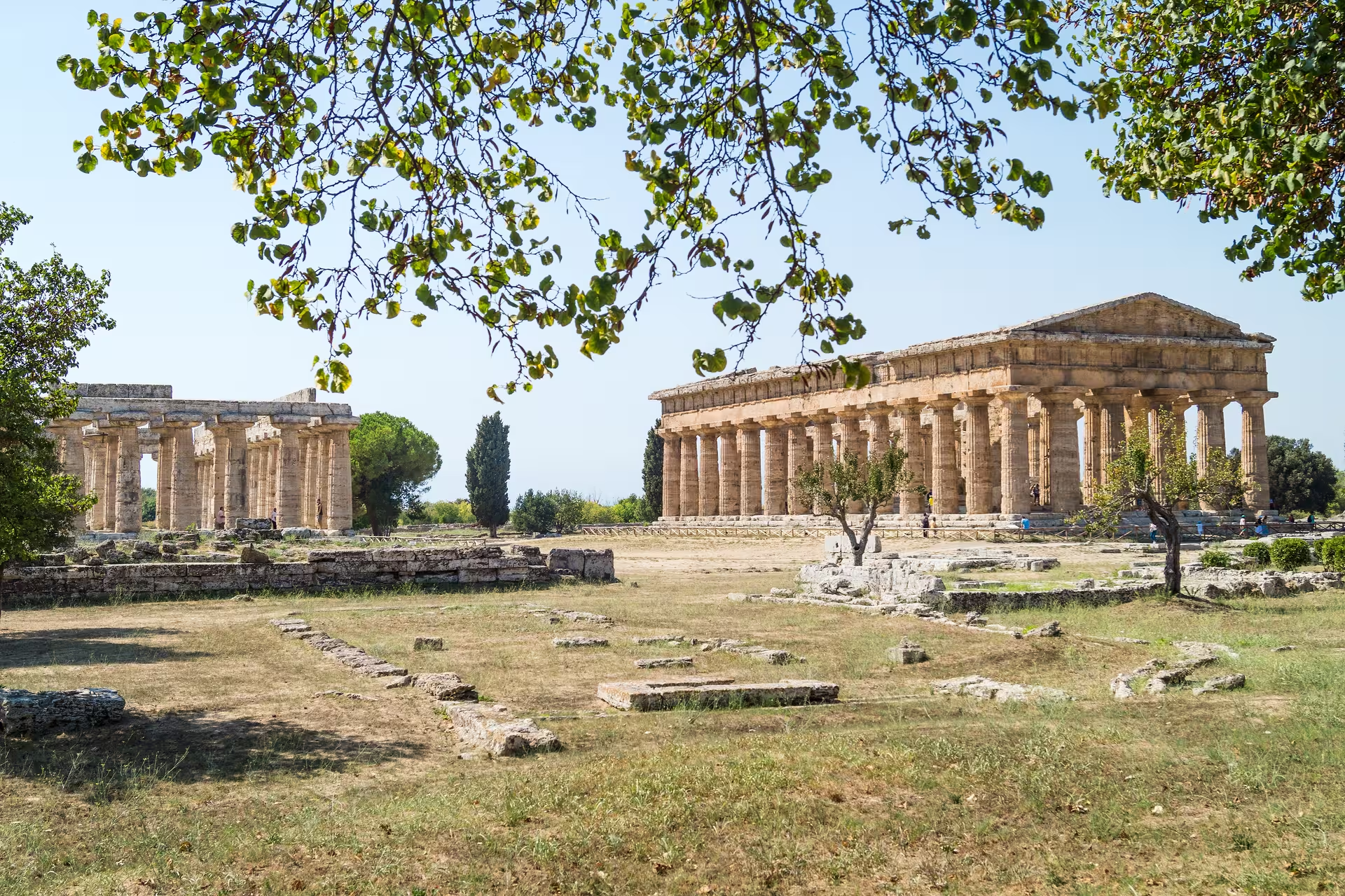
Paestum suits an interest in ancient temples; the Amalfi Coast offers a different plan built around towns and ceramics. At Paestum, a former centre of Magna Graecia, an extensive group of Greek temples survives in good condition. The Temple of Neptune was finished around 460 BCE, and the National Archaeological Museum of Paestum displays the Tomb of the Diver. An archaeology day can therefore begin with the temples and continue at the museum.
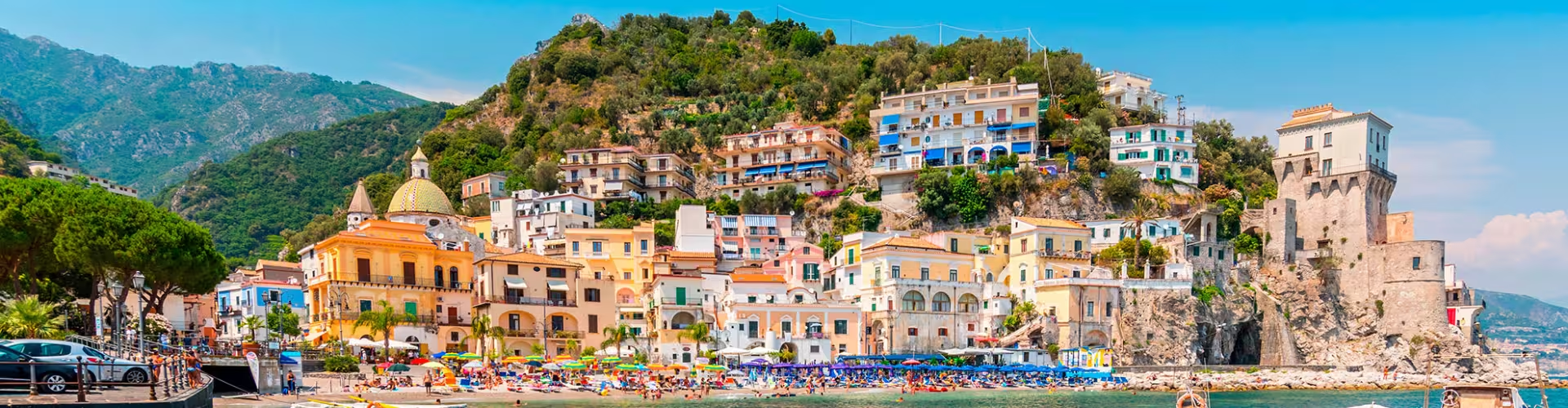
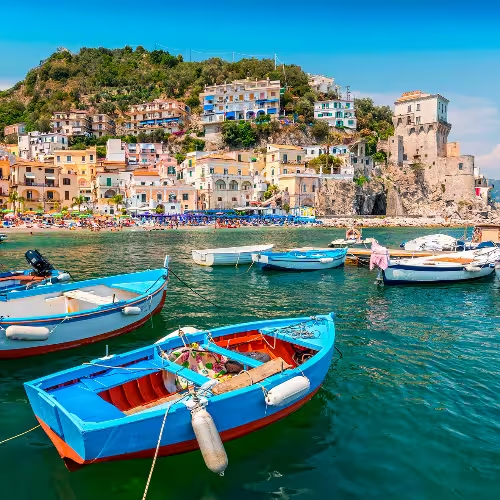
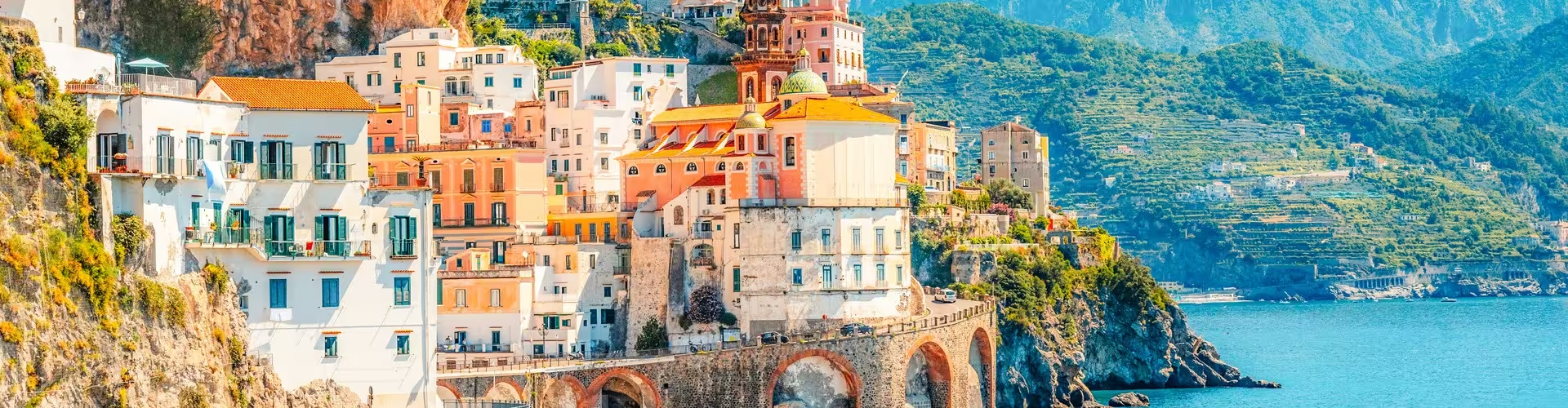
For ceramics, Vietri sul Mare has a tradition of multicoloured pottery reaching back at least to the 15th century. It lies just west of Salerno and serves as a gateway to the Amalfi Coast. Amalfi offers the history of a former maritime republic, and Atrani lies just east of it, within walking distance. Amalfi and Atrani make a useful pairing if you want to concentrate on neighbouring towns.
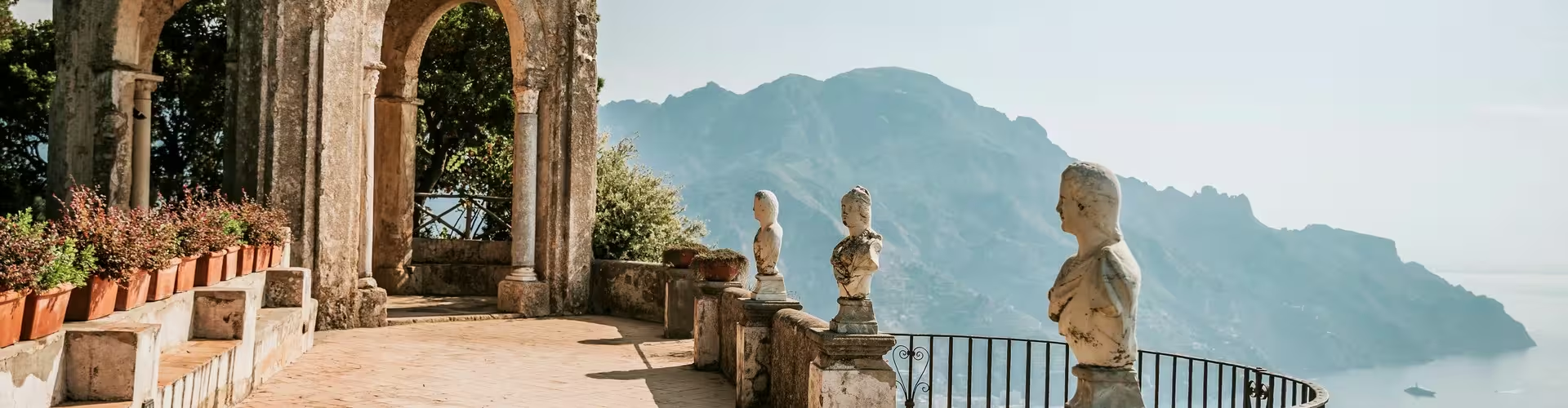
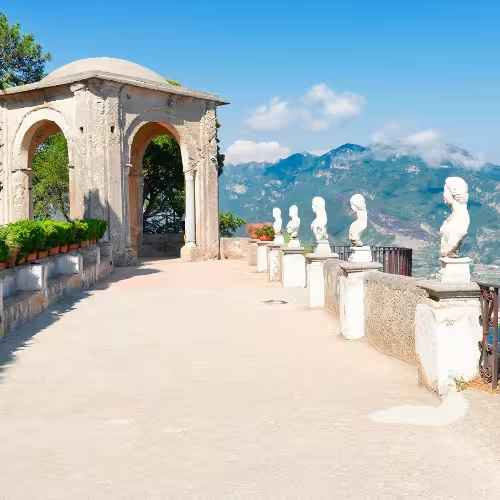
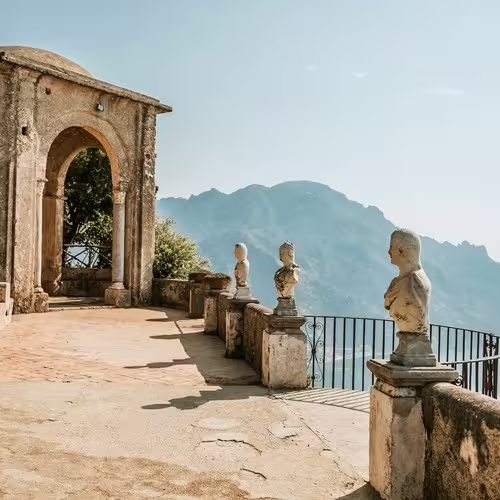
Summer suits a preference for warmth on the Amalfi Coast, while winter offers milder conditions. For a trip centred on music, summer gives a specific reason to include Ravello: Villa Rufolo hosts concerts of the Ravello Festival, which usually runs from early July to early September. The villa overlooks Piazza Vescovado, so the square and villa can form the focus of your Ravello visit.
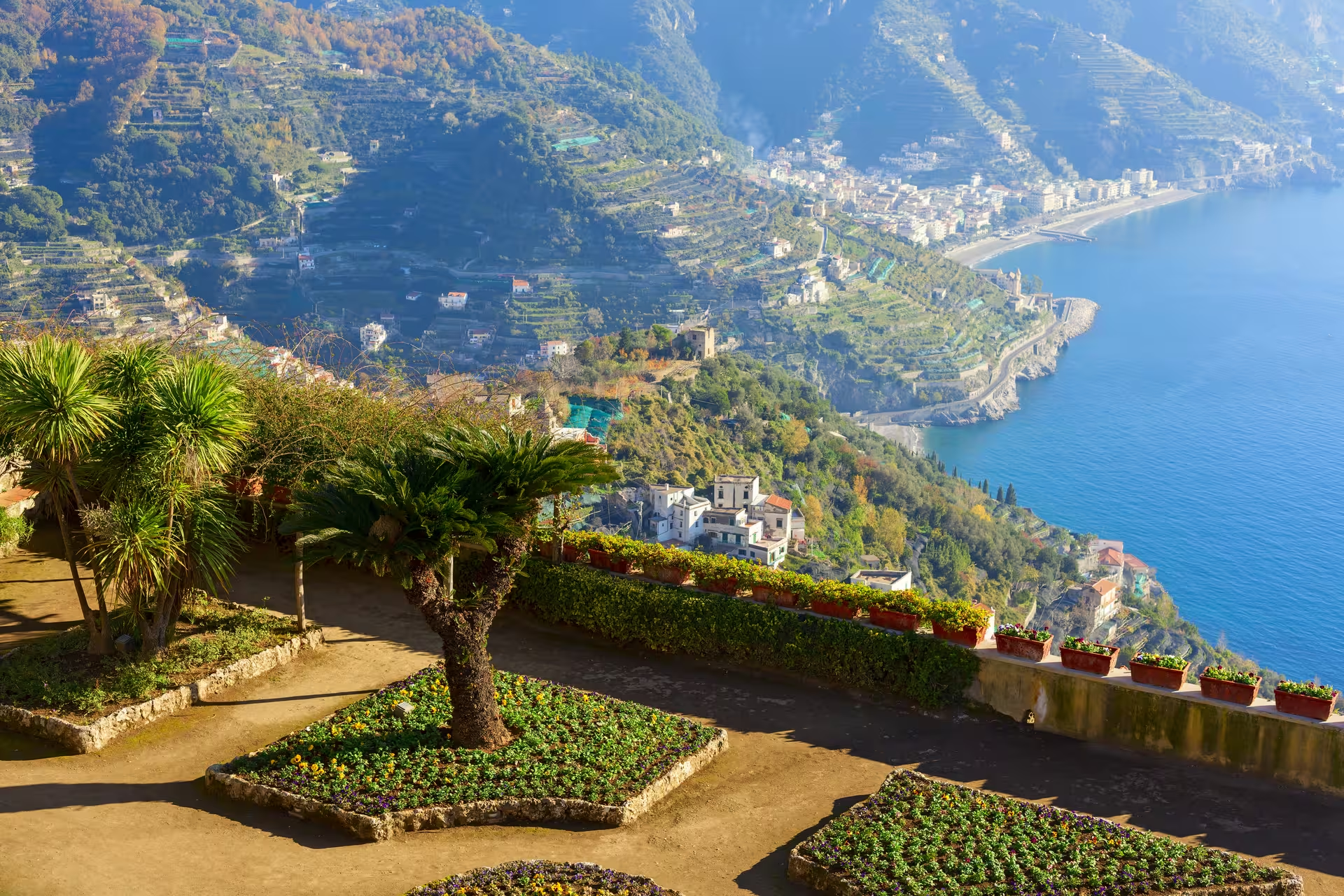
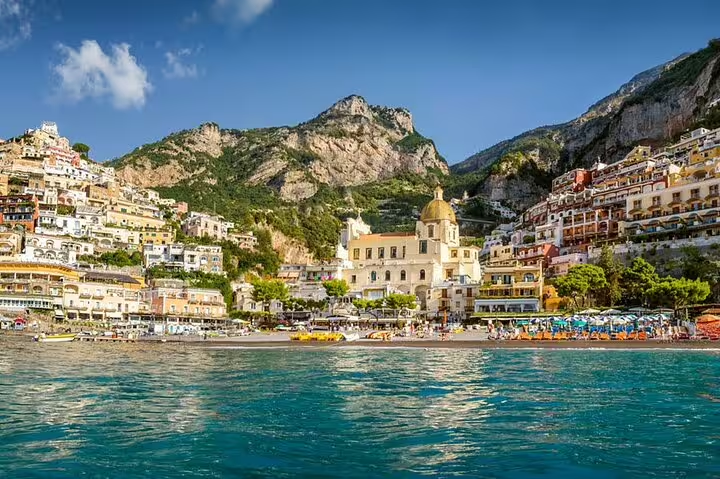
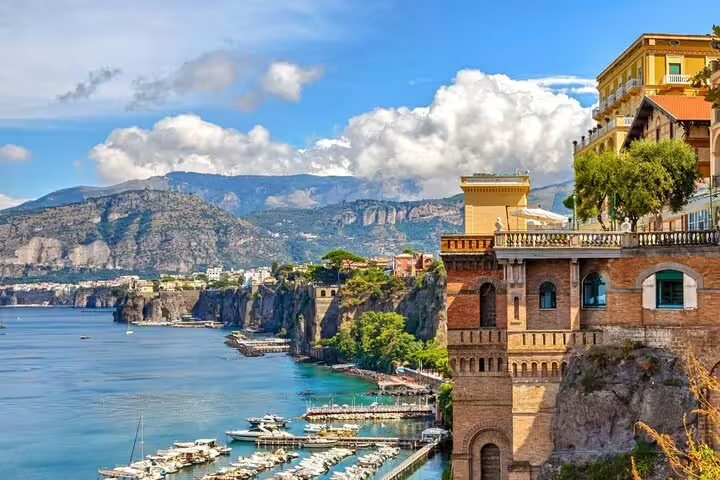
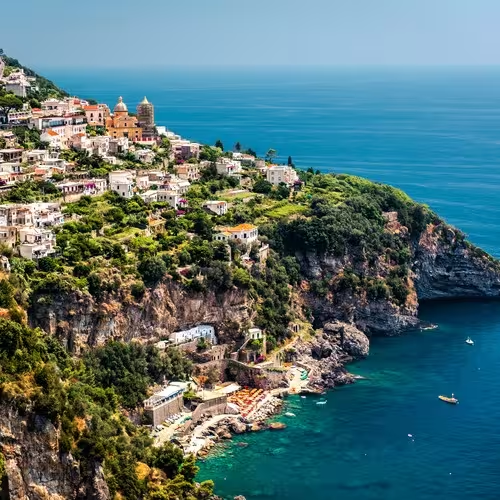
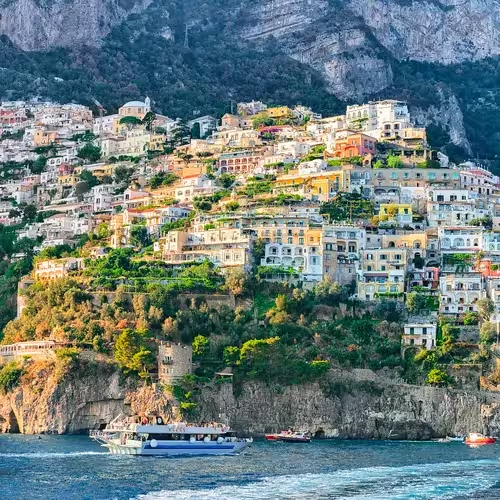
A road itinerary along the coast can be planned around the Amalfi Drive. The SS163 Amalfi Drive runs about 50 kilometres from Meta, near Sorrento, to Vietri sul Mare at its eastern end, passing Positano, Praiano and Amalfi on the way. Praiano sits between Amalfi and Positano on the SS163 coastal road. Those locations give you an order for planning stops, with Vietri sul Mare as the coastal gateway west of Salerno.
Two days are a reasonable starting plan: spend the first on Salerno Cathedral and Piazza Flavio Gioia, then devote the second to Paestum or the Amalfi Coast. The choice depends on whether Greek temples or coastal towns interest you more.
Salerno suits a stay focused on the cathedral and city history; Vietri sul Mare suits a focus on the Amalfi Coast. Vietri's ceramics tradition gives that coastal base an interest of its own.
Two days make a starting plan: one for the cathedral and Piazza Flavio Gioia, then one for Paestum or the Amalfi Coast.
Summer suits warmth on the coast and the Ravello Festival, which usually runs from July to early September; winter is mild.
Plan a road itinerary along the Amalfi Drive (SS163), which runs about 50 kilometres from near Sorrento to Vietri sul Mare, passing Positano and Amalfi.
Paestum suits Greek temples, while Vietri sul Mare and Amalfi suit ceramics and coastal history.
Salerno suits city heritage; Vietri sul Mare suits an Amalfi Coast focus.