Last updated:


Borgarbyggð rewards a visit that brings together saga stories, lava landscapes and geothermal water, rather than treating every stop as the same kind of experience. This Icelandic municipality stretches across the land around Borgarfjörður and inland from it, so think of the page as a guide to several places rather than a single town centre.
Two days is a sensible way to divide the visit: devote one to Borgarnes and its saga connections, then another to Reykholt and the contrast between hot springs and Hraunfossar. That split leaves room for history as well as scenery, without making the exhibitions an afterthought to the outdoor stops.
If you have a single day for an organised excursion, the full-day Silver Circle tour in West Iceland offers an eight-hour option with transport throughout the itinerary. For a longer trip combining regions, the two-day Snæfellsnes and Silver Circle guided tour includes an overnight stay in a farm apartment.
Borgarnes is worth making time for if you want the saga references elsewhere on the trip to mean more than a name on a sign. The Settlement Center introduces Iceland’s early story and Egill Skalla-Grímsson, making it a natural first stop before looking for the places associated with his family. At Skallagrímsgarður, the burial mound belongs to Skallagrímur Kveldúlfsson, Egill’s father in Egil’s Saga.
Borg carries the literary thread into sculpture: Ásmundur Sveinsson’s work there pays tribute to Egill’s poem Loss of a Son. For a food stop in Borgarnes, Ljómalind market sells fresh fish and beef, cheeses made from cow’s and goat’s milk, ice cream and jams, so it offers a change of focus between history visits.
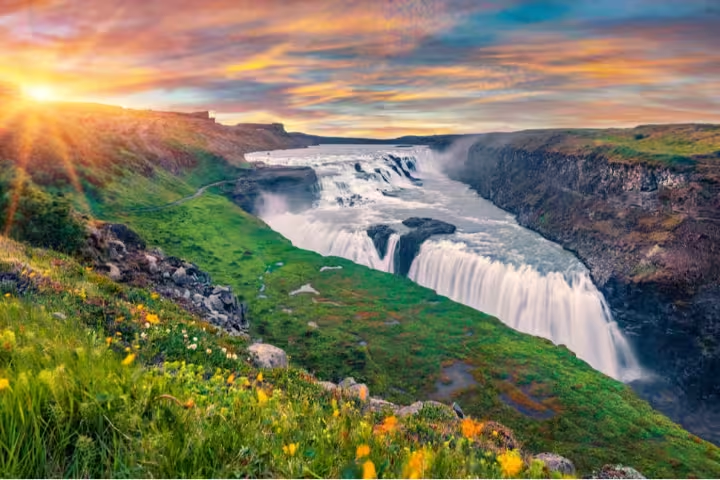
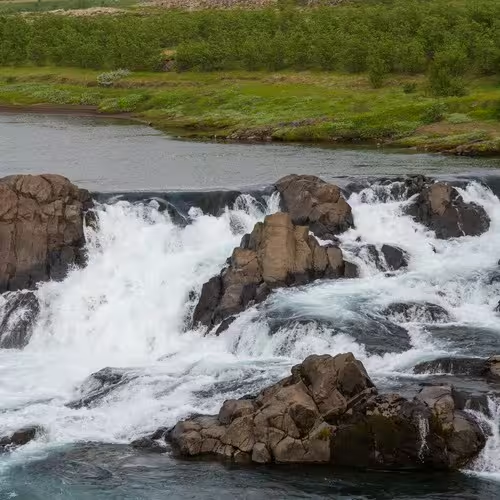
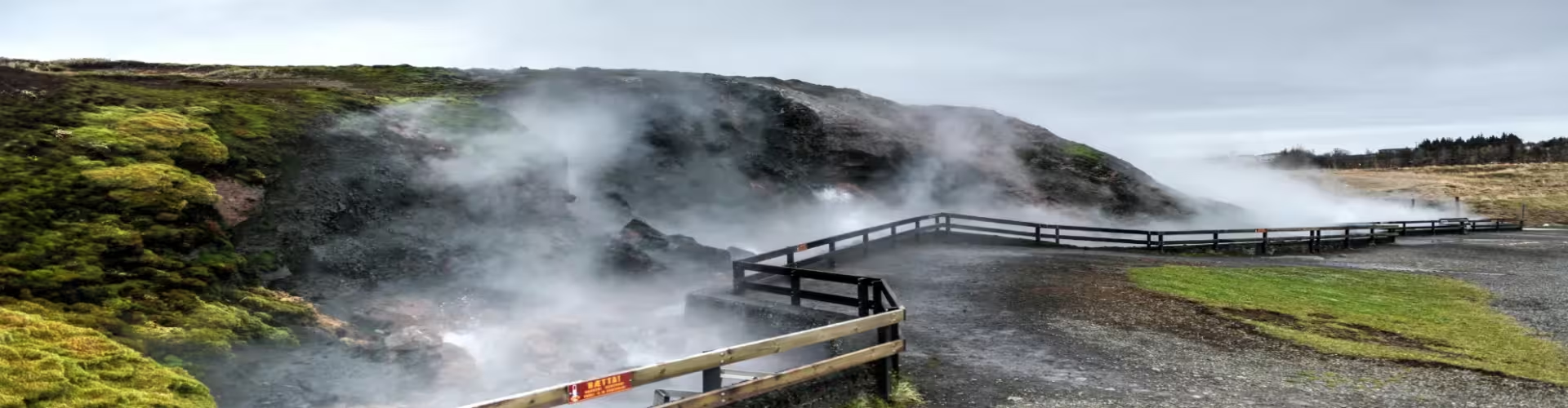
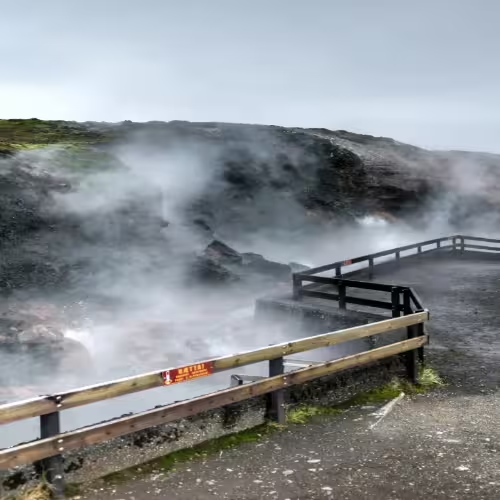
The contrast between cold spring water and geothermal heat makes Hraunfossar and Deildartunguhver a rewarding pairing. At Hraunfossar, underground springs feed cold water through the lava into the Hvítá River; Deildartunguhver brings water to the surface at 100°C, so the latter belongs on a sightseeing plan rather than a swimming plan.
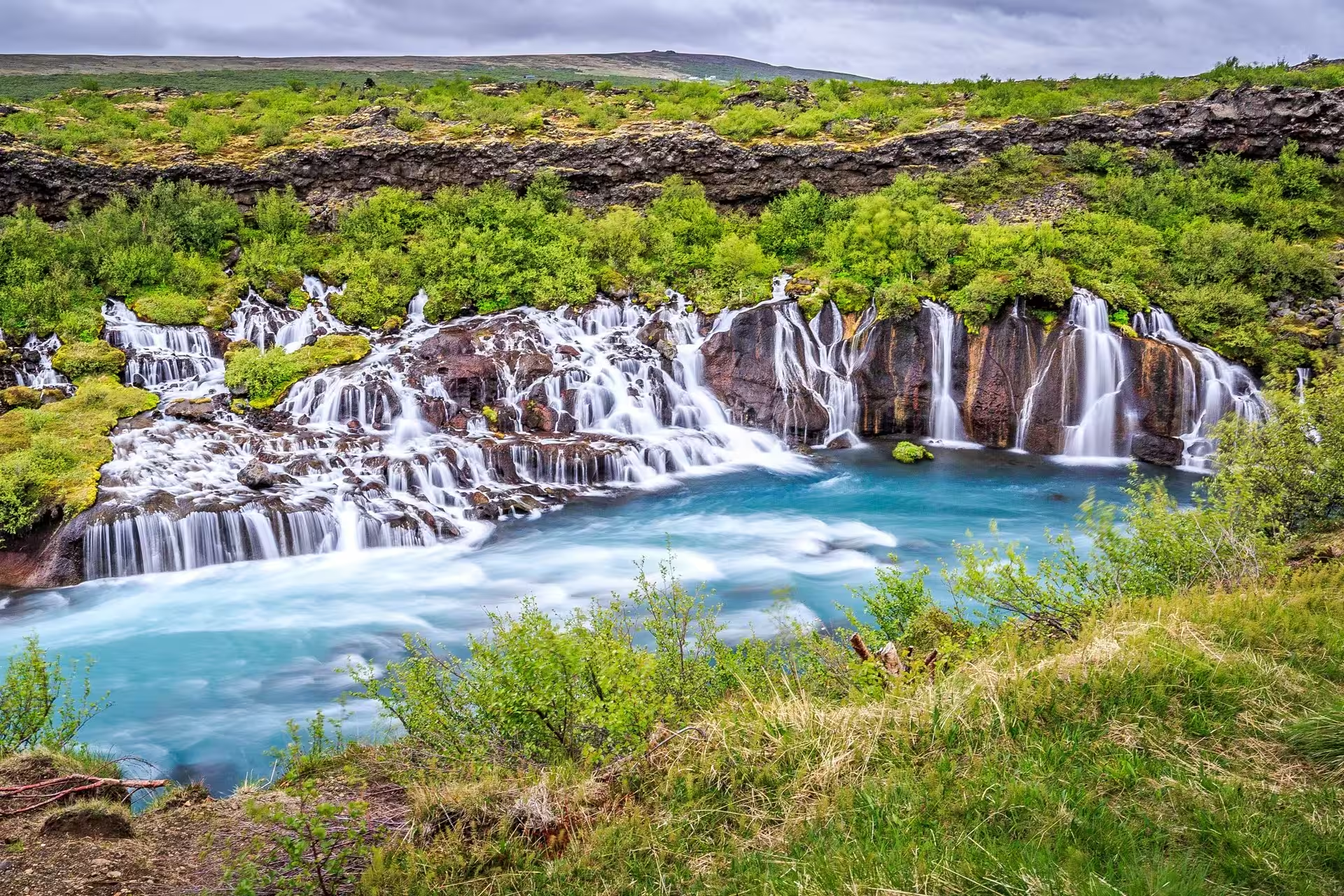
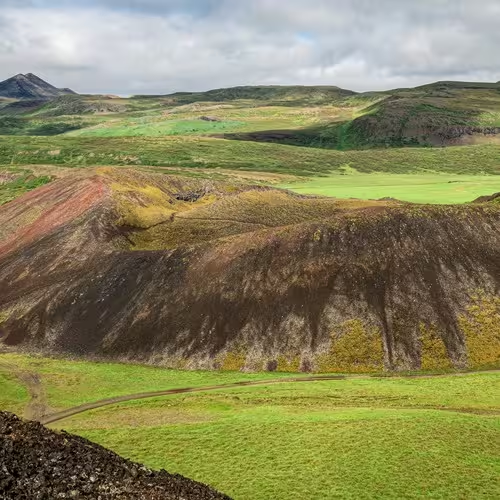
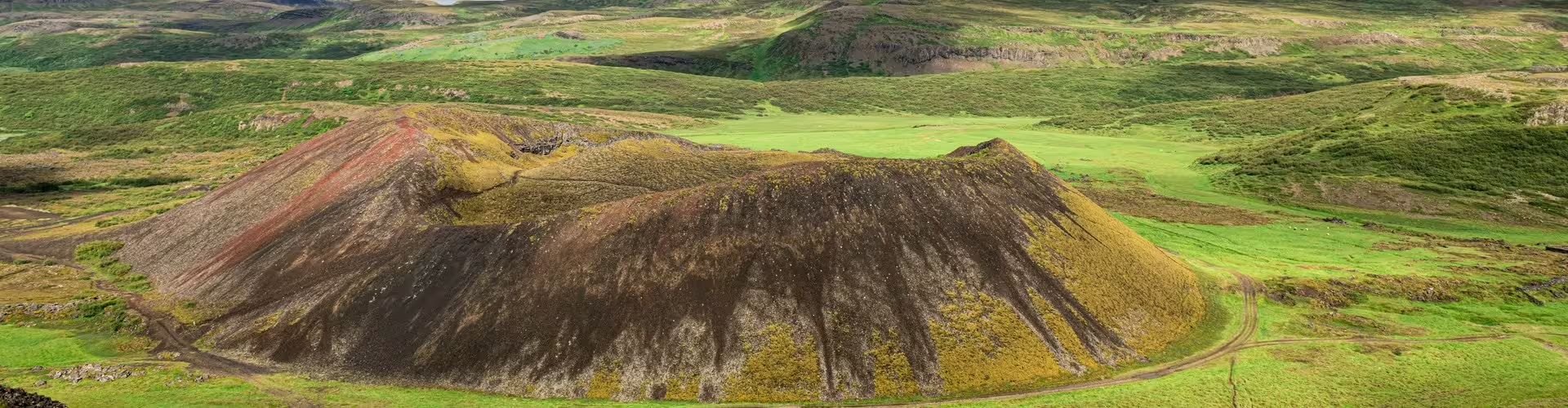
Hallmundarhraun gives the lava scenery a wider context, having formed through an eruption near Langjökull. For a change in what you look at, Húsafellsskógur offers birch woodland, while Baula’s volcanic outline has the shape of a pyramid.
If glaciers, hot springs and a fjord are your priorities for a full day, the Húsafell day trip takes ten hours and includes a guide.
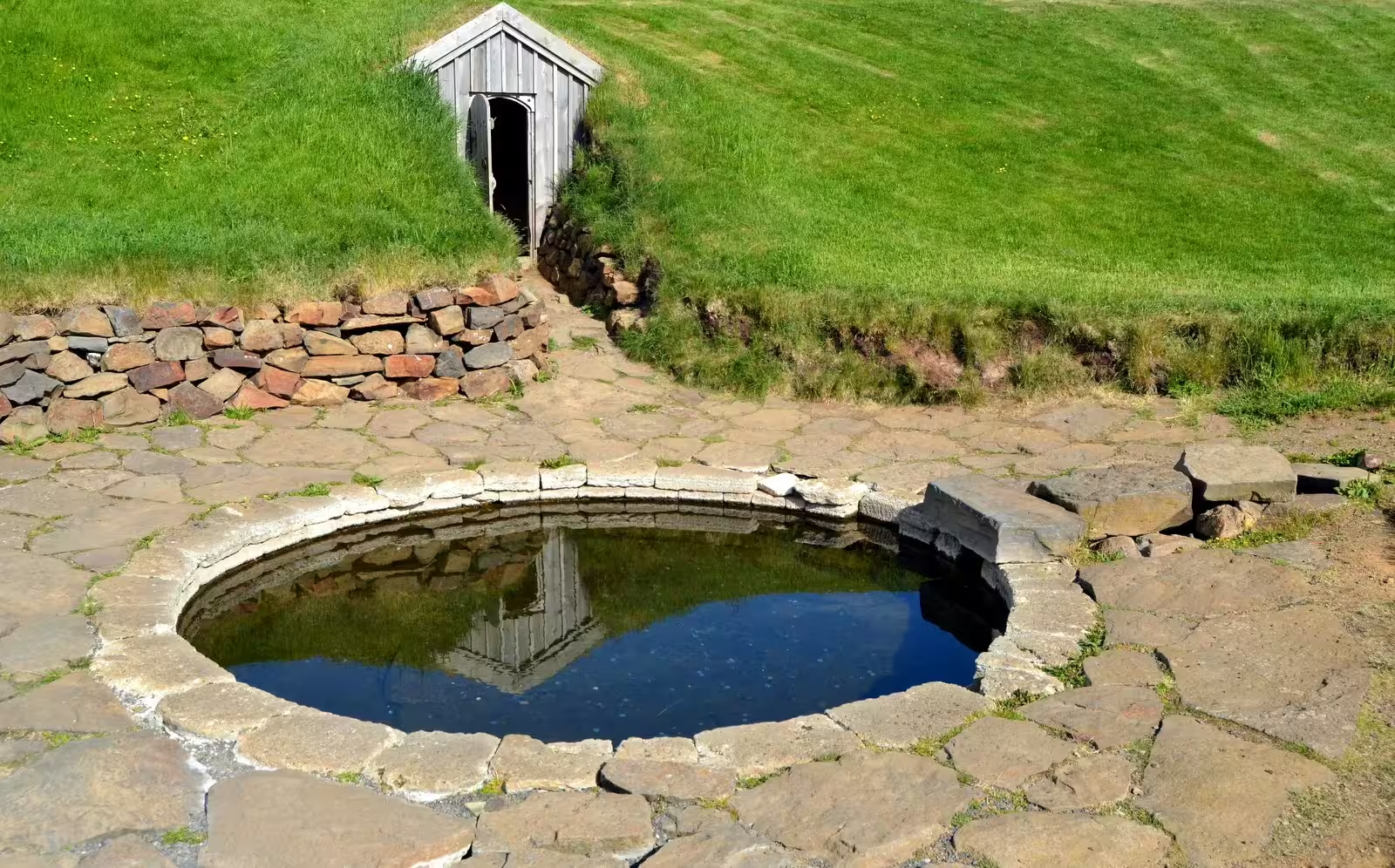
Reykholt deserves a stop for the connection between an author’s life and geothermal heritage. Snorri Sturluson once lived here, and the Snorri’s Saga exhibition at Snorrastofa uses pictures and writing to tell his story. Pair that visit with Snorralaug, an old pool warmed by geothermal water, to put a physical place alongside the exhibition’s account.
Public buses provide links for Borgarnes and Reykholt, making them places to build a public transport plan around. Route 50 runs between Reykjavík, Akranes and Borgarnes, while route 81 links Borgarnes with Reykholt.
For an airport journey, route 55 connects KEF Airport with Reykjavík, which is also served by the Borgarnes route.
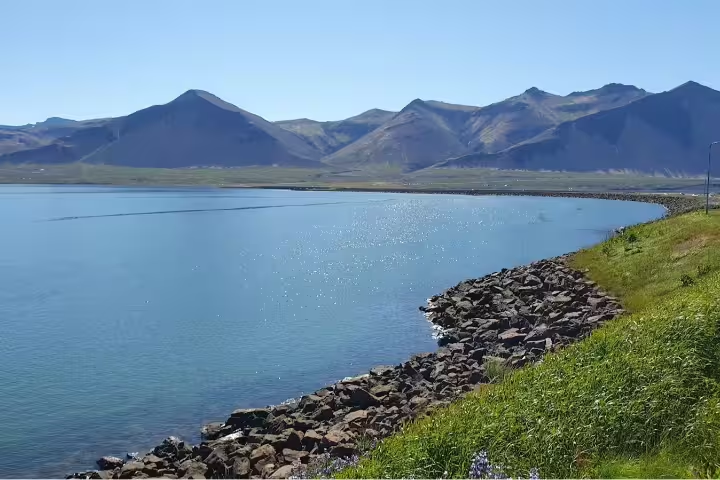
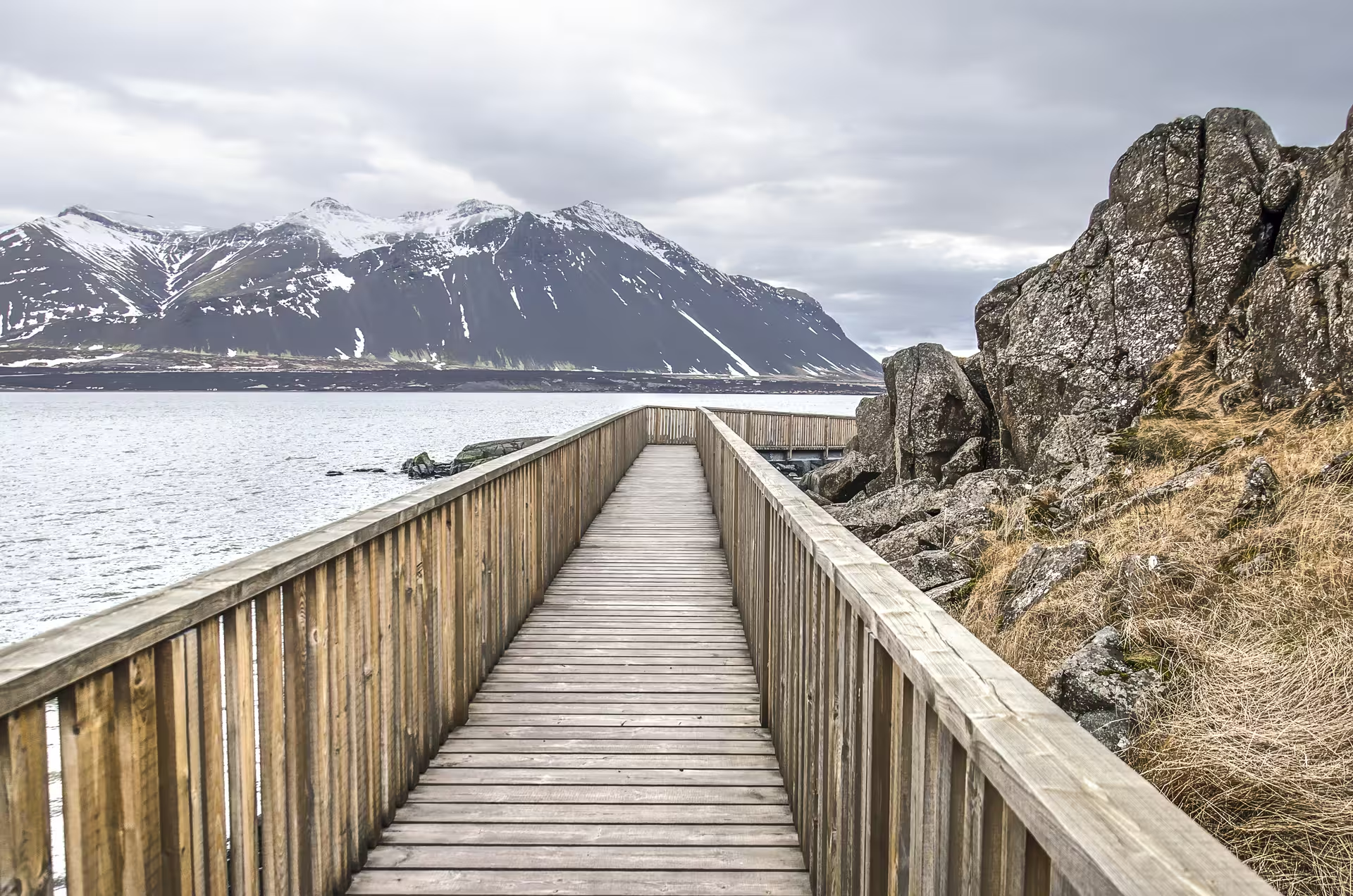
Yes. Borgarfjarðarbrú spans 520 metres, and Brákarey Island is also connected to the mainland by a bridge.
Outlaws used Surtshellir as a hideout.
Yes, the Reykholt Festival takes place annually in Reykholt. The Húsafell Stones shown at Snorrastofa are gravestones.