Last updated:


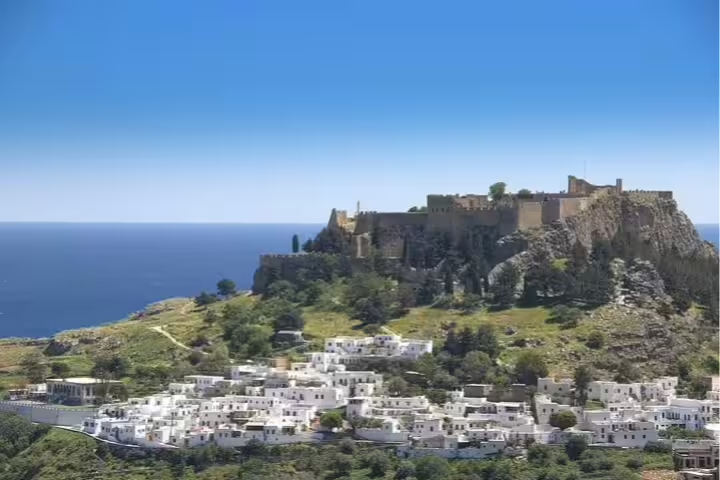
Build a Rhodes trip around the Medieval Town and Lindos, with time inland if villages and nature appeal to you. The former brings medieval buildings and a museum; the latter has an acropolis and an archaeological site.
Give the Medieval Town time for both its buildings and its museum, rather than treating it as a quick stop. UNESCO recognised the town as World Heritage in 1988. Its northern Castello once held the Knights' residences, hospital and administration, while the southern Burgus centred on trade and synagogues.
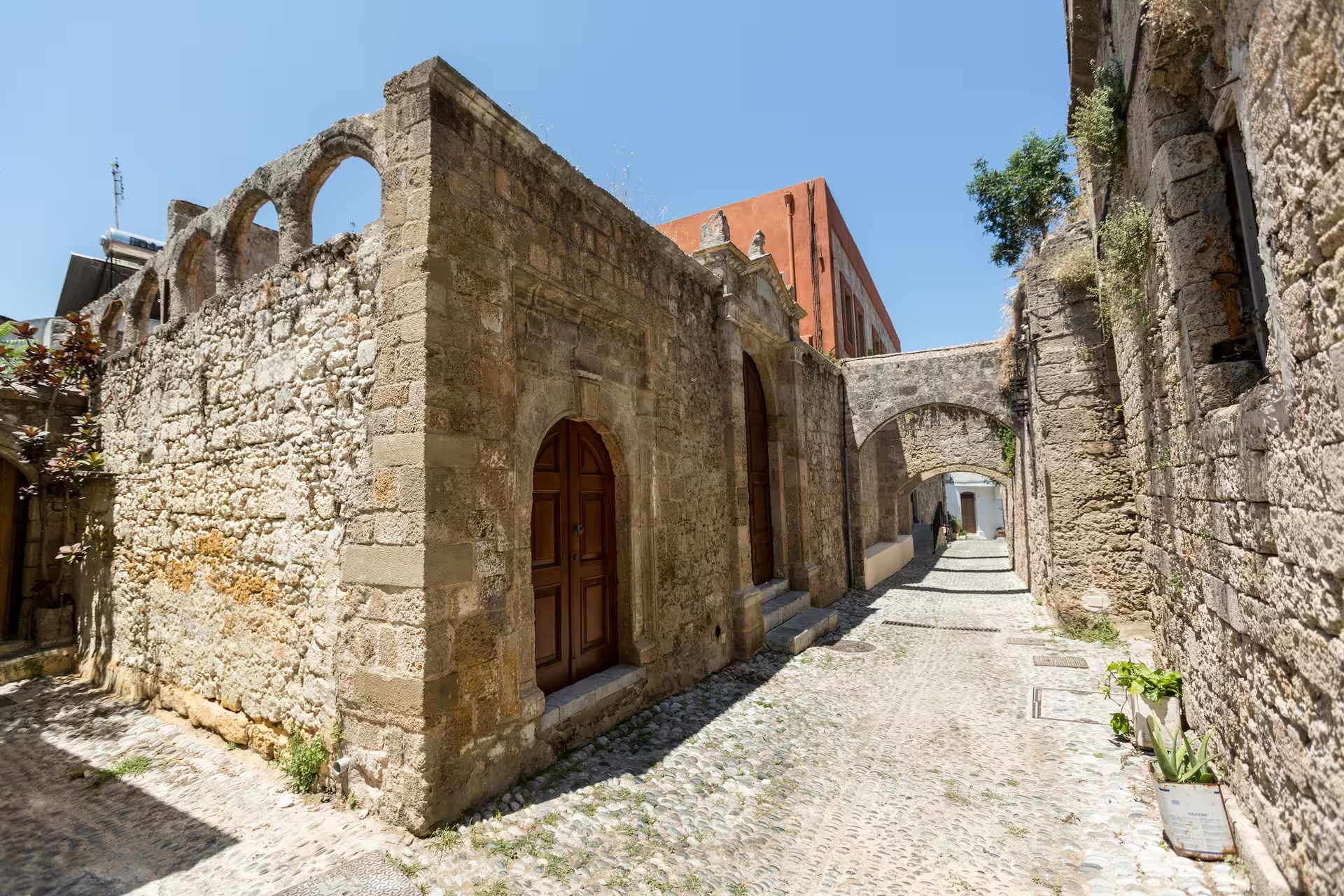
The Archaeological Museum occupies what was once the Hospital of the Knights. For another chapter of that history, the Palace of the Grand Master was a 14th-century construction of the Knights Hospitaller. A walk along a section of the medieval walls covers about 1 km, and the walls themselves run for some 4 km around the town.
The private Rhodes evening tour with sunset views and night lights lasts 5 hours and includes a private vehicle, driver and guide. Its inclusions cover a sunset stop at Monte Smith Hill, guided visits to Mandraki Harbor and the New Market area, and a guided walk through Rhodes Old Town.
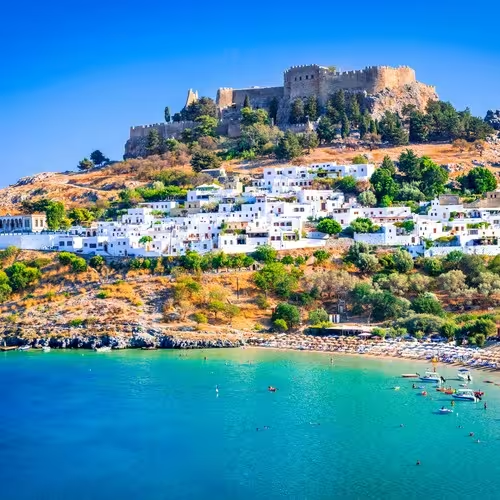
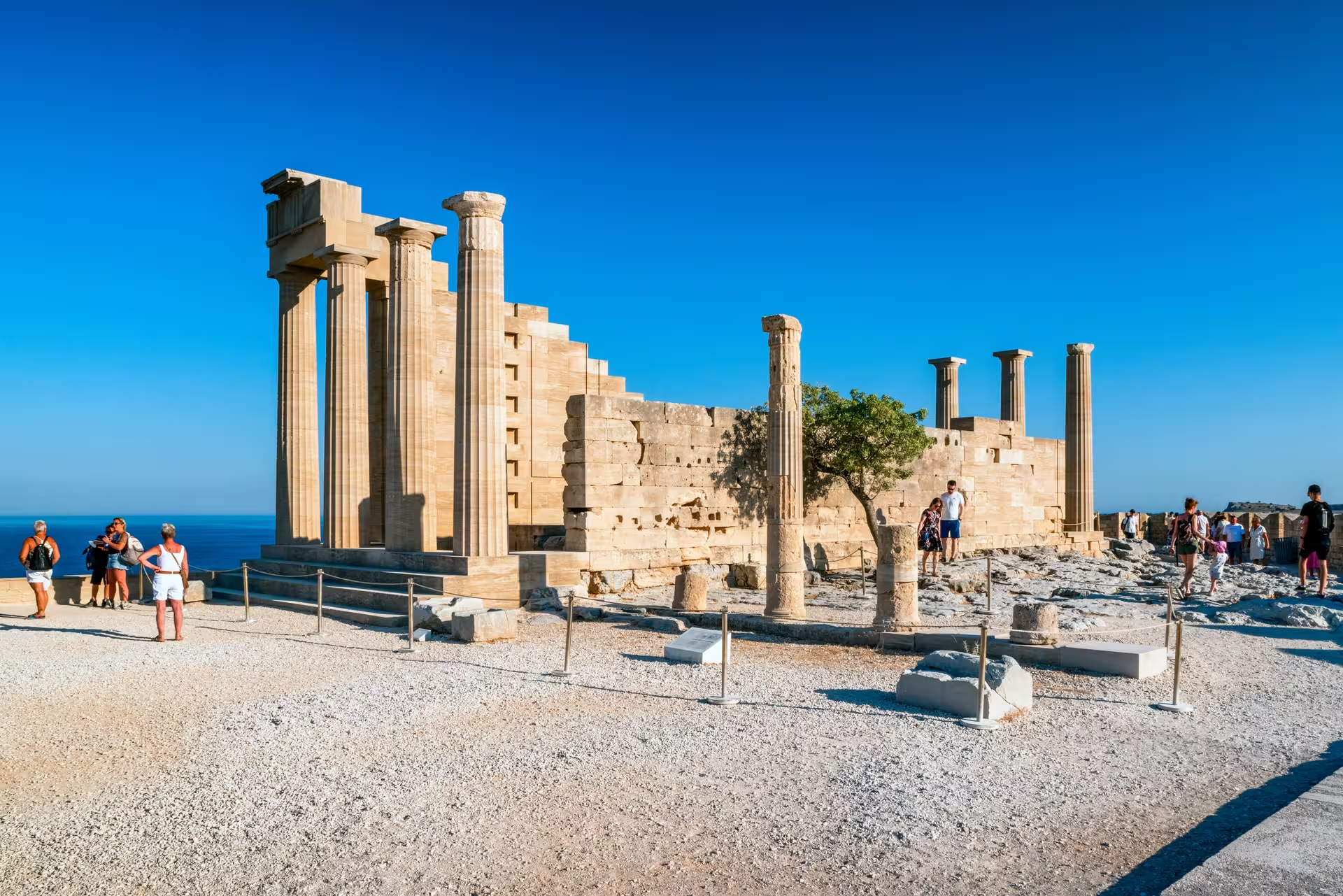
Three days gives you a practical outline: a day for the Medieval Town, a day for Lindos and a day for the interior. In Lindos, pair the acropolis with the ancient theatre, whose seats were cut into the rock, and the so-called Tomb of Cleoboulos, a circular Hellenistic monument on the headland. The acropolis retains temple ruins and a sanctuary dedicated to Lindia Athena.
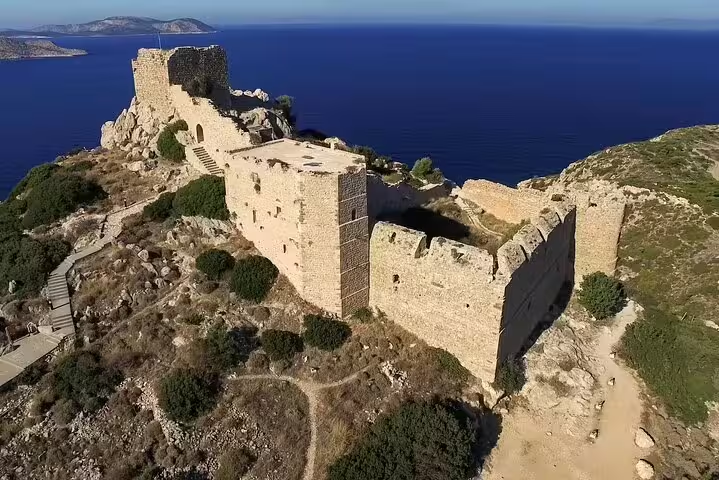
For the inland day, let the traditional villages, springs, orange groves and slopes planted with vines set the focus. The Valley of the Butterflies offers another nature-focused outing, through a green canyon about 1 km long. A west-coast excursion can replace that inland day if beaches and castles appeal more. The private Rhodes west-coast tour with beaches, castles and views lasts 7 hours, with a private vehicle and driver, plus honey and souma tasting in Sianna Village.
May, June, September and October bring warm weather with fewer crowds, while July and August are the hottest and busiest months. If you want to see the Jersey tiger moths in the Valley of the Butterflies, go between June and September, with August usually the peak. That is when this species appears in the valley, so plan that outing around the seasonal interest rather than the canyon alone. Rhodes has a long-term annual mean temperature of around 19 °C.
Public buses link Rhodes Town with Lindos and most coastal villages, and taxis and rental cars make the interior easier to reach. For village visits without driving, a tour with private transport is a simple option. Rhodes is about 80 km long and 38 km across at its widest, so plan island excursions as full or half days separate from your time in the Medieval Town.
The private Rhodes tour with wine tasting and medieval villages lasts 6 hours and includes private transport with a professional English-speaking driver. It includes tastings at Rhodian wineries, honey and souma tasting in Sianna Village, and a sunset wine tasting at Monolithos or Kritinia Castle.
For a history-focused stay, make the Medieval Town your base. That puts the museum and medieval heritage at the centre of your plans.
Diagoras International Airport is in Paradisi, 15 km from Rhodes Town.
Flying from Athens to Rhodes takes about 40 minutes.
Travelling by sea from Piraeus to Rhodes takes between 12 and 17 hours.
A village on Rhodes hosts the Honey and Souma Festival each August.