Last updated:


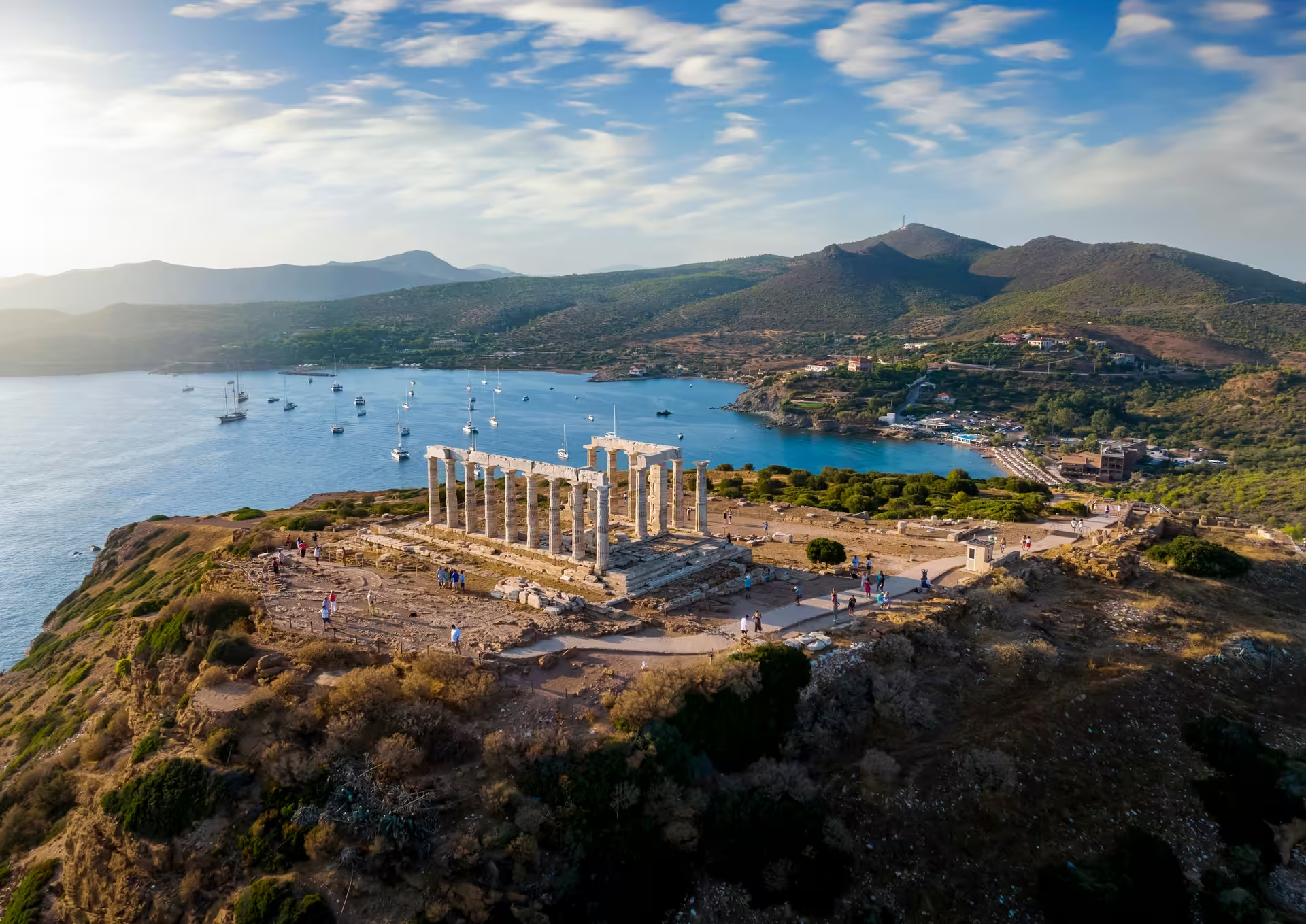
Cape Sounion suits a trip centred on ancient temples and the sea: the Temple of Poseidon stands almost 60 metres above the water at the southern end of the Attica peninsula. Athens lies 69.5 km to the northwest, making the cape an option for a day away from the city.
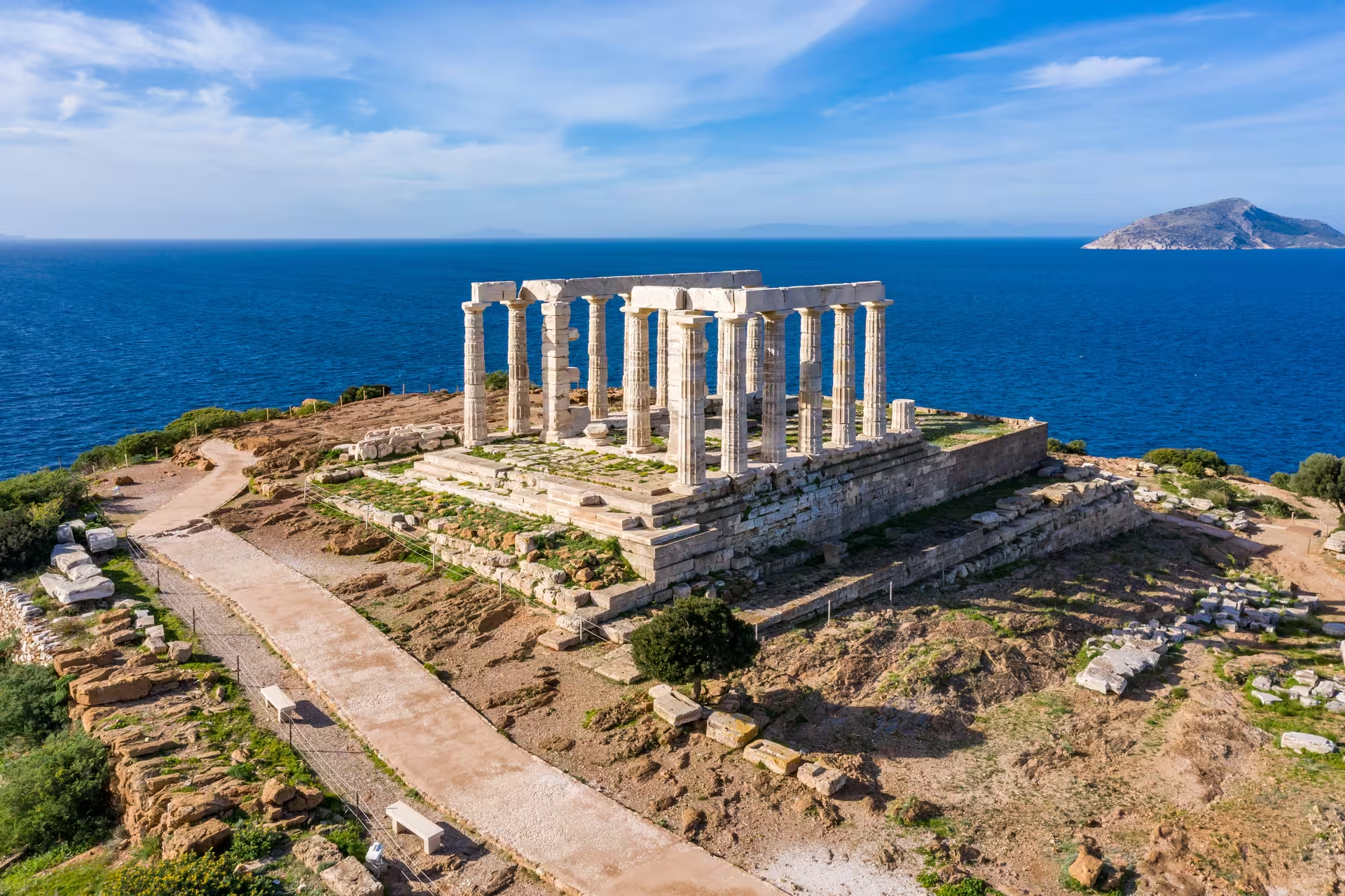
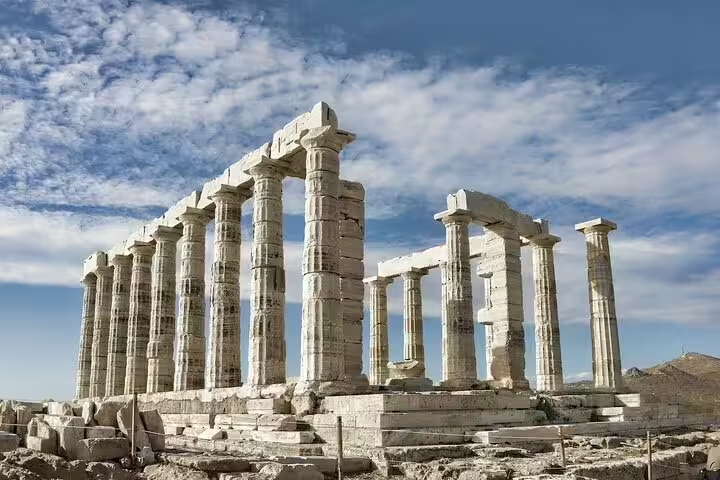
The Temple of Poseidon is the focus for a visit combining ancient architecture with the coastal setting. Built between 444 and 440 BC, it retains 15 of its original 34 columns. The columns follow the Doric order, and the temple marble came from the Agrileza quarries.
There is a literary connection too: Lord Byron's name is carved on the base of a temple column; he visited the cape in 1810 and 1811, but there is no direct evidence that he carved it himself.
For the wider sanctuary story, include the site of the Temple of Athena in your plans. It stood on a low hill about 300 m northeast of the Temple of Poseidon. Built in 470 BC to replace a sixth-century BC structure, it was demolished in the first century AD.
A private half-day tour from Athens to Cape Sounio and the Poseidon Temple lasts 5 hours and includes archaeological site entry, a private air-conditioned vehicle and a professional local driver familiar with the route and sites.
Winter suits a visit if milder weather matters more to you than dry conditions. Summers bring heat and dryness, while winters are mild but wetter. For a walking visit, that means weighing summer heat against winter rain rather than expecting the same conditions throughout the year.
The KTEL intercity bus is a public transport option from Athens, with a journey of about 1.5 to 2 hours to Sounion depending on the route and traffic. Allow for that journey when planning a temple visit from the city.
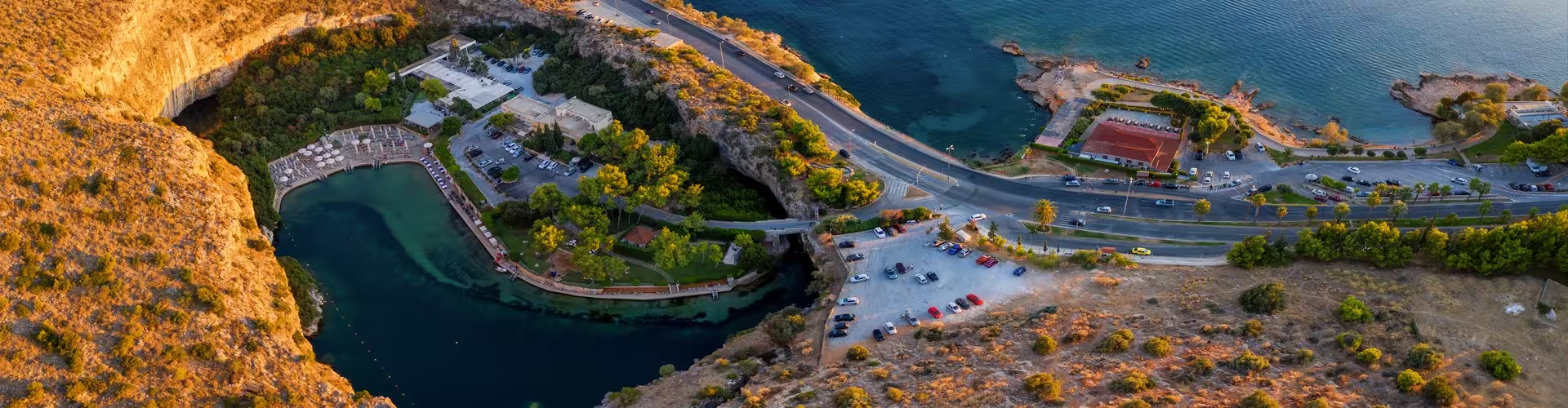
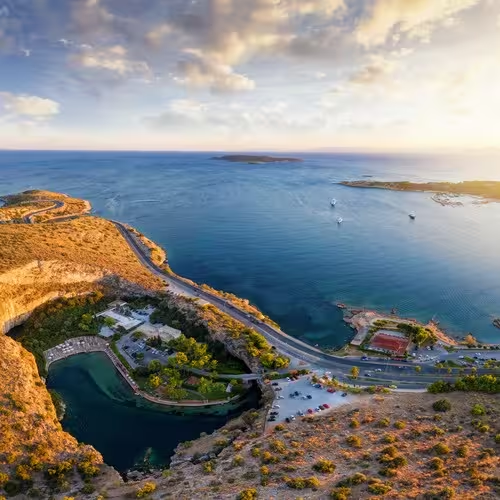
A private Cape Sounio and Temple of Poseidon tour from Athens lasts 4 hours and 30 minutes, with a private vehicle and professional driver, transport along the Athenian Riviera and a return-journey stop at Vouliagmeni Lake included.
One day is a practical plan for the cape, with the Temple of Poseidon as the focus and the Temple of Athena site adding historical context. A bus-based day needs to account for the journey from Athens as well as the temples.
An Athens and Cape Sounion full-day private tour with a meal lasts 9 hours and includes professional guiding, private Mercedes-Benz transport and a traditional restaurant dinner.
Lavrio is a nearby addition if the mining history interests you: it lies 8 km north of the cape. The Archaeological Museum of Lavrion explores the story of the Laurion mines. In antiquity, Laurium was known for silver mining, with its silver used mainly to make coins. The museum gives that subject a place in your itinerary alongside the temples.
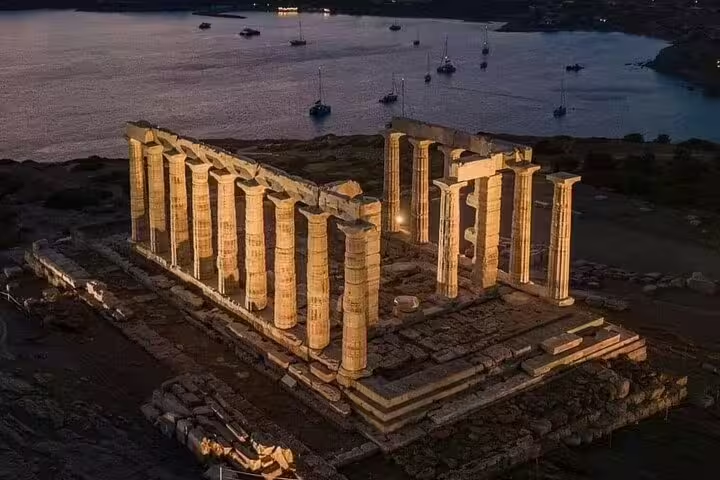
Each column measured 6.10 m in height, tapering from a diameter of 1 m at the base to 79 cm at the top.
The park was established in 1974 with a core area covering 750 hectares.
The fortress at Sounion had space for two warships in a shipshed in its northwestern corner.