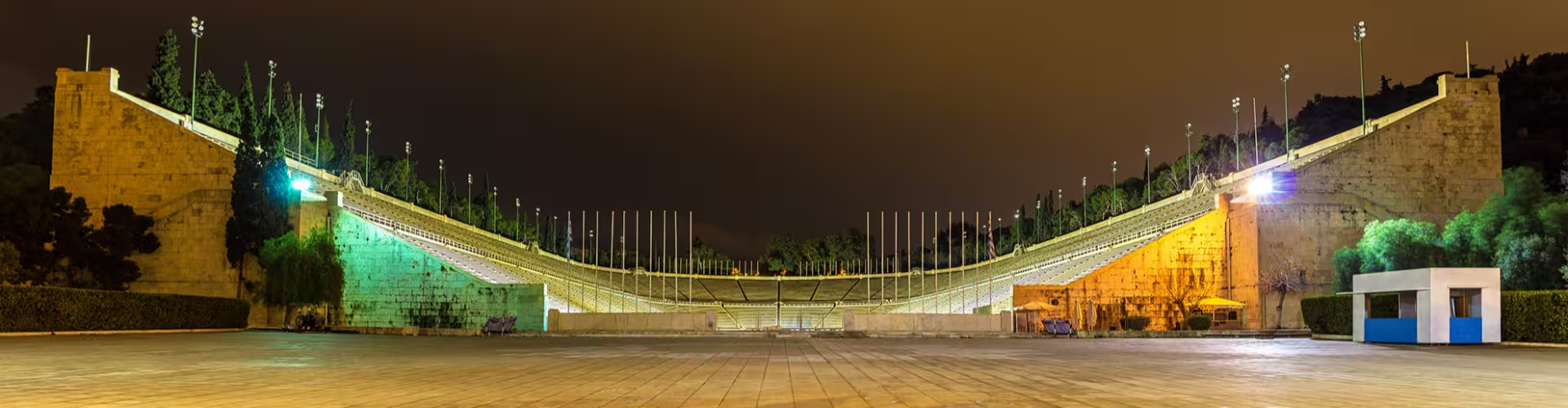


Marathon sits on the northeast edge of Attica, a place where coastal calm, rural landscapes, and big history share the same horizon. Travelers come for sea views and open space, and many stay for the sense of perspective that comes from walking through a destination tied to one of the most referenced stories in classical Greece. Use this guide to plan a smooth, practical trip that balances beaches, culture, and easy connections to the wider Athens region.
Marathon feels spacious and grounded, with a laid-back seaside mood paired with landmarks that echo ancient Greece. It is a strong pick when you want Attica beyond the city, with room to breathe and a mix of nature and heritage in one area. Go with a flexible plan, because the best moments often come from unhurried coastal stops and scenic drives between small points of interest.
Marathon is in Attica, northeast of Athens, and it works well as a day trip or a short base outside the capital. The main gateway hub for most travelers is Athens, using its airport and the city center as the transport anchor for reaching the wider Attica coastline. Think of the area as a bridge between Athens and the quieter side of the region, where shoreline drives and low-rise settlements replace dense urban blocks.
Seasonality here is shaped by the coast and by how travelers use Attica. Warmer months tend to bring more beach-focused visits and a livelier feel along the water, while cooler months tilt the experience toward history, walking, and a slower pace. If you want fewer crowds, aim for shoulder periods, and plan your days around daylight for scenic stops and comfortable exploring.
Greece uses the euro, and day-to-day spending in the Athens region can vary by how close you stay to major tourist zones. In Marathon, you can often keep costs predictable by choosing simple local meals and focusing on outdoor experiences like beaches and viewpoints. Carry some cash for small purchases, and keep a card as your primary payment method for larger expenses and accommodation.
Note: Experiences below are curated to help you plan without relying on specific opening hours or ticket prices.
1) Trace the story of the Battle of Marathon
The name Marathon is inseparable from the famous battle that shaped how the ancient Greek world is remembered, and it adds real depth to even a short visit. Seeing the landscape in person helps you understand why geography mattered, and why the story traveled so far beyond Greece. Practical tip: read a short summary of the battle before you arrive, then connect the facts to what you see on the ground.
2) Enjoy a beach day on the Marathon coastline
The shoreline is a big part of the local vibe, and it is where the destination feels most relaxed and contemporary. It is ideal for travelers who want a break from museums and city streets without leaving Attica. Practical tip: bring sun protection and water, and plan a late afternoon visit for softer light and a calmer feel.
3) Take a scenic drive through rural Attica
One of the pleasures of Marathon is the in-between space, the roads that connect coast, countryside, and small settlements. This is where you notice olive groves, open fields, and the slower rhythm that contrasts with Athens. Practical tip: keep your schedule loose so you can stop for viewpoints and photos without rushing.
4) Pair Marathon with an Athens day
Because the area sits within the Athens orbit, it is easy to combine big-city highlights with a quieter coastal reset. This split trip works especially well if your main accommodation is in Athens and you want a different texture for one day. Practical tip: start early from Athens to maximize daylight, then return after sunset for dinner back in the city or along the coast.
5) Visit local waterfront spots for a slow meal
Coastal destinations in Attica shine when you let food set the pace, and Marathon is no exception. A long lunch or early dinner by the sea turns the trip into something restorative, not just a checklist. Practical tip: choose a table with shade in warm months, and time your meal to avoid peak dining rush.
6) Build a “history plus nature” half day
The destination is best when you balance its historical identity with time outdoors. Even a simple plan, one heritage stop followed by coastline time, creates a full, satisfying day without overcommitting. Practical tip: wear comfortable walking shoes even if your plan is mostly coastal, because short walks add up.
7) Photograph the Attica landscape
The visual signature here is wide and open, with sea horizons and a sense of space that is harder to find in central Athens. It is a great place to capture a different side of Greece that still feels connected to classical history. Practical tip: aim for golden hour near the water, and keep a light layer for breezier moments.
8) Use Marathon as a base for nearby exploration
If you prefer quieter evenings, Marathon can function as a calmer base while you explore the surrounding Attica region during the day. This approach suits travelers who want access to Athens without sleeping in the busiest areas. Practical tip: map your must-see stops and group them by direction to reduce backtracking.
Start with a history-focused stop connected to the Battle of Marathon, so you anchor the day in what makes the destination globally recognizable. Then shift to the coast for a long beach break, a swim if conditions suit, and a relaxed waterfront meal. End with a scenic drive at golden hour, prioritizing viewpoints and short walks rather than trying to cover too many separate sites.
Day 1: Focus on the historical narrative and the landscape, then keep the evening slow with a seaside dinner. Day 2: Make the day about the Attica coastline, mixing beach time with unplanned stops, photography, and small local areas that catch your eye. Day 3, if you have it: use Marathon as your launch point for day trips across Attica, and return for a final sunset by the water.
Food in this part of Attica often leans into familiar Greek comfort dishes, fresh ingredients, and coastal simplicity. Use these ideas as a menu compass, and let seasonality guide what looks best on the day.
Getting around Marathon is easiest when you plan for flexibility between coastal stretches and inland points of interest. Walking works well for short waterfront areas and beach promenades, but distances between key places can be long, so many travelers rely on a mix of road transport and short walks. If you are using public transport from Athens, build in buffer time and confirm your return plan early, especially outside peak season.
For safety, use sun protection and carry water in warm months, because open coastal areas can feel hotter than expected. For accessibility, prioritize stops with minimal stairs and keep your itinerary simple, because a slower pace often delivers a better experience here.
Athens, often reached in about an hour depending on traffic, is the obvious add-on for major museums, ancient landmarks, and city dining. Attica coastal drives, time varies by route, are ideal when you want beaches and viewpoints without a strict plan. Nearby seaside towns, typically within a short drive, offer a change of scene and a chance to compare different waterfront vibes. Wider Attica countryside, variable travel time, suits travelers who want quieter landscapes and local rhythms beyond the capital.
Marathon sits within the wider Athens region of Attica, and many travelers visit it as a day trip. Travel time depends on traffic and your exact starting point in Athens.
A day trip works well if your main base is Athens and you want history plus a beach break. An overnight stay suits travelers who prefer a slower pace and want more time along the coast.
Bring sun protection, water, and comfortable walking shoes. A light layer is useful because sea breezes can cool things down later in the day.
A car makes it easier to connect coastal areas with inland points without stress. You can still visit with public transport, but you should allow extra time and plan your return carefully.
Many travelers come for the historical significance linked to the Battle of Marathon. Others visit for the relaxed coastline and the chance to experience a quieter side of Attica.