Last updated:


Berat rewards a visit built around its castle, Mangalem and Gorica. Mangalem sits below the castle hill, while Gorica occupies the left bank of the Osum. Berat gained UNESCO recognition in 2008, with a listing covering the historic centres of Berat and Gjirokastra.
Two days make a useful plan: spend the first on the castle and Mangalem, then devote the second to Gorica Bridge, churches and mosques. That separates the hilltop visit from time spent looking at the city's religious buildings and bridge.
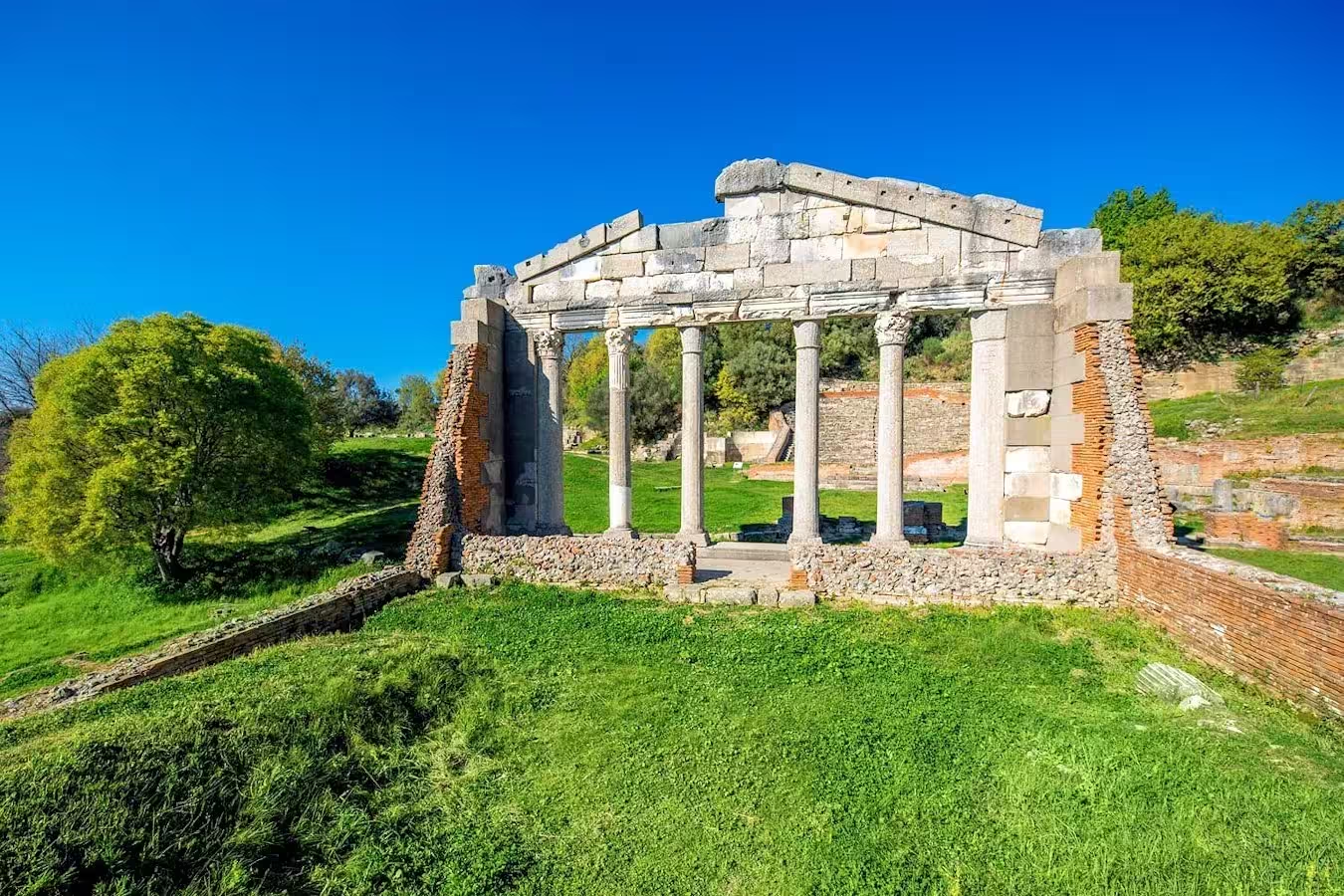
For a day trip, the Berat and Apollonia tour from Tirana lasts 12 hours and includes a licensed guide, return transport in an air-conditioned vehicle, a traditional Albanian restaurant lunch in Berat and a coffee or refreshment break near Apollonia.
For a longer itinerary, the private guided tour of Berat and Gjirokaster in Albania lasts four days, with a private guide throughout, return transport from Tirana, a Berat winery tasting, an Albanian cooking class with lunch and a specialised 4x4 vehicle where applicable.
The castle, Gorica Bridge and religious buildings give a history-focused visit its shape. Berat Castle occupies a rocky hill above the right bank of the Osum; its walls were rebuilt under Emperor Justinian I in the sixth century, and much of what stands today dates from the thirteenth century. The castle also had room for a substantial share of the town's residents.
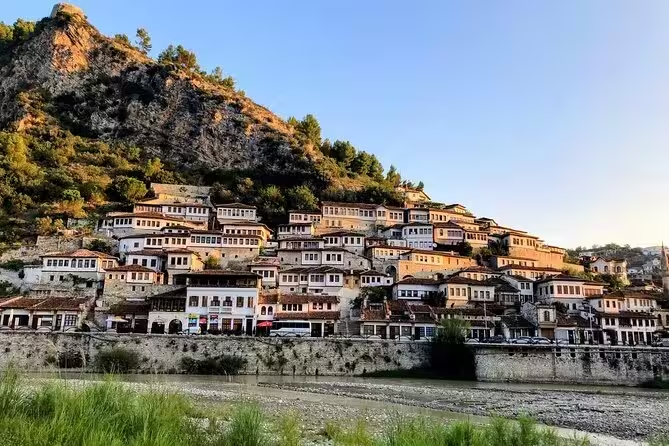
Gorica Bridge offers a different thread of history: an earlier wooden bridge stood here, and the stone bridge you see today was completed in the early twentieth century. The bridge crosses the Osum on seven arches and is about 130 metres long.
For a closer look at religious architecture, put the Church of St. Mary of Blachernae and the Church of the Holy Trinity on your list: both date to the thirteenth or fourteenth century. At the King Mosque, the ceiling is a detail worth looking for. The mosque dates to Bayazid II's reign, giving another historical reference point alongside the churches.
Plan your route to the castle from the south, its only access side. Mangalem belongs with the castle part of your itinerary because it lies at the foot of the hill; Gorica belongs with the Osum side of the visit, on the river's left bank.
Summer suits travellers happy with hot, dry weather. Berat has a Mediterranean climate, and July daytime highs are typically above 30 °C. If heat affects how much you enjoy exploring, weigh that July figure against the castle and neighbourhood visits you want to fit in.
Mangalem is a sensible area to look at for a castle-focused stay because it sits below the castle hill. Gorica is the alternative to look at if your preference is a quarter on the Osum's left bank.
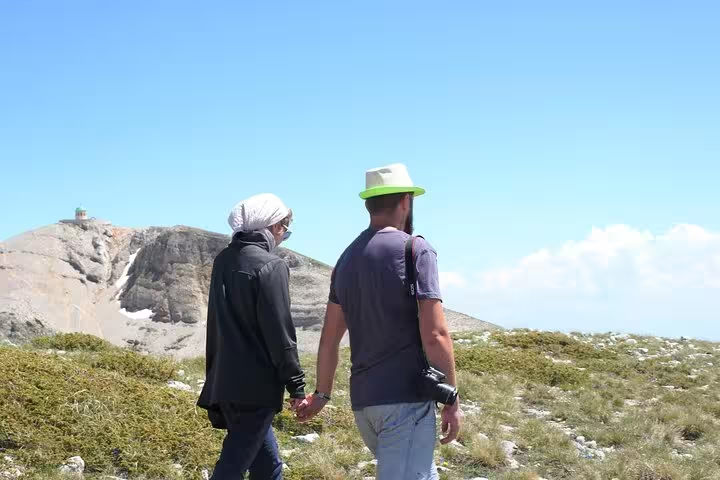
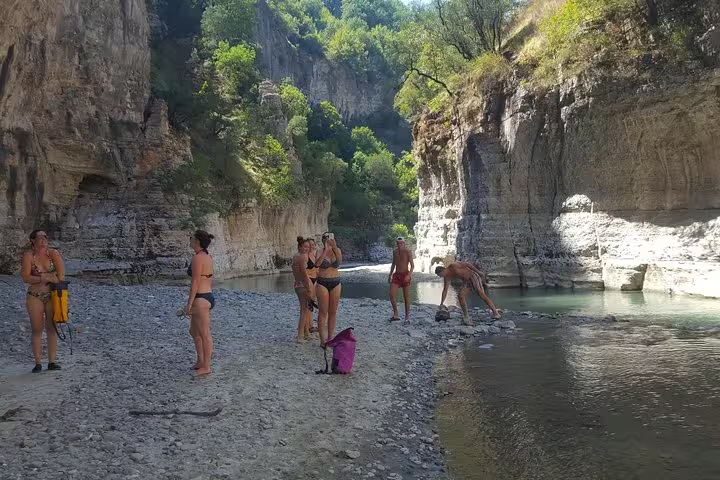
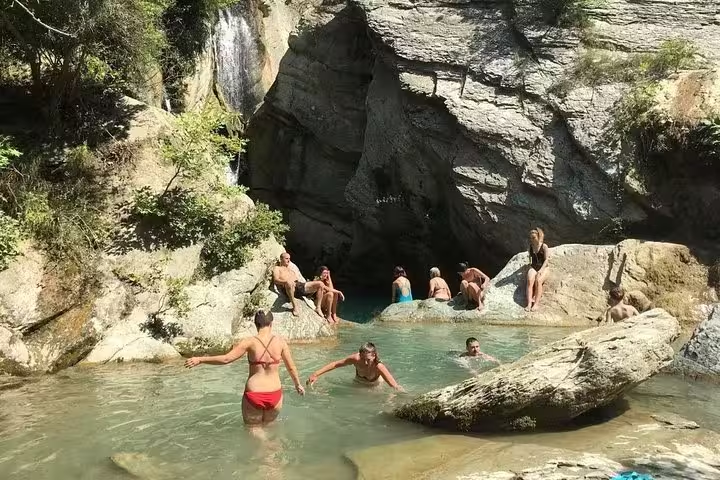
A waterfall and winery outing offers a change from the castle and monuments. The guided Bogove Waterfall and winery tour from Albania lasts seven hours and 30 minutes and includes an English-speaking guide, a guided waterfall hike, a winery tour with a behind-the-scenes visit, three local wines to taste, a glass of Albanian raki and local snacks. For a national park option, Mount Tomorr lies east of Berat and has national park status.
The distance from Tirana to Berat is approximately 70 kilometres, with Berat to the south.
1979 marked the opening of the Berat National Ethnographic Museum.
Construction of the Lead Mosque dates to 1555.