Belgrade: what to see and do
The Sava joins the Danube at Belgrade, where the Pannonian Plain meets the Balkan Peninsula. Belgrade is a national capital and covers approximately 360 square kilometres.
Things to do in Belgrade
Belgrade is known for its lively nightlife. Along the Sava and Danube banks are river barges called splavovi.
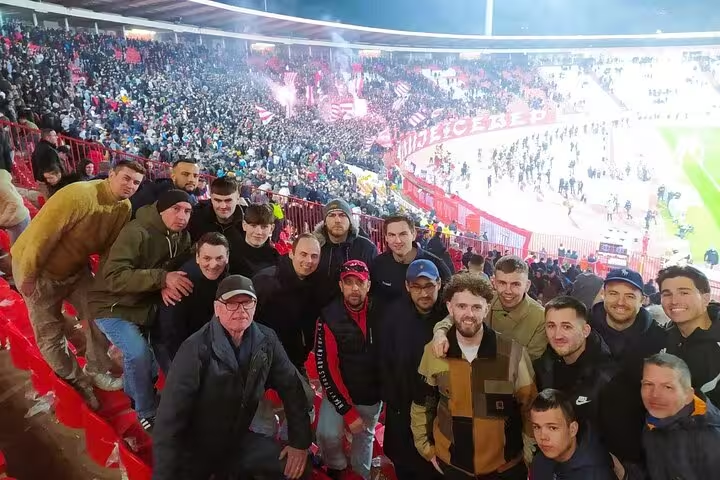
The Partizan Belgrade football match day tour with a local host lasts 4 hours. It includes a local host and guide throughout the experience, a walkthrough of fan culture before the match, and stories about the history and rivalries of Partizan.
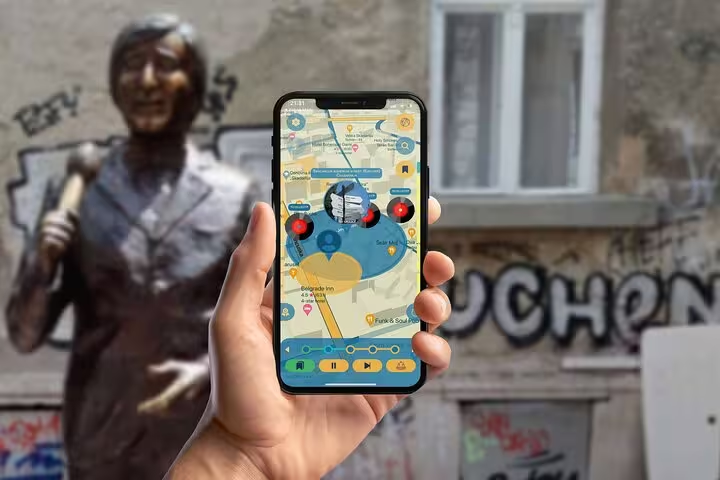
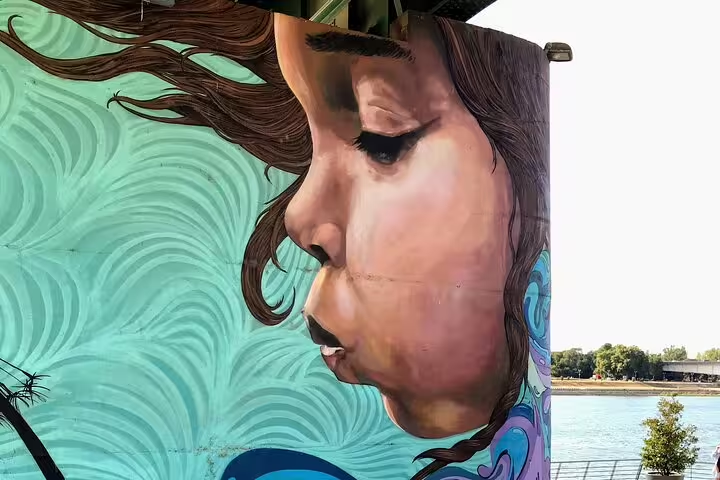
The private Belgrade street art tour exploring culture and hidden spots lasts 3 hours. It includes a private licensed local guide, a tasting of craft beer from a Belgrade brewery, handmade sweets to taste, and access to hidden galleries and alternative cultural spaces.
What to see in Belgrade
Kalemegdan forms the historic heart of Belgrade, on the right banks of the Sava and Danube. Belgrade Fortress occupies the point where these rivers meet. In 1979, the fortress received the designation of a monument of culture of exceptional importance.
Knez Mihailova is a pedestrian street and shopping area in Belgrade. Its name honours the Serbian prince Mihailo Obrenović III. Skadarlija, another visitor attraction, is a short street with a curved course. This old bohemian neighbourhood was a gathering place for artists and poets. Legal protection has covered Skadarlija as a cultural and historical spatial unit since 1967.
Saint Sava and the Nikola Tesla Museum
On the western spur of the Vračar plateau is the Church of Saint Sava. Its dedication honours Saint Sava, Serbia's first archbishop and national patron saint. Established in 1952, the Nikola Tesla Museum safeguards belongings that were Tesla's own. Its collection contains approximately 160,000 original documents.
Zemun and the riverbanks
Zemun occupies the Danube's right bank, upstream of central Belgrade and to the north of the Sava. It remained a separate town until becoming part of Belgrade in 1934. Development of New Belgrade on the Sava's left bank connected Belgrade to Zemun. The city has 11 bridges.
Ada Ciganlija, once an island in the Sava, is a complex for sport and recreation. The Serbian government leads the urban renewal scheme known as Belgrade Waterfront, on the Sava's right bank.
From Singidūn to Belgrade
The Belgrade area saw the development of Vinča culture during the sixth millennium BC. After capturing the city, the Scordisci gave it the name Singidūn. By the first century AD, it had become Romanised as Singidunum. The city came under the Eastern Roman, or Byzantine, Empire in AD 395. Following the Ottoman conquest in 1521, Belgrade became the administrative seat of the Sanjak of Smederevo. Prince Mihailo Obrenović transferred the capital of the Principality of Serbia to Belgrade from Kragujevac in 1841.
The guided Russian Revolution history tour in Belgrade lasts 3 hours. It includes a professional guided walk, tastings of Moskva and Aurora cakes, and entry to all locations on the walking route.
Djerdap Gorge and Iron Gates
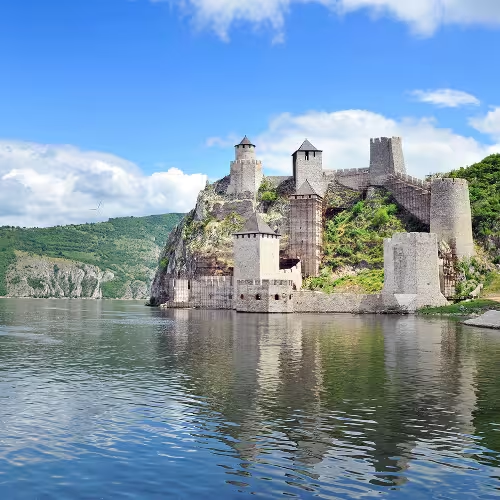
The private full day tour of Djerdap Gorge and Iron Gates lasts 11 hours. Included are private transport throughout the day, a professional licensed guide, lunch at Golubac Fortress, and guided commentary and storytelling.
Airport and climate
Near Surčin, to the west of the city centre, Belgrade Nikola Tesla Airport serves Belgrade. The climate is humid subtropical, on the boundary with humid continental conditions. Average monthly temperatures extend from 1.9 °C for January to 23.8 °C for July.
Frequently asked questions
Which rivers meet in Belgrade?
The Sava flows into the Danube at Belgrade.
Where is Belgrade Fortress?
Belgrade Fortress is at the meeting of the Sava and Danube.
What does the Nikola Tesla Museum preserve?
The museum preserves Tesla's personal belongings and approximately 160,000 original documents.
When did Zemun become part of Belgrade?
Zemun became part of Belgrade in 1934, having previously been a separate town.
What is included in the Partizan football tour?
The 4 hour experience includes a local host and guide, a fan culture walkthrough before the match, and stories about the history and rivalries of Partizan.