Varmahlíð Iceland: culture, heritage and horses
Travellers following Iceland's highway 1 stop at Varmahlíð. The bridges built across the sands of Skeiðarársandur in 1974 brought Iceland's Ring Road into existence.
Skagafjörður
Drangey is associated with the outlaw Grettir, who used it as a refuge in the 11th century, according to the saga. Hofsós, on the eastern coast of Skagafjörður, has been a trading post since the late 16th century.
Sauðárkrókur stands on the south-western shore of the Skagafjörður fjord. Borgarsandur is a beach of black sand to the east of Sauðárkrókur, stretching for almost 4 km. The Nafir above Sauðárkrókur are ancient sea cliffs. Birdlife gathers around the mouth of Héraðsvötn near Sauðárkrókur.
Things to do in Varmahlíð
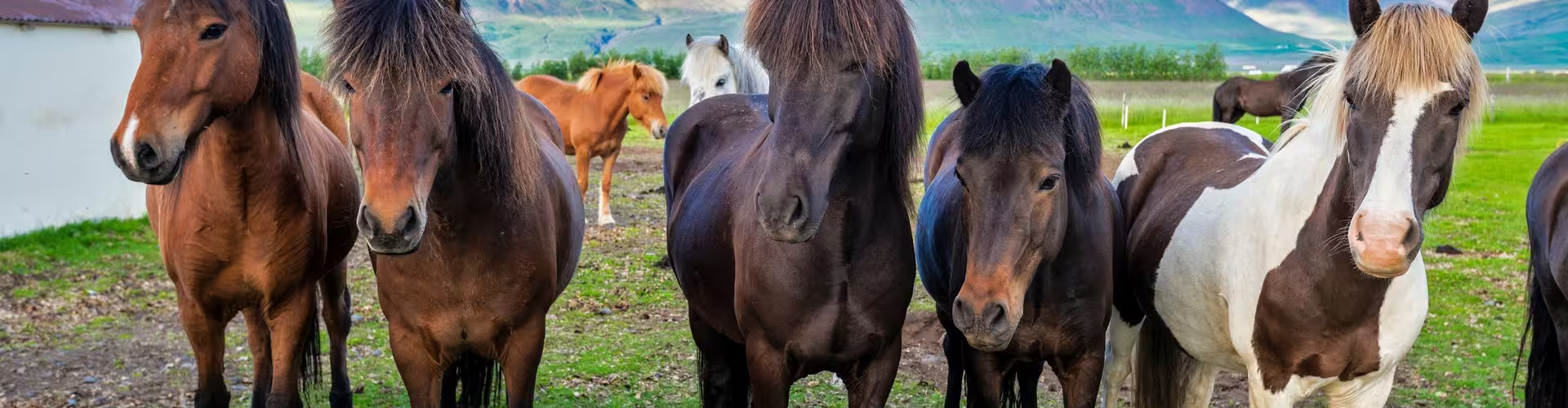
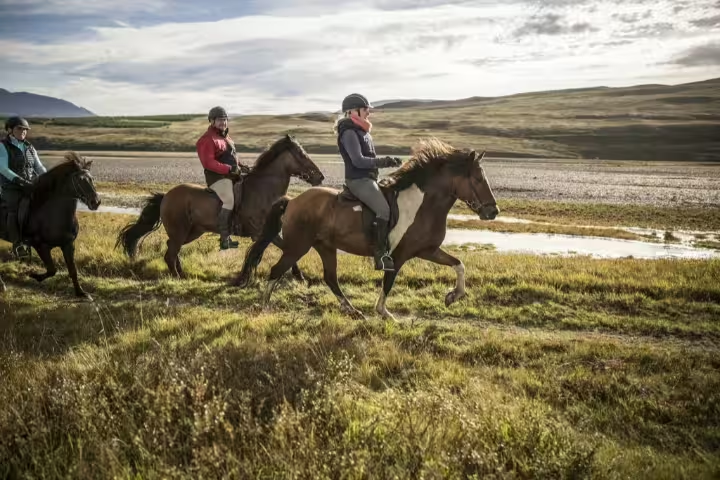
Entertainment at the Miðgarður Cultural Centre in Varmahlíð takes place throughout the year. Varmahlíð is also the home of the men's choir Karlakórinn Heimir. In Skagafjörður, the number of horses exceeds the number of people.
A private Icelandic horse experience in North Iceland lasts 45 minutes and includes a private horse encounter, a professional guide for the session, and grooming brushes and tools.
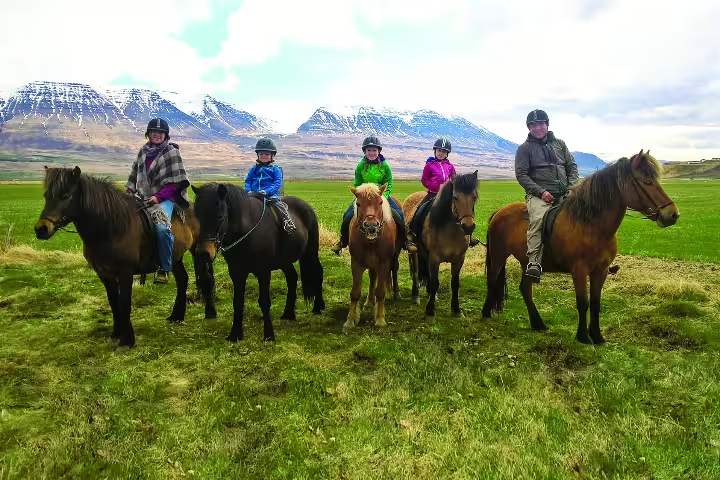
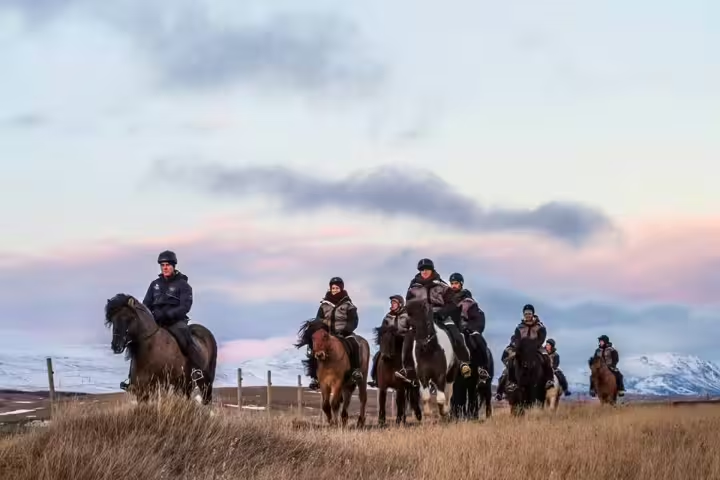
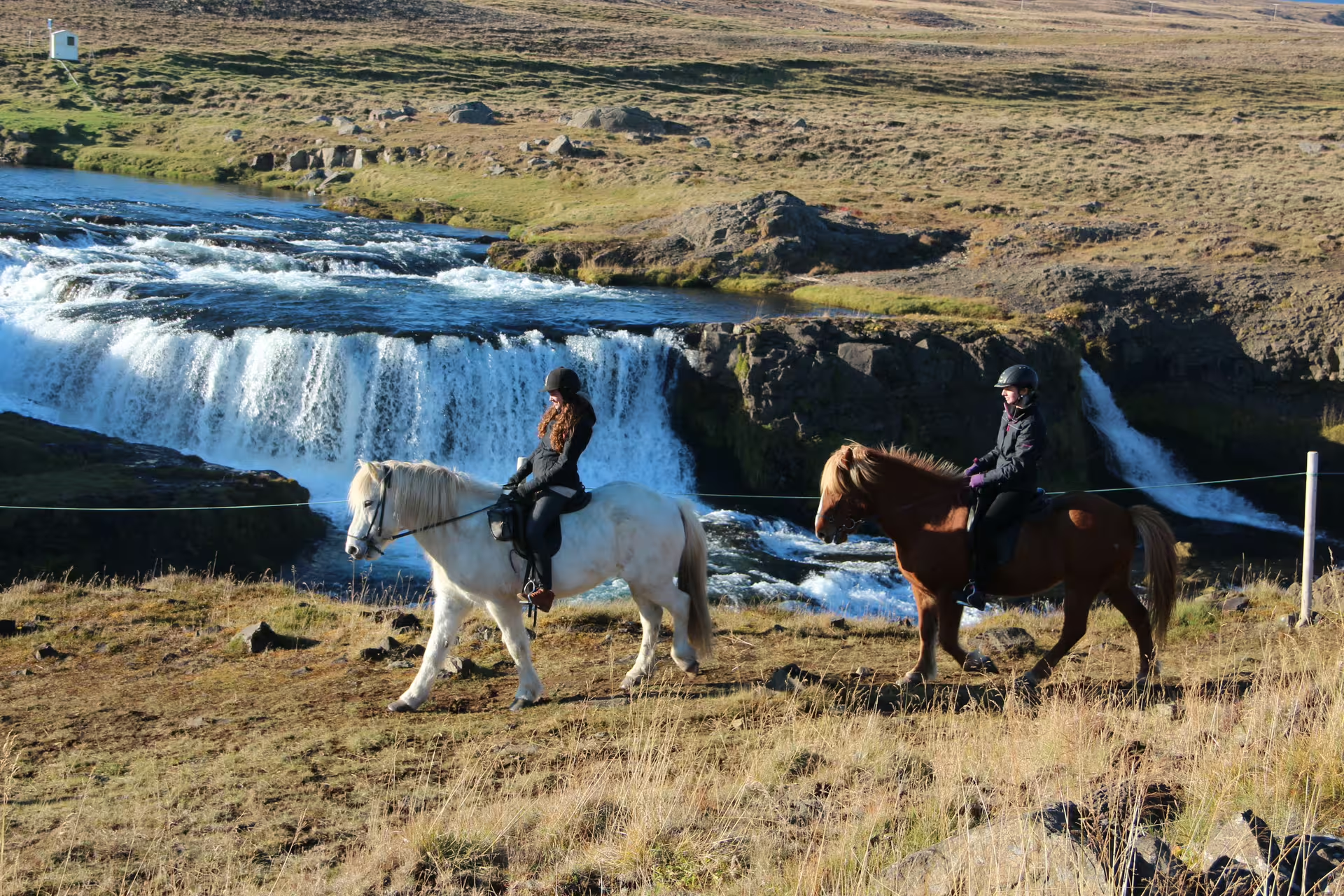
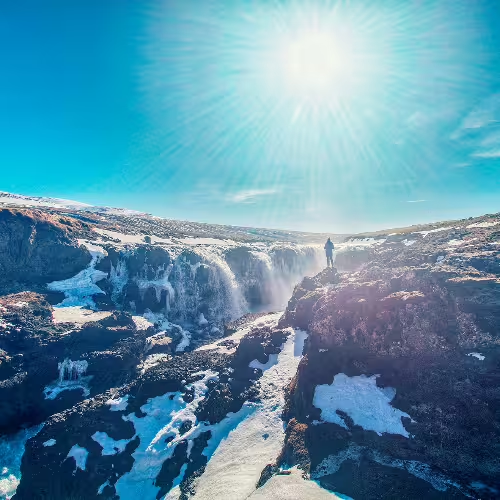
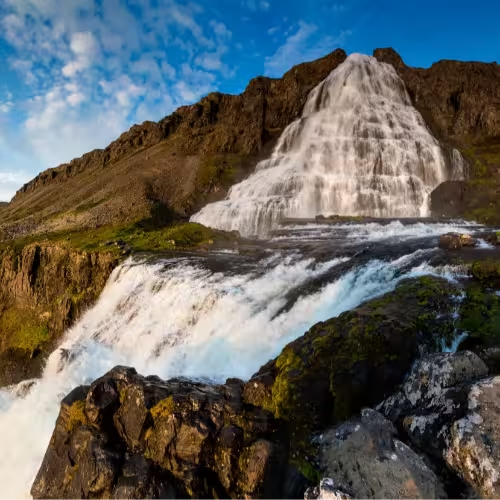
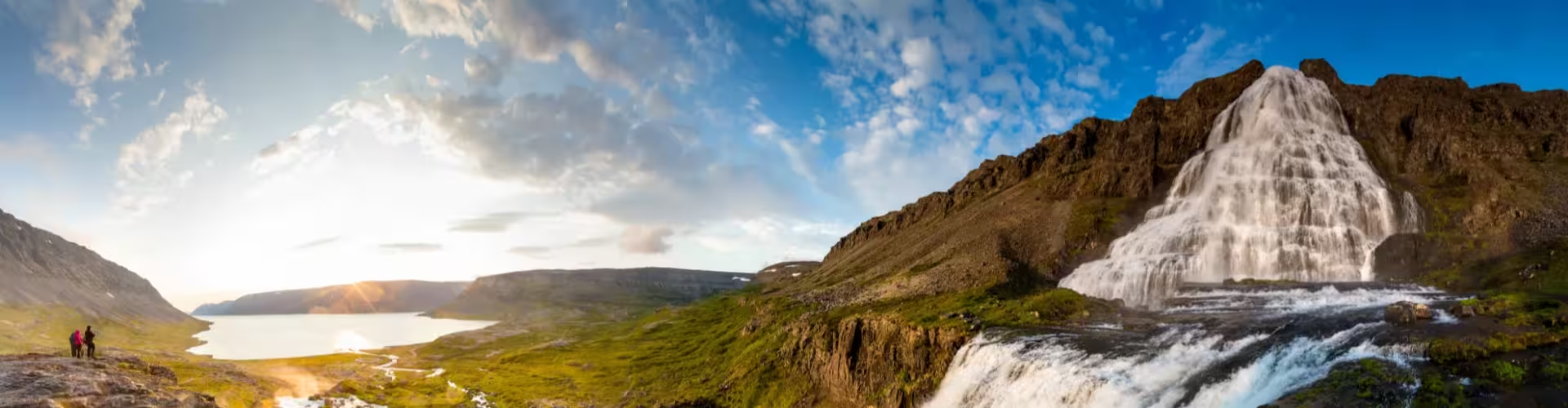
The waterfall Reykjafoss is approximately 7 km away from Varmahlíð. A horse riding tour to Reykjafoss waterfall in North Iceland lasts 1 hour and 30 minutes and includes a guided horseback ride, an Icelandic horse, a safety briefing, riding instruction and a helmet.
A waterfall horse riding tour in Skagafjörður, Iceland lasts 30 minutes and includes a guided horseback ride, an Icelandic horse, a safety briefing by Hestasport staff and access to the Reykjafoss canyon viewpoint.
Turf buildings and Icelandic history
Víðimýrarkirkja belongs to Iceland's surviving turf churches. This church at Víðimýri in Skagafjörður dates to 1834.
At Glaumbær, the turf buildings date from the middle of the 18th century through to an extension constructed between 1876 and 1879. The people living there left in 1947. With timber in short supply, the builders used stone and pieces of turf for the walls.
According to the sagas, Glaumbær was once home to Snorri Þorfinnsson, a European born in North America around the year 1000. The Age of the Sturlungs was an era in Icelandic history when the leading ruling clans fought one another in recurring armed conflicts.
Hólar in Hjaltadalur
From 1106 until 1801, Hólar in Hjaltadalur was the seat of a bishopric. Its present church dates to 1763 and was constructed with red sandstone taken from Hólabyrða mountain.
The wooden house Auðunarstofa at Hólar was originally built around 1316 and reconstructed in 2002. Printing took place at Hólar in Hjaltadalur, with interruptions, from 1530 until the end of the 18th century.
Hólar University is based in Hólar, where cultural and educational activity has continued for nearly a thousand years. Subjects taught at the school include tourism, horse breeding, riding, aquaculture and fish biology.
Frequently asked questions
What cultural activities are based in Varmahlíð?
The Miðgarður Cultural Centre has entertainment throughout the year, and the men's choir Karlakórinn Heimir is based in Varmahlíð.
How far is Reykjafoss from Varmahlíð?
Reykjafoss waterfall is approximately 7 km from Varmahlíð.
What horse experiences are available?
The linked experiences include a private Icelandic horse encounter lasting 45 minutes and horse riding tours lasting 1 hour and 30 minutes or 30 minutes.
When was the turf church at Víðimýri built?
The turf church at Víðimýri dates to 1834.
What is the church at Hólar made of?
The church is built from red sandstone sourced from Hólabyrða mountain and dates to 1763.