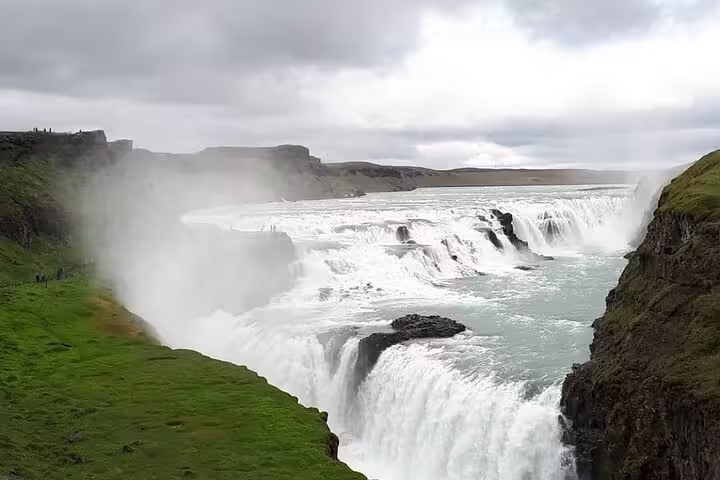
Gullfoss Waterfall is one of Iceland's most powerful and breathtaking natural wonders, located in southwestern Iceland along the Golden Circle route. This two-tiered cascade plunges into a dramatic canyon with a thundering roar, combining the Hvítá river's force with stunning Icelandic landscape. The waterfall stands as an iconic symbol of Iceland's raw, untamed beauty and attracts visitors from around the world.
What to see in Gullfoss Waterfall
Visitors should experience the waterfall from multiple viewpoints, including the upper platform offering wide vistas and the lower viewing area providing close proximity to the mist and spray. The surrounding canyon walls showcase striking geological formations, while the Hvítá river continues its journey downstream through a narrow gorge. On clear days, the interplay of light and water creates rainbows across the cascade.
Things to do in Gullfoss Waterfall
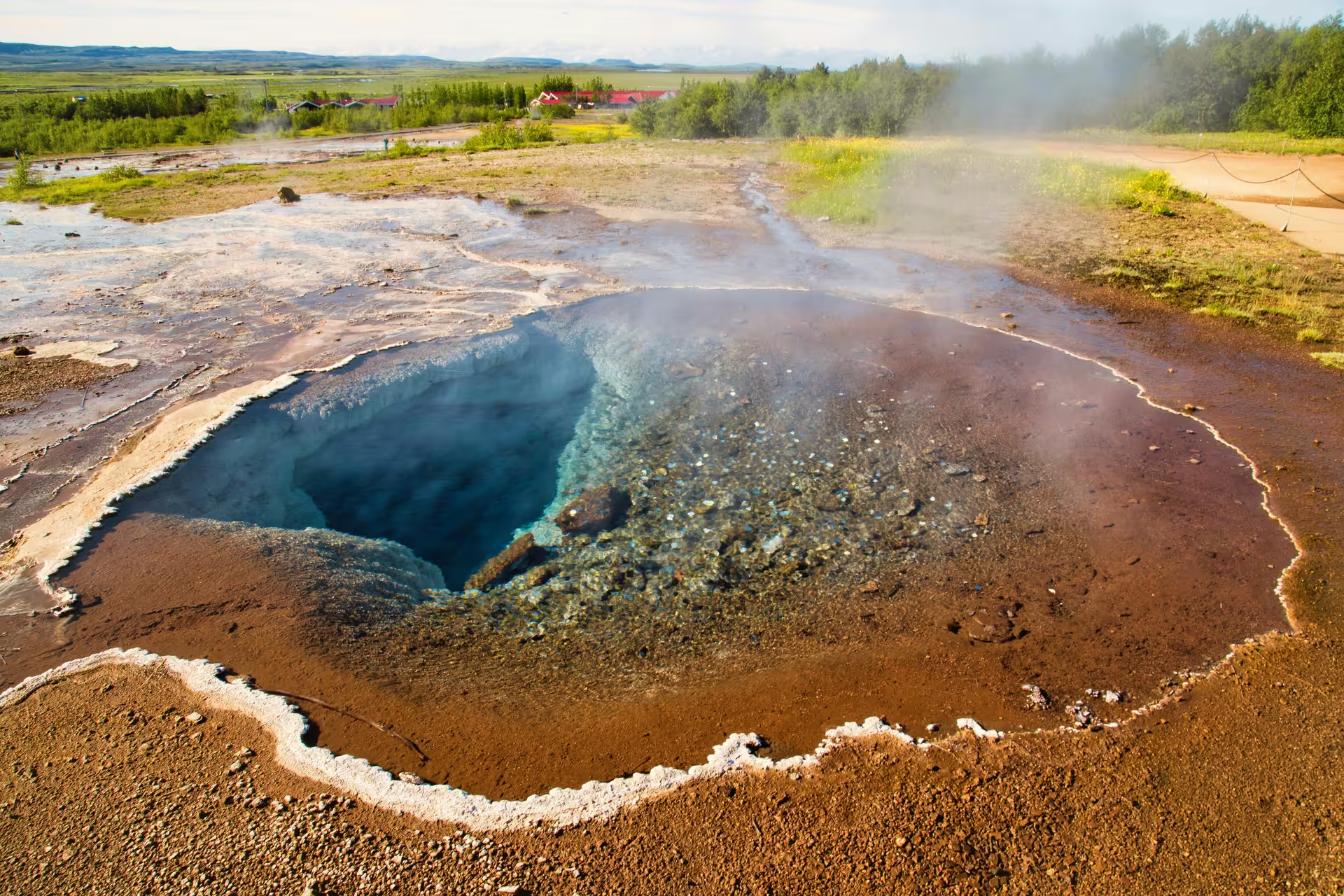
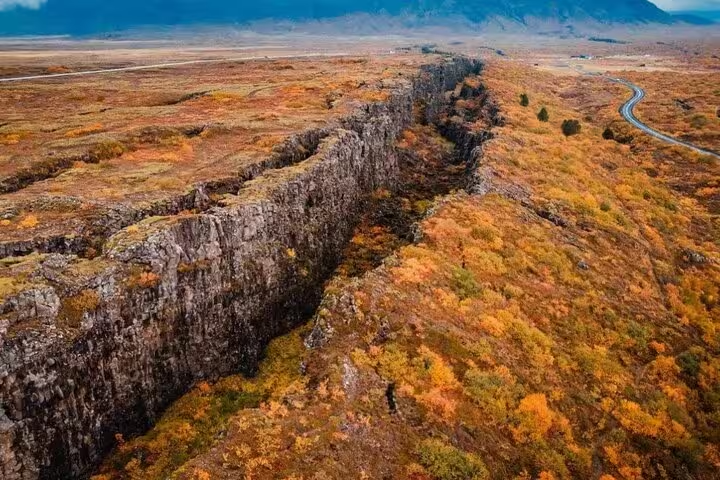
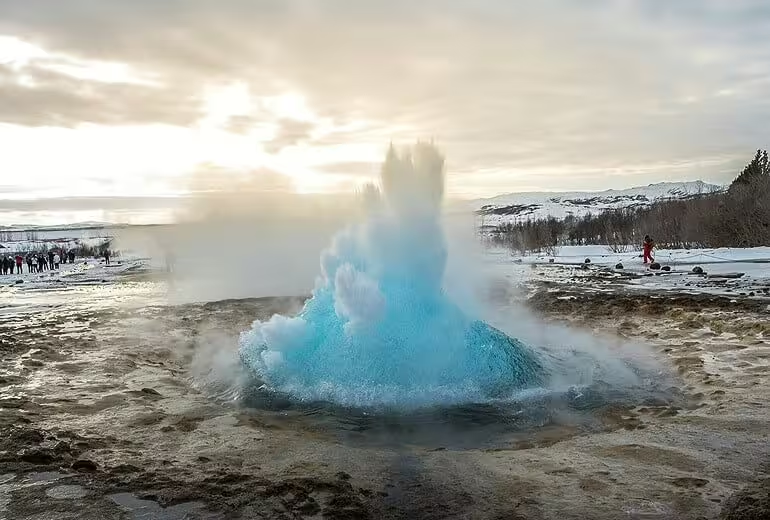
Hiking trails wind around the waterfall area, offering varying difficulty levels for all experience levels. Many visitors combine Gullfoss with nearby attractions along the Golden Circle, including Geysir geothermal area and Þingvellir National Park. Photography enthusiasts spend hours capturing the waterfall's dynamic character across different seasons and weather conditions.
Icelandic Natural Heritage and Power
Gullfoss represents Iceland's commitment to preserving its natural landmarks, as the site was nearly lost to hydroelectric development in the early 20th century. The waterfall demonstrates the country's volcanic and glacial landscape formation, with meltwater from Langjökull glacier feeding the Hvítá river. This location embodies Iceland's dedication to environmental conservation and geological significance.
Gullfoss Waterfall is located in southwestern Iceland along the renowned Golden Circle route, approximately 140 kilometers northeast of Reykjavik. The waterfall is fed by meltwater from Langjökull glacier via the Hvítá river and sits within a dramatic canyon system. Its proximity to other major attractions like Geysir geothermal area and Þingvellir National Park makes it accessible for day trips from Iceland's capital region.
Gullfoss Waterfall represents Iceland's glacial and volcanic landscape heritage. The site gained international significance through conservation efforts when it nearly became a hydroelectric development project in the early 20th century. Today, it exemplifies Iceland's commitment to preserving natural landmarks and serves as a key destination showcasing the country's geological diversity and raw natural power.