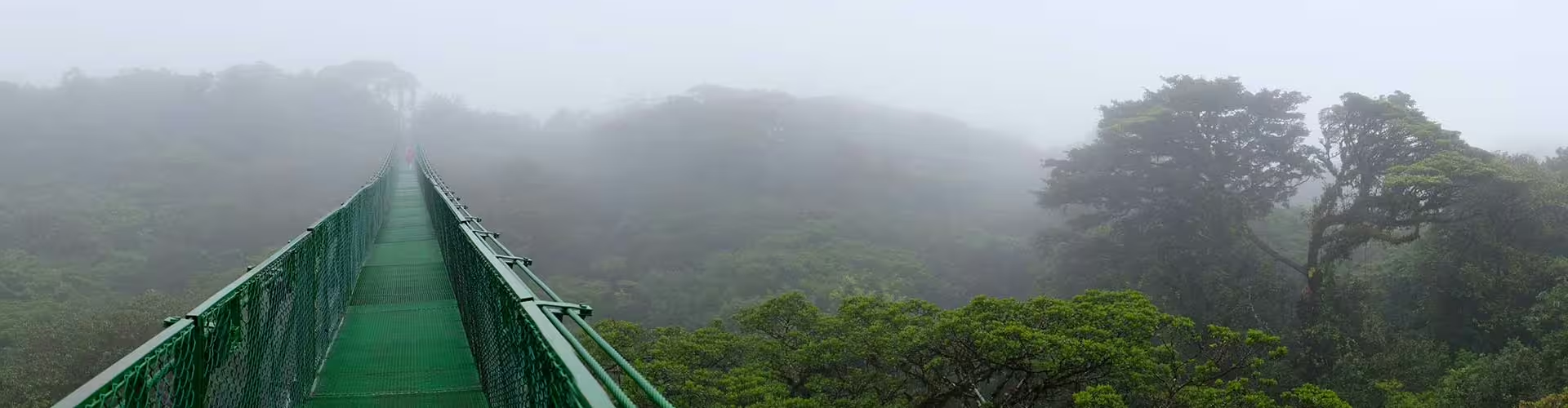
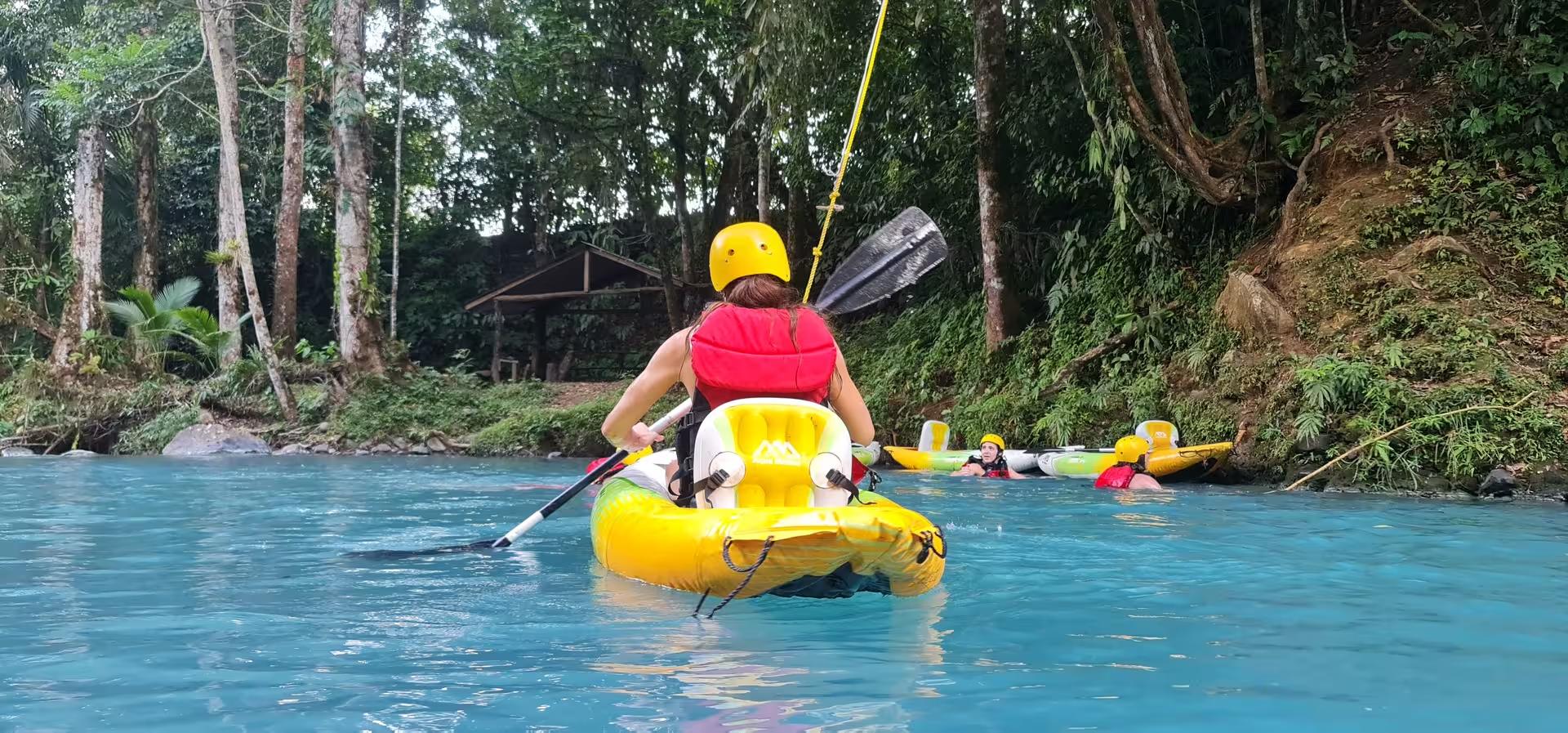
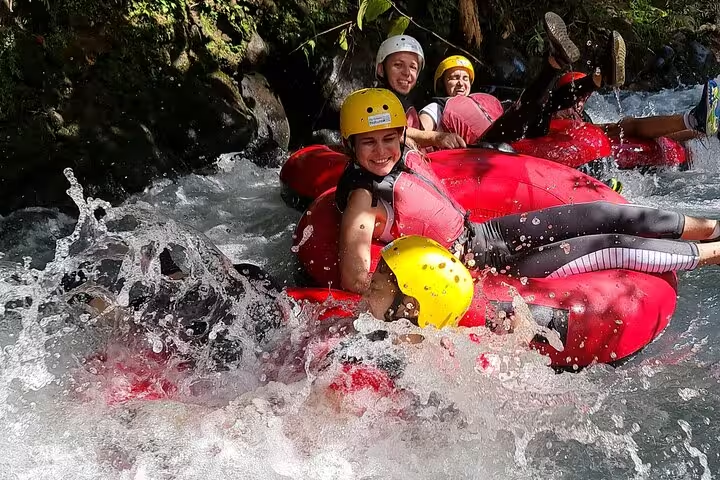
Imagine trekking through dense jungles to uncover ancient Mayan ruins, plunging into hidden waterfalls, or surfing world-class waves on pristine beaches. Welcome to Central America, an adventurer’s paradise blending heart-pounding thrills with rich history and culture. Whether you're a thrill-seeker looking for adrenaline-fueled escapades or a history enthusiast eager to immerse yourself in local traditions, this region offers unforgettable experiences.
In this guide, we’ll take you off the beaten path to explore hidden gems, provide essential travel tips, and highlight must-visit spots that showcase the best of adventure travel in Central America.
Central America boasts some of the most unique hiking experiences, from cloud forests to volcanic craters.
Q: When is the best time for hiking in Central America?
A: The dry season (November to April) offers the best conditions, with fewer rain interruptions.
Q: Are guided hikes necessary?
A: While some trails are doable independently, guides enhance the experience by sharing insights on local flora, fauna, and history.
For those who love spelunking, Central America offers hidden caves and deep canyons.
Q: Is caving in Belize safe for beginners?
A: Yes, but guided tours are mandatory to ensure safety and provide historical context.
Q: What should I bring for a canyoning adventure?
A: Water shoes, a waterproof bag, and quick-drying clothing are essential.
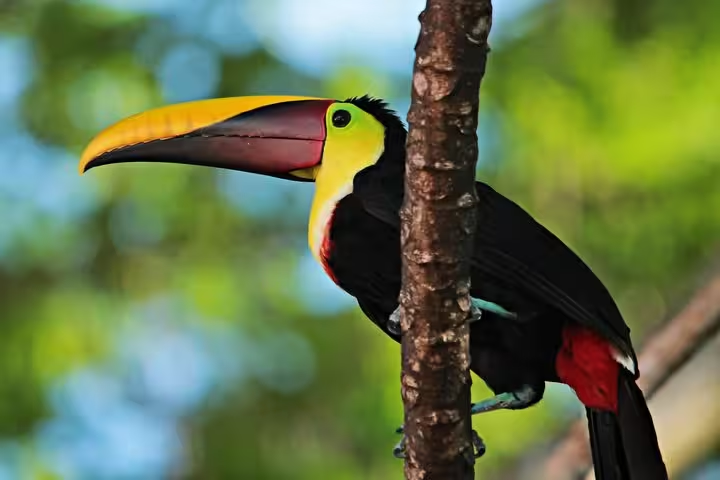
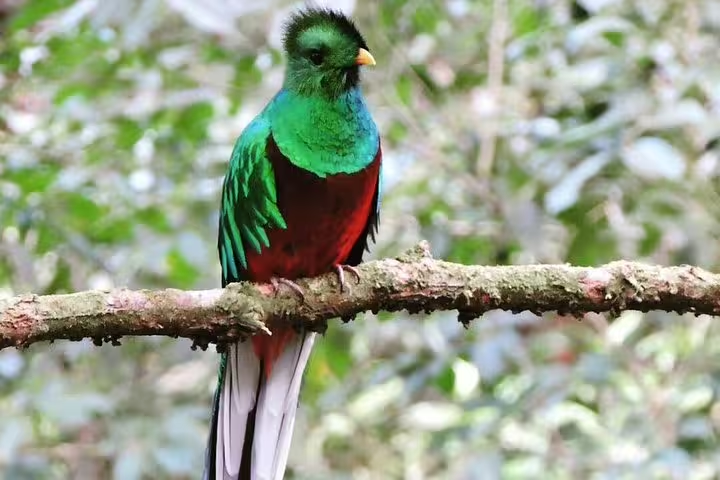
Central America is a biodiversity hotspot, home to jaguars, toucans, and sea turtles.
Q: What’s the best way to see wildlife responsibly?
A: Opt for ethical wildlife tours that prioritize conservation and avoid places that allow direct interaction with animals.
Q: Can I volunteer with conservation programs?
A: Yes! Many lodges and NGOs offer eco-volunteering opportunities.
While Tikal and Chichen Itza are famous, lesser-known ruins offer fewer crowds and a deeper connection to history.
Q: When’s the best time to visit Mayan ruins?
A: Early mornings are best for avoiding crowds and heat.
Q: Are there guided tours available?
A: Yes, and they provide fascinating insights into Mayan history and culture.
From ancient traditions to colonial influences, Central America offers deep cultural experiences.
Q: How can I experience indigenous culture authentically?
A: Stay in community-run lodges and participate in workshops.
Q: What are the best festivals to experience in Central America?
A: Semana Santa (Holy Week) and the Garifuna Settlement Day in Belize.
Q: Are public buses safe?
A: Yes, but stick to reputable bus companies for long routes.
Q: Do I need a 4x4 rental?
A: In rural areas like Costa Rica’s Nicoya Peninsula, a 4x4 is highly recommended.
Q: Are eco-lodges worth it?
A: Yes! They offer unique stays while supporting conservation.
Q: Can I find budget options in remote areas?
A: Yes, but book in advance for the best choices.
Q: Is tap water safe to drink?
A: Only in Costa Rica and parts of Panama—otherwise, stick to bottled or filtered water.
Q: Where can I find vegetarian options?
A: Most tourist areas have vegetarian-friendly restaurants.
Central America is a haven for adventure lovers and cultural explorers alike. Whether you're hiking active volcanoes, swimming in hidden waterfalls, or exploring ancient ruins, the region promises unforgettable experiences.
Are you ready to embark on your journey? Start planning today and dive into the magic of adventure travel in Central America!
1. What’s the safest country in Central America for travelers?
Costa Rica is widely considered the safest due to its stable economy and tourism infrastructure.
2. Do I need a visa for Central America?
Most nationalities get 30–90 days visa-free, but check specific country requirements.
3. What’s the best time to visit Central America?
November to April (dry season) is ideal for outdoor adventures.
4. Can I use US dollars in Central America?
Yes, in Panama and El Salvador. Other countries accept USD in tourist areas.
5. What’s the best way to meet other travelers?
Stay in hostels, join guided tours, or use travel apps like Meetup or Couchsurfing.