Last updated:


Southeastern Anatolia suits a trip built around archaeology, food and religious heritage: Göbekli Tepe, Gaziantep and Deyrulzafaran Monastery offer different reasons to visit.
Göbekli Tepe fits an archaeology-focused visit, while Gaziantep suits travellers who want food and museums together. Near Örencik in Şanlıurfa Province, Göbekli Tepe preserves a settlement occupied from roughly 9500 BCE until at least 8000 BCE. Its largest T-shaped stone pillars stand more than 5 m tall, and the site joined the UNESCO World Heritage List in 2018.
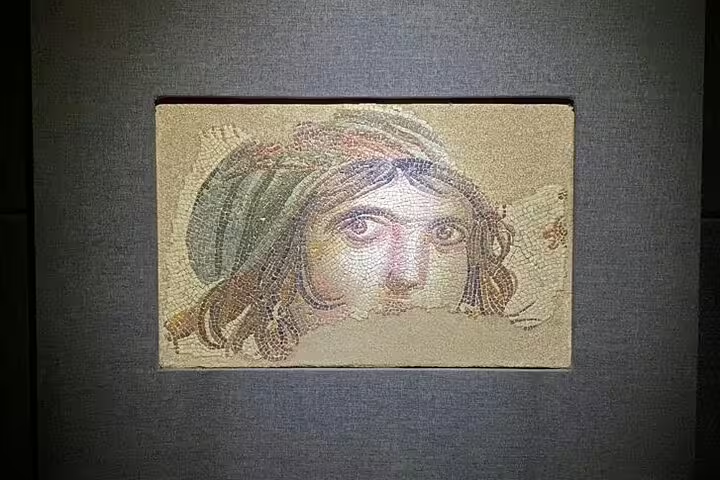
In Gaziantep, the Emine Göğüş Gastronomy Museum explores local food traditions, while the Zeugma Mosaic Museum displays objects from the Zeugma Archaeological Site. UNESCO recognised the city for gastronomy in 2015, and Gaziantep is a centre of Turkish pistachio growing.
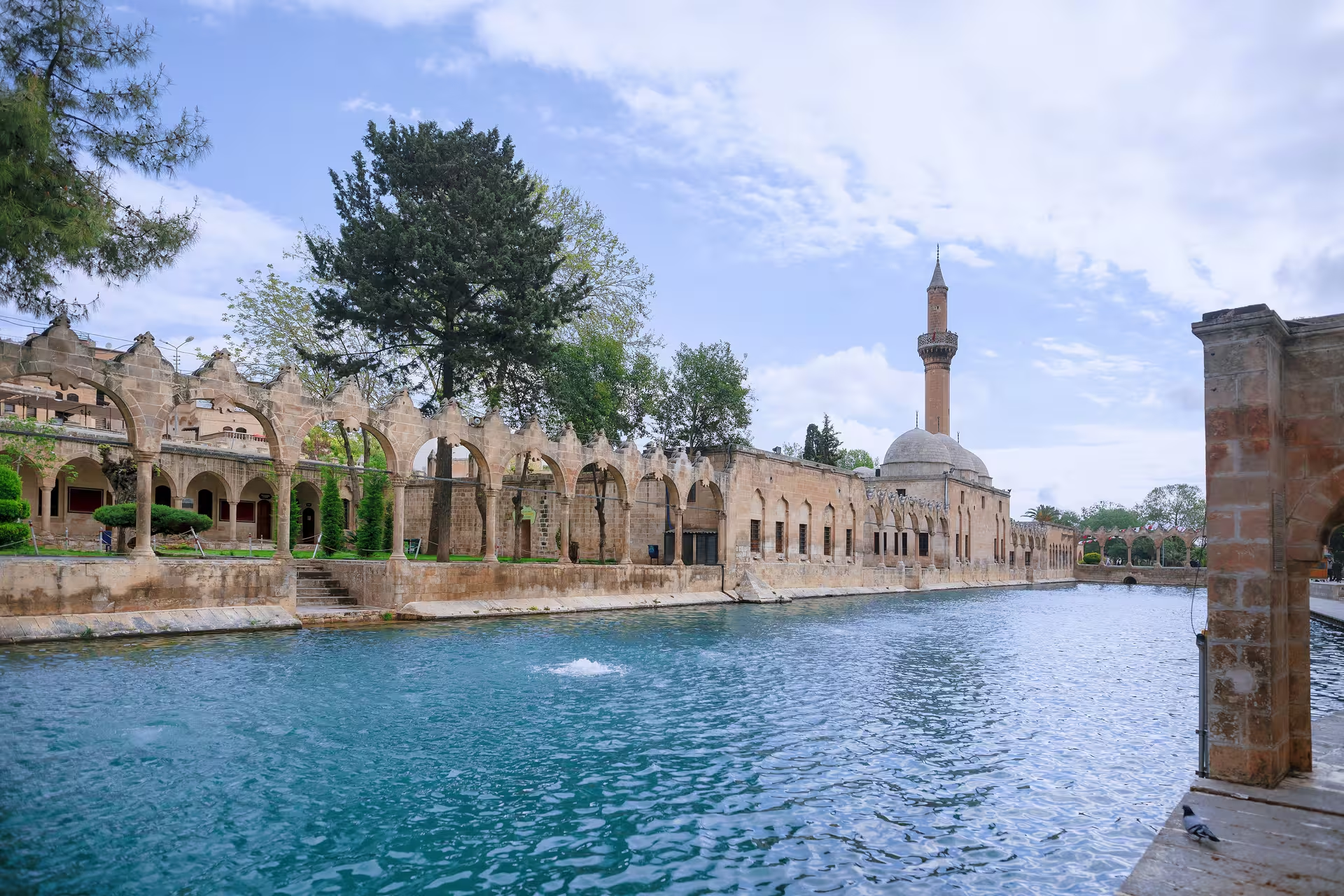
Four days is a suggested plan for Göbekli Tepe, Şanlıurfa, Harran, Gaziantep and Halfeti. Devote the first day to Göbekli Tepe and Balıklıgöl in Şanlıurfa, pairing archaeology with religious traditions. At Balıklıgöl, the fish of Halil-ur Rahman Lake are sacred and are not eaten.
The second day can focus on Harran's beehive houses and ancient remains, including the old city walls with the restored Aleppo Gate, the Ulu Cami built in the 8th century and the citadel. Spend the third day on Gaziantep's gastronomy and mosaic museums, then devote the fourth to Halfeti by the Euphrates. This is a suggested allocation of days around those interests, rather than a timetable of journeys.
Şanlıurfa is a useful base if Göbekli Tepe and Harran are your priorities. Göbekli Tepe lies in Şanlıurfa Province, while Harran is approximately 40 km southeast of Urfa. For a trip centred on food and museum visits, a stay in Gaziantep puts the Emine Göğüş Gastronomy Museum and Zeugma Mosaic Museum in your base city.
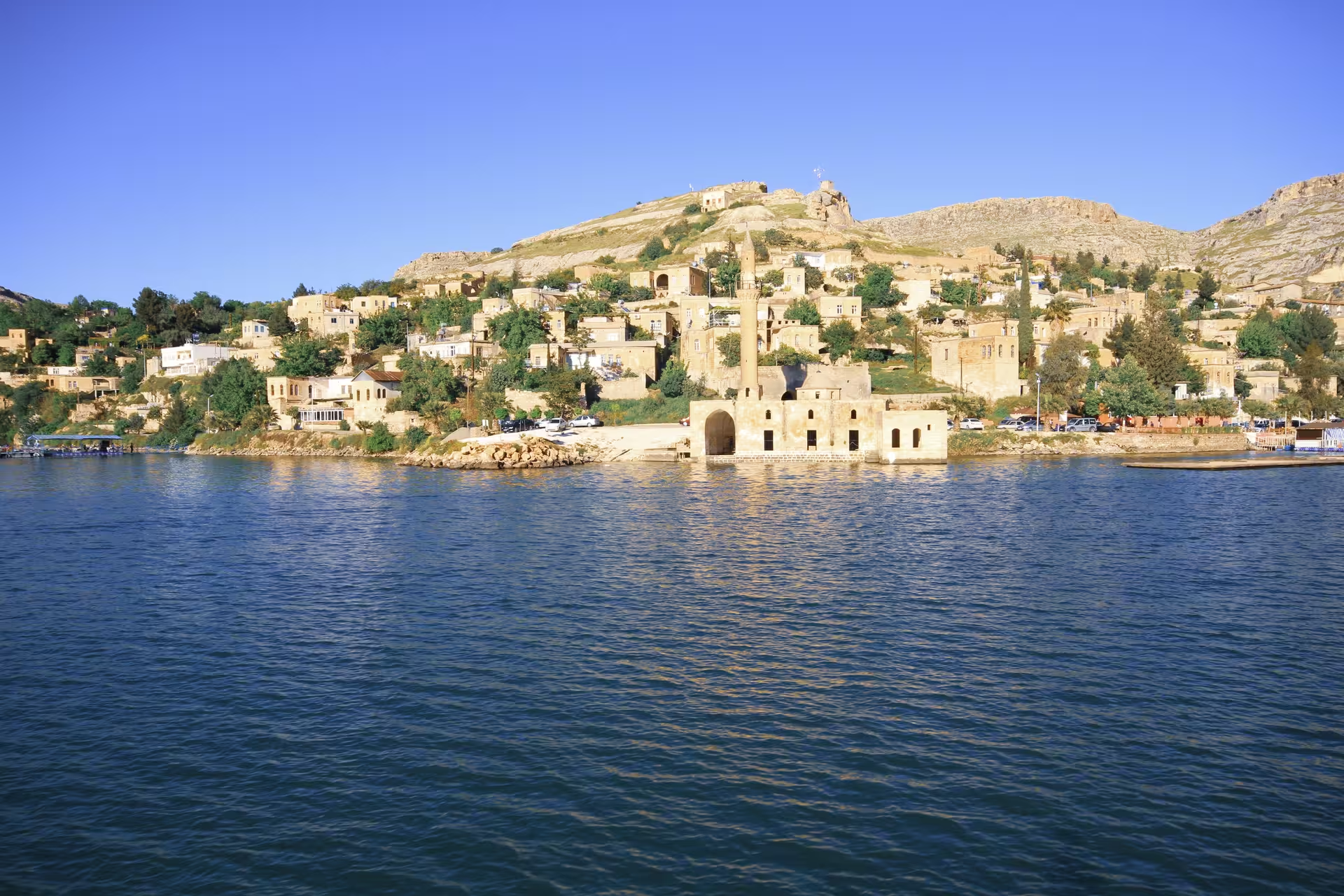
Harran suits an outing focused on houses and ancient walls; Halfeti offers a different focus beside the Euphrates. Halfeti is near the river's east bank, 120 km from Şanlıurfa, and joined the Cittaslow network in 2013. Harran's domed houses are built from mud brick, often reusing bricks from the ancient ruins, a detail to look for beyond their shape.
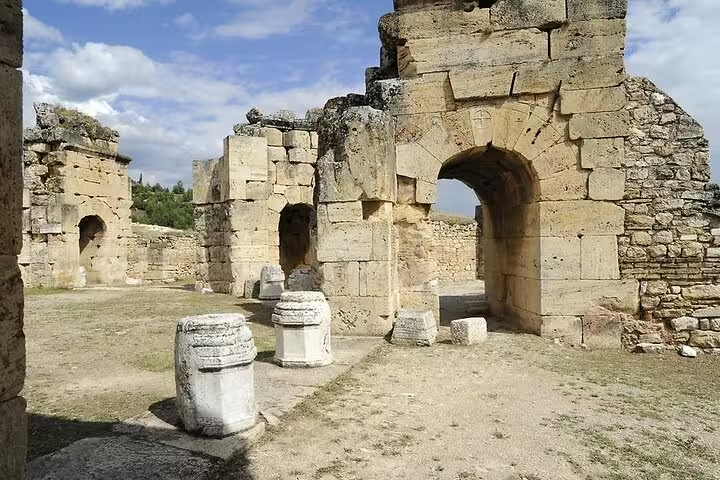
From Mardin, Dara is an option for travellers interested in military history: Emperor Anastasios founded it as a garrison city in 505. The site lies in Oğuz Village, 30 km southeast of Mardin. For religious heritage, Deyrulzafaran Monastery offers a different focus: it was the seat of the Syriac Orthodox Patriarchate for about 640 years, until 1932, and services are still held in Syriac, a form of Aramaic.
For walking, plan around the summer heat and winter conditions rather than expecting mild weather throughout the year. The region's continental, semi-arid climate brings intensely hot, dry summers and cold winters that often have snow. Şanlıurfa also has very hot, dry summers, with cooler, damp winters. For Mount Nemrut by road, plan a visit between late spring and mid-October, as snow usually closes the summit road for the rest of the year; check conditions before you go.
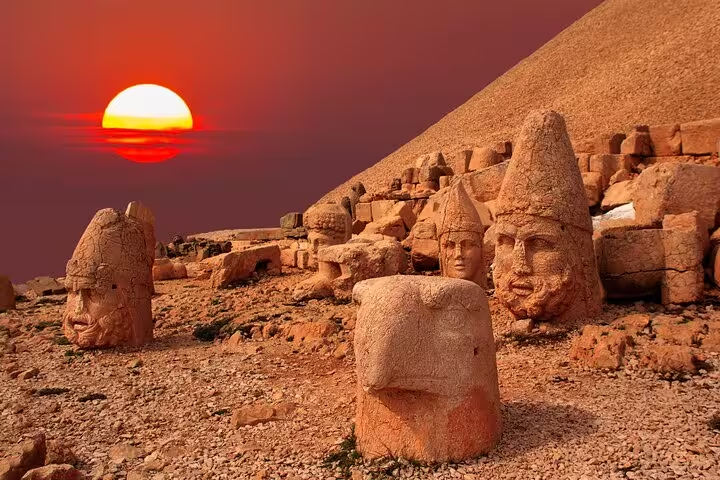
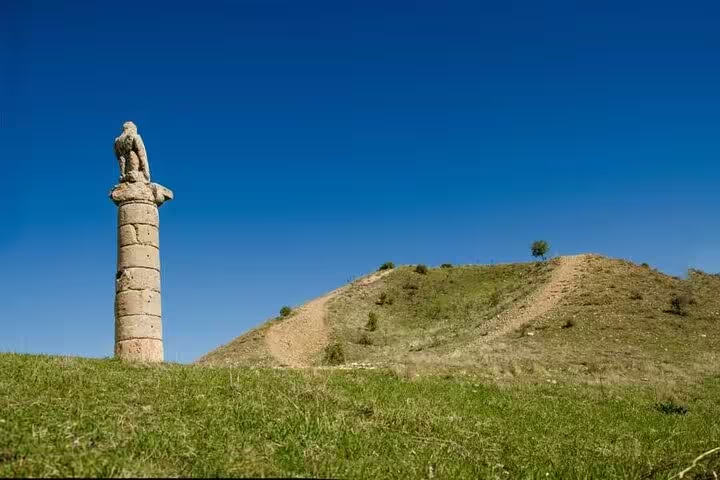
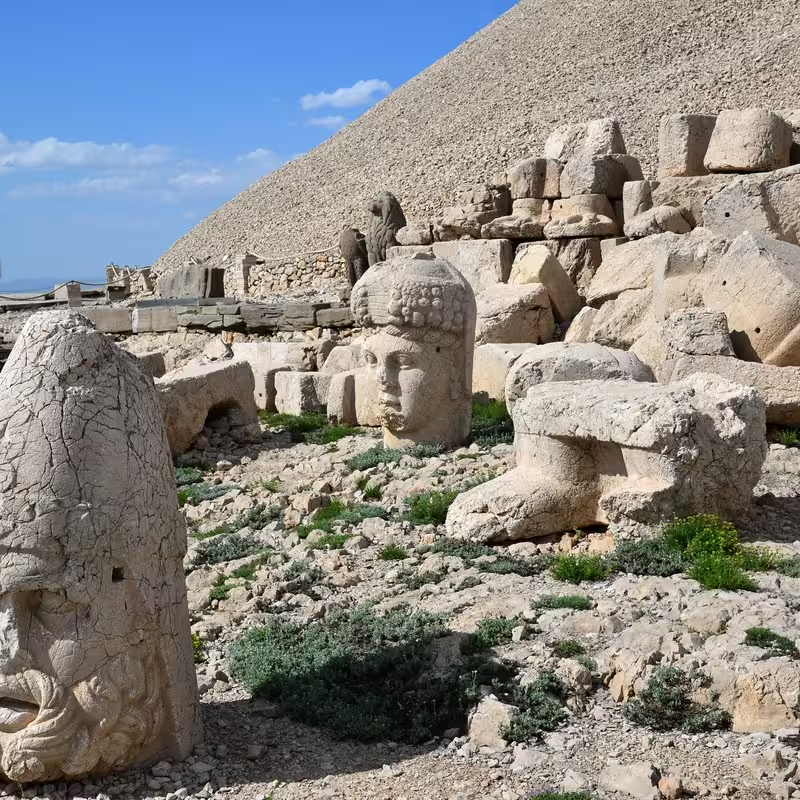
Plan Harran, Halfeti and Dara as separate outings from their respective bases, and fit Mount Nemrut around its seasonal road access. The distances give a useful distinction: Harran is about 40 km from Urfa, Halfeti is 120 km from Şanlıurfa, and Dara is 30 km southeast of Mardin. Mount Nemrut's ruins lie in Adıyaman's Kahta District, with statues on a mountain about 2,150 m high.
The old city of Diyarbakır is encircled by 5.5 km of tall black basalt walls, which remain almost intact.
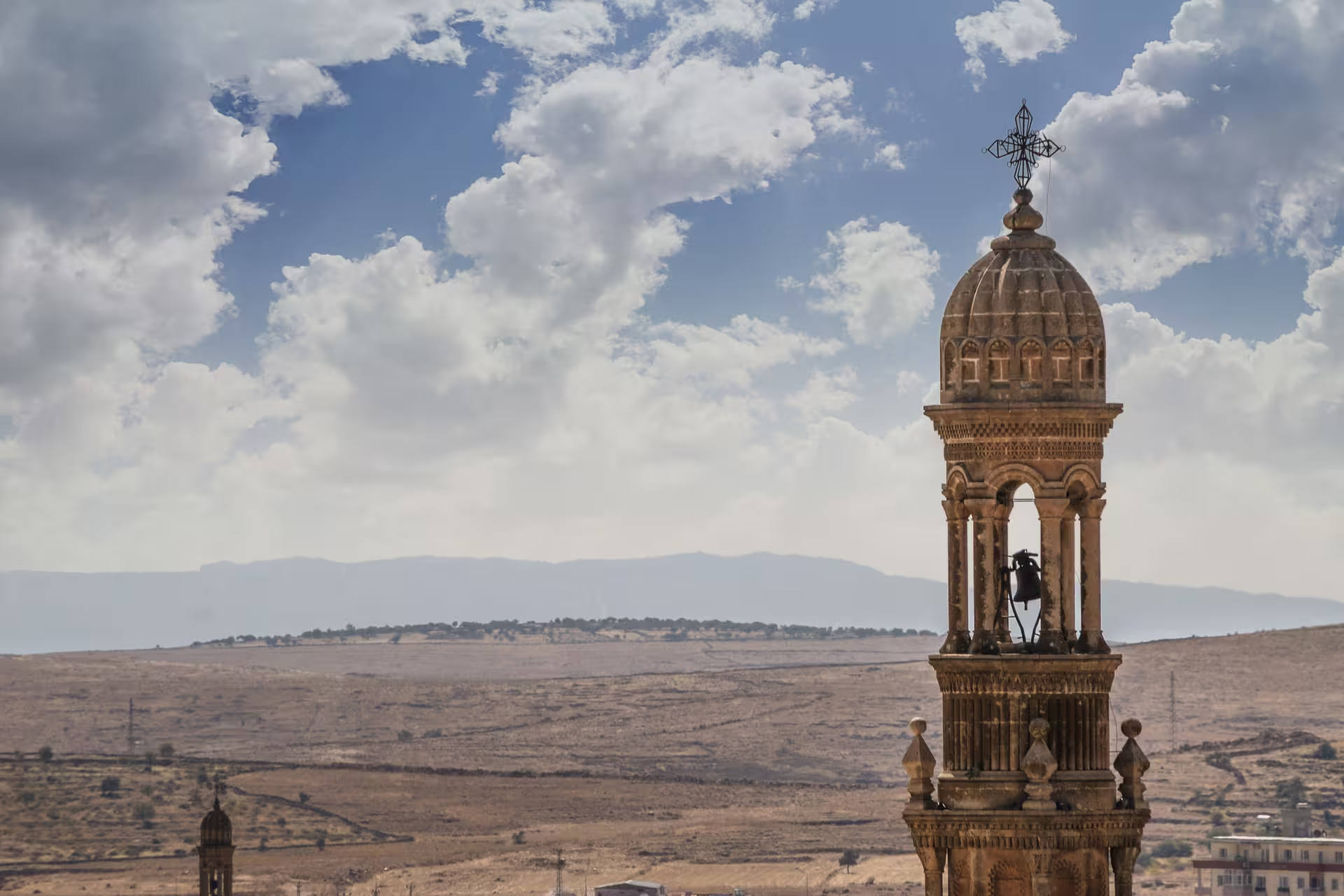
Mor Gabriel Monastery stands on the Tur Abdin plateau near Midyat. It was established in AD 397.
The statues on Mount Nemrut measure 8 to 10 metres in height and are built from blocks of limestone and sandstone.