Last updated:


Harran suits a trip focused on beehive houses and archaeology, with Göbeklitepe and Şanlıurfa Museum adding a wider view of the area's past.
In the Southeastern Anatolia Region of Turkey, Harran sits near the Syrian border, about 44 km south of Şanlıurfa.
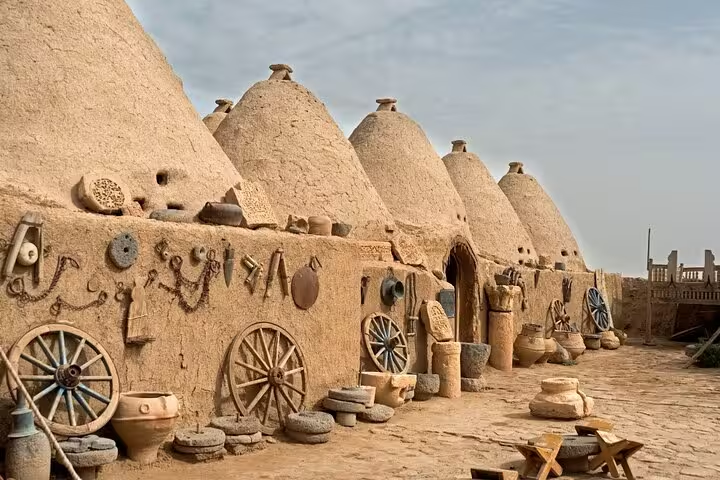
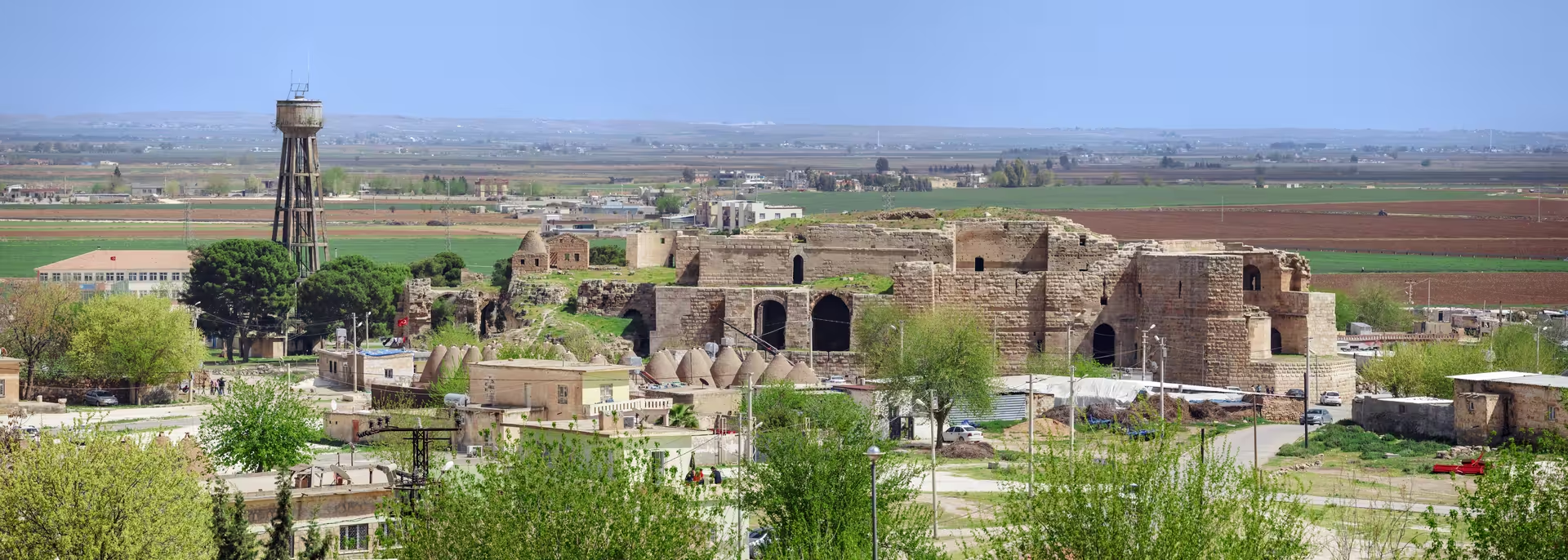
The beehive houses are a natural focus for an architecture visit, with the castle and palace gate adding a different kind of building to look at.
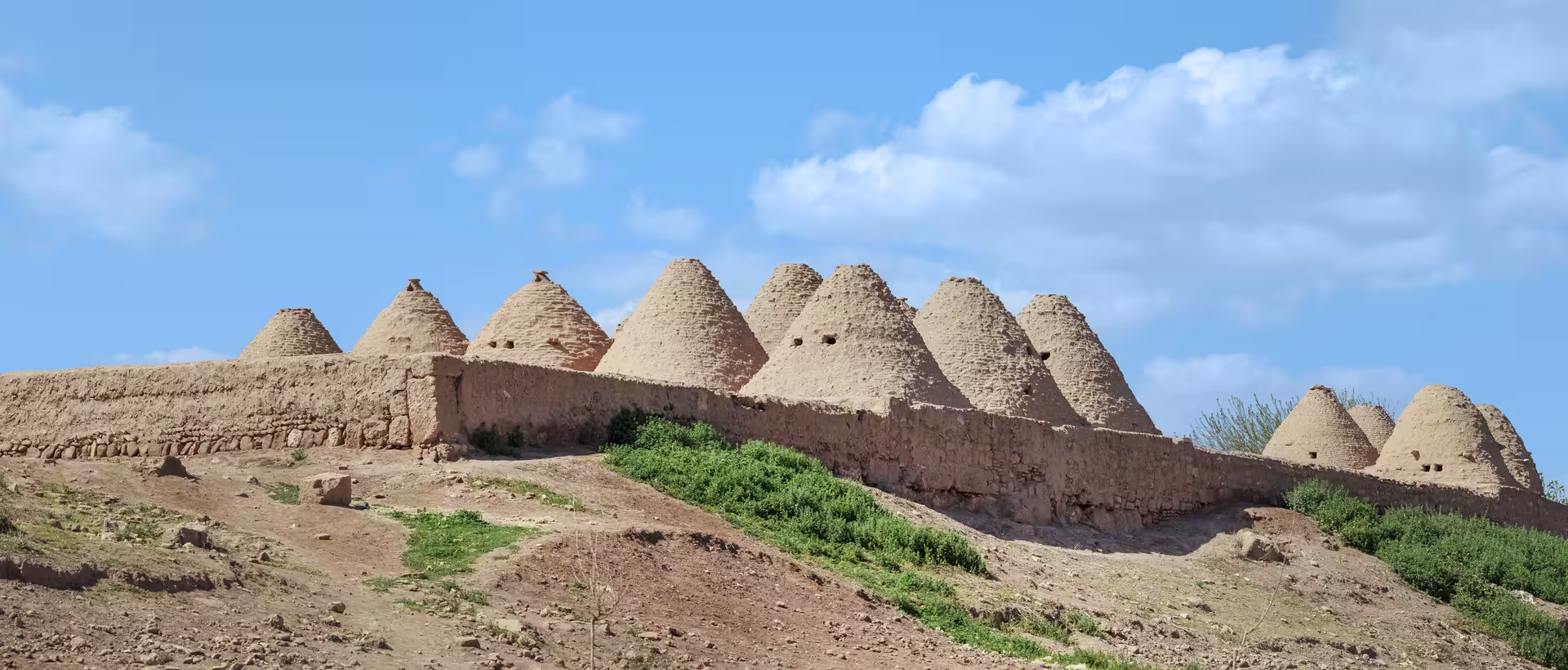
The houses, built of mud brick and stone, rise as high as 5 m and taper towards their tops.
Their materials and design help retain warmth in winter and keep the rooms cool in summer.
The houses have been under conservation protection since 1979.
Harran Castle is a large fortress of cut basalt and limestone blocks, probably first built in the Byzantine period and largely rebuilt around 1200, while the basalt main gate of Harran Palace stands about 7 m high.
For historical context, Harran's scholars studied mathematics, philosophy, medicine and the stars.
It also stood where trading routes between Mesopotamia and Asia Minor crossed, reflected in a name that refers to roads meeting.
Its UNESCO status is a Tentative List entry dating from 2000.
Summer calls for caution when planning a walking visit because of the heat.
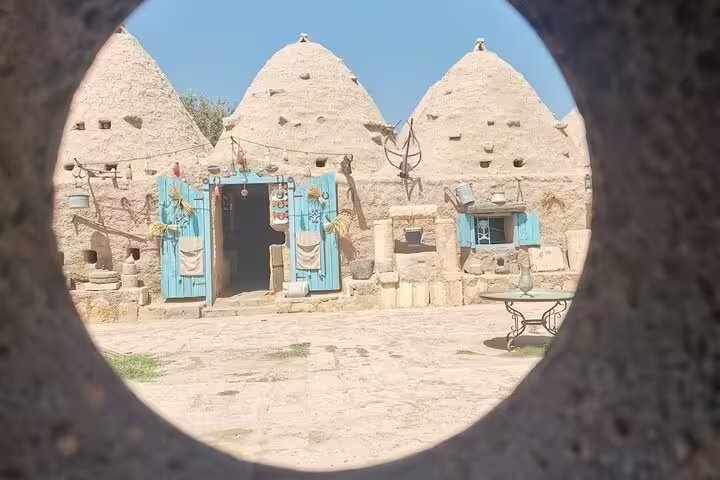
Harran has a dry, hot climate, and summer temperatures across Şanlıurfa province can approach 50 °C.
Nearby Şanlıurfa has very hot, dry summers and cool winters with moisture.
Inside the beehive houses, temperatures can be as much as 15 °C lower than outdoors.
That difference explains the appeal of their design, but it should not be treated as a guide to conditions while walking outside.
Plan Harran and Göbeklitepe as separate outings from Şanlıurfa, since they lie in different directions from the city.
Harran is to the south, while Göbeklitepe is about 15 km to the northeast.
For an organised visit to Göbeklitepe from Istanbul, the full-day private tour by plane lasts 17 hours and includes return flights between Istanbul and Şanlıurfa, a private licensed guide, a private vehicle with a driver in Şanlıurfa and a light breakfast.
Allow one day for Harran's beehive houses, castle and palace gate, then another day for Göbeklitepe and Şanlıurfa Museum if archaeology is your focus.
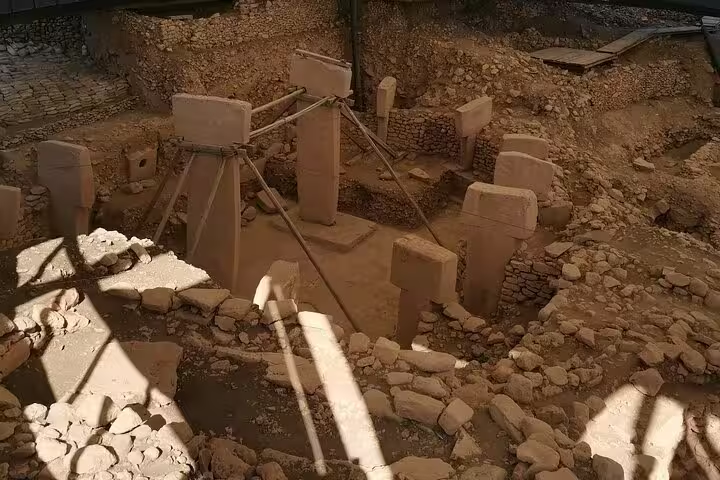
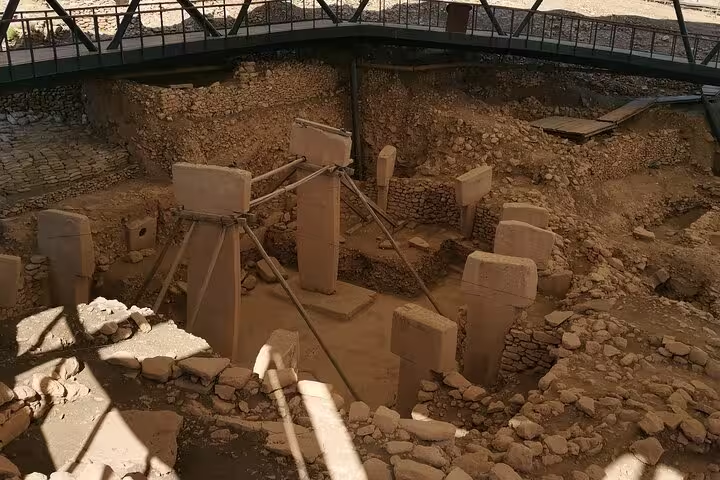
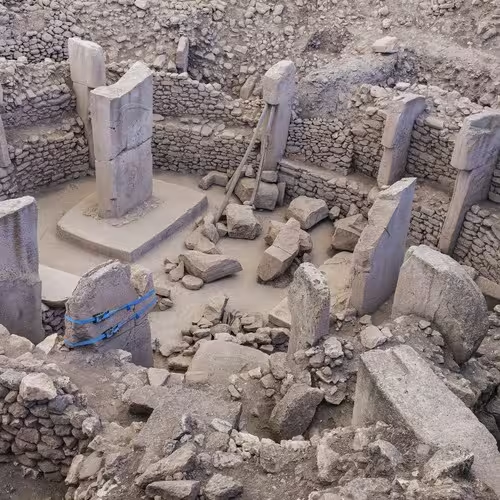
At Göbeklitepe, circular structures have T-shaped pillars reaching about 5.5 m, and the site looks across the Harran plain.
The museum holds sculptures and steles from Göbekli Tepe, giving the second day a link between the site and its objects.
The two-day guided tour to Göbeklitepe and Şanlıurfa from Istanbul includes return domestic flights, a licensed professional guide throughout, a vehicle for all ground transport, a light breakfast and a Sira Night experience.
Şanlıurfa is a practical base to consider for this archaeological plan, with Harran to its south, Göbeklitepe to its northeast and related objects in Şanlıurfa Museum.
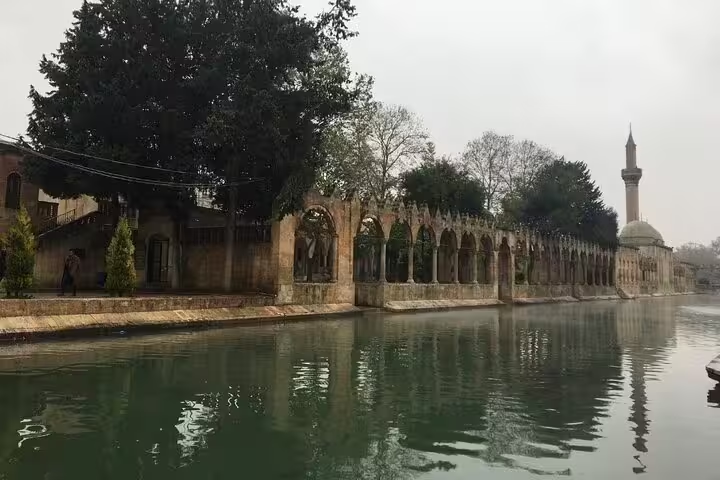
That arrangement suits separate outings to the houses and the pillar site, followed by time with the museum collection.
The Syrian border crossing at Akçakale is 20 km from Harran.
Finds from Harran date to 7000 BCE. Its written history spans nearly 4,300 years.
Göbekli Tepe was inhabited from about 9500 BCE until at least 8000 BCE.