Last updated:


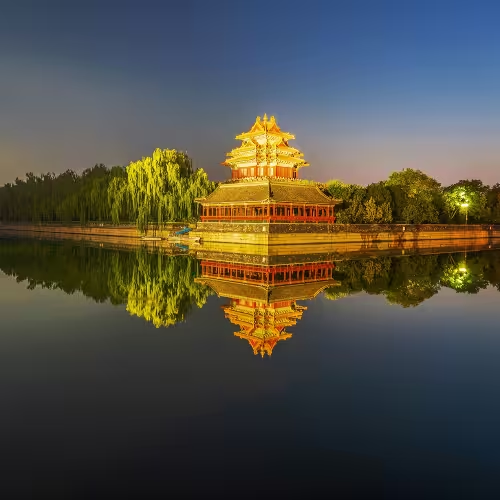
Beijing rewards a plan that leaves room for imperial buildings, water and food, rather than filling every day with the same kind of visit. The Palace Museum occupies the Forbidden City, while the Summer Palace brings together Kunming Lake and Longevity Hill. Peking duck offers another connection with imperial Beijing, this time over a meal.
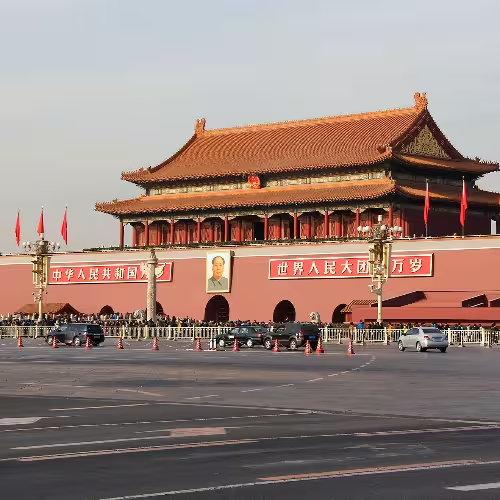
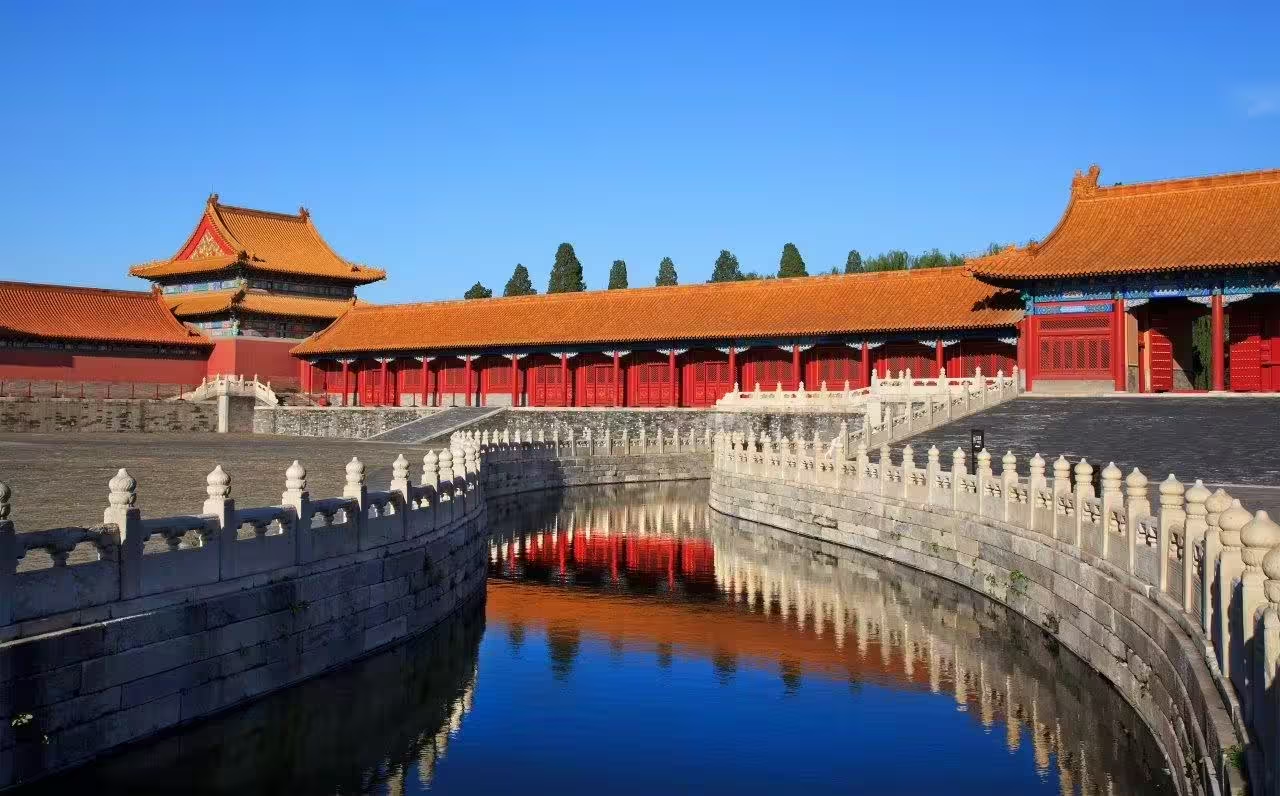
Three days can give you a city itinerary centred on the Forbidden City, the Summer Palace and the Temple of Heaven, with a separate day if you also want Mutianyu. Day one can focus on the Palace Museum in the Forbidden City, a UNESCO World Heritage Site.
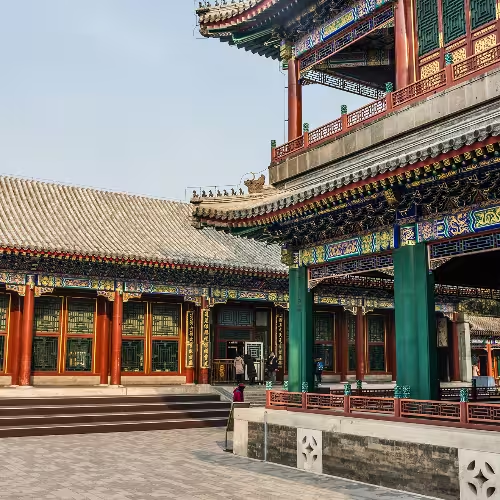
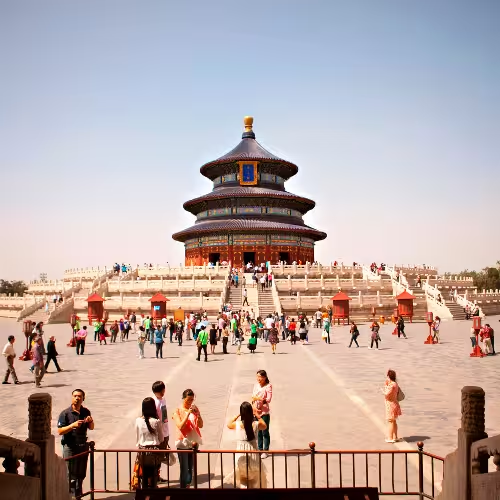
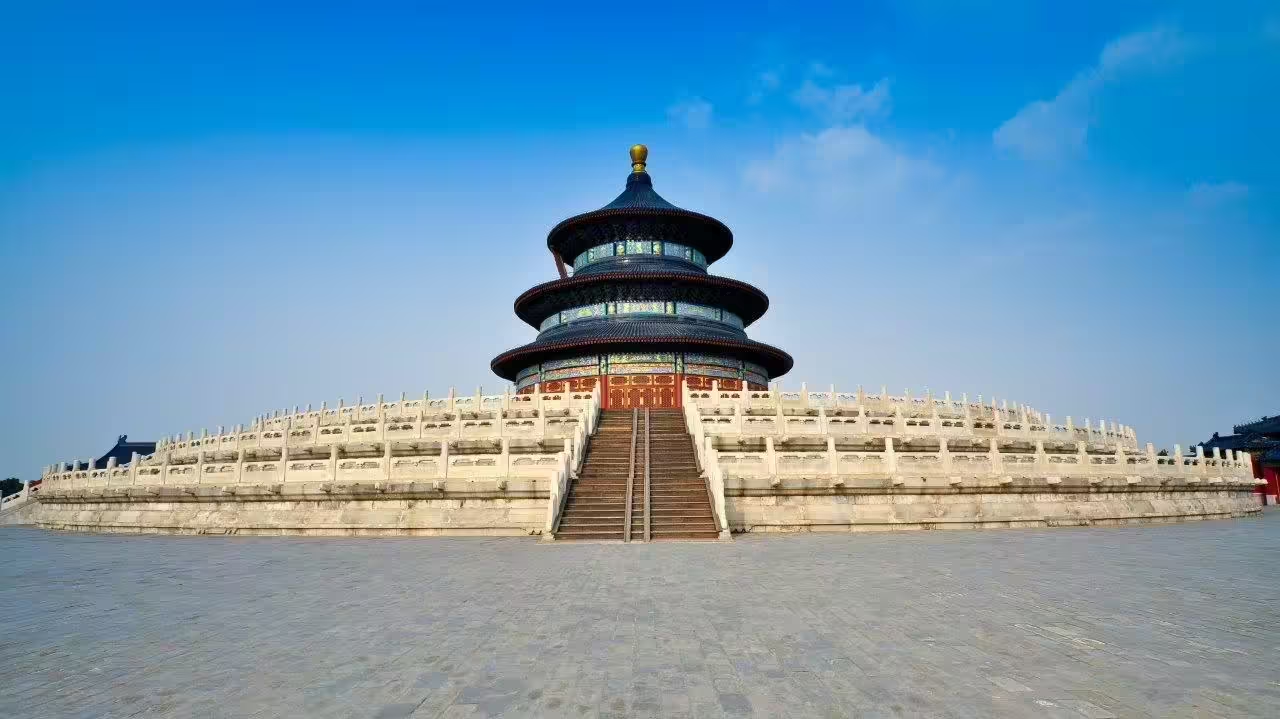
Day two can turn towards Kunming Lake and Longevity Hill at the Summer Palace. Water occupies roughly three quarters of the grounds, so this is the day to favour a lakeside setting. Day three can centre on the Temple of Heaven, where Ming and Qing imperial families made offerings to Heaven and prayed for successful harvests.
The Temple of Heaven deserves attention if you want to understand imperial ritual, while Jingshan offers a visit shaped around hills and pavilions. At the temple, the Circular Mound Altar was the setting for sacrifices to Heaven at the winter solstice. That purpose gives you something specific to look for, beyond treating the complex as another imperial stop.
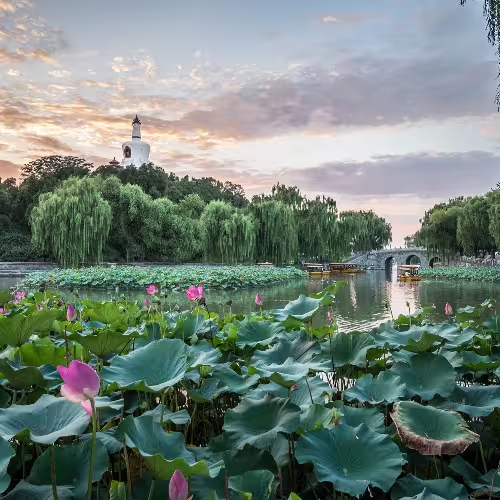
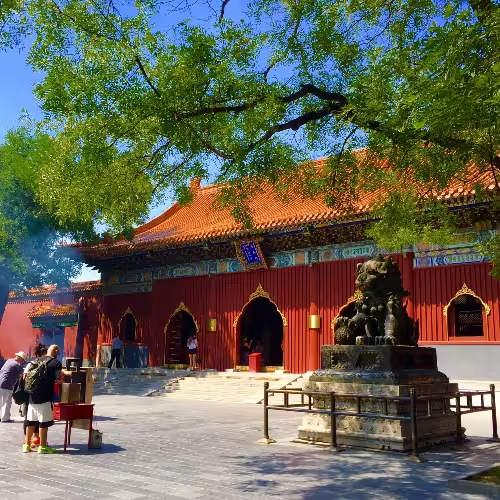
Jingshan has a pavilion on each of its five peaks, making it an alternative when you want hills in the itinerary. Beihai Park is another option if the White Dagoba interests you; the structure rises 35.90 metres. The Lama Temple offers a different historical thread: the building began as Prince Yinzhen's mansion.
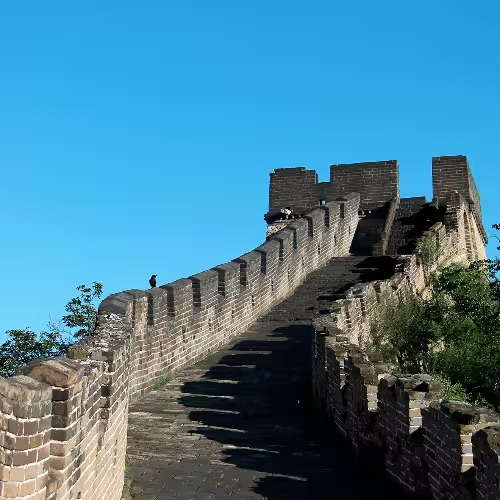
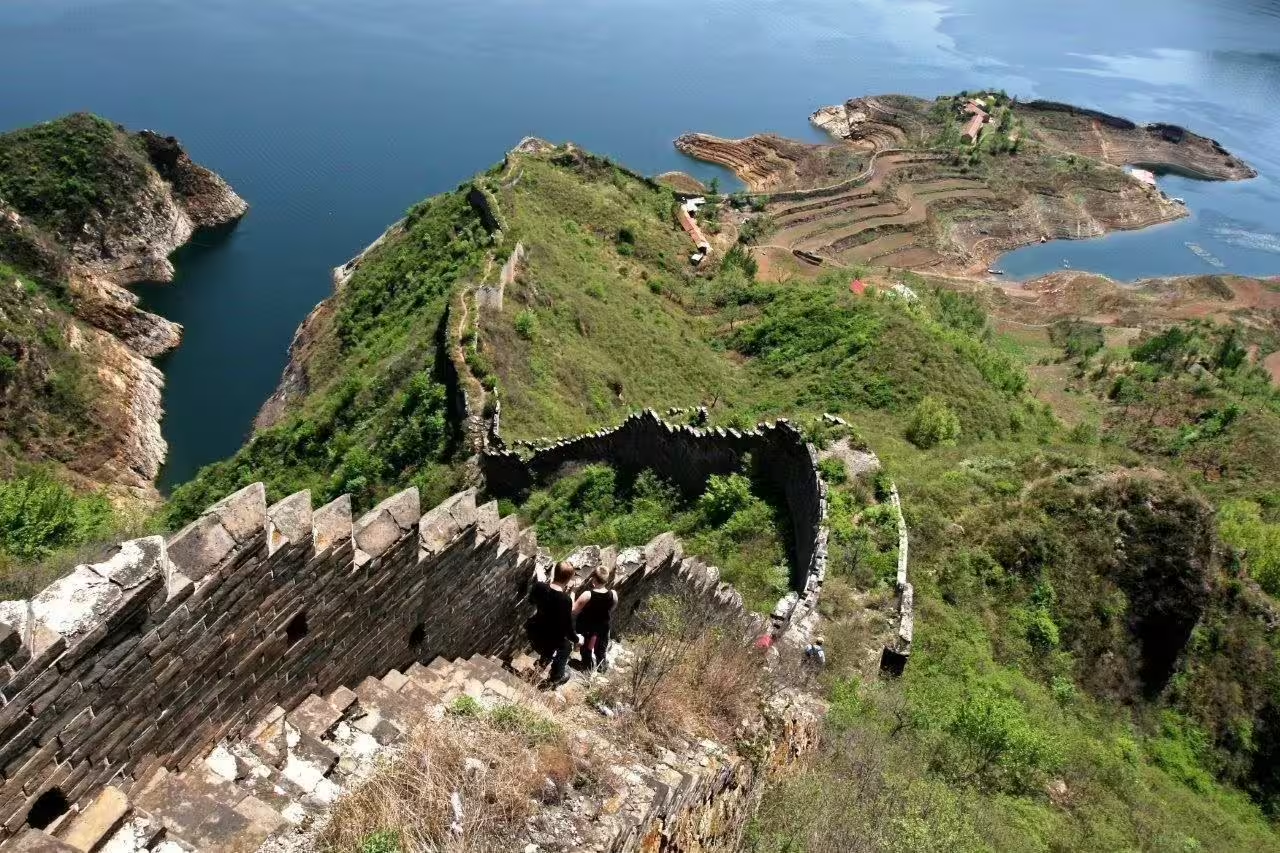
Mutianyu is worth a separate day in this plan if defensive architecture interests you. Its Great Wall section has battlements on both sides, together with inner and outer auxiliary walls, so look at how the defences are arranged as you explore.
If you want the Great Wall and the Terracotta Warriors in a longer itinerary, a seven-day tour combines those interests with English-speaking private guides.
Peking duck is a meal to build into your plans if you want a dish connected with imperial Beijing. For a sweet snack, tanghulu puts candied fruit on bamboo skewers. Chaogan takes you in a savoury direction with stewed pork liver, a local snack.
Douzhi is worth knowing about before you order: it is a fermented drink made from the liquid left over when mung bean noodles are produced. Its association with old Beijing families makes it another way to explore the city through food and drink.
A trip outside summer is worth weighing up if avoiding the main rainy season matters to you. Summer receives about three quarters of Beijing's annual precipitation, so outdoor plans then need room for rain.
The airport express offers a rail connection if you arrive at Beijing Capital International Airport. Dongzhimen Station connects that service with subway Lines 2 and 13, which is the transfer to check when planning your onward journey.
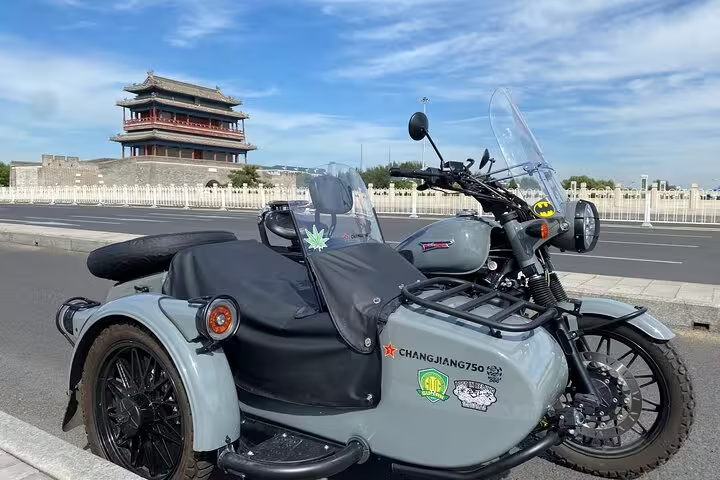
If you would rather explore Beijing with a guide by sidecar, a four-hour private sidecar tour includes photo stops.
Between 1406 and 1420, the Yongle Emperor built the Forbidden City.
Yes, the Central Axis became a UNESCO World Heritage Site in July 2024; it stretches 7.8 kilometres from north to south through the old city.
Thirteen of the Ming Dynasty's 16 emperors are buried at the Ming Tombs near Beijing.