Last updated:


Yuzhong suits a visit built around riverside architecture, city views and museums in central Chongqing. The district forms a peninsula with the Yangtze and Jialing rivers on either side, so the river junction is a natural focus for sightseeing.
Jiefangbei and Chaotianmen make a logical pairing if you want a pedestrian square followed by the meeting of the rivers. Jiefangbei sits directly uphill from Chaotianmen Port and has a broad square reserved for pedestrians. Its central business district occupies the middle of Yuzhong, making it a useful anchor for this part of your visit.
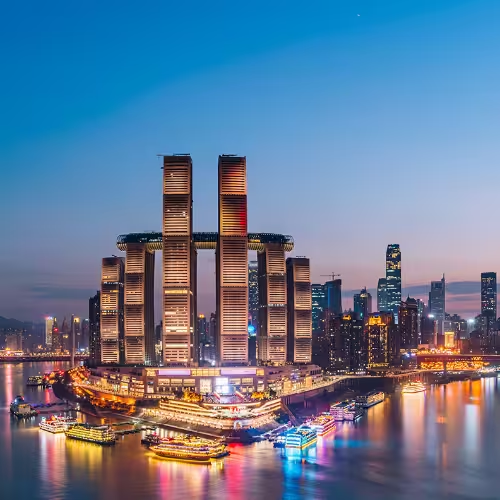
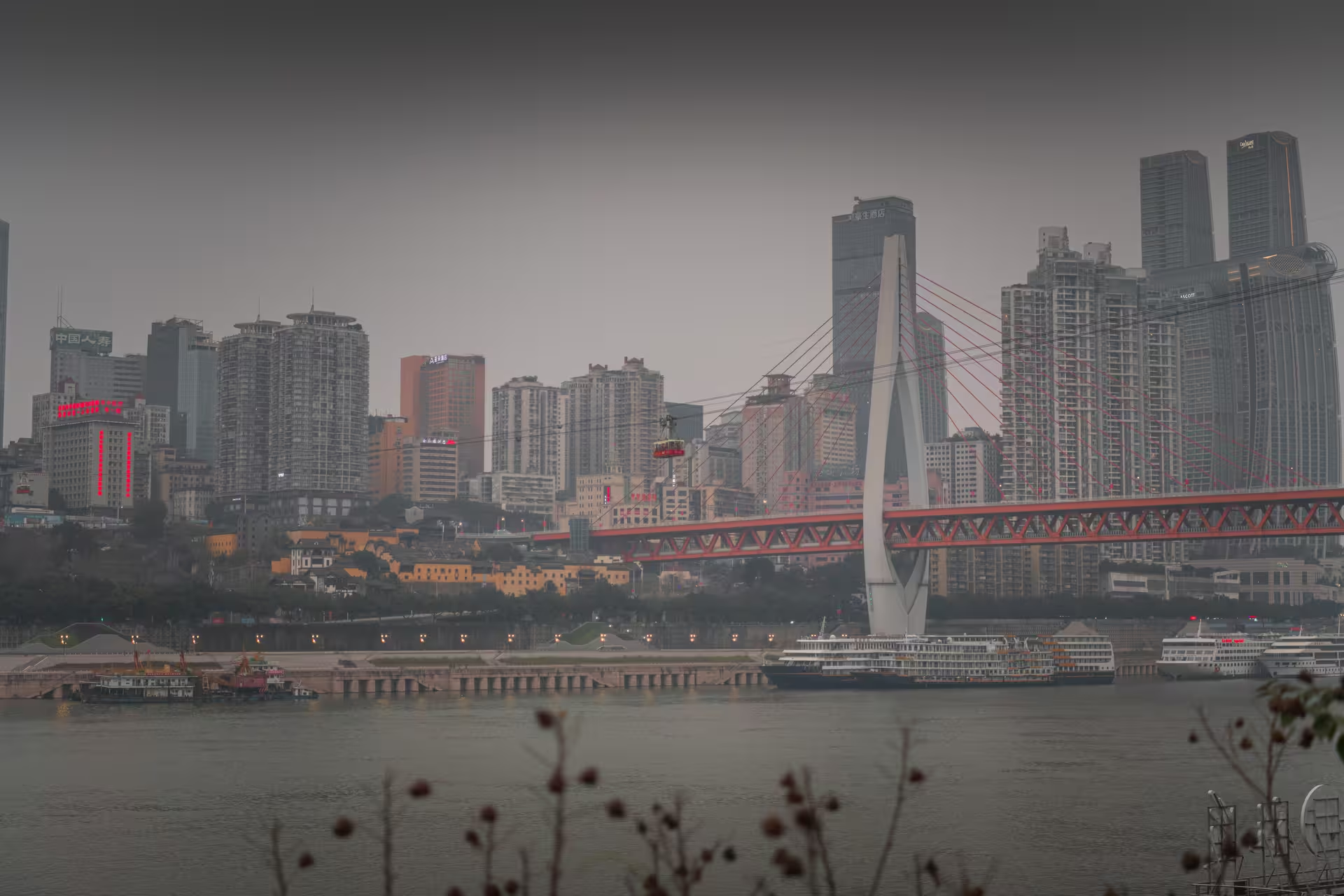
At Chaotianmen, the public square brings you to the point where the Yangtze meets the Jialing. Many river cruise ships end their journeys nearby, so this is also a place to connect the riverside setting with river travel.
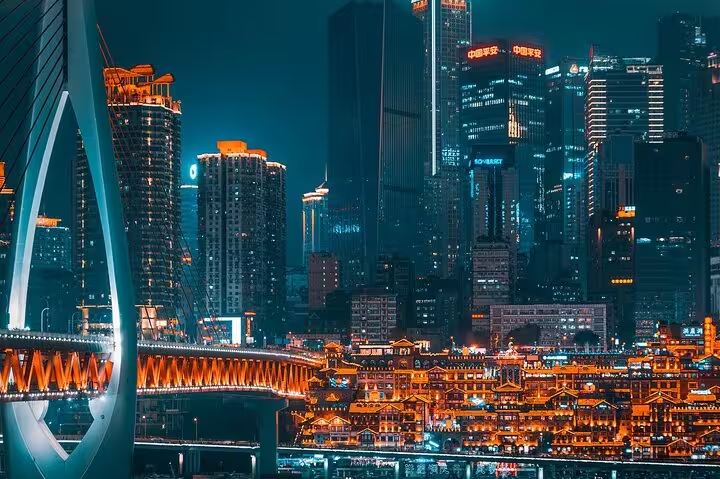
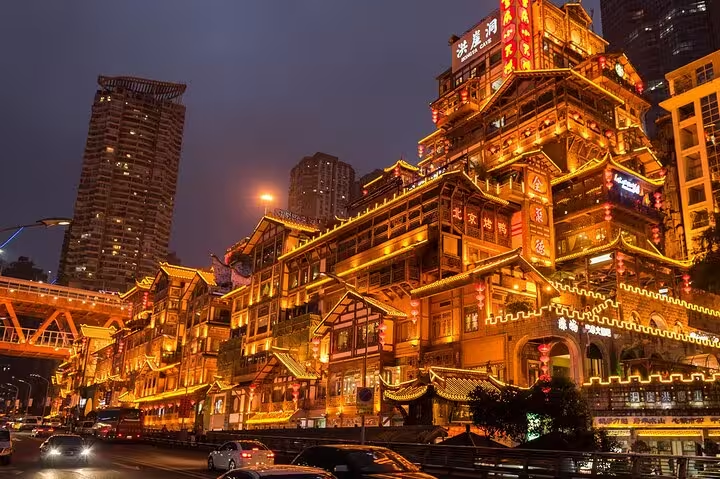
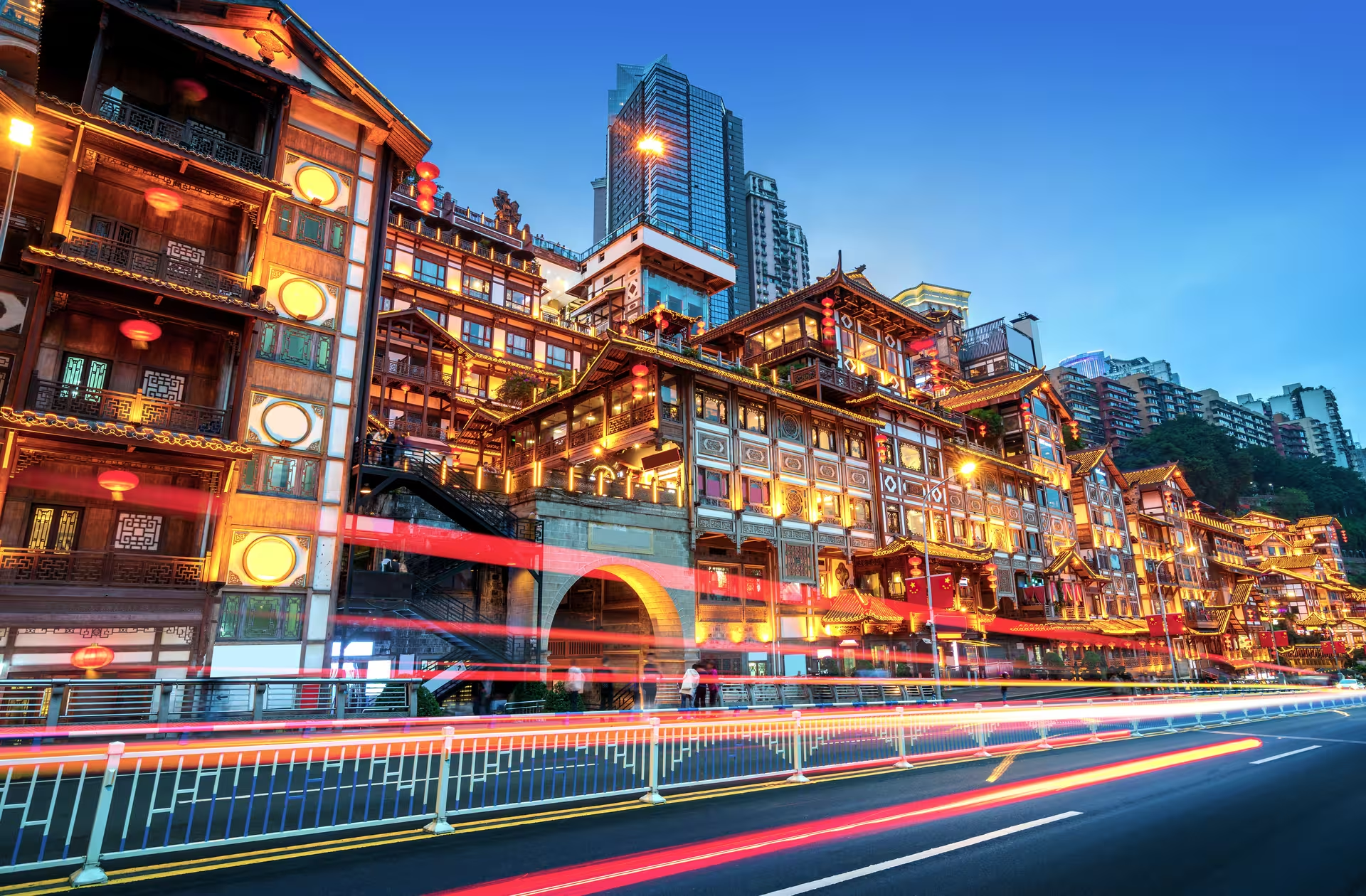
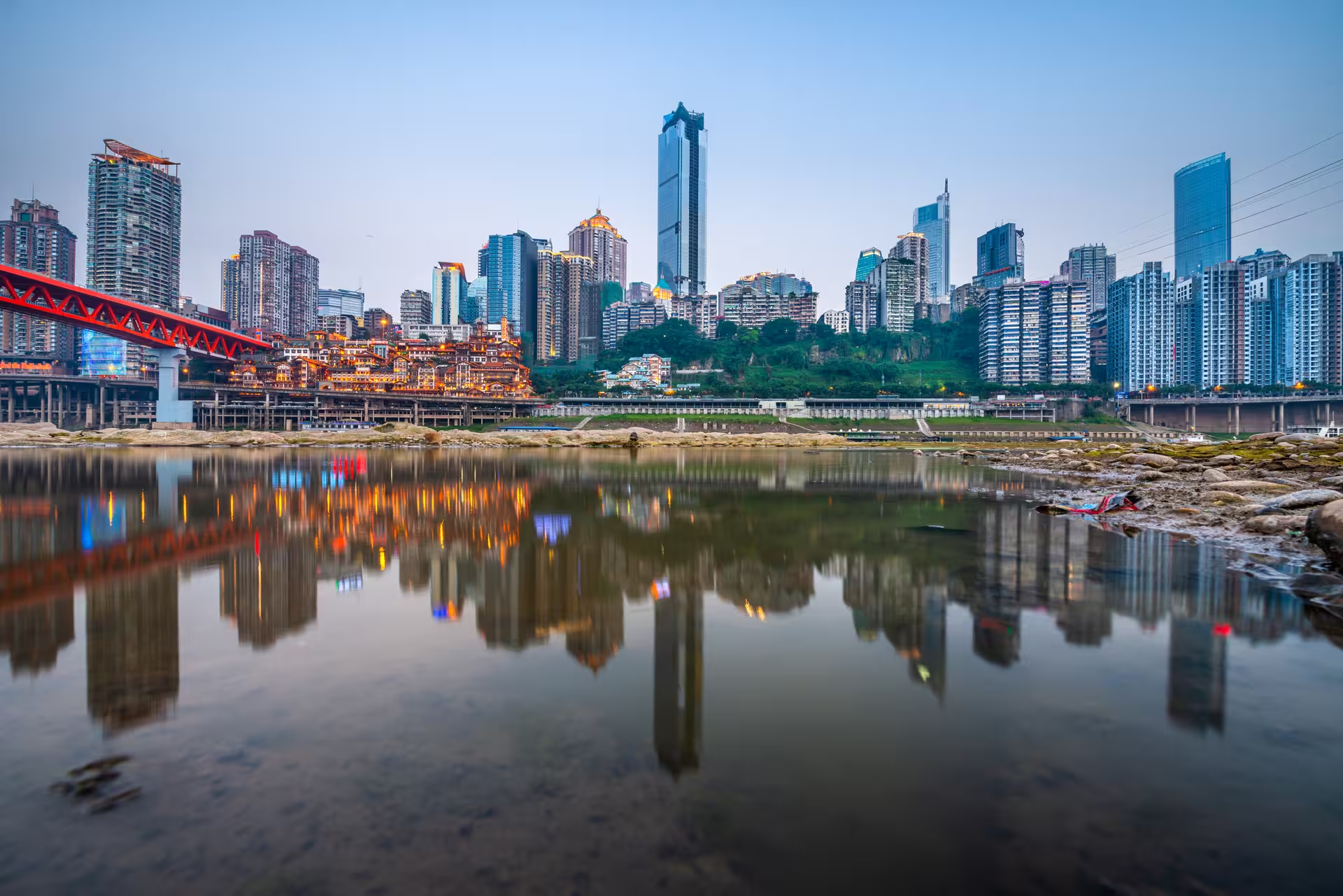
Hongyadong belongs on your plan if you want architecture, food and a river view in the same stop. Built into cliffs beside the Jialing, the complex reflects the Bayu region's tradition of houses raised on stilts. It rises through 11 storeys, with a food market on the fourth floor and a viewing platform overlooking the Jialing at the top. Those different levels give you a reason to explore within the complex rather than treating it only as a riverside view.
Two days is a suggested split: devote the first to Jiefangbei, Chaotianmen and Hongyadong, then the second to the Three Gorges Museum and Eling Park. This separates the riverside sights from time spent on museum exhibits and a city panorama.
The Three Gorges Museum is a worthwhile choice for an interest in wartime history: its 180-degree panorama depicts Chongqing when it served as the provisional capital of Free China. The museum took over from the former Chongqing Museum in 2005. For a different perspective afterwards, the Liangjiang Pavilion tower in Eling Park offers a view across the city.
If museums matter more to you than a panorama, Huguang Huiguan is another museum to put on your shortlist. The two-day outline is a way to divide these interests, rather than a reason to fit every stop into the same day.
July and August call for a less walking-heavy plan if you prefer to avoid heat, because average daily highs in urban Chongqing are around 34 °C in those months and some days are hotter. Museum visits can form part of that plan alongside the outdoor sights. Monsoon influences shape Chongqing's humid subtropical climate.
Keep a city-view stop flexible: Chongqing has thick fog on about 68 days a year on average. That matters when deciding how much of your visit to build around the view from Eling Park.
Rail is an option for getting around Yuzhong, with several Chongqing Rail Transit lines serving the district. Allow for changes in elevation when planning walks between sights, because the mountainous terrain puts streets and attractions on different levels. A map alone does not tell the whole story of a walk when the places on it sit at different heights.
Liziba can make rail part of the sightseeing itself: monorail trains pass through a residential building there. For the airport connection, Rail Transit Line 3 runs directly from the airport to Lianglukou and Niujiaotuo stations in Yuzhong.
The Line 2 monorail route extends for 31.4 kilometres, with 25 stations along the line.
Hongyadong is set into the hillside on the southern bank of the Jialing.
Its origins go back to the Hongyang Gate in the 14th century, during the early Ming dynasty.