Last updated:


A Chiyoda visit can balance castle history with time among trees and books. The Imperial Palace East Gardens occupy former Edo Castle grounds, Kitanomaru Park has ginkgo trees around a pond, and Jimbocho brings together about 130 used and antiquarian book shops.
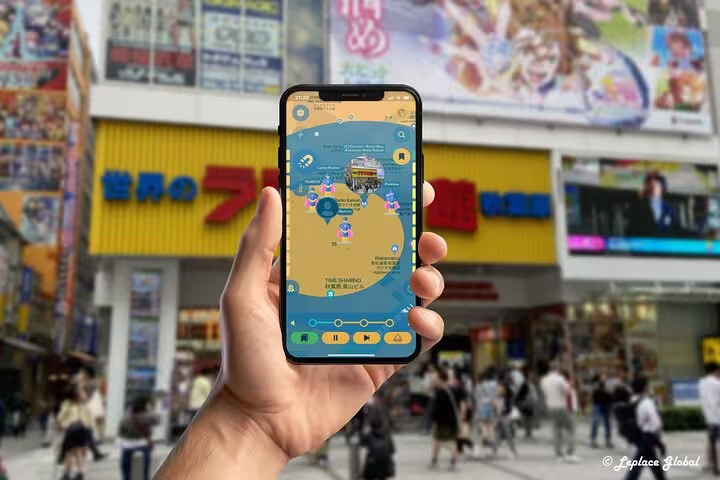
An anime and gaming walk suits travellers who want a self-guided activity in Akihabara. The self-guided Akihabara anime and gaming walk lasts 1 hour and 30 minutes, with app navigation, puzzles, scavenger hunt challenges, an itinerary covering 11 venues, and location-based cultural and historical commentary.
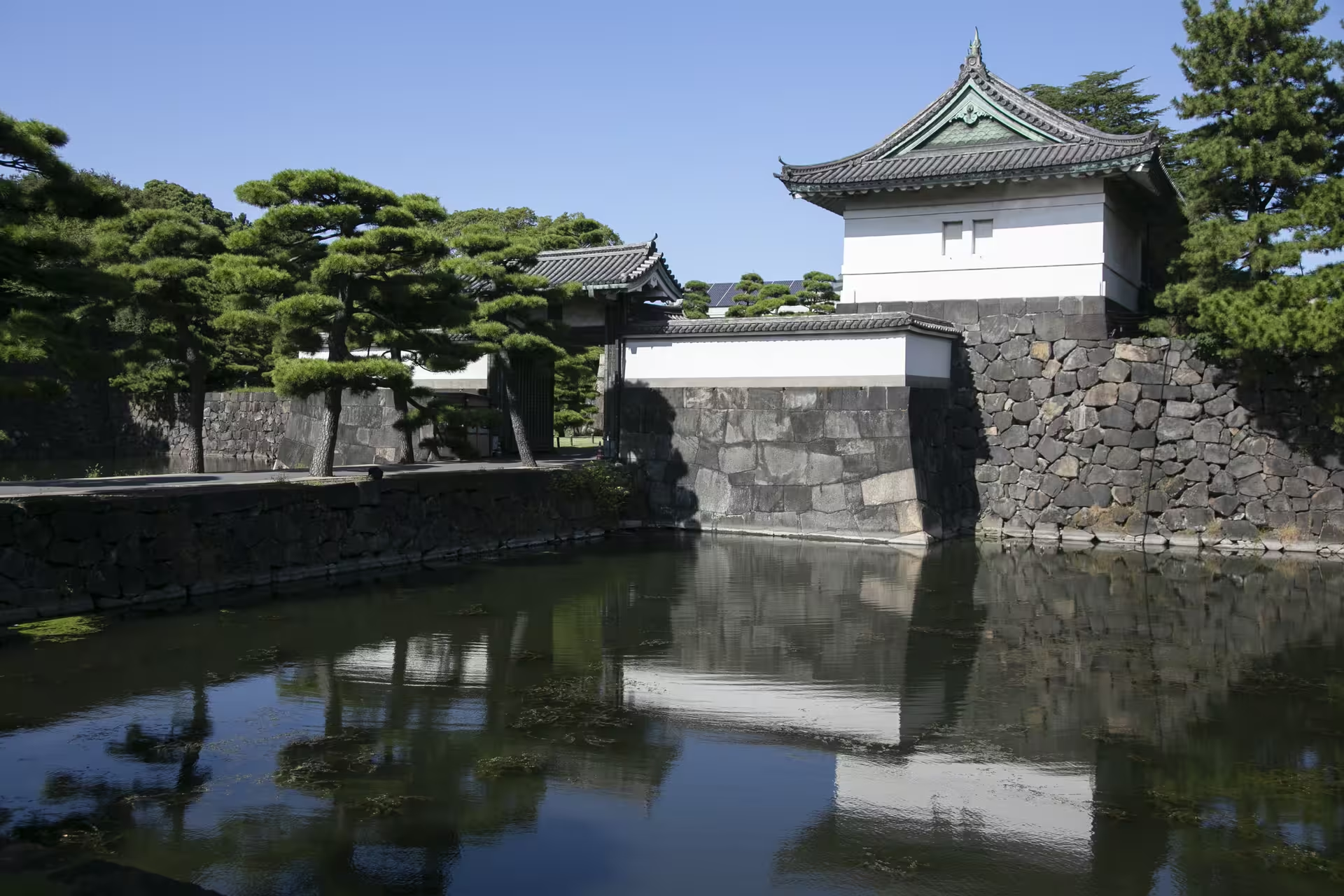
The East Gardens are a useful focus for a visit centred on Edo Castle history. They opened to visitors in 1968 and occupy parts of the former Honmaru, Ninomaru and Sannomaru castle areas. Edo Castle was the seat of the shogunate until 1868, when Emperor Meiji arrived and the castle became the imperial residence.
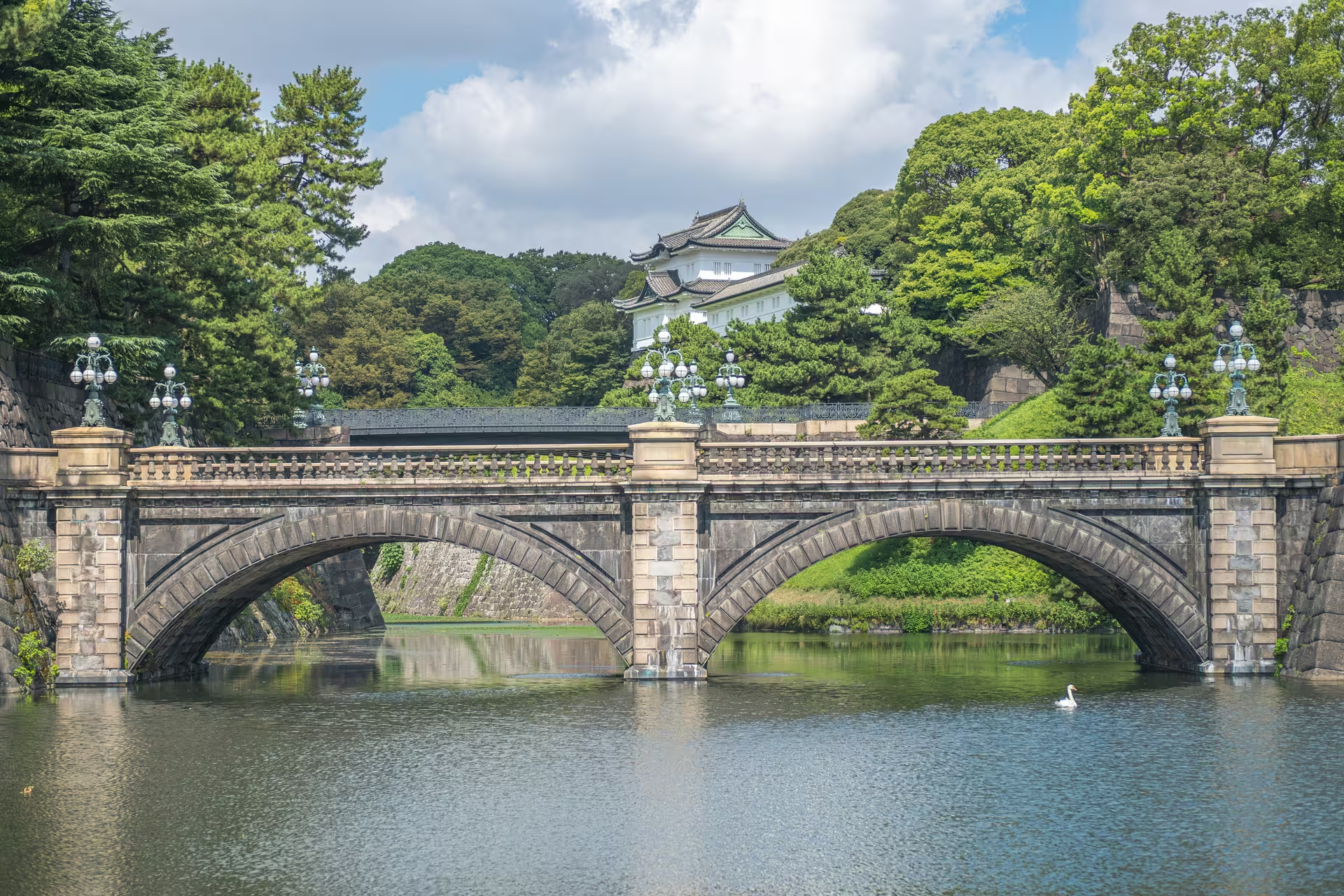
The Fujimi Yagura turret adds another thread to that story: it is thought to date from 1659, after the Great Fire of Meireki devastated much of Edo and the castle in 1657. After the main keep was lost, this turret became a symbol of Edo Castle.
Jimbocho suits book browsing, Kitanomaru Park suits a pause among trees, and Kanda Myojin suits an interest in shrine history. Jimbocho has about 130 used and antiquarian book shops, while large ginkgo trees surround the pond in Kitanomaru Park.
Kanda Myojin began in 730 near present-day Otemachi and moved to its current site in 1616 as Edo Castle expanded. Its role extends beyond the shrine itself: it heads 108 Tokyo districts, including Akihabara and Tsukiji.
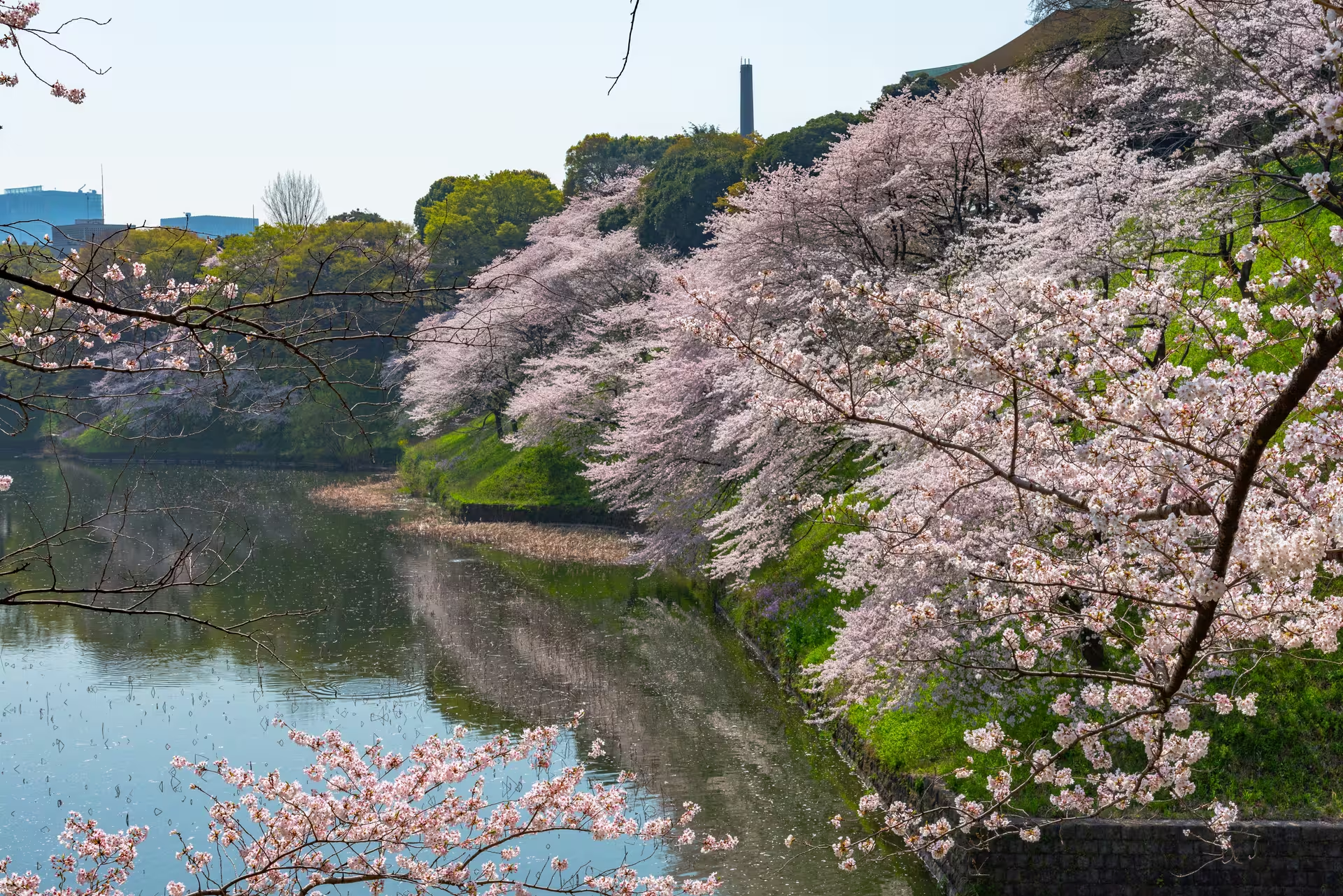
For a walk beside cherry trees, Chidorigafuchi Ryokudo follows the Chidorigafuchi Moat for 700 metres, with around 140 cherry trees along the greenway. Yasukuni Shrine offers another setting for cherry trees, with about 500 in its grounds.
Two days would let you give the palace gardens, books and shrines separate attention. Spend the first day on the Imperial Palace East Gardens and Kitanomaru Park, then give the second to Jimbocho and Kanda Myojin. This splits the visit between castle grounds and parkland on one day, and book browsing and shrine history on the other.
Tokyo Station is worth considering for rail connections, with JR conventional lines, several Shinkansen lines and the Tokyo Metro Marunouchi line serving it. The station also gives architecture an entry in your plans: Tatsuno Kingo designed its Marunouchi Station Building, which received National Important Cultural Property status in 2003.
Rain protection is sensible for a visit built around gardens and greenways. Tokyo's annual precipitation normal for 1991-2020 is 1,598.2 mm. For an outdoor focus, the pond and ginkgo trees of Kitanomaru Park offer a different setting from the cherry trees along Chidorigafuchi Ryokudo or in Yasukuni Shrine.
Mount Fuji is 100 kilometres from Fujimi Yagura, whose name refers to the view of the mountain once visible from the turret.
The Tokyo Station Gallery is housed in the Marunouchi Station Building, where it was established in 1988.
The bell tower of Nikolai-do, the Holy Resurrection Cathedral, reaches a height of 37.7 metres.