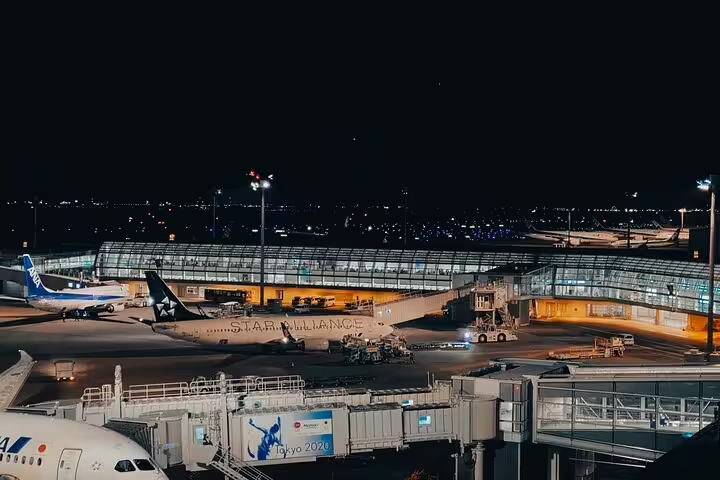







Narita, a charming city in Japan, offers a delightful blend of cultural heritage and modern conveniences. Known for its iconic Naritasan Shinshoji Temple and bustling airport, it's a gateway to explore the wonders of Japan. Discover the Best things to do in Narita to make the most of your visit.
Narita is located in the Kanto region, within the Chiba Prefecture of Japan. It's home to Narita International Airport, one of the main entry points to the country, offering convenient connections to Tokyo and beyond.
Spring and autumn are ideal for visiting Narita, with pleasant weather and vibrant seasonal festivals. Summer can be warm and humid, while winter offers a quieter experience.
Expect moderate costs for dining and attractions. Credit cards are widely accepted, but carrying cash is advised for smaller vendors. Consider combo tickets for temple and museum visits.
Naritasan Shinshoji Temple: A must-see spiritual site, offering tranquil gardens and seasonal festivals. Allow at least two hours to explore.
Narita Omotesando Street: Enjoy a stroll along this traditional street filled with shops and eateries. Perfect for souvenir shopping and trying local snacks.
Boso no Mura: An open-air museum showcasing traditional Japanese homes and crafts. Great for families, with interactive exhibits.
Sakura-no-Yama Park: Ideal for plane spotting and cherry blossom viewing in spring. Bring a picnic for a leisurely afternoon.
Narita Yume Farm: Offers hands-on farming experiences and delicious local produce. Fun for children and adults alike.
Calligraphy Experience: Participate in a traditional calligraphy class to learn about Japanese culture. Suitable for all ages.
Start with a morning visit to Naritasan Shinshoji Temple, followed by lunch on Narita Omotesando Street. Spend the afternoon at Sakura-no-Yama Park.
Day one: Explore Boso no Mura and enjoy a calligraphy class. Day two: Visit Narita Yume Farm and relax at Naritasan Park.
Day one: Temple and museum visits. Day two: Farm experiences and shopping. Day three: Day trip to Tokyo or nearby attractions for a cultural blend.
Eel (Unagi): A local delicacy, often served grilled. Try it at a traditional restaurant on Omotesando Street.
Sake: Sample local varieties at a sake brewery or tasting event. Perfect for an authentic Japanese experience.
Rice Crackers (Senbei): Crispy and flavorful, these snacks are available in various flavors. Great for a quick bite.
Green Tea Ice Cream: A refreshing treat, especially popular in summer. Available at most cafes and dessert shops.
Tempura: Enjoy lightly battered and fried seafood or vegetables. A staple in many Japanese restaurants.
Narita is easy to navigate by train and bus, with frequent connections to Tokyo. Consider a JR Pass for broader travel across Japan. Taxis are available but can be costly. Accessible transport options are improving, with many areas accommodating wheelchairs.
Tokyo: Just an hour away by train, explore the vibrant cityscape, historic sites, and shopping districts.
Mount Tsukuba: Offers breathtaking views and hiking trails. Accessible by train and bus, perfect for nature lovers.
Kashima Jingu: Visit this historic Shinto shrine, a serene escape with beautiful gardens, about an hour's journey.
Q: How many days do I need to explore Narita?
A: Two to three days is ideal to enjoy the Best things to do in Narita, including its main attractions and nearby day trips.
Q: Are there any combo tickets available for attractions?
A: Yes, combo tickets for the temple and nearby museums offer savings on entry fees.
Q: What are the best neighborhoods to stay in Narita?
A: Staying near Narita Station provides easy access to transportation and attractions, while the area around Naritasan Temple offers a more traditional atmosphere.
Q: What is the weather like in Narita?
A: Narita experiences a humid subtropical climate, with hot summers and mild winters. Spring and autumn are pleasant and ideal for sightseeing.
Q: Is Narita accessible for travelers with mobility issues?
A: Many attractions are accessible, but it's best to check ahead for specific facilities. Public transport is improving in accessibility.