Last updated:


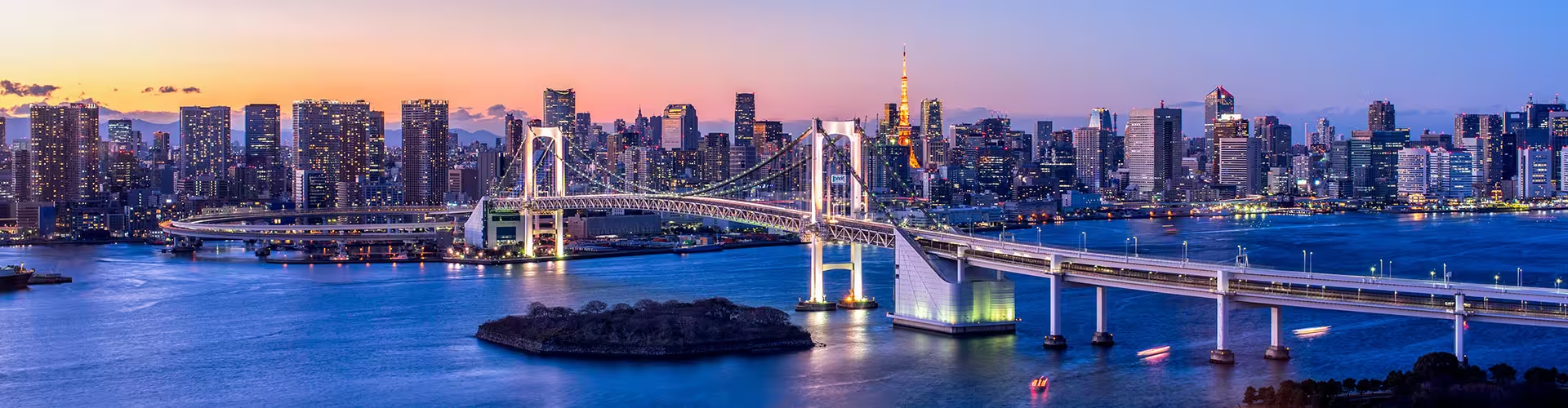
A Kanto trip can centre on Tokyo, with Yokohama, Kamakura and Nikko giving you different reasons to extend the itinerary. Tokyo lies in the southern Kanto region of Japan, so the regional plan can begin with the city before branching out to gardens, shrines or mountain scenery.
Tokyo suits a history-focused visit, while Yokohama adds a garden and Kamakura brings shrines and bamboo into the plan. Meiji Jingu dates from 1920 and honours Emperor Meiji and Empress Shoken. For another thread of Tokyo history, the former shogunate seat at Edo Castle became the Imperial Palace in 1868.
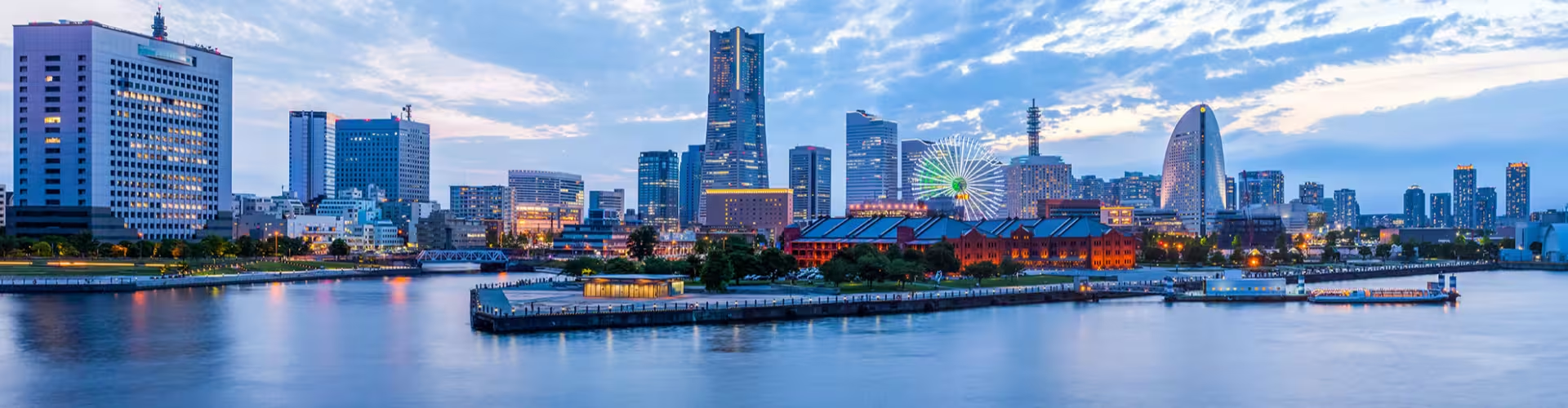
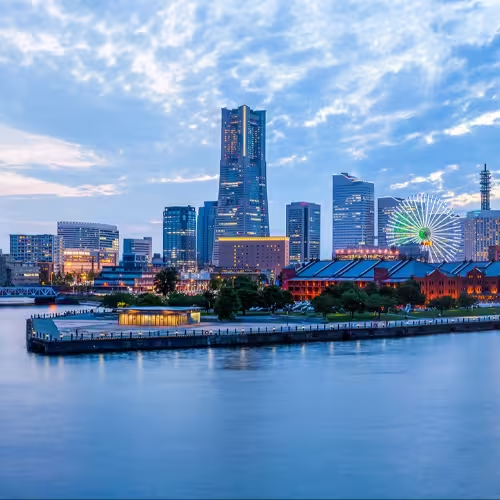
Yokohama's Chinatown grew after the port opened in 1859 and Chinese merchants made their homes in the city. Sankeien Garden offers a different focus for the same visit, with 17 historically important buildings.
In Kamakura, the Shinto shrine Tsurugaoka Hachimangu dates to 1063, while Hokokuji takes its Bamboo Temple name from its Moso bamboo forest. These give a Kamakura day a shrine-and-bamboo theme rather than another city-history itinerary.
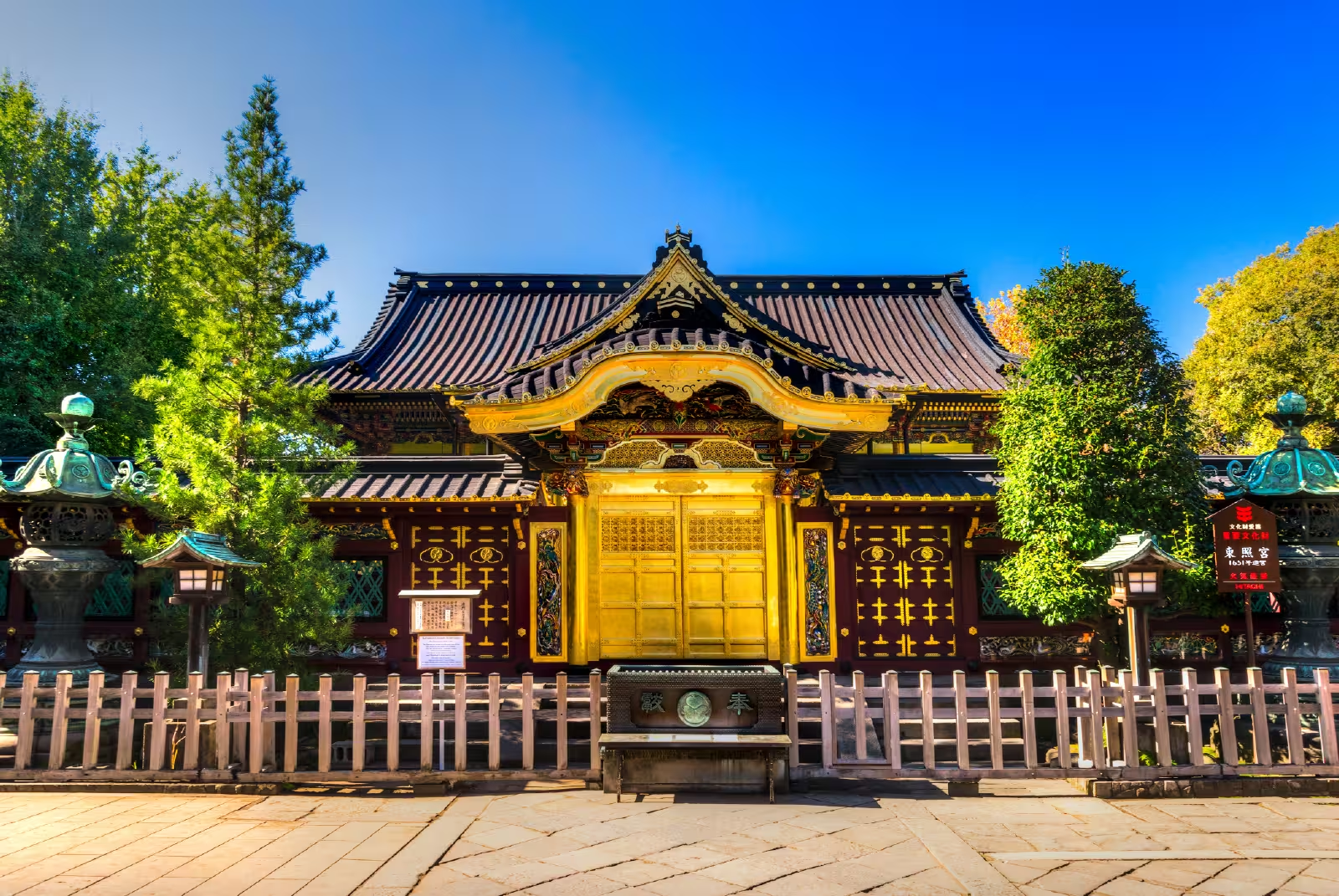
Four days are a workable outline for Tokyo, Yokohama, Kamakura and Nikko, with a day assigned to each. Day one can focus on Meiji Jingu and the Imperial Palace, followed by Chinatown and Sankeien Garden on day two. Day three can bring together Tsurugaoka Hachimangu and Hokokuji; day four can focus on Nikko Toshogu, dedicated to Tokugawa Ieyasu, founder of the Tokugawa shogunate.
Nikko needs room in the plan for travel, as the transport section below explains. Choose either the shrines or Kegon Falls as the focus of your Nikko day: the falls drop 97 m with water flowing from Lake Chuzenji.
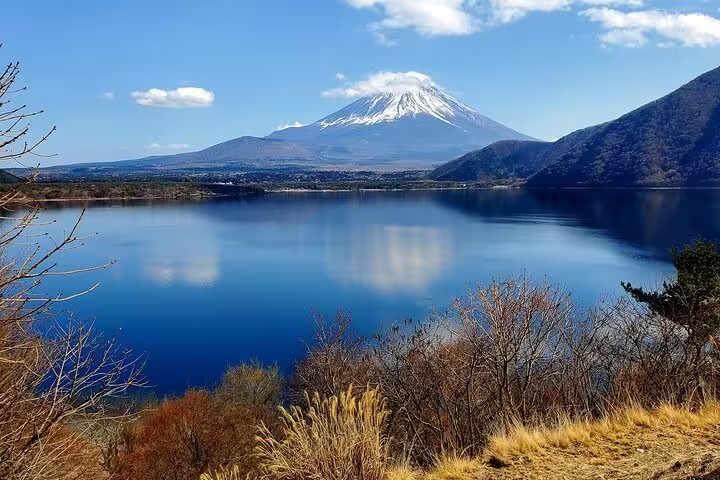
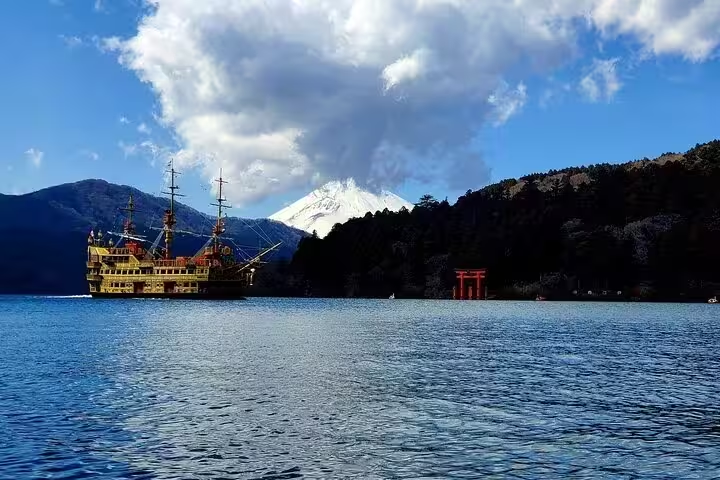
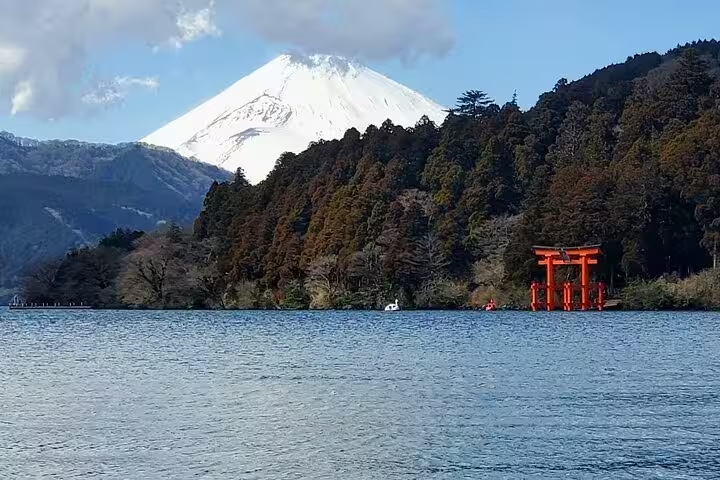
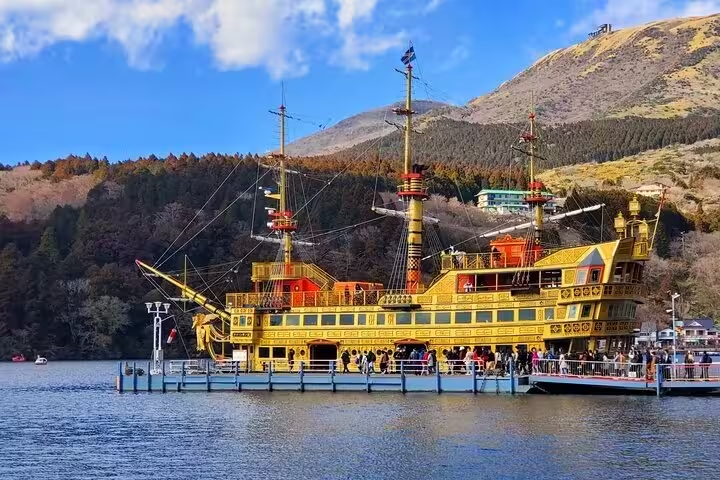
Hakone is an optional full-day addition: a private Hakone tour from Tokyo with an English guide runs for 10 hours, with private return transport, a Lake Ashinoko pirate cruise and a Hakone Ropeway ride. Lake Ashi gives that outing a volcanic-history connection: it formed after a Mount Kami eruption roughly 3,000 years ago.
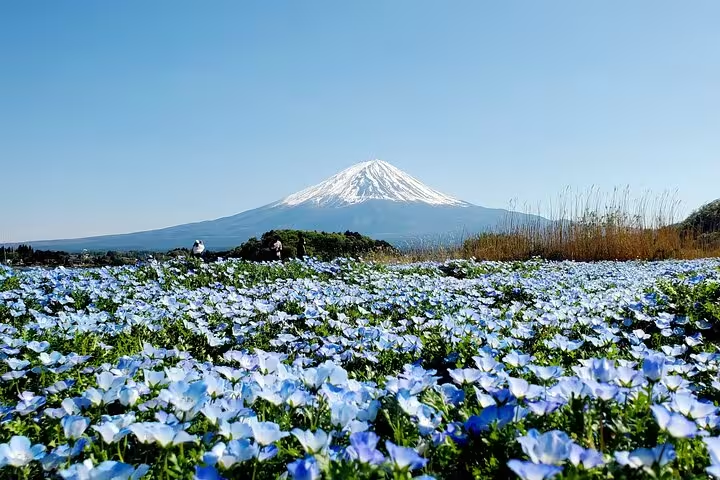
Mount Fuji offers another direction for an extra day, with a 3,776 m stratovolcano about 100 km southwest of Tokyo and eight groundwater-fed ponds at Oshino Hakkai in the surrounding area. A private guided Mount Fuji tour from Yokohama Port takes 10 hours, with a private English-speaking guide and private transport throughout.
The Asakusa Sanja Festival makes May a lively month in Tokyo. The Sanja Festival takes place from Friday to Sunday around the third Saturday in May, with about 100 neighbourhood mikoshi taking part on Saturday.
For Tokyo walking, January is the coldest month and August the warmest: Tokyo's normal monthly mean temperature is 5.4 degrees Celsius in January and 26.9 in August.
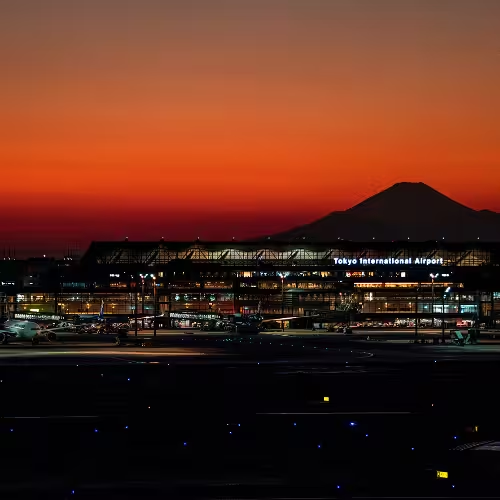
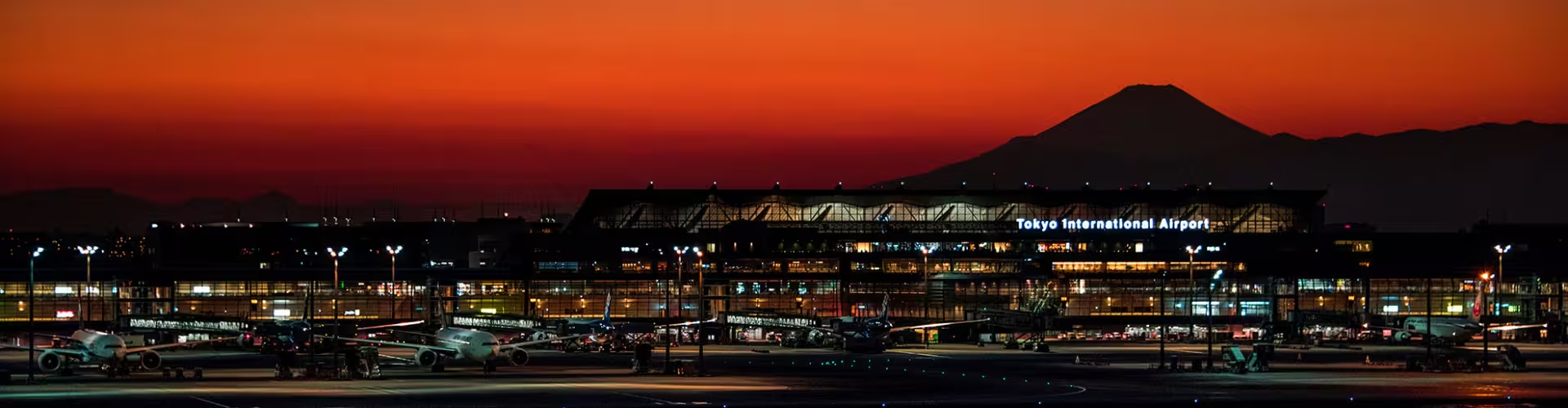
Rail covers most of the connections. From Narita International Airport, the Narita Express runs directly to Tokyo, Shinagawa, Shibuya, Shinjuku and Yokohama, and Haneda Airport connects directly with the Keikyu Line and Tokyo Monorail Line. For Nikko, limited express trains link Shinjuku and Asakusa with the town in about two hours. From Nikko station, buses serve Chuzenjiko Onsen, from where Lake Chuzenji and Kegon Falls are reached on foot. The Hakone tour includes private transport from Tokyo to Hakone and back, and the Mount Fuji tour includes private transport throughout from Yokohama Port.
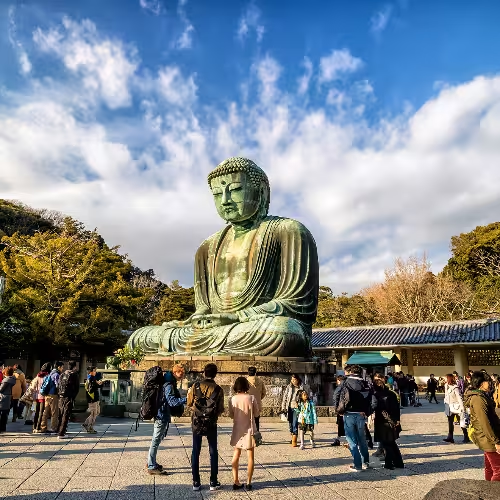
It is a bronze statue of Amida Buddha weighing 121 tons. Casting began around 1252.
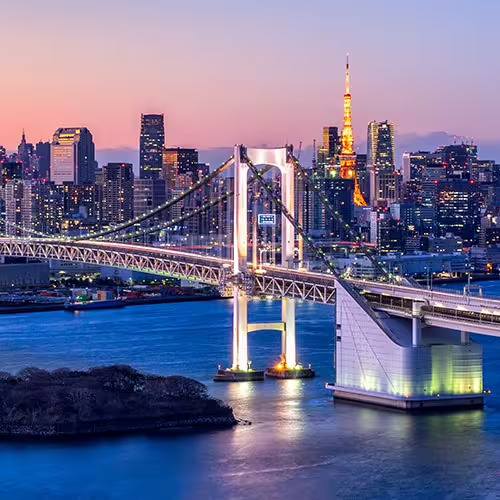
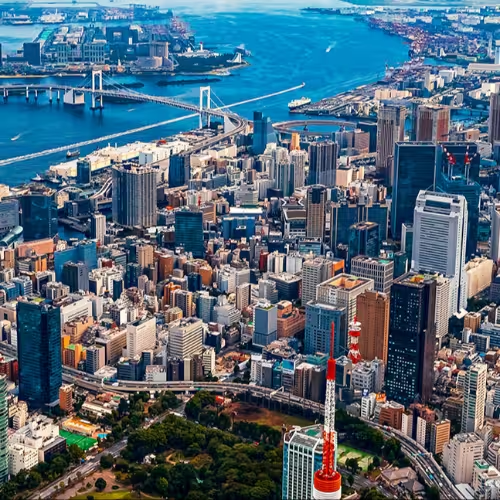
Tokyo Tower stands 333 meters tall. It was completed in 1958.
Lake Chuzenji has a circumference of 25 kilometers.