Last updated:


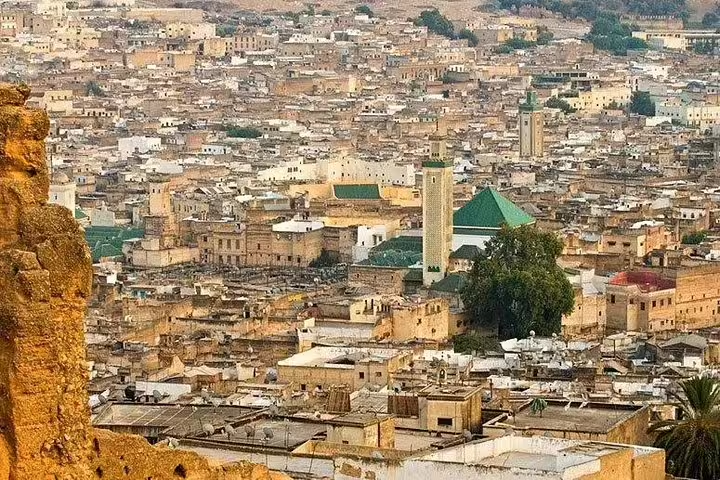
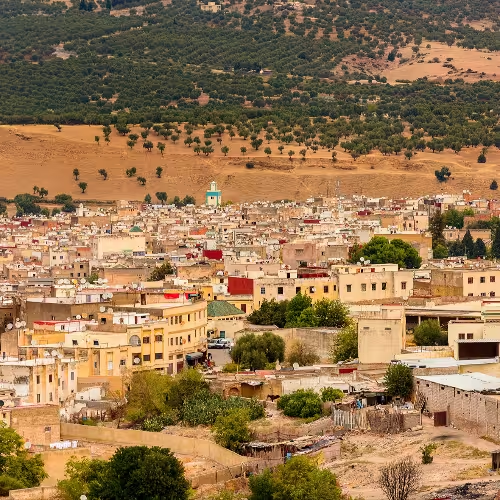
Historic cities and a forest outing give you different sides of the Fes-Meknes region. Fes looks across the Saiss plain towards the Middle Atlas mountains, while the setting around Meknes takes in the Zerhoun massif and Middle Atlas plateaus. Leave room for landscapes alongside the medinas and museums.
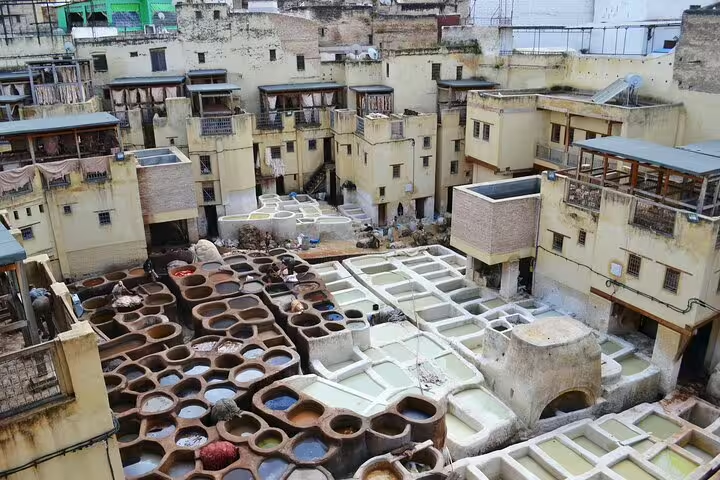
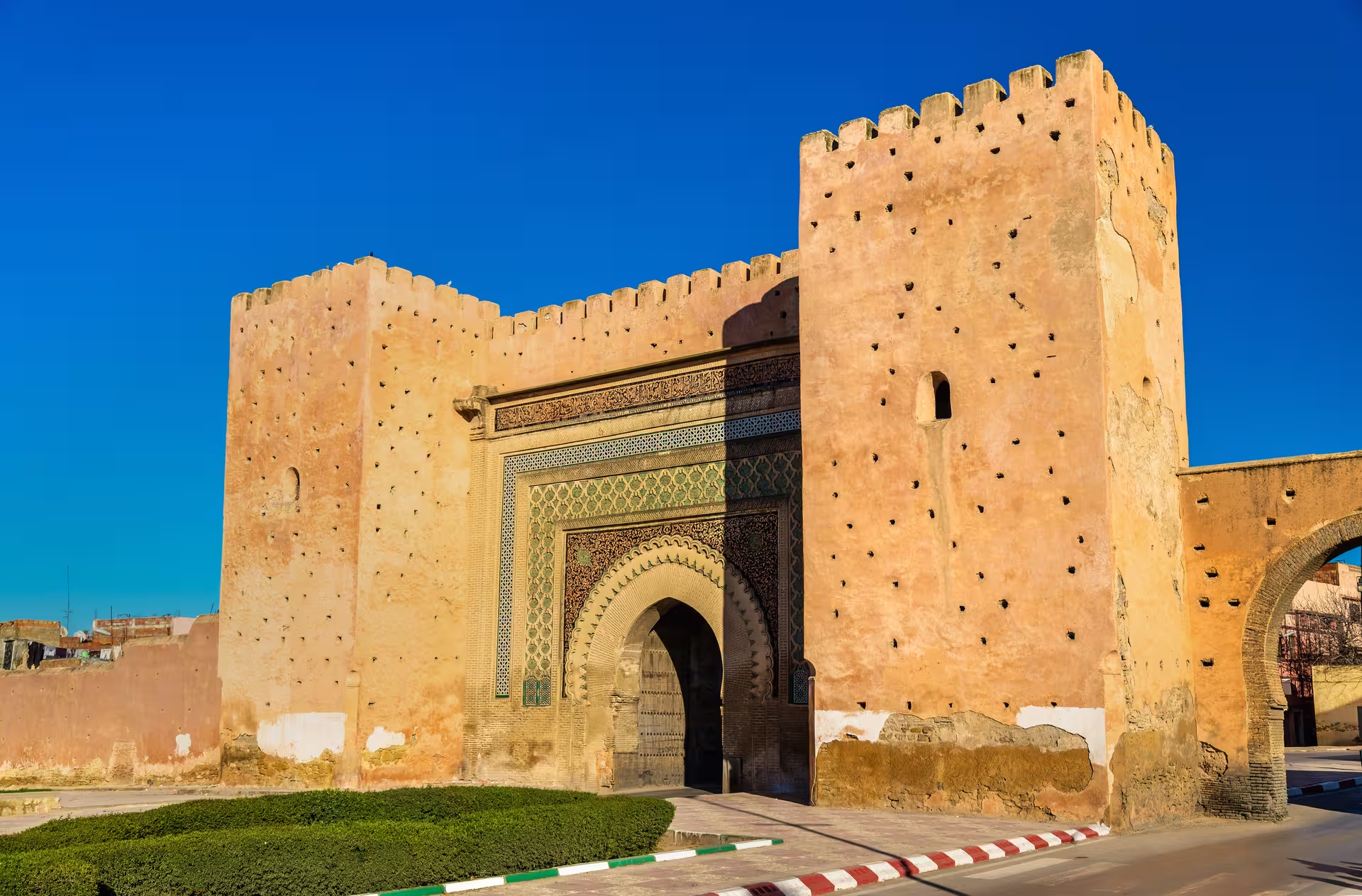
Make crafts and architecture the focus in Fes, then give music and archaeology their own place in your plans for Meknes and Volubilis. At Bab Boujloud, look for zellige tilework in blue and jade; at the Attarine Medersa, the details are its cedar ceiling and mosaics. The medina brings leather tanning, weaving, copperwork and pottery into the same visit.
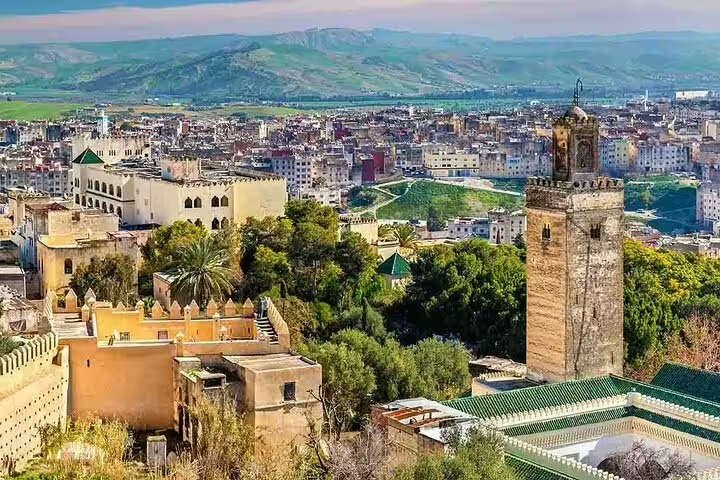
For a particular craft interest, the Nejjarines district is associated with woodworkers, while the Henna market specialises in beauty-care products. For Islamic arts, Al Batha Palace reopened as a museum in February 2025. In Meknes, Dar Jamai offers a different theme: the National Museum of Music occupies a former home dating from 1882.
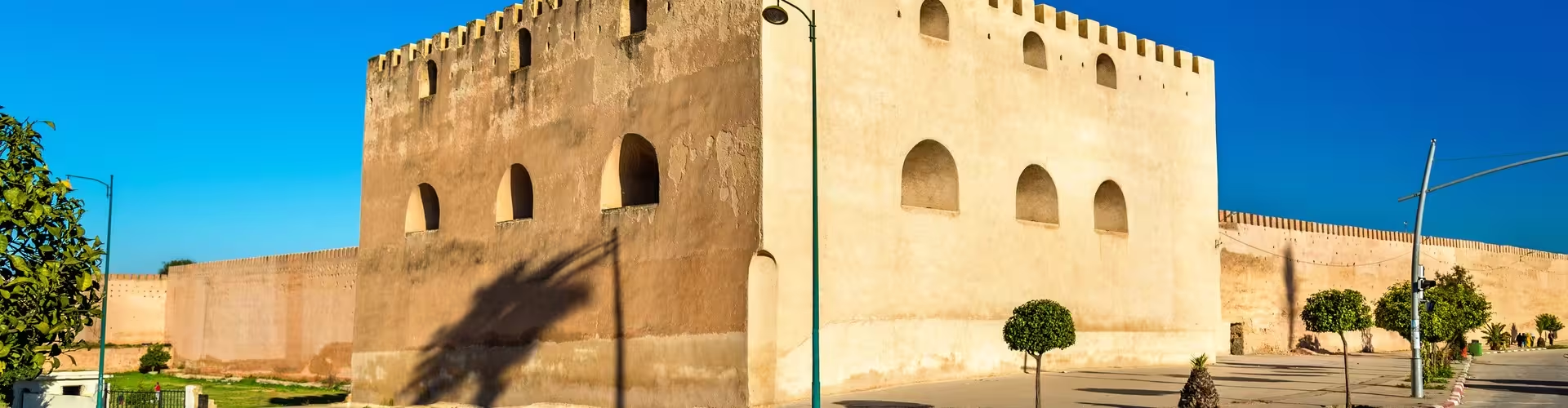
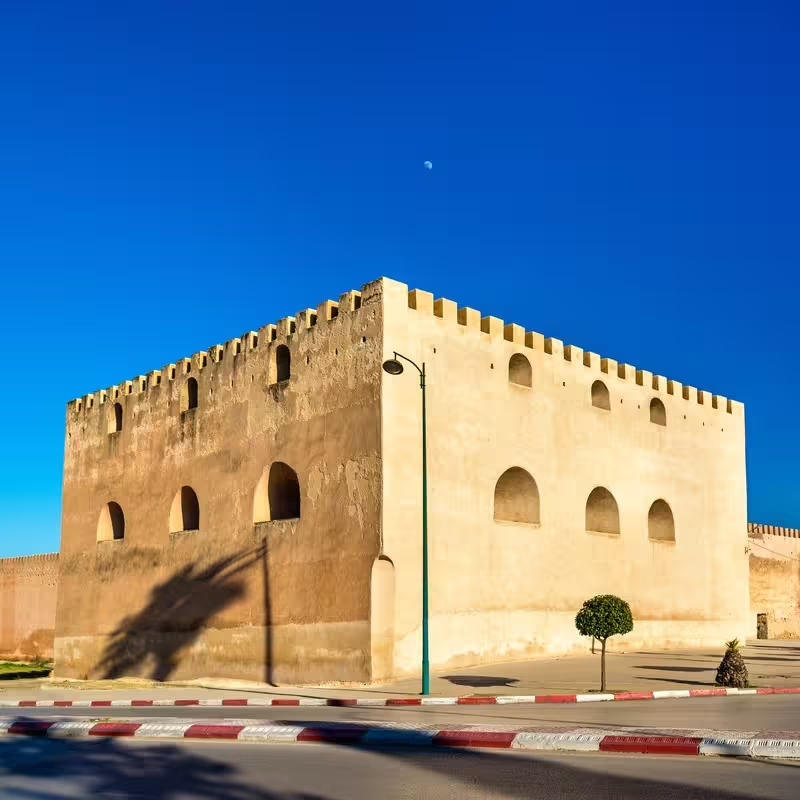
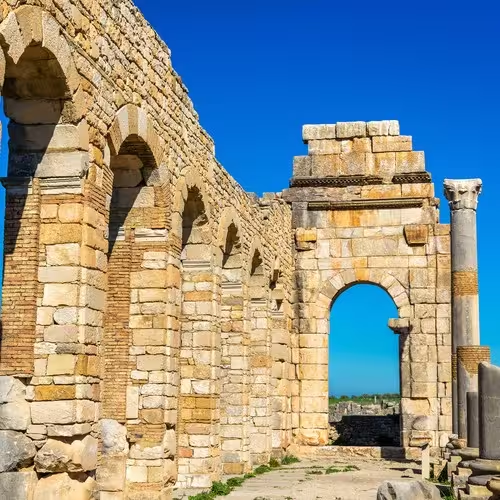
Allow three days for a suggested history-focused plan: Fes on the first day, Meknes on the second and Volubilis on the third. The Fes day can centre on the medina, whose UNESCO listing dates to 1981, with the gate and medersa adding architectural detail. Fez Jedid, founded in 1276, and the Mellah, the historic Jewish quarter established in 1438, offer further history if that is your priority.
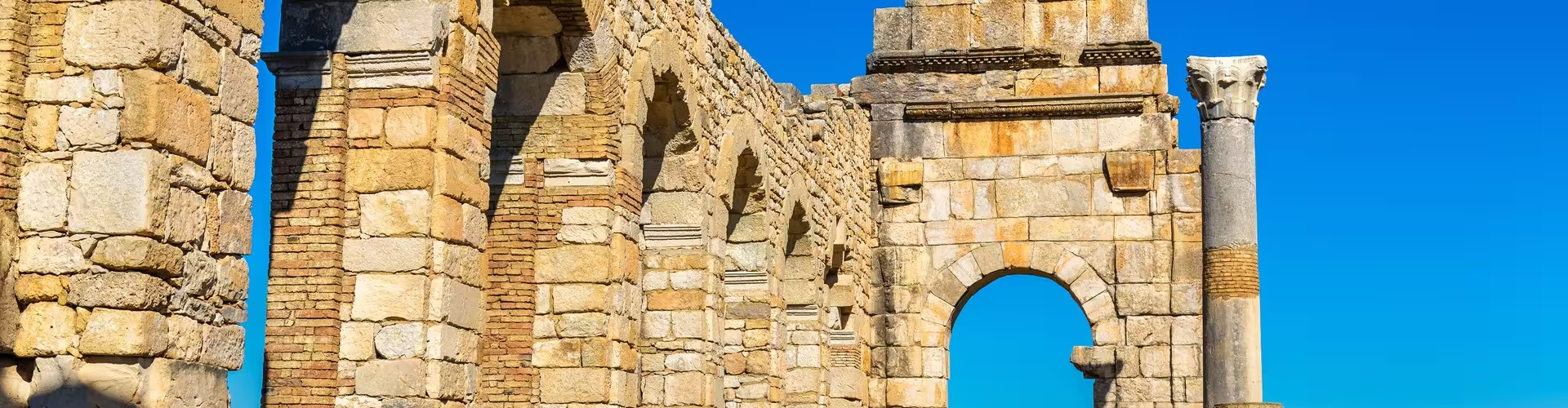
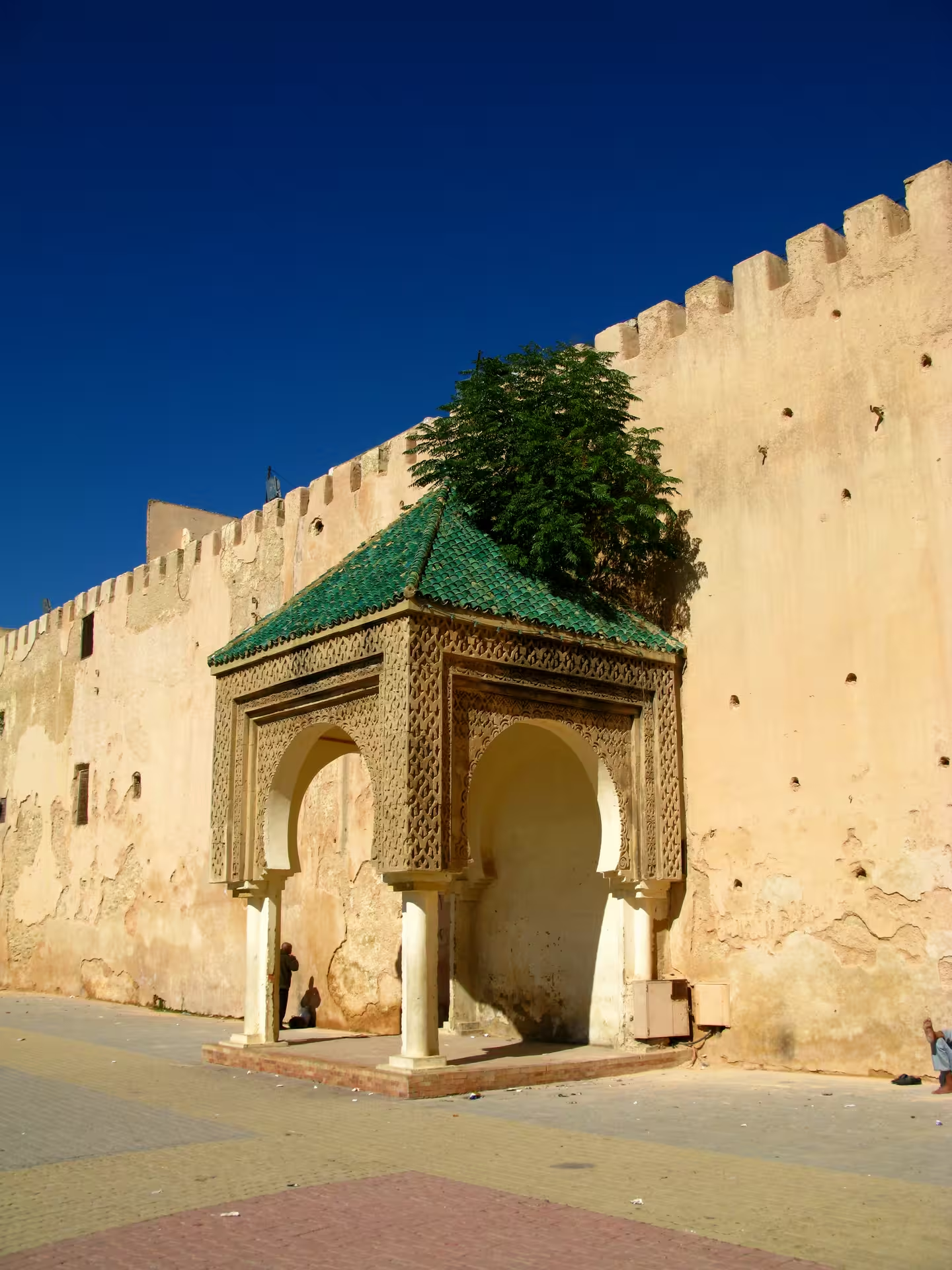
The Meknes day can pair Dar Jamai with the historic city, recognised by UNESCO in 1996. Its history reaches back to an Almoravid military stronghold established in 1061. Give Volubilis a separate place in the plan for its origins as a Mauritanian capital in the third century BC and its UNESCO recognition in 1997.
The nine-day Morocco tour covering Tangier, Fes, the Sahara and Marrakech includes an English-speaking driver-guide, daily breakfast, dinner at the Merzouga Berber camp and camel rides to and from camp. Its included visits cover Chefchaouen, Fes, Volubilis, Meknes, Merzouga, Todra, Ait Benhaddou and Marrakech.
June suits a trip focused on Sefrou's Cherry Festival, when the celebration includes crowning a Cherry Queen. The festival joined UNESCO's Representative List of the Intangible Cultural Heritage of Humanity in 2012.
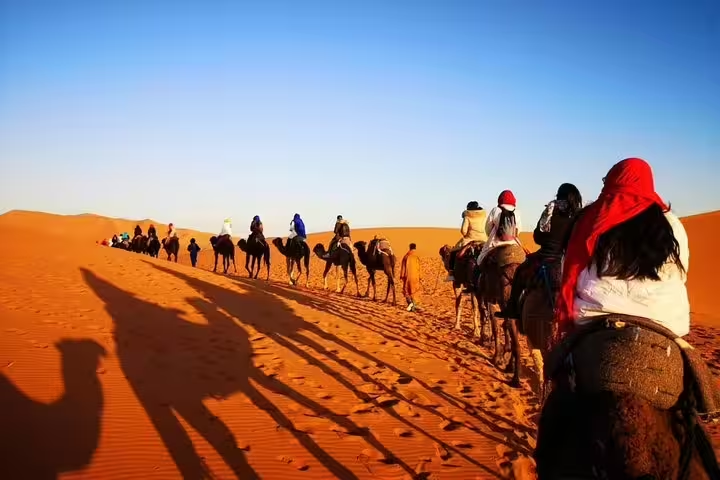
The three-day private desert tour from Marrakech to Fes includes a private driver and guide, accommodation with breakfast and dinner, a local guide at Kasbah Ait Benhaddou, camel rides into and out of the Erg Chebbi dunes and a night at a standard Berber desert camp in Merzouga.
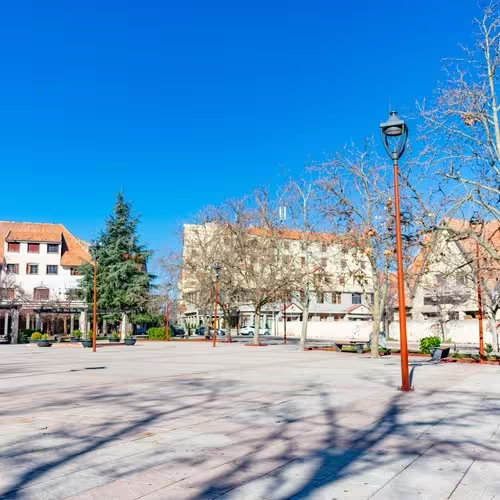
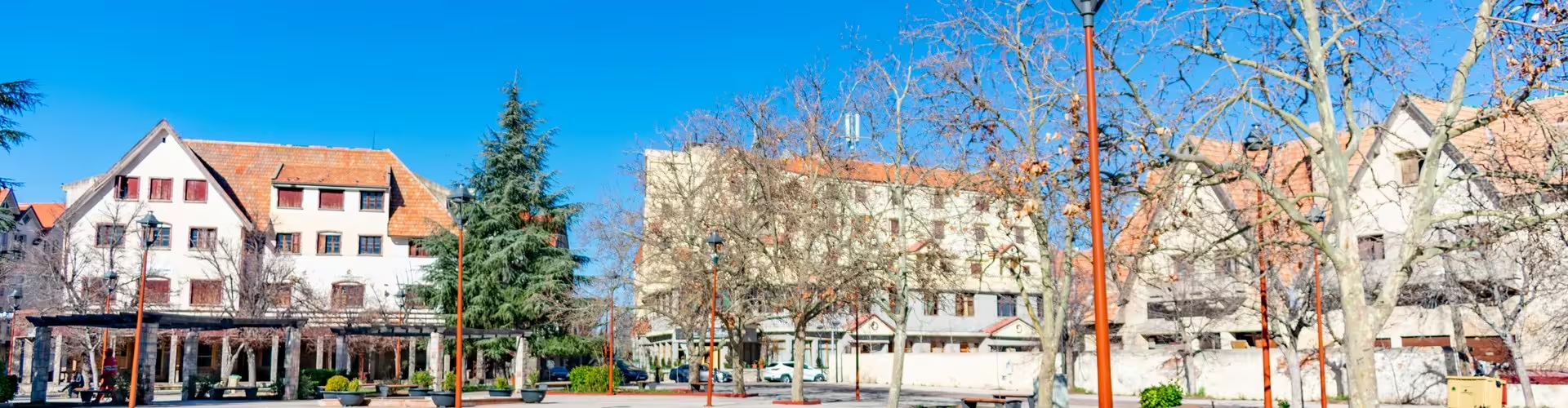
Ifrane suits a forest-and-waterfalls addition to the city visits. Atlas cedar and holm oak are among the main trees in Ifrane National Park, and the natural sites around Ifrane include the Ain Leuh waterfalls. For a different cedar-forest focus, Tazekka National Park was established in 1950 to protect the trees on Jbel Tazekka.
Yes, the Museum of Moroccan Jewish Culture is in the Mellah of Fes.
Ifrane lies at an altitude of 1,650 metres.
It extends over 42 hectares.
Khliee is a Fes speciality made with dried meat.
Yes, the park has records of 102 species of butterfly.