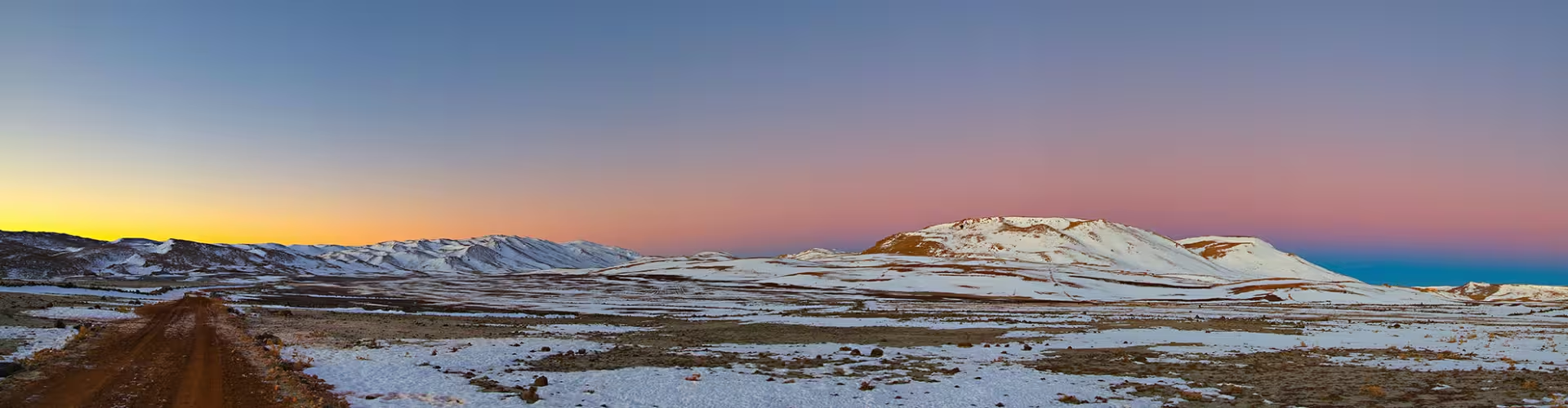


Ifrane feels like a mountain resort with a clean, calm rhythm that surprises many travelers expecting only medina energy in Morocco. Think cedar-scented air, walkable streets, and a cooler climate that makes outdoor time comfortable in seasons when lower-altitude cities can feel intense. This guide focuses on practical decisions, what to do, when to go, and how to plan a smooth trip that fits your pace.
Ifrane is known for its alpine-style atmosphere, crisp weather, and an easygoing vibe that suits slow mornings and nature-forward afternoons. It is a strong choice when you want a reset between big-city sightseeing days, especially if you are also exploring the Middle Atlas landscapes. Go now if you want a destination that pairs fresh air with simple logistics and a quieter, more local feel.
Ifrane sits in Morocco’s Fès-Meknès region, positioned as a Middle Atlas stop that works well as a break between larger hubs. Many travelers route through Fès as a key gateway city, then continue toward the mountains for cooler temperatures and forest scenery. For arrival planning, think in terms of reaching the region via major transport hubs, then transferring by road to the town.
The defining feature here is the altitude. Cooler conditions can make summer visits feel comfortable, while colder months can bring a wintery atmosphere that changes the pace of the town and the surrounding nature areas. Shoulder seasons often balance pleasant daytime weather with fewer crowds, which is ideal if your priority is relaxed walking and scenic drives.
Plan to carry some cash for small purchases and quick stops, while keeping a card available for larger payments where accepted. Build a flexible daily budget that covers transport between viewpoints and nature areas, plus meals and warm drinks, since the cooler climate tends to encourage café breaks. If you are combining Ifrane with Fès or other cities, consider withdrawing cash in larger hubs for convenience.
Note: Experiences below focus on the signature mountain vibe, natural landscapes, and easy town-based activities. For best results, pair one nature-heavy activity with one slow, in-town block each day.
1) Cedar forest walks and fresh-air viewpoints
Why it matters: The Middle Atlas cedar environment is a big part of what makes the area feel different from Morocco’s imperial-city circuits. Even short walks can deliver that pine and cedar scent, plus quiet that is hard to find in busier destinations. Practical tip: Start earlier in the day for clearer light and calmer paths, and bring a light layer even in warmer months.
2) Town strolls for architecture and atmosphere
Why it matters: Ifrane is often described as neat, orderly, and resort-like, which makes walking feel simple and restorative. A slow loop through central streets helps you tune into the local rhythm, cafés, and everyday life. Practical tip: Build time for unplanned stops, then repeat the same route at a different hour to see how the mood shifts.
3) Scenic drives through the Middle Atlas
Why it matters: The landscapes around town are part of the main appeal, with changing elevations, forest corridors, and open stretches that feel cinematic. A short drive can deliver big variety without complex planning. Practical tip: If you are sensitive to motion, schedule breaks, keep water handy, and ask your driver to pace the route.
4) Picnic-style moments with local snacks
Why it matters: The climate invites simple outdoor eating, especially when you want a low-effort afternoon that still feels like travel. It is also a budget-friendly way to enjoy the scenery without committing to long sit-down meals. Practical tip: Buy snacks in town, pack a small trash bag, and keep your setup simple so you can move if the wind picks up.
5) Photo sessions in soft mountain light
Why it matters: The combination of greenery, open sky, and clean streets gives you a different visual palette than Morocco’s warmer-toned medinas. This is a strong destination for relaxed photography, especially if you like nature textures and wide compositions. Practical tip: Late afternoon often brings gentler contrast, so plan your main photo walk then.
6) Café time for warm drinks and people-watching
Why it matters: In cooler weather, cafés become part of the experience, not just a quick stop. A warm drink break helps you pace the day and adds a cozy rhythm between outdoor activities. Practical tip: If you are unsure what to order, start with mint tea, then try a coffee-based drink if you want something stronger.
7) Slow travel reset between larger cities
Why it matters: Many itineraries through the region can feel intense, especially if you are stacking medinas, museums, and day trips back-to-back. Ifrane works well as a recovery stop where your main activity is simply breathing easier and moving slower. Practical tip: Keep one full block of time unscheduled, and let the weather decide what comes next.
8) Seasonal nature watching
Why it matters: The same landscapes shift dramatically across the year, from crisp greens to colder, quieter scenes. That seasonality is part of the destination’s identity and helps repeat visits feel different. Practical tip: Pack layers and check local conditions before heading out, since mountain weather can change quickly.
Start with a morning town walk to get oriented and to enjoy the calm streets before the day fully builds. Follow with a short scenic drive into the surrounding Middle Atlas environment for a cedar-scented walk and a few viewpoints. Return to town for a café break, then finish with a late-afternoon photo stroll when the light softens and the temperature drops.
Day 1 focuses on the center, a slow town loop, café time, and a short nature outing to calibrate your pace. Day 2 expands into a longer scenic drive and an unhurried walk, with a picnic-style lunch and time to stop whenever the view pulls you in. Day 3 is your flex day, either repeat your favorite forest area in different light, or use Ifrane as a base for a nearby day trip before continuing your route through the region.
Mint tea: Sweet, fragrant, and warming, it matches the cooler climate and pairs well with a slow afternoon. Ordering tip: Ask for it hot and take your time, it is meant to be sipped, not rushed.
Coffee drinks: A stronger option for cold mornings, often enjoyed during café breaks between walks. Ordering tip: If you prefer milder flavors, ask for a coffee with milk rather than a very strong black coffee.
Tagine-style meals: Slow-cooked comfort food that feels especially satisfying after time outdoors. Ordering tip: If you are sharing, consider ordering one main dish and a few sides to keep the meal flexible.
Harira-style soup: A hearty, warming soup that works well when the temperature drops. Ordering tip: Pair it with bread for a more filling, budget-friendly meal.
Fresh bread: Simple, essential, and ideal for building an easy picnic with spreads or salads. Ordering tip: Buy it close to when you plan to eat for the best texture.
Seasonal fruit: A light snack that travels well on drives and walks. Ordering tip: Choose what looks freshest that day, and wash it before heading out.
Ifrane is comfortable for walking in the central areas, especially if you like slow exploration and frequent café stops. For reaching forest areas and viewpoints, road transport is usually the most practical option, particularly if you want to control timing and stop for photos. If you are traveling with limited mobility, plan your day around shorter walks and more frequent drop-offs, and keep a warm layer handy because temperature shifts can affect comfort.
Fès: A major cultural hub in the region, ideal for medina-focused sightseeing and a contrast to the mountain calm. Travel time varies by route and traffic, so start early if you want a full day.
Middle Atlas scenic routes: The main reason to go is the landscape itself, forests, open roads, and changing elevations. Plan for multiple stops rather than a single destination, since the journey is the highlight.
Nearby forest areas: Great for short walks, picnics, and fresh-air breaks without heavy planning. Keep your schedule flexible so you can adjust based on weather.
What is the overall vibe of Ifrane?
It is calm, clean, and mountain-resort-like, with a strong emphasis on fresh air and nature. It suits travelers who want a slower pace between bigger sightseeing days.
How many days should I plan for Ifrane?
One day covers the highlights with a town walk and a nearby nature outing. Two to three days is better if you want scenic drives, relaxed café time, and a flexible schedule.
What is the best season to visit Ifrane?
Because of the altitude, the destination can feel cooler than many other places in Morocco. Shoulder seasons often balance comfortable weather with a quieter atmosphere.
Can I explore Ifrane without a car?
You can walk the central areas comfortably, especially if your plan is focused on town atmosphere and cafés. For forest areas and viewpoints, road transport is usually the easiest option.
Is Ifrane a good stop if I am also visiting Fès?
Yes, it pairs well as a contrast, since Fès is dense and cultural while Ifrane is open, cool, and nature-forward. Many travelers use it as a reset before continuing through the region.