Explore Tours

Build your dream
experience

More to know about Telouet Kasbah
Telouet Kasbah Travel Guide
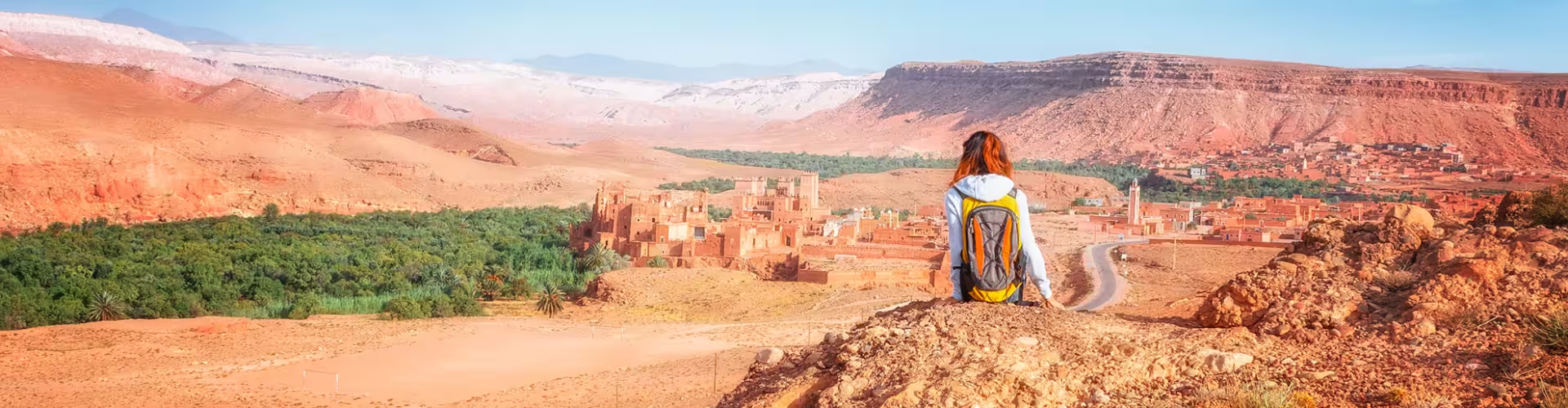
Telouet Kasbah is one of Morocco’s most atmospheric heritage stops, known for its dramatic mountain setting and the lingering imprint of power, trade, and craftsmanship. The experience blends crumbling grandeur with intricate decorative details, making it a rewarding visit for travelers who like history you can feel in the walls. Use this guide to plan your timing, route, and nearby add-ons so your stop at Telouet Kasbah feels intentional rather than rushed.
Snapshot
Telouet Kasbah delivers a signature vibe of remote, cinematic Morocco, quiet roads, big sky, and a fortress that looks like it is still guarding the mountains. Go for the contrast between rugged exteriors and refined interior artistry, plus the sense of discovery that comes with a less crowded landmark. It is especially appealing if you want a cultural stop that pairs naturally with a scenic drive and a broader loop through the region.
🗺️ Geography and Logistics
📍 Orientation: Where is it within Drâa-Tafilalet Region and Morocco?
Telouet Kasbah sits in Morocco’s High Atlas sphere of influence, connected to routes that historically linked Marrakesh with the south and the desert-facing regions. Administratively, it is associated with the wider Drâa-Tafilalet Region, a vast area known for kasbah culture, oasis landscapes, and long road journeys that reward patient travelers. Common gateways for travelers include Marrakesh as a major hub, with road connections that can be combined with mountain passes and valley routes depending on your itinerary.
🕒 When to Go: Seasonal breakdown
Expect mountain-influenced conditions, which usually means bigger temperature swings than coastal Morocco. Warmer months can make daytime exploring easier, but the sun can feel intense, especially when you are walking around exposed stone and open courtyards. Cooler months can be crisp and photogenic, with fewer people around, but you will want layers for comfort, particularly in the morning and late afternoon.
💰 Budget & Currency: Practical money tips
Plan to carry cash in Moroccan dirhams for small purchases, snacks, and local services, especially in rural areas where card payment can be inconsistent. Keep small bills handy to simplify quick transactions and avoid change issues. If you are building a day route that includes multiple stops, budget for fuel, refreshments, and optional local guiding, which can add real value when you want deeper context.
⭐ Essential Things to Do
1) Explore the palace rooms and details
The most memorable part of Telouet Kasbah is the contrast between fortress-like mass and delicate interior artistry. Look closely for ornamental elements that reflect Morocco’s craft traditions, where geometry and floral motifs often carry symbolic meaning. Practical tip: bring a phone flashlight for dim corners and details, and move slowly so you notice the workmanship.
2) Photograph the kasbah against the High Atlas backdrop
This is a place where landscape does half the storytelling, with mountain textures amplifying the sense of isolation and history. Wide shots capture scale, while tighter frames highlight doorways, arches, and layered walls. Practical tip: aim for softer light early or late in the day for warmer color and gentler contrast on stone surfaces.
3) Take a slow walk through the village atmosphere
Beyond the monument, the surrounding settlement gives context to how kasbahs functioned as more than residences, they were centers of local life and authority. A short walk helps you tune into the quieter rhythm of rural Morocco. Practical tip: dress modestly and keep your camera respectful, ask before photographing people.
4) Pair it with a scenic mountain drive
Many travelers remember the road as much as the destination, with changing elevations, viewpoints, and the sense of crossing a historic corridor. This is where High Atlas scenery becomes part of the experience, not just a backdrop. Practical tip: plan extra time for stops, and avoid rushing tight turns if you are not used to mountain roads.
5) Add it as a cultural stop on a route toward Ouarzazate
If your itinerary includes Morocco’s film landscapes and kasbah belt, Telouet Kasbah can be a meaningful cultural anchor. It breaks up long driving days with a visit that feels specific to the region’s political and architectural past. Practical tip: keep water and snacks in the car, services can be limited between towns.
6) Look for craftsmanship cues in materials and layout
Kasbah architecture often reflects a dialogue between defense and beauty, thick walls for protection, refined decoration for status. Noticing how spaces connect helps you understand how power and hospitality were expressed. Practical tip: if you hire a local guide, ask them to explain what different rooms were used for and how the site evolved.
7) Build a story-driven visit around Morocco’s kasbah culture
The site makes more sense when you frame it within broader kasbah architecture and the trading routes that shaped southern Morocco. Think of it as a chapter in a larger narrative that includes valleys, oases, and caravan-era connections. Practical tip: read a short overview of Morocco’s kasbah regions before you go, then use the visit to connect the dots in real time.
8) Pause for a quiet moment, and let the place feel remote
One of the underrated pleasures here is the calm, especially compared to Morocco’s big cities. Taking time to sit, listen, and observe the mountain silence makes the visit more memorable. Practical tip: carry a light layer, shaded areas can feel cool even when the sun is strong.
🚶 Curated Itineraries
⏰ The Highlights (1 Day)
Start with a morning drive that leaves you time to arrive before the harshest midday light. Spend your first hour at Telouet Kasbah focusing on the interior details and the overall layout, then step outside for wide landscape photos. Afterward, take a short walk nearby to absorb the local atmosphere, then continue your route toward your next major stop, keeping time for viewpoint breaks and a relaxed meal.
⏰ Deep Dive (2-3 Days)
Day 1, visit Telouet Kasbah at a slower pace, building in time for photography and a guide-led explanation if available. Day 2, explore the broader High Atlas and valley scenery, treating the journey as part of the destination, with stops that highlight geology, terraced landscapes, and village life. Day 3, connect your route toward southern kasbah towns and cinematic landscapes, using what you learned at Telouet to recognize architectural patterns and regional variations.
🍽️ Flavors of Telouet Kasbah
Tagine
Slow-cooked and aromatic, tagine balances savory depth with spices that feel warm rather than overpowering. Ordering tip: ask what the house specialty is that day, and choose a version with seasonal vegetables for the best texture.
Couscous
Light, fluffy grains topped with vegetables and broth, couscous is comforting and filling after a day on the road. Ordering tip: if offered, try it as a shared dish, it fits the communal rhythm of Moroccan meals.
Harira
This hearty soup is rich and restorative, often built on tomatoes, legumes, and fragrant spices. Ordering tip: it is a smart choice when you arrive hungry but do not want a heavy meal before exploring.
Mint tea
Sweet, bright, and poured with flair, mint tea is both refreshment and ritual. Ordering tip: if you prefer less sugar, ask politely, many places can adjust.
Fresh bread with olive oil
Simple but memorable, especially when the bread is warm and the oil is local and peppery. Ordering tip: eat it early, bread is best right after it arrives.
Seasonal fruit
In rural areas, fruit can be an easy, affordable snack during long drives. Ordering tip: buy what looks freshest and ask what is in season for the best flavor.
🚌 Navigation & Transport
Most travelers reach Telouet Kasbah by road as part of a broader itinerary, often using a private car, hired driver, or organized tour. Walking is best for exploring the immediate area around the kasbah, but distances between towns make road transport essential for day trips and onward travel. If you are self-driving, be prepared for mountain conditions, take curves slowly, and keep fuel topped up. For accessibility, expect uneven surfaces and steps around historic structures, sturdy shoes help with grip and comfort.
🌄 Beyond the Center: Day Trips
Ouarzazate
Often paired with kasbah routes, Ouarzazate is a natural next base for exploring southern landscapes. Travel time varies by route and road conditions. Primary reason to visit: it is a hub for regional exploration and a gateway to multiple scenic corridors.
Aït Benhaddou
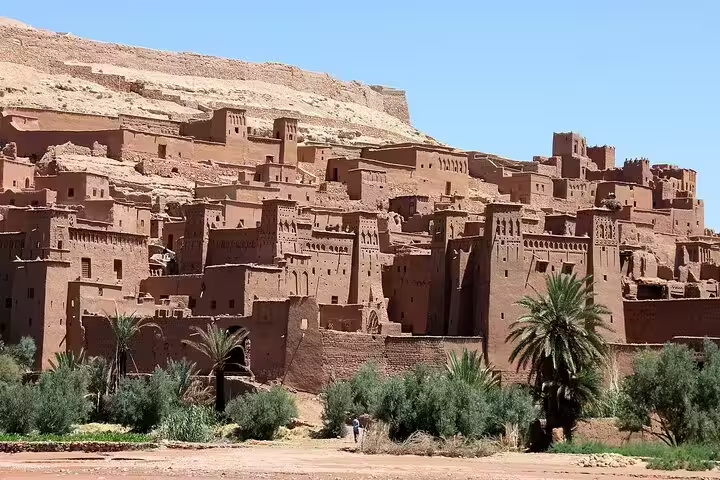
A famous fortified village that complements the story of Telouet Kasbah through its architecture and setting. Travel time varies depending on your road choice. Primary reason to visit: iconic earthen architecture and a strong sense of historic settlement patterns.
High Atlas viewpoints and passes
Short detours to viewpoints can become trip highlights, with panoramic angles that make the region feel immense. Travel time depends on how many stops you add. Primary reason to visit: landscapes that contextualize why kasbahs were positioned where they were.
Valley routes toward the south
As you descend from the mountains, the scenery shifts toward valleys and more arid horizons. Travel time varies widely. Primary reason to visit: a gradual transition into the kasbah and oasis world that defines much of southeastern Morocco.
✅ Insider Tips for Travelers
- Bring cash in small bills, rural areas can have limited card acceptance.
- Wear sturdy, closed-toe shoes, surfaces can be uneven and dusty around historic sites.
- Pack layers, mountain areas can shift from warm sun to cool shade quickly.
- Plan photo timing around softer light, early and late hours usually flatter earthen tones.
- Drive with patience on mountain roads, allow extra time for curves and viewpoint stops.
- Ask before photographing people, respectful etiquette improves interactions.
- Carry water and snacks, distances between towns can be longer than expected.
- If you want deeper context, consider a local guide, it can turn architecture into a story.
❓ Frequently Asked Questions, FAQ
How do I get to Telouet Kasbah?
Most travelers visit by road as part of a day route or multi-day loop, using a private car, hired driver, or tour. If you self-drive, plan for mountain roads and add extra time for viewpoint stops.
How much time should I plan for the visit?
A focused stop can work in a shorter window, but a slower visit is more rewarding if you like photography and architectural details. Add extra time if you want to walk around the surrounding area as well.
Is Telouet Kasbah suitable for travelers with limited mobility?
Historic structures often have steps, uneven ground, and narrow passages. Wear supportive shoes and move carefully, and consider focusing on the most accessible sections if mobility is a concern.
What should I wear when visiting Telouet Kasbah?
Choose comfortable clothing that respects local norms, and bring layers for changing mountain temperatures. Closed-toe shoes help on dusty, uneven surfaces.
Can I combine Telouet Kasbah with other destinations in one day?
Yes, it is commonly paired with other kasbah and valley stops, especially if you start early and keep your route realistic. The key is to avoid overpacking the day so the driving does not overshadow the visit.
This guide supports trip planning for Telouet Kasbah with practical logistics, on-site priorities, and route ideas within Morocco’s Drâa-Tafilalet Region and the High Atlas. It is designed to help travelers compare options and build an efficient itinerary.
Africa, Morocco, Drâa-Tafilalet Region, Telouet Kasbah