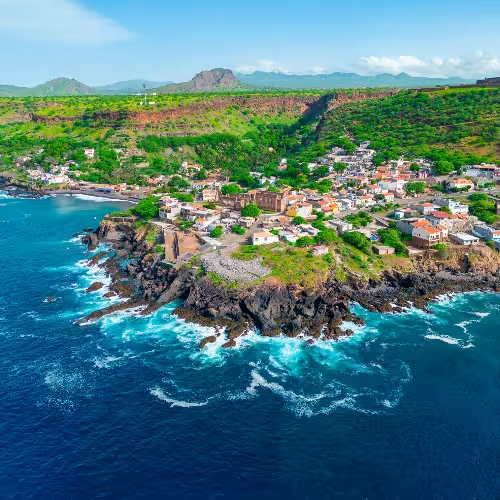
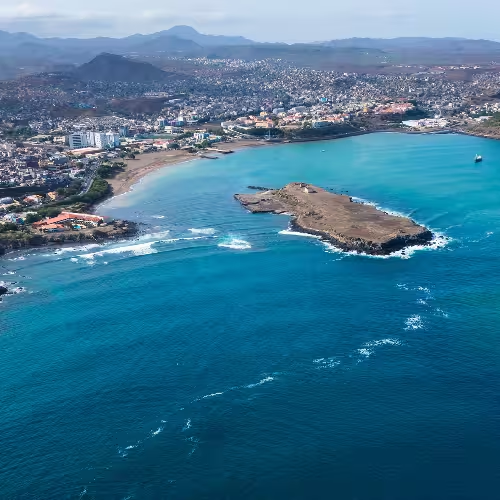
Assomada is a charming town located on the island of Santiago in Cabo Verde, West Africa. Nestled in the central highlands, this settlement offers visitors an authentic glimpse into local island life, with its distinctive architecture and vibrant community spirit defining the character of the region.
What to see in Assomada
The town serves as a cultural hub for the surrounding municipalities of Santa Catarina and São Miguel. Visitors can explore traditional Cape Verdean architecture, wander through bustling local markets, and take in panoramic views of the island's dramatic volcanic landscape. The nearby hills provide scenic vantage points overlooking the valleys below.
Things to do in Assomada
Travelers can experience authentic island culture by visiting local markets where residents gather to trade goods and exchange news. Hiking excursions into the surrounding highlands reveal stunning natural scenery and opportunities to interact with rural communities. The town serves as a convenient base for exploring Santiago's interior regions and understanding traditional Cape Verdean life.
Local Market Culture and Community Life
Assomada is renowned throughout Santiago for its thriving market scene, where merchants gather regularly to sell fresh produce and traditional goods. The town's social fabric centers around these communal gathering spaces, reflecting the strong sense of community that characterizes Cape Verdean island culture. Visitors gain valuable insights into daily life by engaging with local vendors and exploring the bustling commercial atmosphere.
Assomada is situated on Santiago island in Cabo Verde, a small island nation located off the coast of West Africa. The town occupies a central position in the island's interior highlands, serving as a cultural and commercial hub for the surrounding municipalities of Santa Catarina and São Miguel. Its elevation in the highlands provides it with a cooler climate compared to coastal settlements.
Assomada exemplifies authentic Cape Verdean community life, distinguished by its emphasis on traditional markets and highland living. The town represents the heart of Santiago's interior culture, where visitors encounter genuine local traditions and meet residents engaged in daily commercial and social activities that have characterized the region for generations.